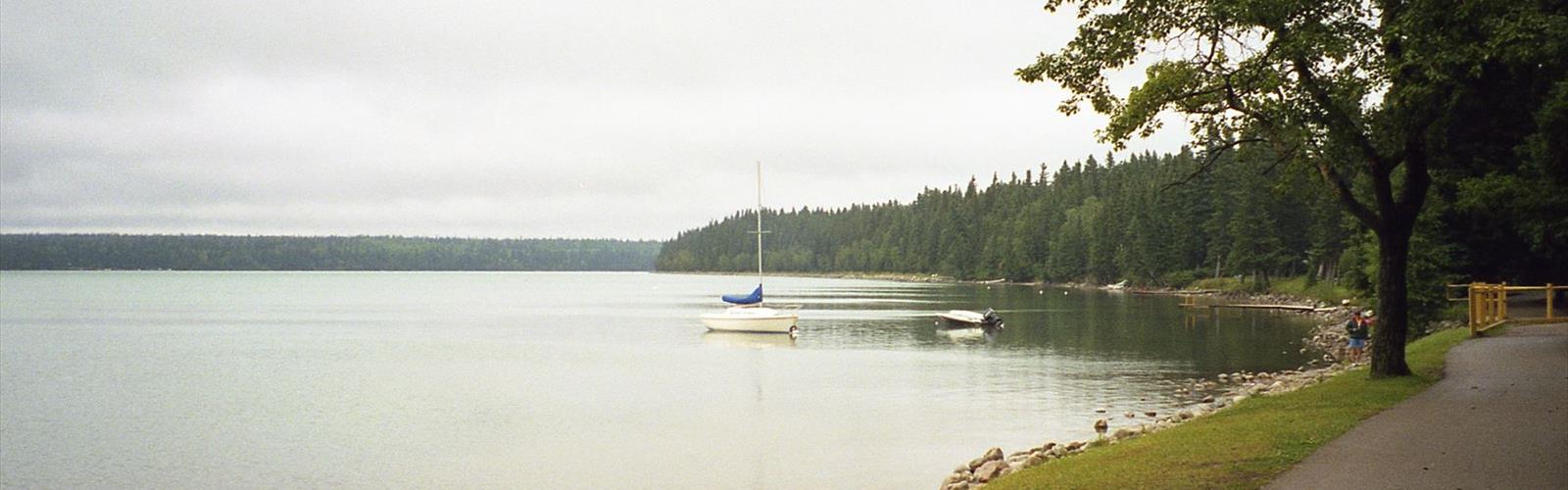
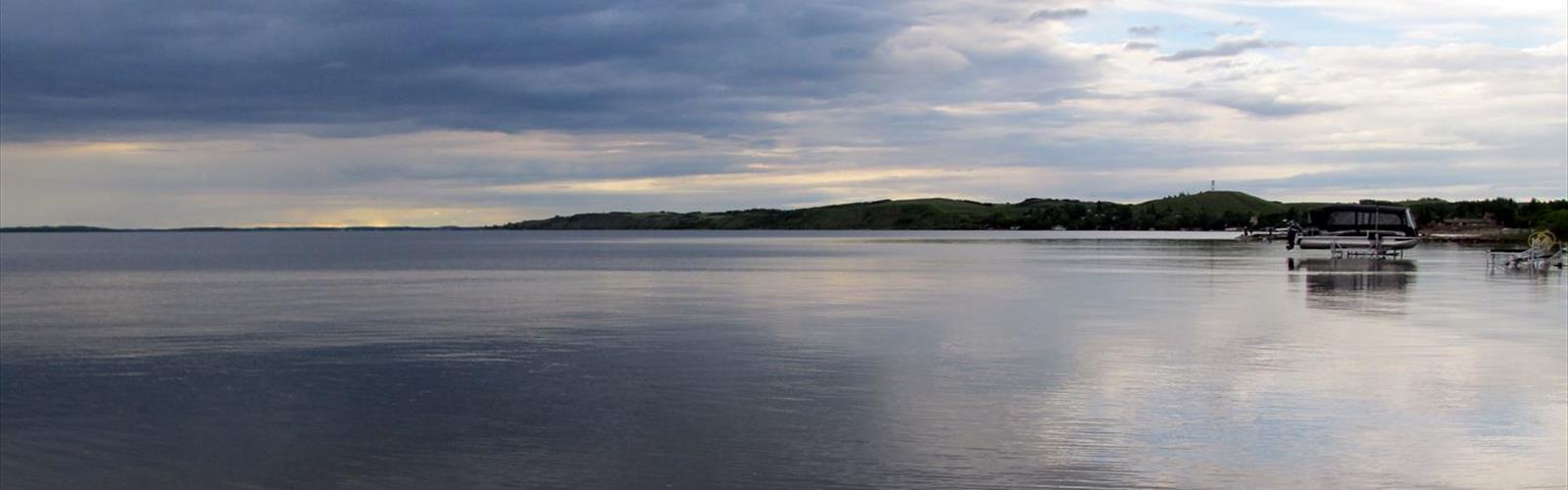
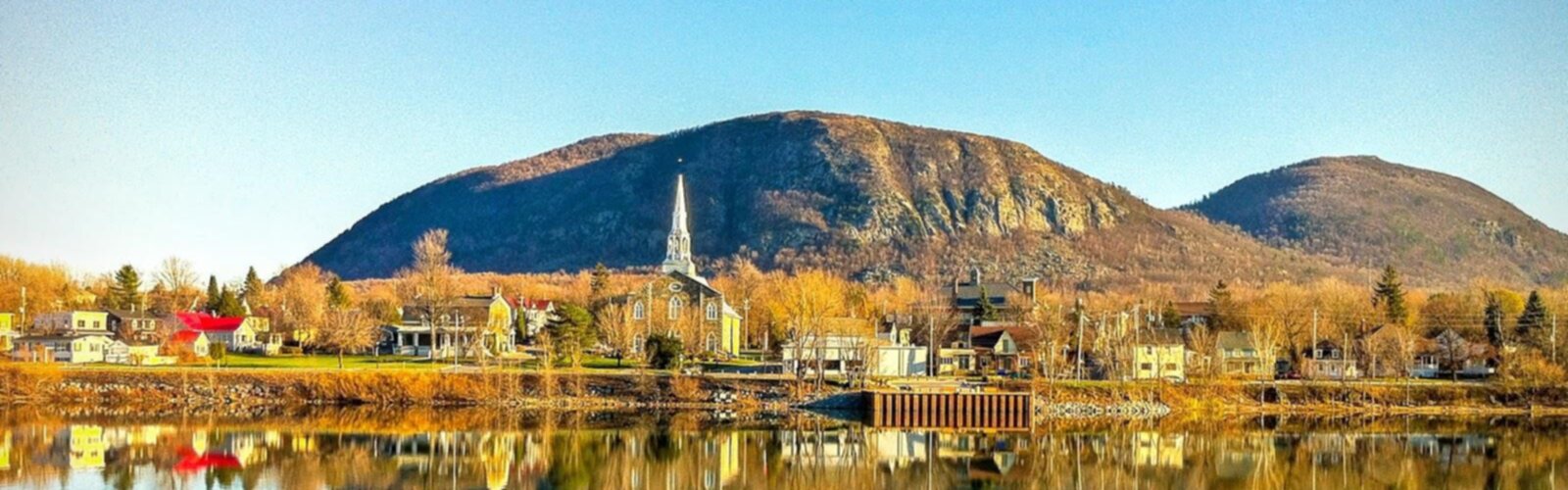
Manitoba stands as one of Canada's most underrated outdoor destinations, spanning over 647,000 square kilometers of pristine wilderness. From the rugged shores of Hudson Bay to the rolling prairies and dense boreal forests, this central province offers an extraordinary diversity of landscapes perfect for hiking enthusiasts. With its vast network of provincial parks, conservation areas, and wilderness regions, Manitoba provides endless opportunities for outdoor adventures across all skill levels.
Major Hiking Regions
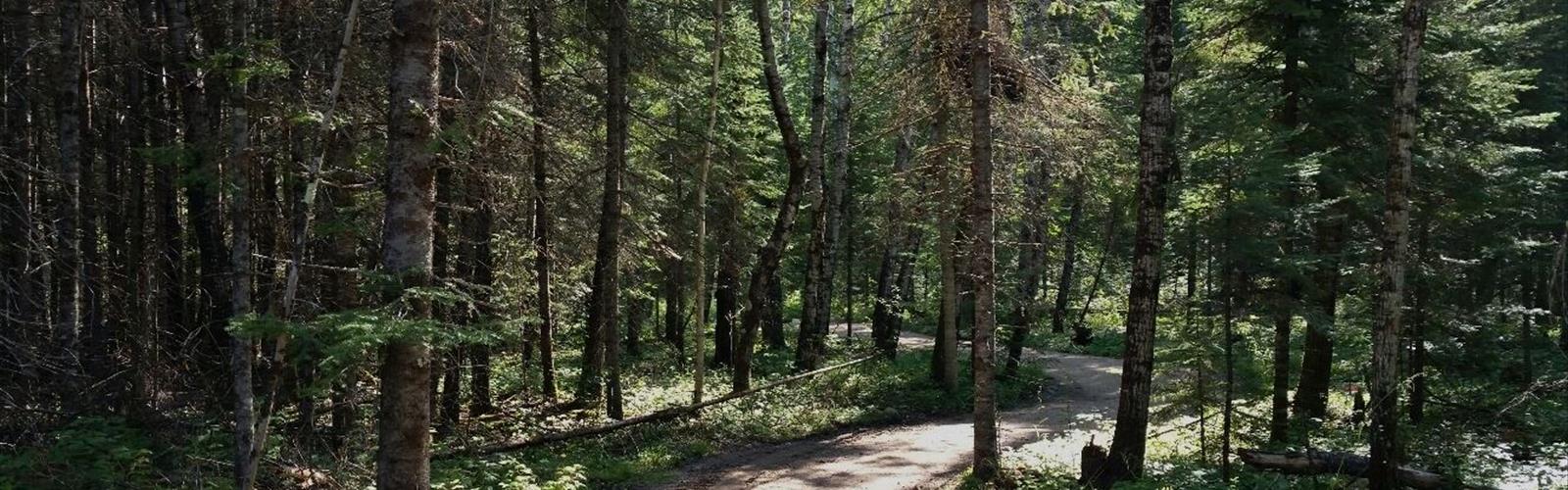
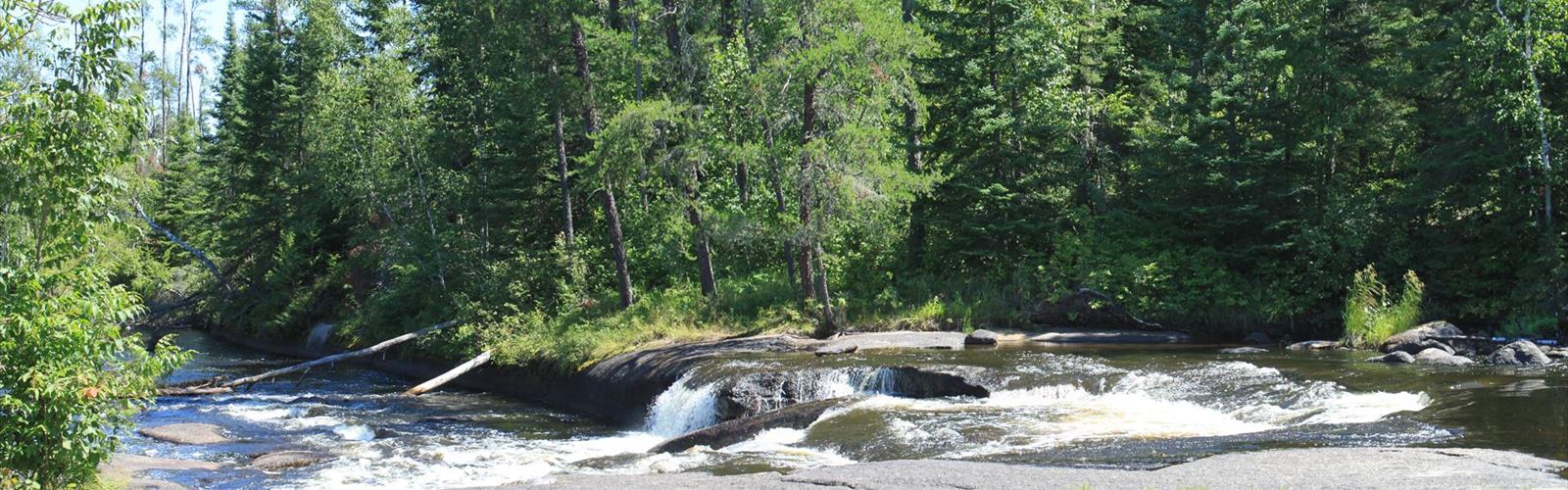
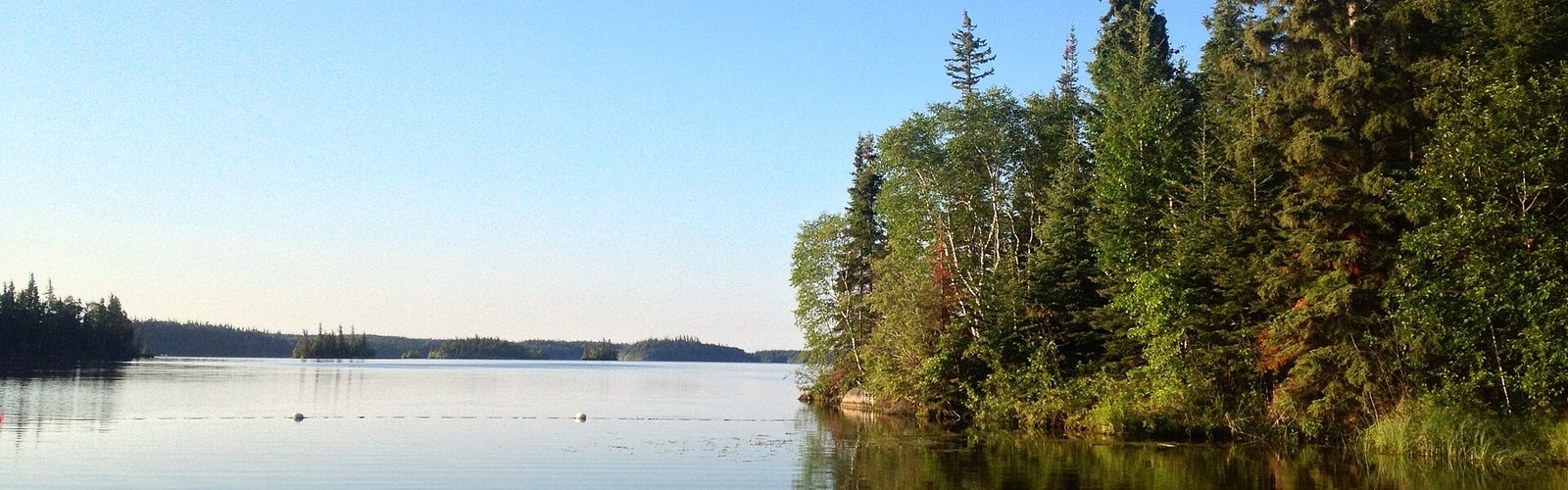
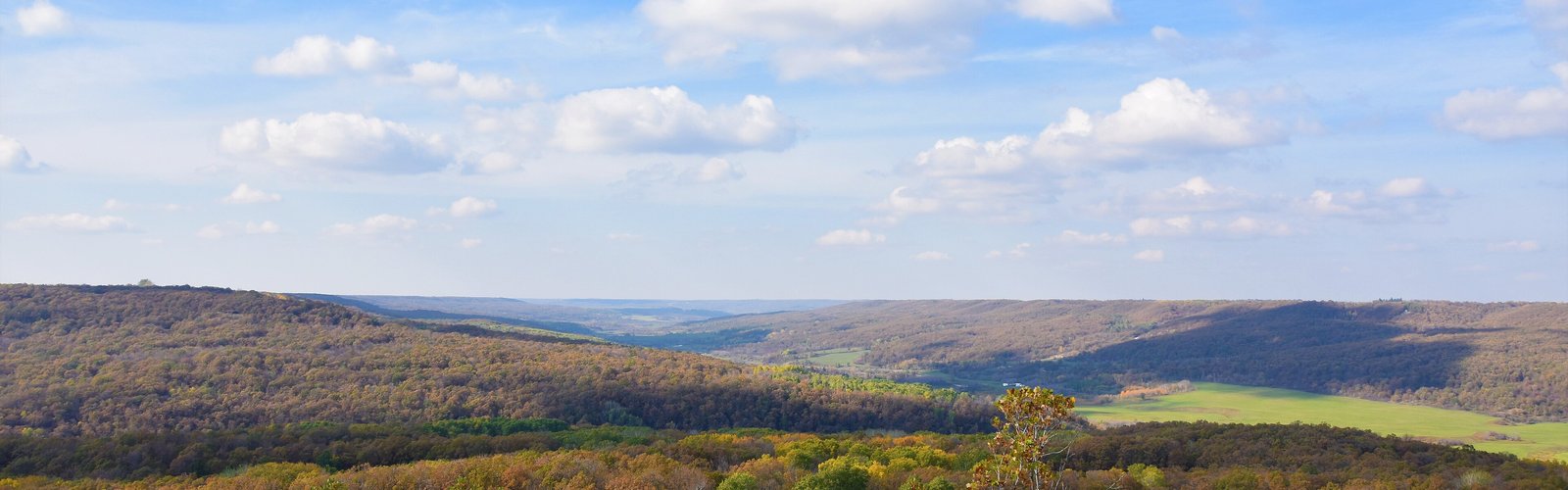
The province's hiking destinations span several distinct geographical regions, each offering unique experiences. The Whiteshell Provincial Park in southeastern Manitoba features granite outcroppings, pristine lakes, and ancient Precambrian Shield terrain. The Riding Mountain National Park showcases the Manitoba Escarpment with its mixed forests and rolling hills, while the Duck Mountain Provincial Park offers some of the province's highest elevations and most challenging terrain.
Northern Manitoba presents a completely different landscape, with the Wapusk National Park providing access to tundra environments and polar bear habitat along Hudson Bay. The Interlake region combines prairie landscapes with numerous lakes and wetlands, creating diverse ecosystems perfect for nature observation and moderate hiking.
Iconic Manitoba Trails
Signature Wilderness Experiences
The Mantario Trail stands as Manitoba's premier long-distance hiking experience, winding through 66 kilometers of pristine Whiteshell wilderness. For those seeking dramatic elevation changes, the Baldy Mountain Trail in Riding Mountain National Park offers panoramic views from the province's accessible peaks.
Family-Friendly Adventures
The Bur Oak Trail and Arrowhead Trail in Birds Hill Provincial Park provide excellent introductory hiking experiences near Winnipeg. The Tamarack Bog Trail offers unique ecosystem exploration, while the Suspension Bridge Trail in Pinawa combines moderate hiking with engineering marvels.
Trails for Every Skill Level
Manitoba's trail network accommodates hikers from beginners to seasoned adventurers. Novice hikers can explore well-maintained interpretive trails in provincial parks, featuring gentle terrain and educational signage. Intermediate hikers will find numerous day-hiking options with moderate elevation gains and varied terrain throughout the Whiteshell and Riding Mountain regions.
Advanced hikers can tackle multi-day wilderness routes, backcountry camping experiences, and challenging terrain in remote northern locations. The province's extensive canoe-hiking combinations offer unique opportunities for experienced outdoor enthusiasts seeking true wilderness immersion.
Four-Season Outdoor Paradise
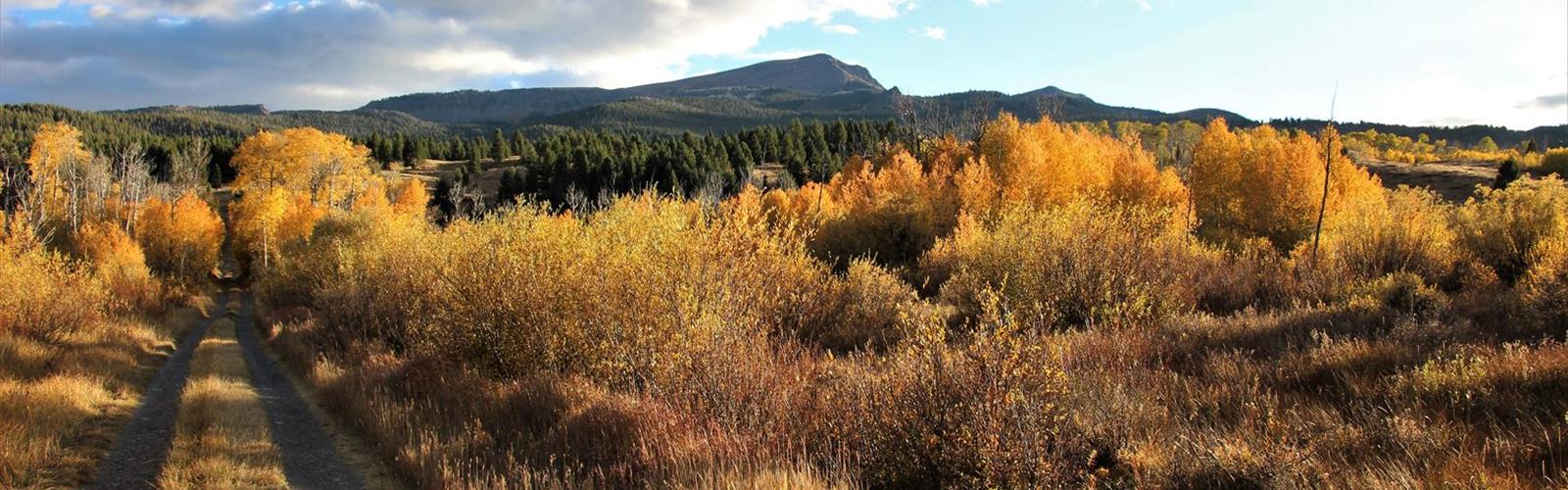
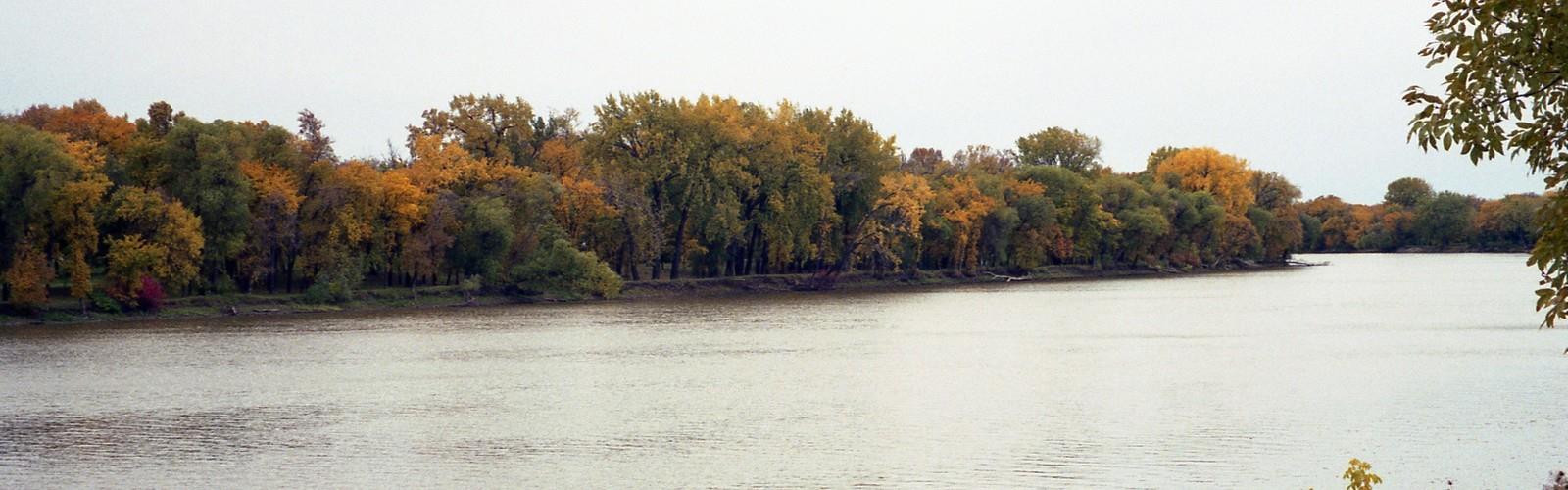
Summer hiking in Manitoba reveals lush forests, blooming wildflowers, and comfortable temperatures ideal for extended outdoor adventures. Fall transforms the landscape with spectacular autumn colors, particularly stunning in the mixed forests of Riding Mountain and Duck Mountain.
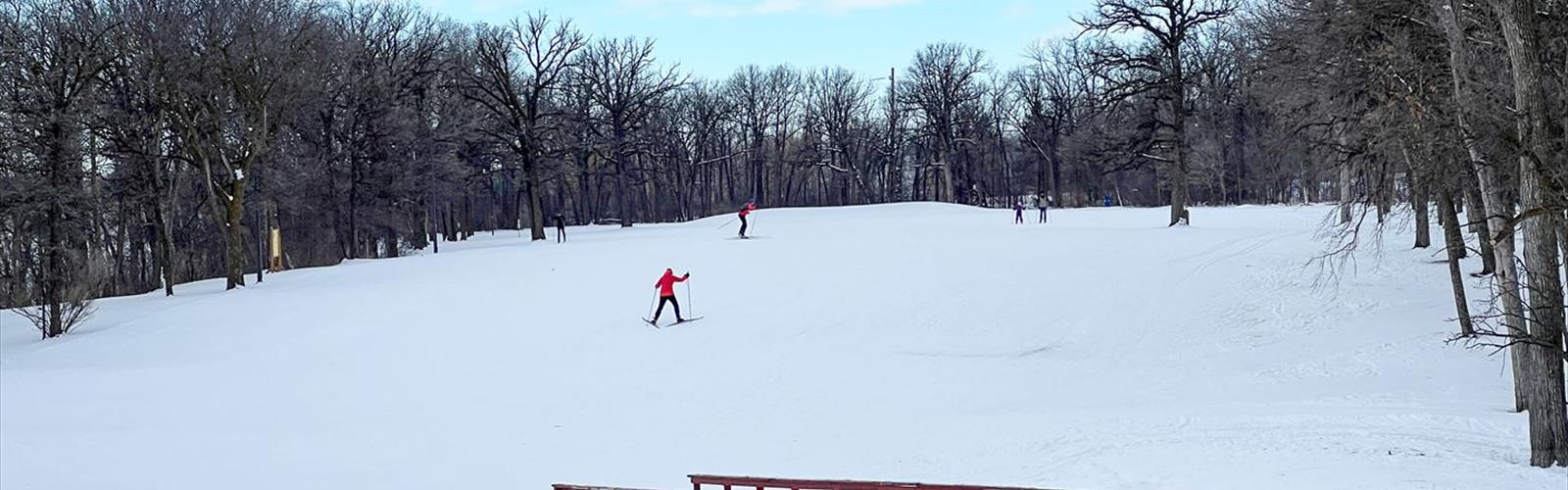
Winter activities shift to snowshoeing, cross-country skiing, and winter camping, with many summer trails remaining accessible for cold-weather exploration. Spring offers unique opportunities for wildlife viewing, including migrating birds and emerging wildflowers, though trail conditions may vary with snowmelt.
Natural Landscapes and Wildlife
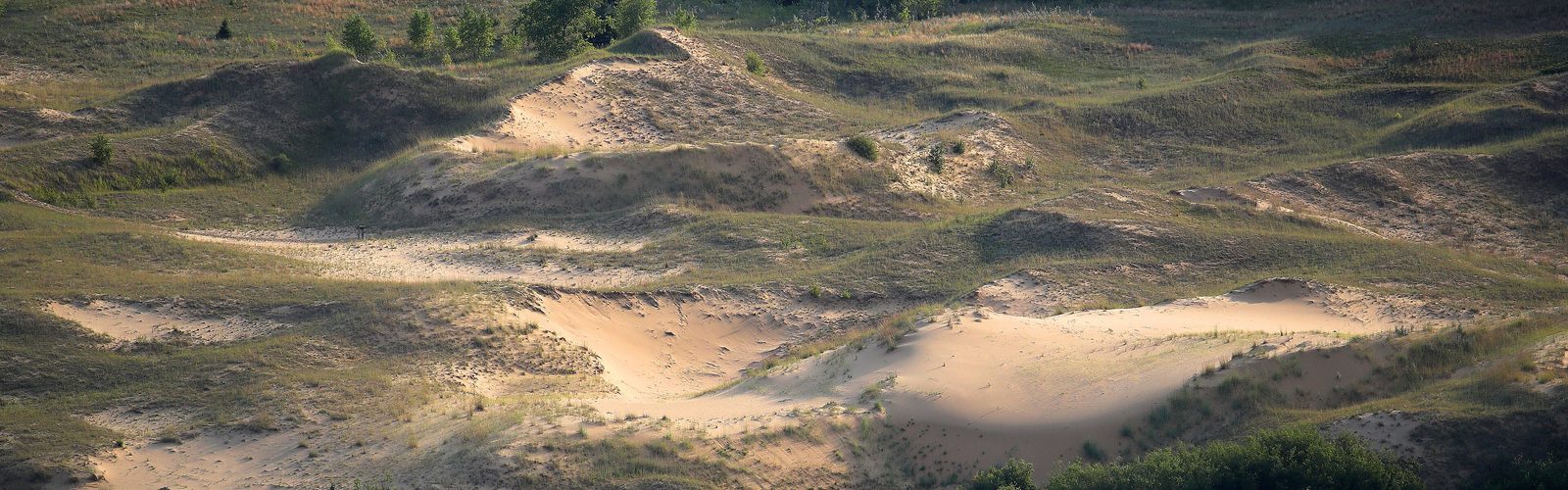
Manitoba's geography encompasses three distinct natural regions: the Precambrian Shield with its granite bedrock and countless lakes, the Interior Plains featuring prairie grasslands and agricultural areas, and the Hudson Bay Lowlands with tundra and wetland ecosystems.
The province's boreal forests support diverse wildlife including black bears, moose, wolves, and lynx. Prairie regions host elk, white-tailed deer, and numerous bird species. Northern areas provide habitat for polar bears, caribou, and arctic foxes, making Manitoba one of Canada's premier wildlife viewing destinations.
Planning Your Manitoba Adventure
The optimal hiking season runs from May through October, with July and August offering the warmest temperatures and most reliable trail conditions. Winnipeg serves as the primary gateway, providing easy access to southern provincial parks within two hours' drive.
Accommodation options range from provincial park campgrounds and backcountry camping to lodges and urban hotels. Riding Mountain National Park and numerous provincial parks offer developed facilities, while remote northern regions provide true wilderness camping experiences. Advanced planning is essential for northern destinations, with some areas requiring fly-in access or specialized guided tours.