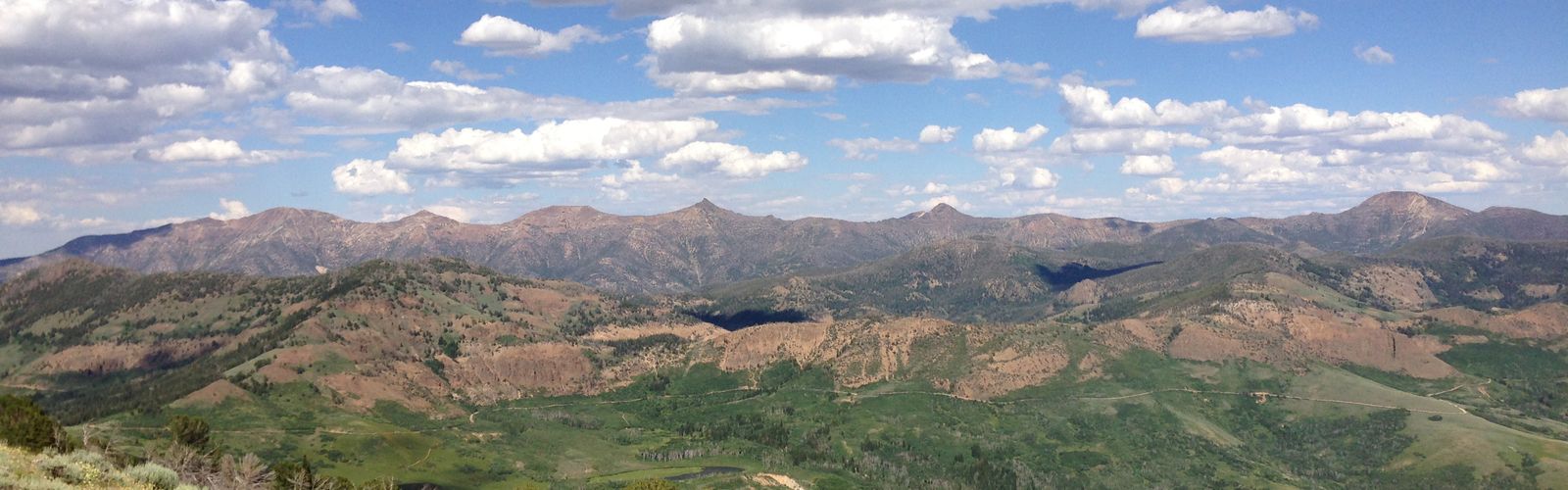
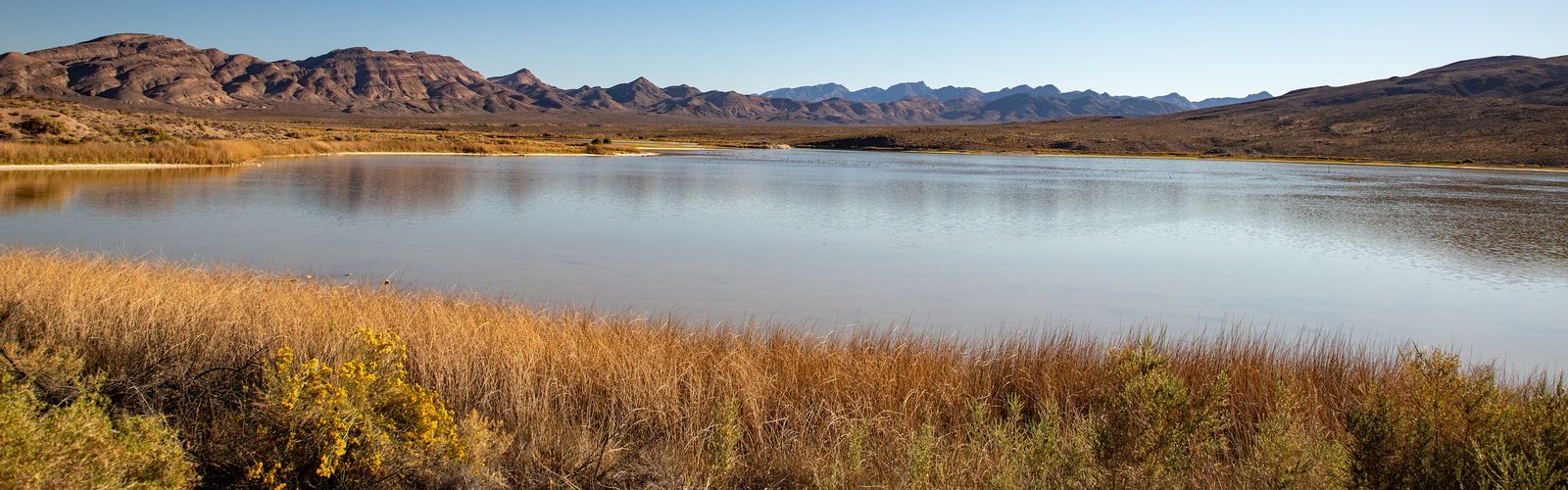
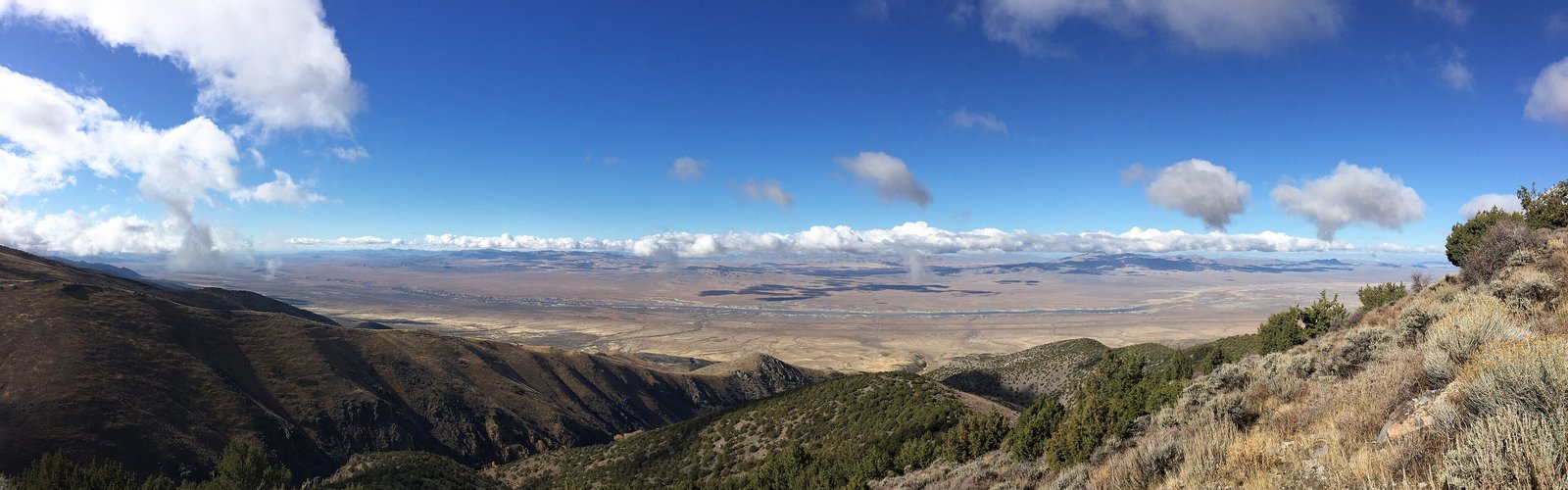
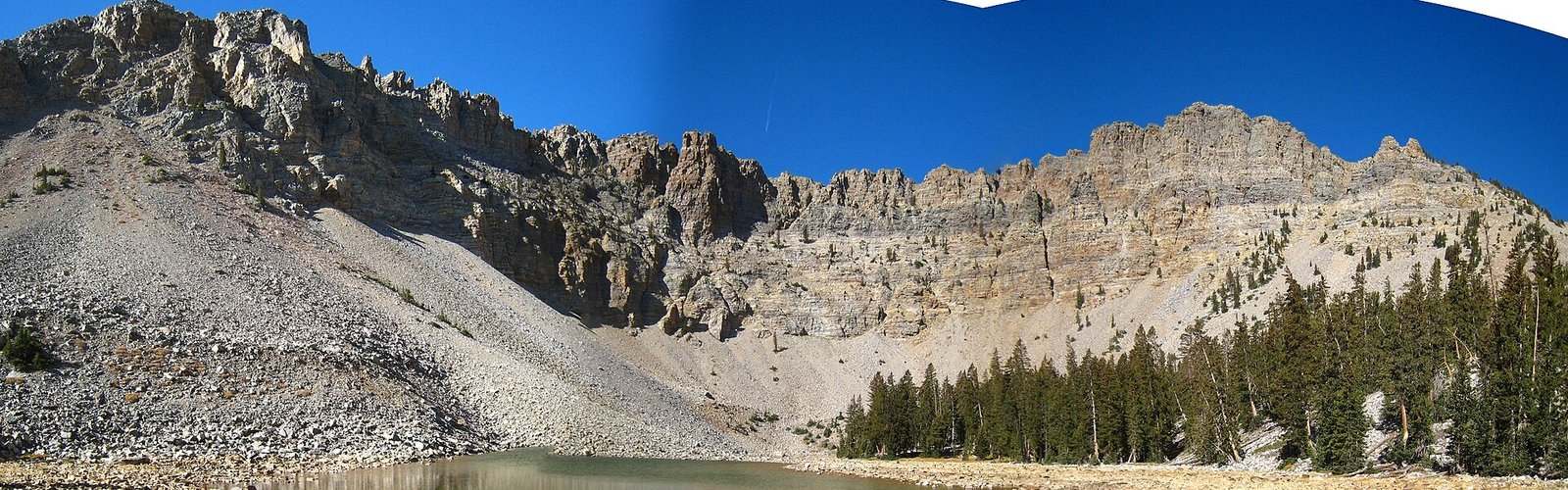
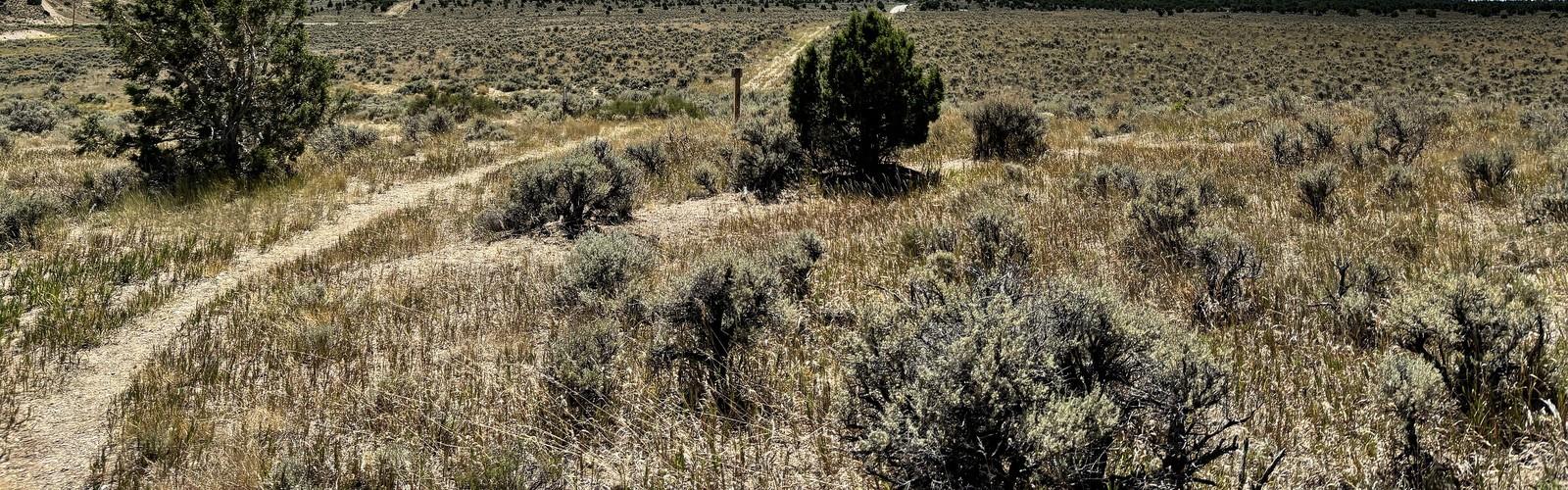
Nevada stands as one of America's most underrated hiking destinations, spanning over 110,000 square miles of diverse wilderness across the Great Basin region. From towering alpine peaks exceeding 13,000 feet to otherworldly desert landscapes, the Silver State offers an extraordinary range of outdoor adventures. Nevada's pristine wilderness areas, dramatic mountain ranges, and unique geological formations create a hiker's paradise that remains largely undiscovered by mainstream tourism.
Major Hiking Regions
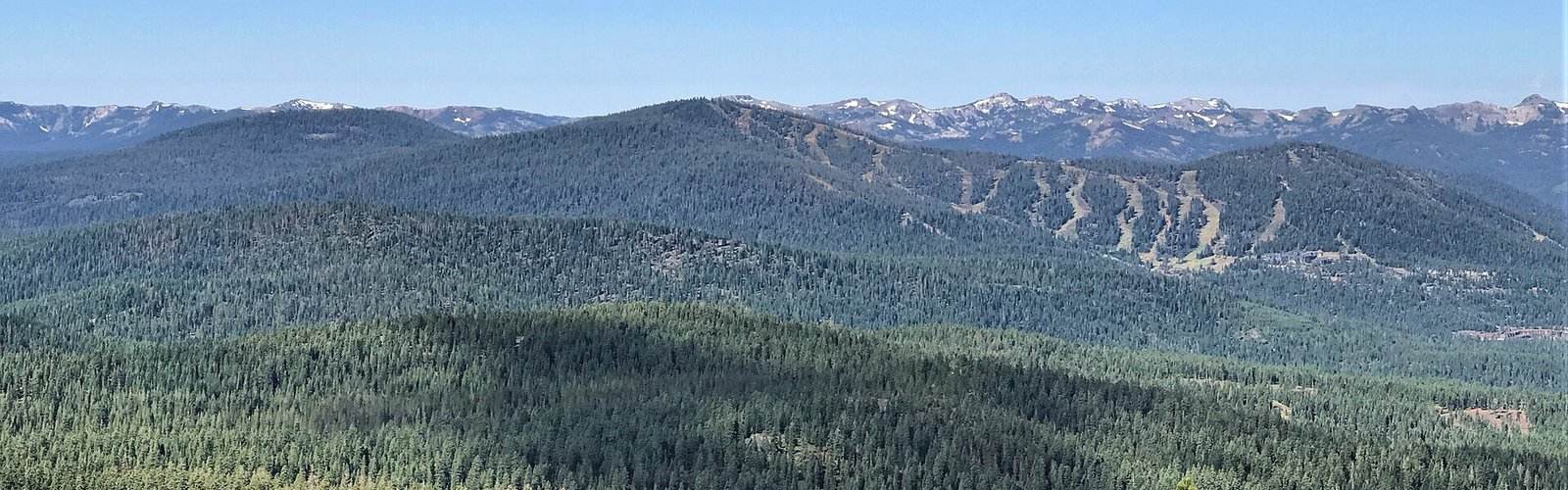
The Sierra Nevada range along Nevada's western border provides some of the state's most spectacular alpine hiking, with Lake Tahoe serving as the crown jewel. This region features granite peaks, crystal-clear alpine lakes, and dense coniferous forests that rival California's famous landscapes.
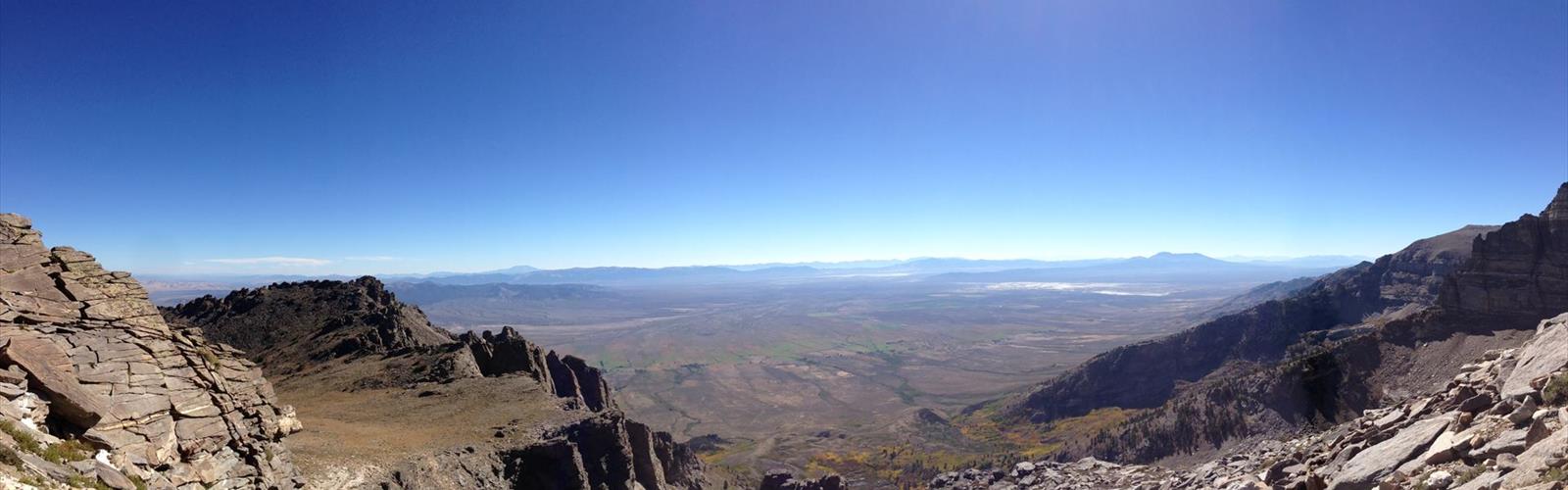
Central Nevada's Ruby Mountains, often called the "Swiss Alps of Nevada," offer dramatic glacial valleys, pristine wilderness, and some of the state's most challenging backcountry adventures. The range provides excellent opportunities for multi-day backpacking expeditions.
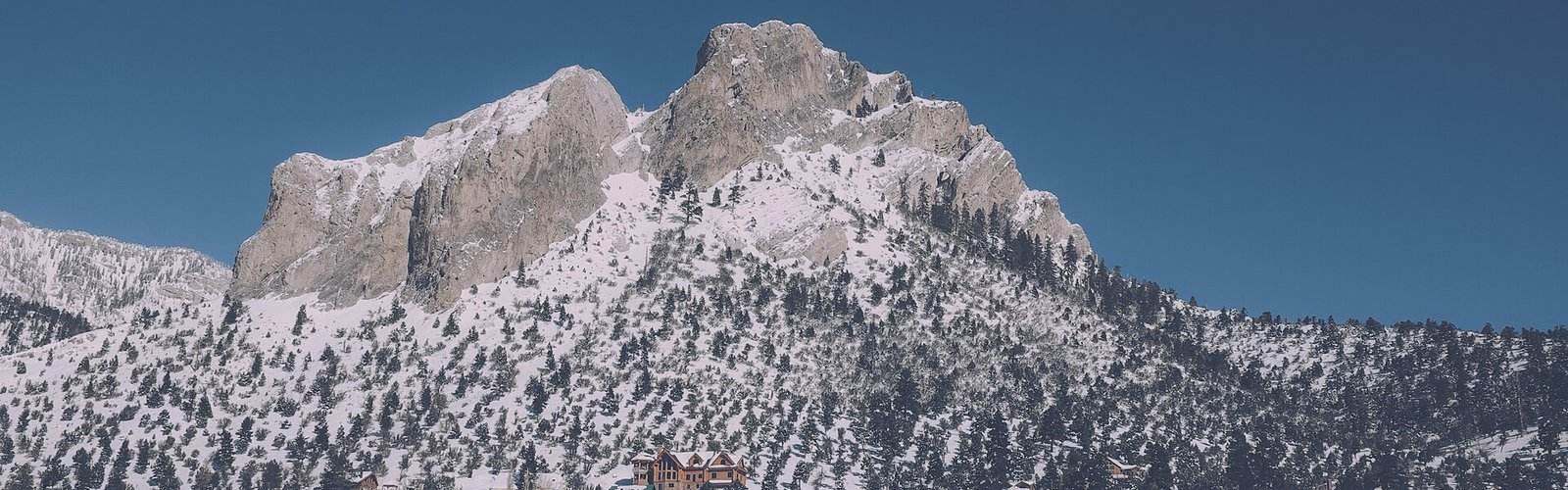
Southern Nevada showcases a completely different character with Red Rock Canyon and the Spring Mountains near Las Vegas. These areas feature stunning red sandstone formations, desert flora, and surprising diversity in elevation and climate zones.
Iconic Nevada Trails
Alpine Adventures
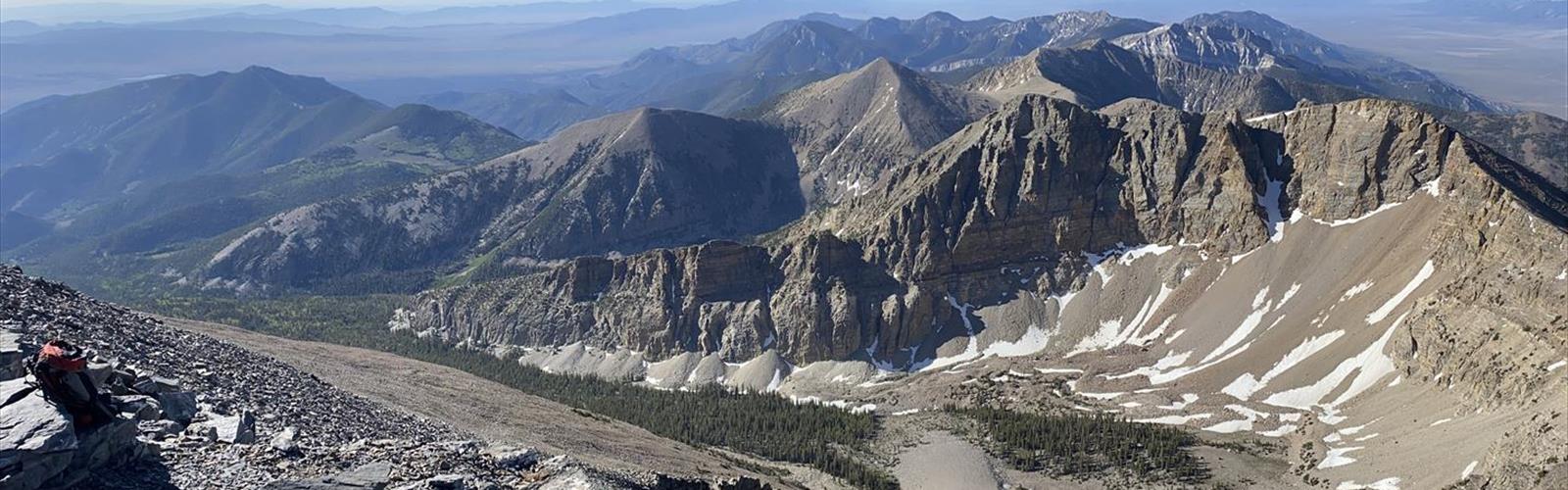
The Mount Charleston Trail challenges hikers with Nevada's highest peak experience, while Tahoe Rim Trail segments offer world-class lake views and granite dome formations. Ruby Crest Trail provides an epic multi-day journey through Nevada's most pristine wilderness.
Desert Discoveries
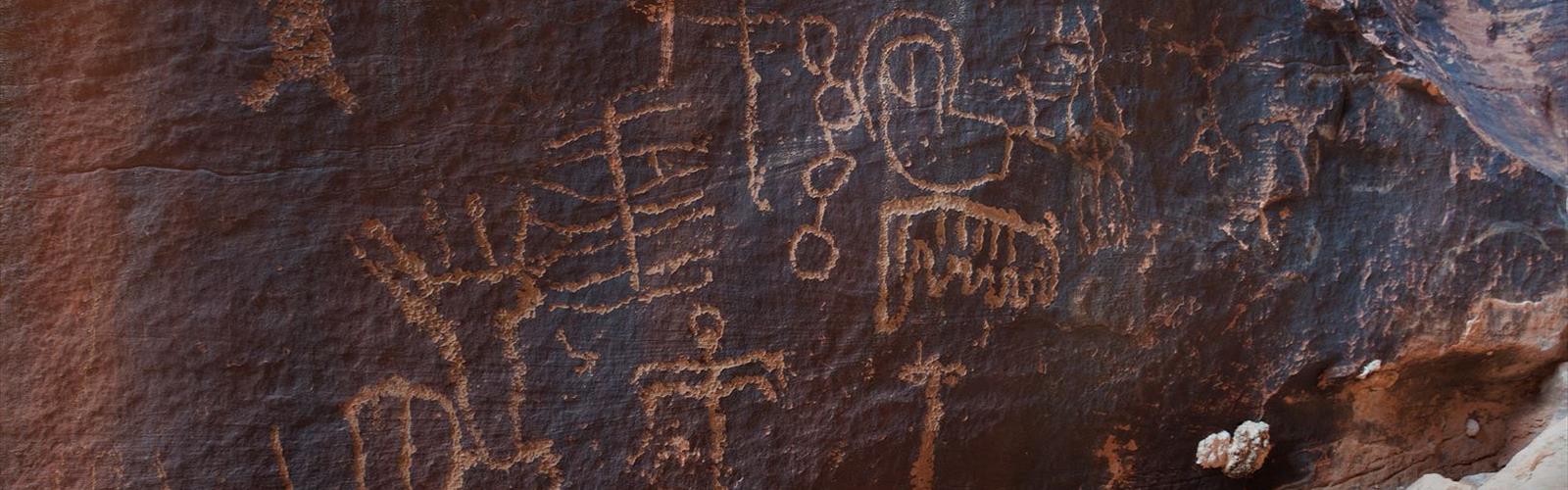
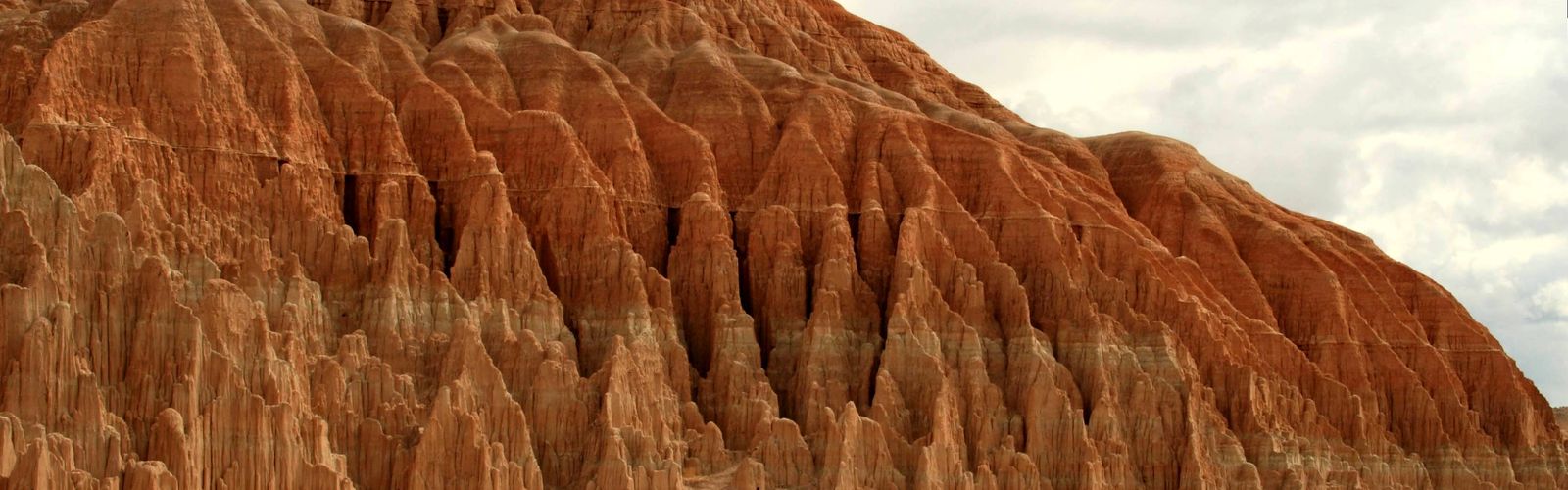
Red Rock Canyon's Calico Tanks Trail showcases unique geological formations and natural water features. Fire Wave Trail in Valley of Fire State Park leads to some of Nevada's most photographed rock formations. Keyhole Canyon offers an accessible introduction to Nevada's slot canyon hiking.
Trails for Every Skill Level
Nevada's hiking diversity accommodates all experience levels. Beginner-friendly trails around Lake Tahoe and Red Rock Canyon provide stunning scenery with moderate effort. Intermediate hikers can explore the numerous peaks in the Spring Mountains or venture into the Ruby Mountains' lower elevations. Expert adventurers will find challenging high-altitude routes, technical scrambles, and remote wilderness areas that test navigation and backcountry skills.
Desert hiking requires different skills than alpine adventures, making Nevada an excellent place to develop diverse outdoor competencies throughout the year.
Four-Season Outdoor Activities
Nevada's varied elevations create distinct seasonal opportunities. Spring and fall provide ideal conditions for desert hiking, with comfortable temperatures and wildflower displays in lower elevations. Summer shifts focus to high-altitude adventures in the Sierra Nevada and Ruby Mountains, where snow-free trails offer relief from desert heat.
Winter transforms Nevada into a snowshoeing and cross-country skiing destination, particularly around Lake Tahoe and Mount Charleston. The state's clear, dry air creates excellent conditions for winter photography and stargazing.
Natural Wonders and Wildlife
Nevada's geography encompasses dramatic elevation changes from 470 feet at the Colorado River to over 13,000 feet in the White Mountains. This diversity supports ecosystems ranging from Mojave Desert scrublands to alpine tundra. Hikers may encounter desert bighorn sheep, wild horses, golden eagles, and even mountain goats in higher elevations.
The state's geological features include ancient bristlecone pines, natural hot springs, slot canyons, and unique rock formations created by millions of years of volcanic and erosional activity.
Planning Your Nevada Adventure
The best hiking seasons vary by region: desert areas shine from October through April, while high-altitude trails are typically accessible from June through September. Las Vegas and Reno provide major airport access, with rental cars essential for reaching trailheads.
Accommodation options range from luxury resorts in Lake Tahoe and Las Vegas to rustic camping in numerous state parks and national forest campgrounds. Great Basin National Park offers a complete wilderness experience, while Lake Tahoe Nevada State Park provides developed facilities with spectacular scenery.
Water availability is crucial for Nevada hiking - always carry more than expected and research reliable water sources for longer adventures.