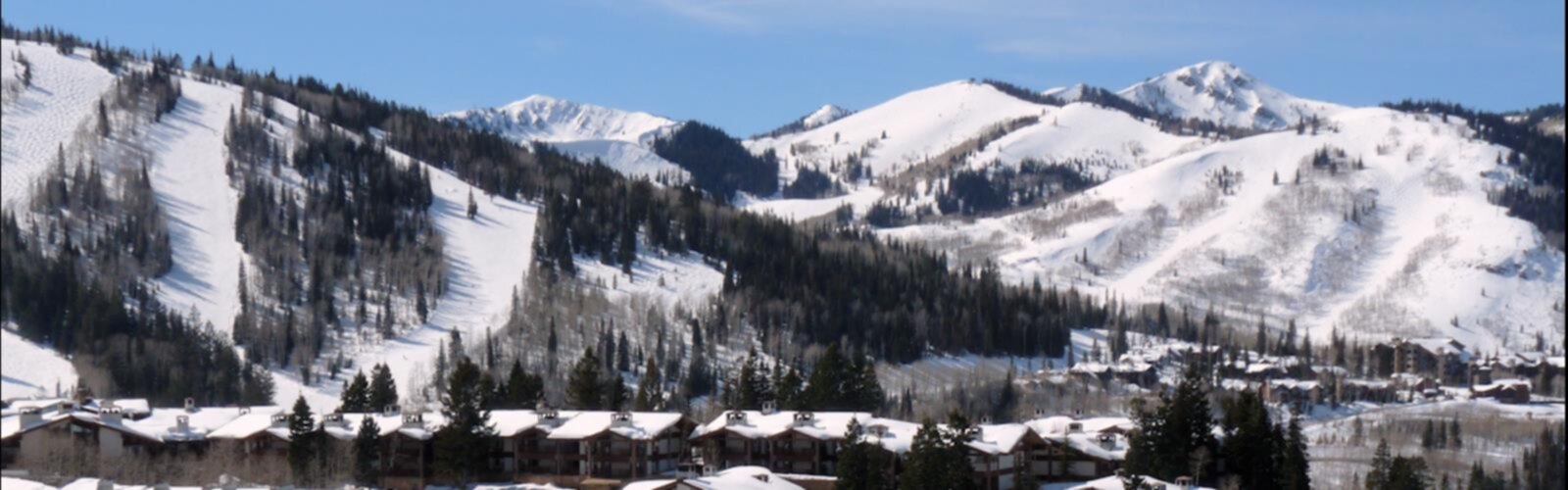
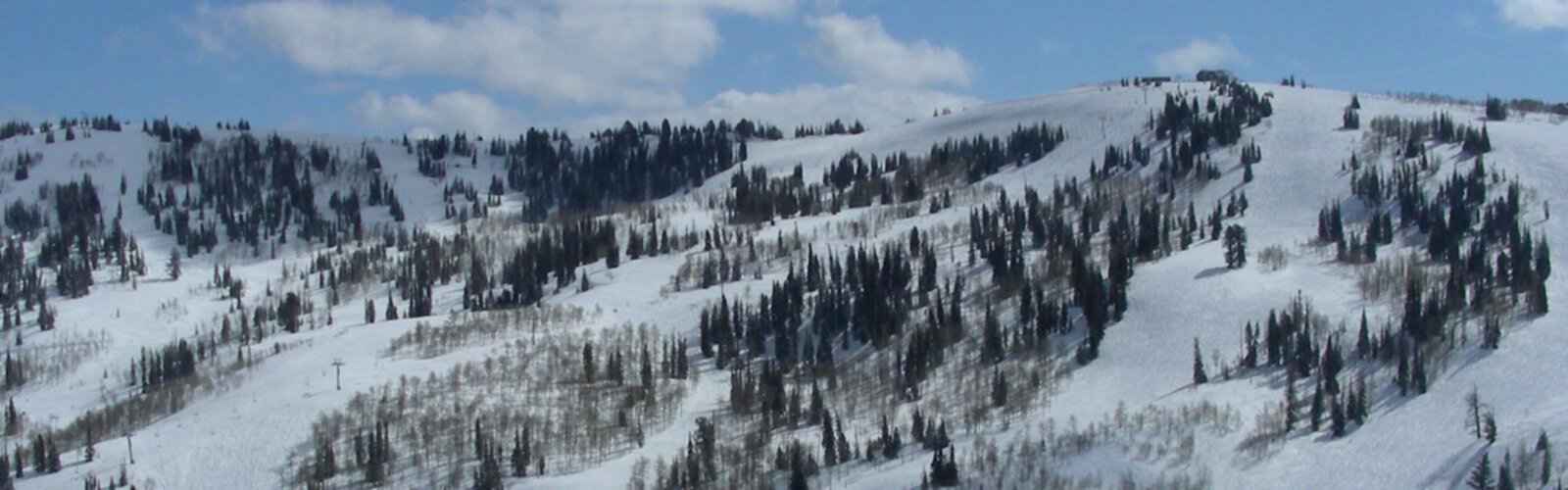
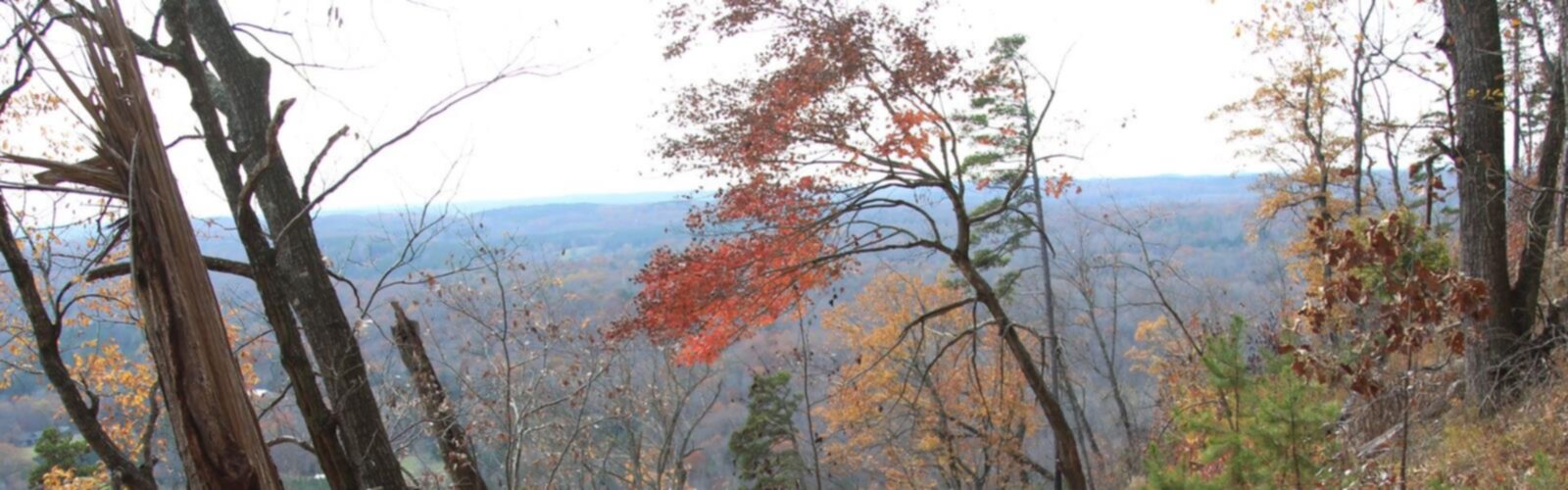
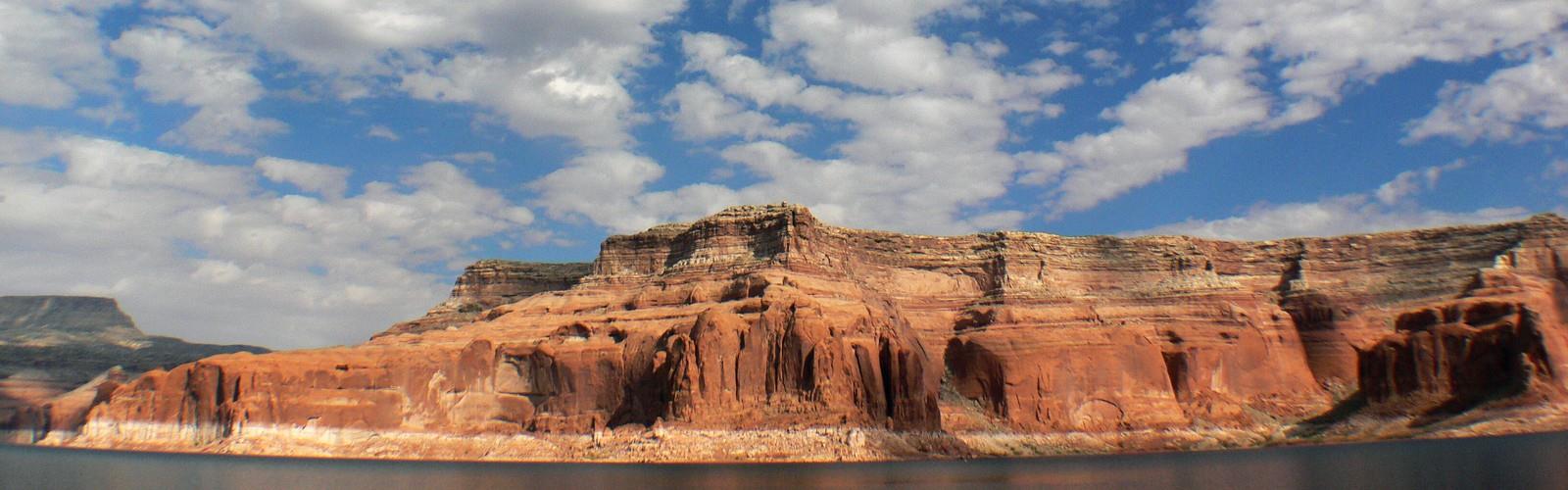
Utah stands as one of North America's premier hiking destinations, encompassing 84,899 square miles of diverse and breathtaking landscapes. From the iconic red rock formations of its five national parks to the snow-capped peaks of the Wasatch Range, Utah offers an unparalleled variety of outdoor adventures. This remarkable state combines desert canyons, alpine meadows, and pristine wilderness areas to create a hiker's paradise that attracts millions of outdoor enthusiasts annually.
Major Hiking Regions
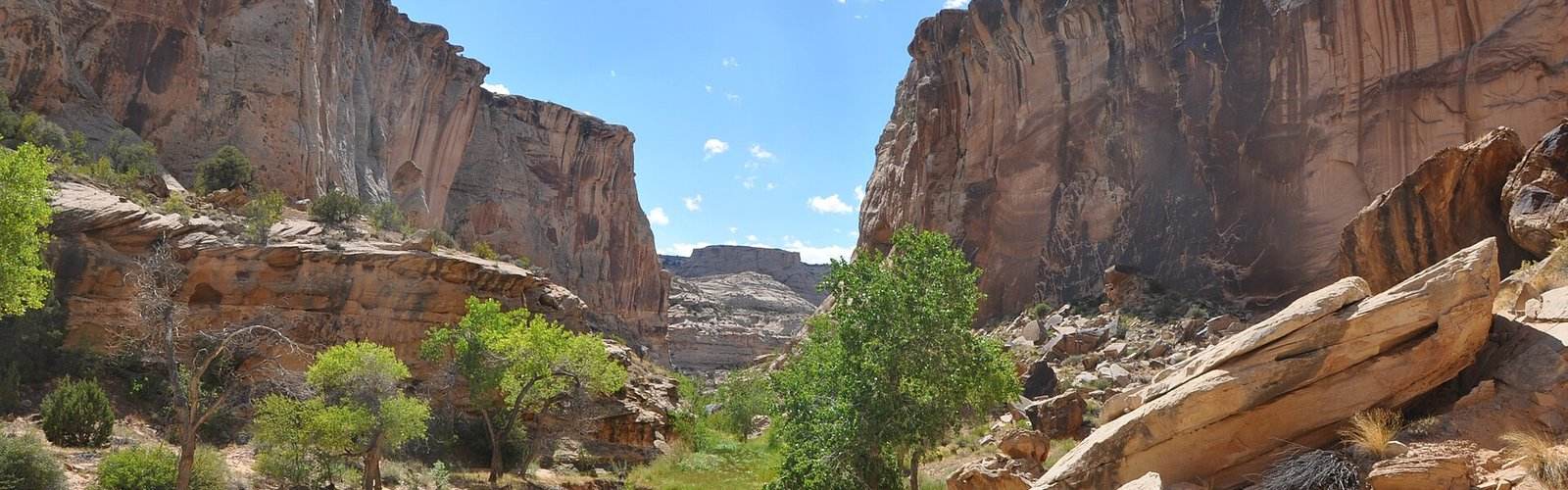
Utah's hiking opportunities span across distinct geographical regions, each offering unique experiences. Southern Utah features the famous "Big Five" national parks - Zion, Bryce Canyon, Capitol Reef, Arches, and Canyonlands - where red sandstone formations create dramatic hiking terrain. The Wasatch Mountains near Salt Lake City provide alpine hiking with over 11,000-foot peaks and pristine mountain lakes. Northern Utah encompasses the Bear River Range and Logan Canyon, offering cooler temperatures and lush forest trails. The Uinta Mountains in northeastern Utah contain the state's highest peaks and most extensive wilderness areas, while Central Utah features the unique landscapes of the San Rafael Swell and Fishlake National Forest.
Iconic Utah Hiking Trails
Desert and Canyon Adventures
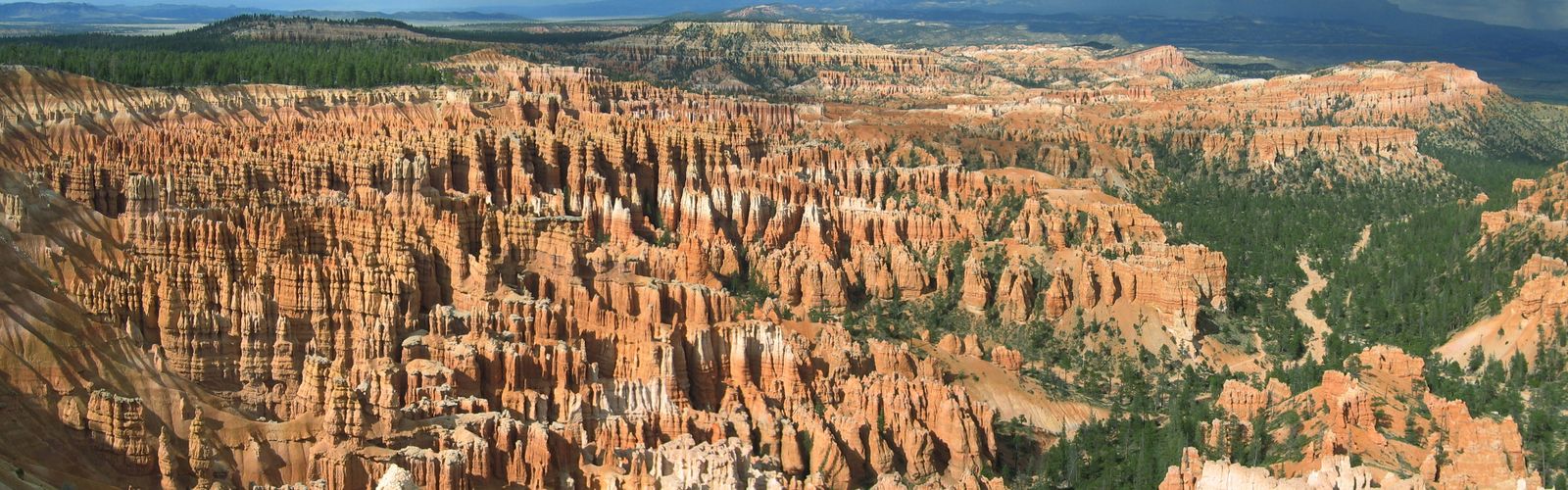
The Angels Landing Trail in Zion National Park ranks among America's most thrilling hikes, featuring chains and narrow ridges with spectacular valley views. Delicate Arch Trail in Arches National Park leads to Utah's most famous natural landmark, while the Navajo Loop and Queen's Garden Trail in Bryce Canyon showcases the park's distinctive hoodoo formations.
Mountain and Alpine Routes
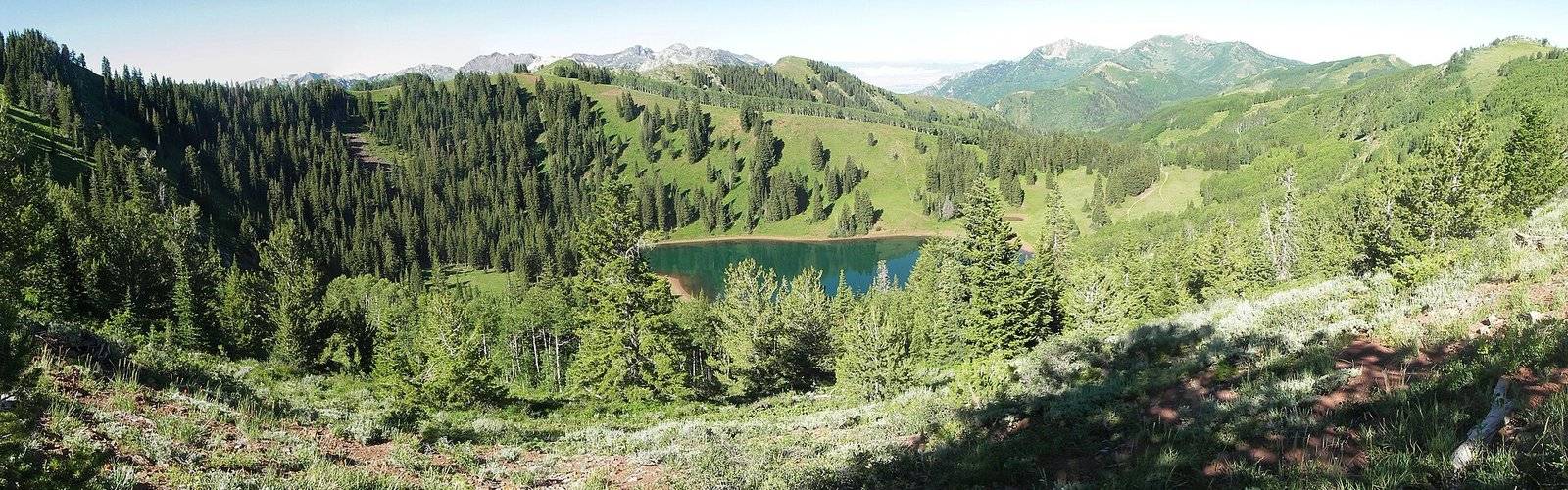
The Mount Timpanogos Trail challenges hikers with an 11,752-foot summit and stunning Wasatch Range panoramas. Emerald Lake Trail offers a more moderate mountain experience with pristine alpine scenery, and the Cascade Springs Trail provides an accessible nature walk through unique geological formations.
Trails for Every Skill Level
Utah's hiking network accommodates all experience levels, from family-friendly nature walks to technical mountaineering routes. Beginner hikers can enjoy paved trails like the Riverside Walk in Zion or the easy stroll to Corona Arch. Intermediate adventurers will find countless options in the Wasatch foothills and moderate canyon hikes throughout the state's national parks. Expert hikers can tackle challenging peaks like Kings Peak, Utah's highest summit at 13,534 feet, or technical slot canyon routes that require specialized skills and equipment.
Four-Season Outdoor Activities
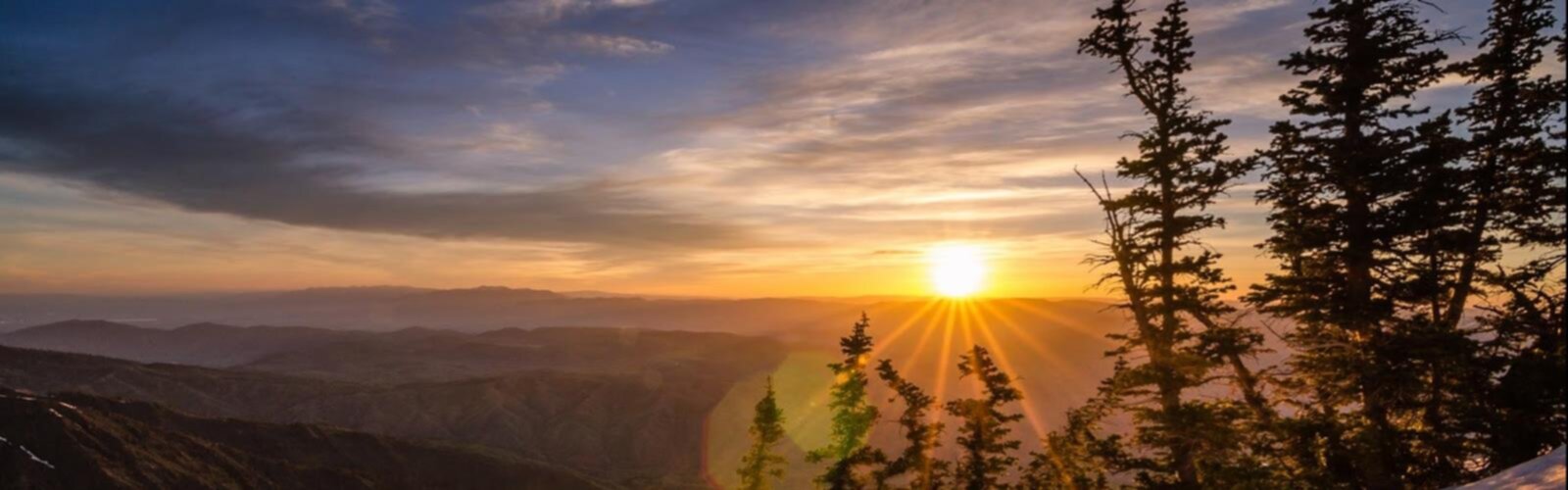
Utah's diverse elevations create year-round hiking opportunities. Spring and fall offer ideal conditions in the desert regions, with comfortable temperatures and stunning wildflower displays or autumn colors. Summer opens high-elevation trails in the Wasatch and Uinta Mountains, providing escape from desert heat with alpine lakes and meadows. Winter hiking remains popular in southern Utah's lower elevations, while northern mountains transform into snowshoeing and winter mountaineering destinations. Many trails offer additional activities including rock climbing, canyoneering, photography, and wildlife observation throughout the seasons.
Utah's Natural Diversity
The state's remarkable geography encompasses five distinct life zones, from desert lowlands at 2,000 feet to alpine peaks exceeding 13,000 feet. Red rock country features sandstone formations, slot canyons, and unique desert ecosystems supporting diverse plant and animal life. Mountain regions contain extensive forests of aspen, pine, and fir, along with pristine lakes and streams. Wildlife enthusiasts may encounter mule deer, elk, mountain goats, black bears, and over 400 bird species. Utah's geology tells a fascinating story through exposed rock layers spanning millions of years, creating educational opportunities alongside recreational adventures.
Planning Your Utah Hiking Adventure
The optimal hiking season varies by region and elevation. April through October provides the best weather for most trails, though high-elevation routes may remain snow-covered until July. Southern Utah offers excellent winter hiking from November through March. Major airports in Salt Lake City and Las Vegas provide convenient access, with most hiking areas within a few hours' drive. Accommodation options range from developed campgrounds in national parks to backcountry camping permits for wilderness areas. Utah's five national parks, numerous state parks, and extensive national forest lands ensure abundant public access to world-class hiking experiences.