


Ready to explore Cheakamus Lake? Here's everything you need to know before you go!
Discover the trail


Available trails
| TrailTrails | Dist.Distance | GainElevation | TimeDuration | Difficulty | GPX |
|---|---|---|---|---|---|
|
|
5.46 km | 687 m | 2h30 | GPX |
GPX track: © OpenStreetMap contributors — ODbL 1.0
Trail description
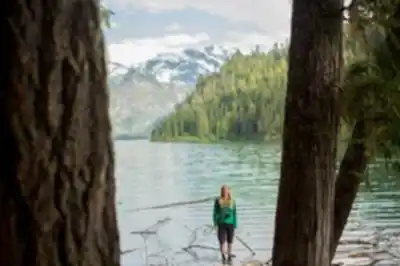
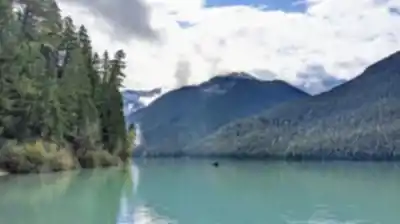
Cheakamus Lake sits quietly in the Vancouver Coast Mountains, offering one of the most accessible wilderness experiences near Whistler. This pristine alpine lake draws hikers who want genuine mountain scenery without the punishing climbs that characterize many Coast Mountain destinations. The trail delivers exactly what it promises: a peaceful walk through magnificent old-growth forest leading to a stunning glacial lake surrounded by snow-capped peaks.
The Trail Experience
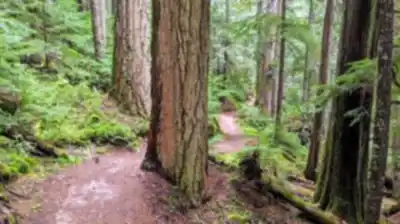
The trail to Cheakamus Lake follows an old logging road for much of its length, creating a wide, well-maintained path that families and casual hikers can navigate comfortably. The route stays relatively flat with only gentle inclines throughout, making it an ideal introduction to Coast Mountain hiking for those more familiar with urban trails.
You'll start your hike surrounded by some of the most impressive old-growth forest remaining in the Sea-to-Sky corridor. Towering Douglas firs and massive western red cedars, some centuries old, create a cathedral-like canopy overhead. The forest floor stays cool and damp even on warm summer days, supporting a rich understory of ferns, moss, and native shrubs that give the woods an almost primeval feeling.
As you walk deeper into the forest, the constant sound of rushing water accompanies your steps. Several creeks and tributaries cross or parallel the trail, fed by snowmelt and mountain springs. These water sources not only provide a soothing soundtrack but also create small clearings where you can catch glimpses of the surrounding peaks through the forest canopy.
The trail's gentle grade means you can focus on the details around you rather than struggling with steep climbs. Look for the massive stumps scattered throughout the forest—remnants of the logging era that remind you just how enormous these coastal trees can grow. The contrast between these old stumps and the mature second-growth forest creates a living lesson in forest regeneration.
Arriving at the Lake
Cheakamus Lake reveals itself gradually as you approach the final stretch. The forest begins to thin, and you'll catch tantalizing glimpses of blue water through the trees before the full lake comes into view. The moment you step out of the forest onto the lake's shore, the scenery transforms completely from intimate woodland to expansive mountain vista.
The lake's crystal-clear waters reflect the surrounding peaks with mirror-like precision on calm days, creating those postcard-perfect scenes that make the Coast Mountains famous. Snow-capped summits ring the lake, their white peaks contrasting sharply with the deep blue water and dark green forest. The lake sits in a natural bowl carved by ancient glaciers, and you can still see evidence of this glacial activity in the smooth rock faces and U-shaped valley walls.
Several informal trails lead around the lake's perimeter, allowing you to explore different viewpoints and find your perfect spot for rest or photography. The shoreline varies from sandy beaches perfect for picnicking to rocky outcrops ideal for taking in the full panorama. On warm days, the lake's refreshing waters invite a quick toe-dip, though the glacial origins keep temperatures brisk even in summer.
Wildlife and Natural Features
Cheakamus Lake and its surrounding forest support diverse wildlife populations that hikers encounter regularly. Black bears frequent the area, particularly during berry season, so proper food storage and bear awareness remain essential. Deer often graze in the meadows near the lake, especially during early morning and evening hours when they feel most secure.
The lake and surrounding wetlands attract numerous bird species throughout the year. Loons call across the water during summer months, while various waterfowl use the lake as a stopover during migration. The old-growth forest hosts woodpeckers, including the impressive pileated woodpecker, whose drumming echoes through the trees. Smaller songbirds fill the understory, creating a constant backdrop of natural sound.
The pristine environment around Cheakamus Lake showcases the Coast Mountains' ecological richness. The combination of old-growth forest, alpine lake, and surrounding peaks creates multiple habitat zones within a relatively small area, supporting this diversity of plant and animal life.
What Makes This Trail Special
This hike stands out in the Vancouver Coast Mountains for its perfect balance of accessibility and wilderness experience. While many alpine lakes in the region require challenging climbs and technical terrain, Cheakamus Lake offers that same pristine mountain environment with a trail that welcomes hikers of all skill levels. The old logging road foundation means you won't need to navigate root-tangled single track or scramble over boulders, yet you still get the full Coast Mountain experience.
The quality of the old-growth forest along this trail rivals any in the region. These ancient trees survived the logging era and now stand as monuments to what the entire coastal forest once looked like. Walking among these giants gives you a sense of the true scale and age of the coastal ecosystem that's hard to find elsewhere so close to major population centers.
Planning Your Visit
The trailhead sits just a short drive from Whistler, making Cheakamus Lake an ideal day trip for those staying in the resort town or driving up from Vancouver. This accessibility, combined with the trail's moderate difficulty, makes it one of the most popular family-friendly hikes in the region.
Sturdy hiking boots provide the best footing on the sometimes muddy trail, especially during spring snowmelt or after rain. The forest canopy keeps much of the trail shaded and damp, so waterproof footwear makes the experience more comfortable. Pack plenty of water and snacks, as the round trip takes most hikers several hours depending on how much time you spend exploring the lake.
A camera becomes essential equipment for this hike—the combination of old-growth forest and alpine scenery provides endless photographic opportunities. The lake's reflective surface works best for photography during calm morning or evening hours when wind doesn't disturb the water's surface.
The trail remains accessible from late spring through fall, with the best conditions typically occurring from June through October. Early season hikers may encounter snow patches near the lake, while late fall brings spectacular autumn colors to the deciduous trees and understory plants. Winter access requires snowshoes or cross-country skis, transforming the hike into a completely different but equally rewarding experience.
Remember to follow Leave No Trace principles throughout your visit, packing out all trash and staying on designated trails to protect the fragile alpine environment. This pristine setting depends on every visitor's commitment to preservation, ensuring that future generations can experience the same unspoiled beauty that makes Cheakamus Lake such a special destination in the Vancouver Coast Mountains.
Recommended gear for this trail
As an Amazon Associate I earn from qualifying purchases.


Ready to go?
Everything you need to know before you goStarting Point
The start of the trails at the cheakamus lake can be accessed by driving south from Whistler Village on Highway 99 for approximately 10 kilometers. The trailhead is located on the east side of the highway and is well marked with a sign.
When?
How much?
As an Amazon Associate I earn from qualifying purchases.
Affiliate links — LGPO may earn a commission at no extra cost to you.
- Hiking shoes Essential
- → Salomon Elixir Tour Mid WP · 203.38 $
- Layered clothing Essential
- Rain jacket Essential
- Trekking poles
- → Black Diamond Trail Ergo Cork · 69.99 $
- Headlamp
- → Petzl Actik Core 625 · 103.95 $
FAQ - Frequently asked questions
Everything you need to know
25 hikes under 2 hours from Montreal
Distance, elevation, parking and season for each one. The ones we go back to ourselves.
Get the guideSimilar hikes nearby
Discover other trails you might enjoy
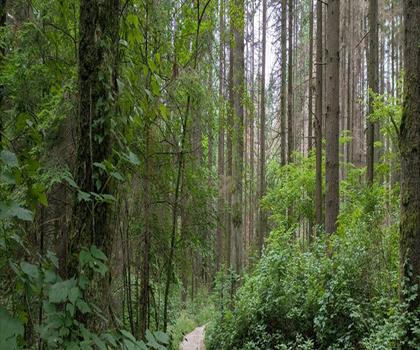
Bridle Path
Vancouver Coast Mountains
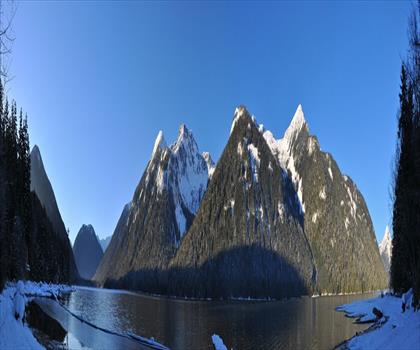
Flora Lake
Vancouver Coast Mountains

Alouette Mountain
Vancouver Coast Mountains
Williamson Lake
Vancouver Coast Mountains
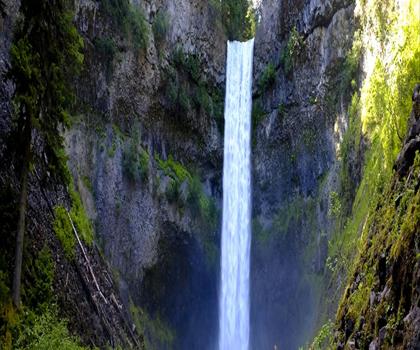
Brandywine Mountain
Vancouver Coast Mountains

Coliseum Mountain
Vancouver Coast Mountains
Hiking near Whistler
160 trails to explore ~12 km away
We work hard to provide the most up-to-date and error-free data possible. If something seems incorrect, let us know! Your contribution helps the whole community.
Hikers' opinions
Be the first to review!
No hiker has shared their experience yet. Share your impressions and help other hikers!