
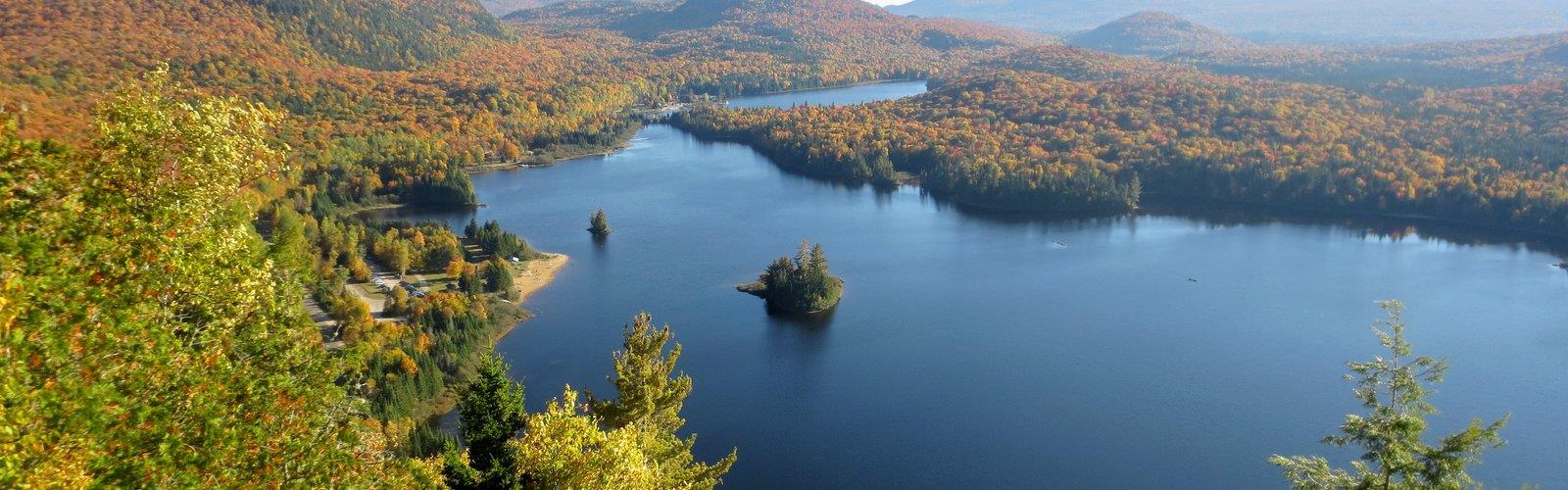

Ready to explore Parc National Du Mont-tremblant? Here's everything you need to know before you go!
Discover the trail
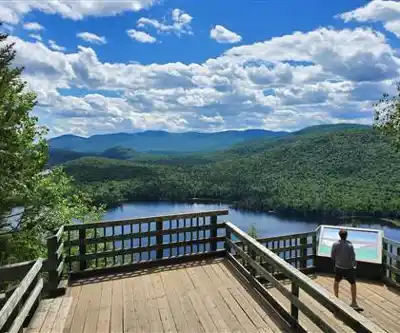
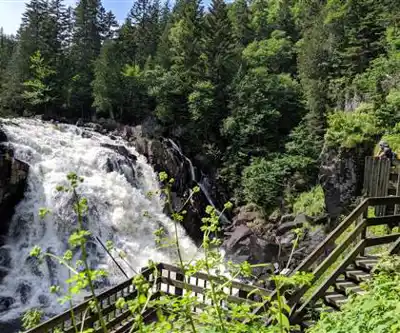
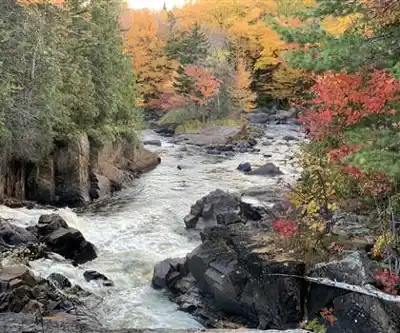
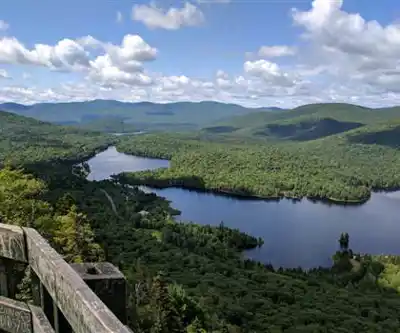
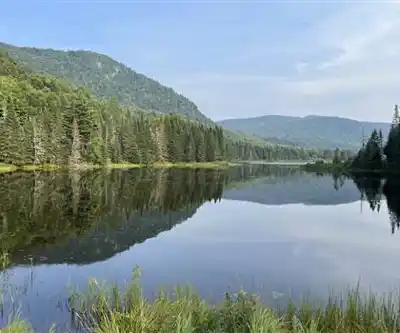
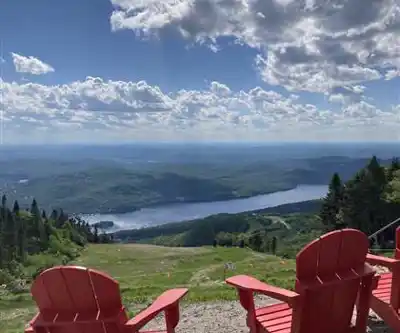
Photos: Kuiyan Xu — Google Maps (Google Maps) Ashudeep Singh — Google Maps (Google Maps) Hani El rakaawi — Google Maps (Google Maps) Guillaume Gingras — Google Maps (Google Maps) Denis Laviolette — Google Maps (Google Maps) Yifei Yang — Google Maps (Google Maps)
Available trails
| TrailTrails | Dist.Distance | GainElevation | TimeDuration | Difficulty | GPX |
|---|---|---|---|---|---|
|
Beginner
|
2.5 km | — | 33min | Beginner | |
|
Beginner
|
6.5 km | — | 1h30 | Beginner | |
|
Beginner
|
2.7 km | — | 36min | Beginner | |
|
Beginner
|
3 km | — | 40min | Beginner | |
|
Beginner
|
5 km | — | 1h | Beginner | |
|
Intermediate
|
4.1 km | 180 m | 1h30 | Intermediate | |
|
Intermediate
|
1.6 km | 80 m | 29min | Intermediate | |
|
Intermediate
|
4.4 km | — | 59min | Intermediate | |
|
Intermediate
|
3.3 km | — | 44min | Intermediate | |
|
Intermediate
|
2.62 km | 220 m | 55min | Intermediate | GPX |
|
Advanced
|
5.5 km | 185 m | 1h30 | Advanced | |
|
Advanced
|
9.2 km | 400 m | 3h | Advanced | |
|
Advanced
|
7.5 km | 400 m | 2h30 | Advanced |
GPX track: Sépaq (Données Québec) — CC BY 4.0
Trail description
Mont Tremblant National Park is one of the most complete outdoor destinations in the Laurentians, sitting about 100 km north of Montreal. With over 1,000 km² of protected land, it packs forests, mountains, and lakes into a landscape that rewards both quick visits and longer stays. The scale gives you real options: you can plan a single hard day on the trails, a multi-day backcountry trip, or something more relaxed focused on the water, and the park handles all of it without feeling like you're squeezing into a small space.
What the terrain is actually like
The park's character comes from the contrast between its different zones. Forest sections feel enclosed and immersive, with the canopy pulling in around you and the ground shifting underfoot as you gain or lose elevation. Then the terrain opens up near the lakes, where the atmosphere changes completely — cooler, more exposed, with views that stretch across the water. Higher up, the mountain slopes give you perspective on how the whole landscape fits together, with forests and lake country spreading out below.
That variety within a single outing is one of the things that makes the park worth the drive. You're not locked into one type of scenery for the whole day. Even on a longer route, the terrain keeps changing — wooded climbs, open ridgelines, lake approaches — which makes the distance feel more manageable than the numbers suggest.
Hiking in the park
The trail network here is extensive, and that's one of the park's biggest practical advantages. You can adjust your plan based on how you're feeling, how much time you have, or what kind of experience you're after. Gentler paths exist for those who want to move at an easy pace through the forest, while harder routes push into the mountains with serious elevation gain and longer distances.
For a demanding day on foot, the park delivers. A route covering 16 km with 875 m of elevation gain puts you firmly in hard territory — expect a full physical effort, sustained climbing, and a day that will take the better part of your daylight hours. These harder routes earn their difficulty with expansive views from higher elevations, where you can see how the Laurentian landscape spreads out in every direction. The sense of being deep in the backcountry, away from the park's busier access points, is most pronounced on these longer, more committing trails.
The trail design generally focuses on getting you into the heart of the park rather than keeping you near the edges. As you move through the network, the density of routes means you can keep exploring without retracing the same ground, and the elevation changes give you constantly shifting perspectives on the surrounding terrain.
Mountain biking
The same trail corridors that work for hiking also open up the park for mountain biking. On two wheels, you cover more ground per hour, which means you can experience the forest-and-lake mosaic in a single visit that would take multiple hiking trips to replicate. The terrain keeps the riding varied — climbs through the trees, descents that require attention, and flatter stretches along the water where you can settle into a rhythm.
The network accommodates different skill levels. If you want technical terrain, you can find it. If you'd rather focus on distance and scenery over technical challenge, smoother options exist. Either way, biking gives the park a different pace — faster transitions between landscapes, but with the flexibility to stop whenever something catches your attention.
Wildlife and the natural environment
In a park this large, the natural environment isn't just backdrop — it's the main reason to be there. Moving through different habitats, you'll notice how quickly the vegetation shifts as you gain elevation or approach water. The forest composition changes, the light changes, and the animal activity you're likely to notice changes with it.
Walking or biking at a steady, unhurried pace gives you the best chance of catching those quieter moments — signs of wildlife, shifts in plant communities, the way the forest opens up near a lake or closes in on a climb. The same trail can feel noticeably different depending on the season, the time of day, and the weather, which is part of why the park holds up to repeat visits.
Water access and lake activities
Lakes are woven throughout the park, and they shape the experience even when you're not specifically there for water. Many trails pass near or along shorelines, and those sections naturally slow you down — the views open up, the air feels different, and it's easy to find yourself spending more time than planned just sitting at the water's edge.
For fishing, the park's size means you can find spots that still feel genuinely wild and quiet. For swimming, the lakes are a natural endpoint to a hard day on the trails, especially when the forest has been holding heat and the water is the obvious place to recover. Building water time into your plan — whether as a midday break or a destination in itself — is one of the better ways to structure a full day here.
Winter use
The park doesn't shut down when the snow arrives. The mountains that define the summer hiking experience also shape the winter one, and the forest-and-lake setting takes on a quieter character once snow settles in. Snowshoe trails get you back into the woods and into the park's natural character up close. Ski slopes offer a more open, faster way to spend time in the same mountain environment.
If you're planning a winter visit, the practical approach is to pick your activity first — skiing or snowshoeing — and build the rest of the day around it. The park's scale means there's enough terrain to fill a full day in either direction.
Getting the most out of a visit
Mont Tremblant National Park works best when you give it time. The proximity to Montreal makes a day trip realistic, but the park's size and trail variety reward anyone who can stay longer. Whether you're after a hard day in the mountains, a lake-focused outing, a bike ride through the forest, or a winter day on snowshoes, the landscape handles all of it without any one experience feeling like a compromise.
Plan around what you want most — elevation and views, water access, distance on two wheels, or winter terrain — and the trail network will give you a route that fits.
The Essential Hiking Checklist
Everything you need for your next hike. Bilingual, printable, 1 page.
Get your free hiking checklistRecommended gear for this trail
As an Amazon Associate I earn from qualifying purchases.


Ready to go?
Everything you need to know before you goStarting Point
The trailhead for Parc National Du Mont-tremblant is located in Saint-Jovite, in the Laurentian region. To access it, take Highway 117 and head north.
When?
How much?
As an Amazon Associate I earn from qualifying purchases.
Affiliate links — LGPO may earn a commission at no extra cost to you.
- Hiking shoes Essential
- → Salomon Elixir Tour Mid WP · 203.38 $
- Layered clothing Essential
- Rain jacket Essential
- Trekking poles
- → Black Diamond Trail Ergo Cork · 69.99 $
- Headlamp
- → Petzl Actik Core 625 · 103.95 $
FAQ - Frequently asked questions
Everything you need to knowSimilar hikes nearby
Discover other trails you might enjoy
Parc De La Rivière Doncaster
Laurentides

Parc Du Domaine Vert
Laurentides

Parc national d'Oka
Laurentides

Sommet Saint-Sauveur
Laurentides

Mont Condor
Laurentides

Montagne Du Dépôt Et Montagne Du Caribou
Laurentides
Hiking near Laval
97 trails to explore ~96 km away
We work hard to provide the most up-to-date and error-free data possible. If something seems incorrect, let us know! Your contribution helps the whole community.
Hikers' opinions
Be the first to review!
No hiker has shared their experience yet. Share your impressions and help other hikers!