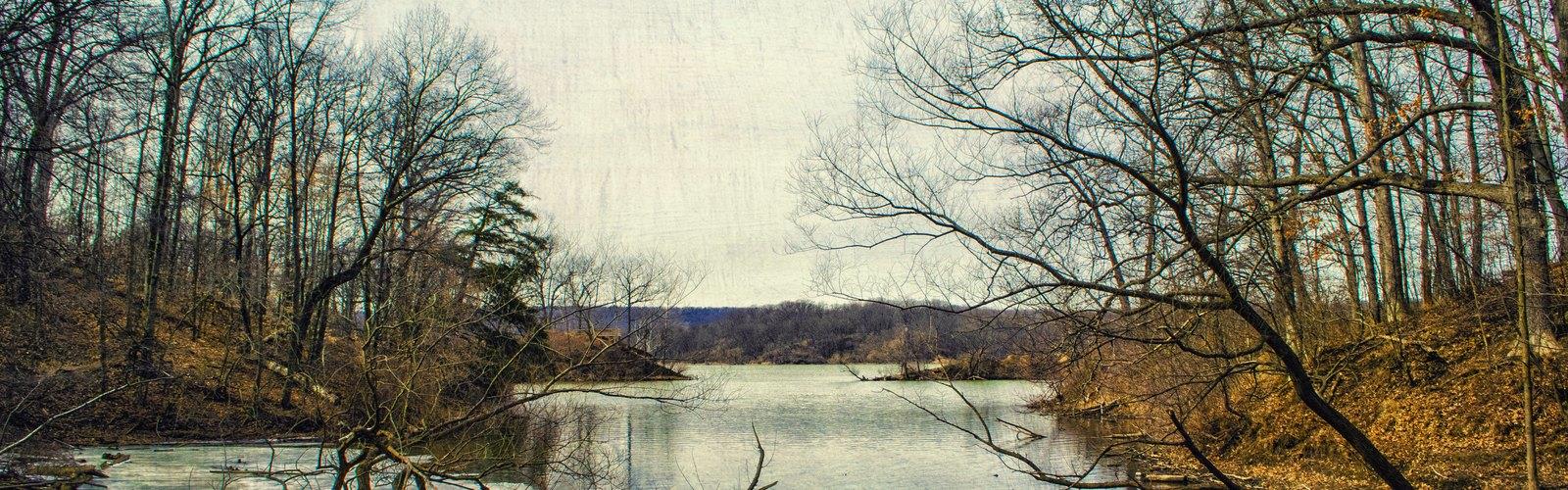
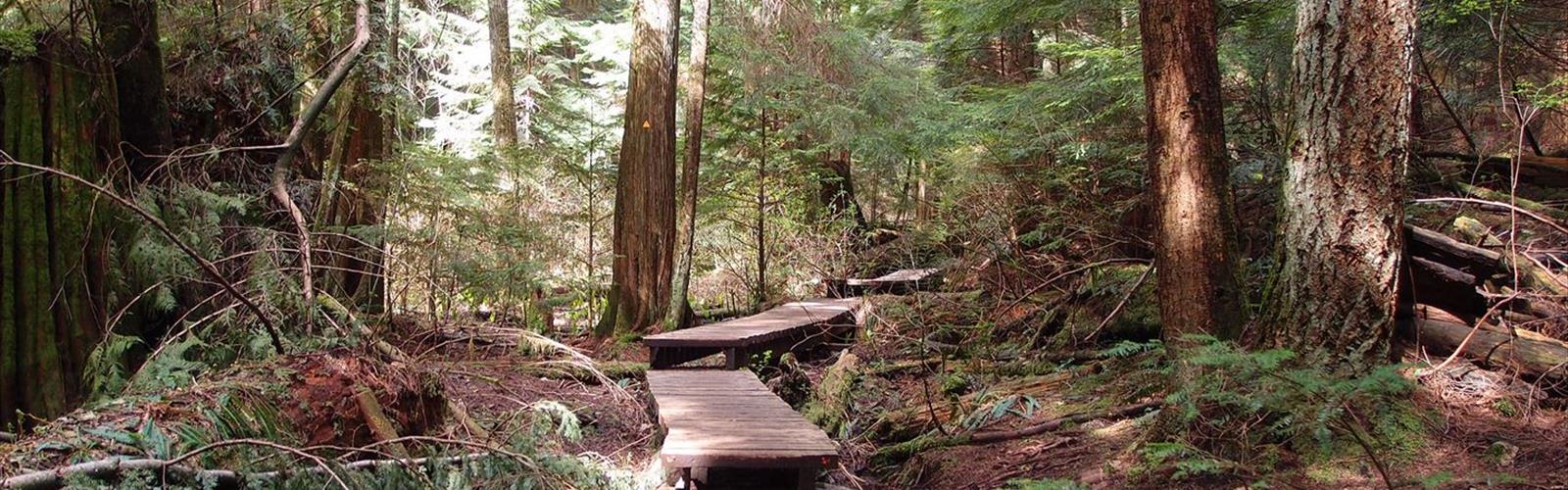
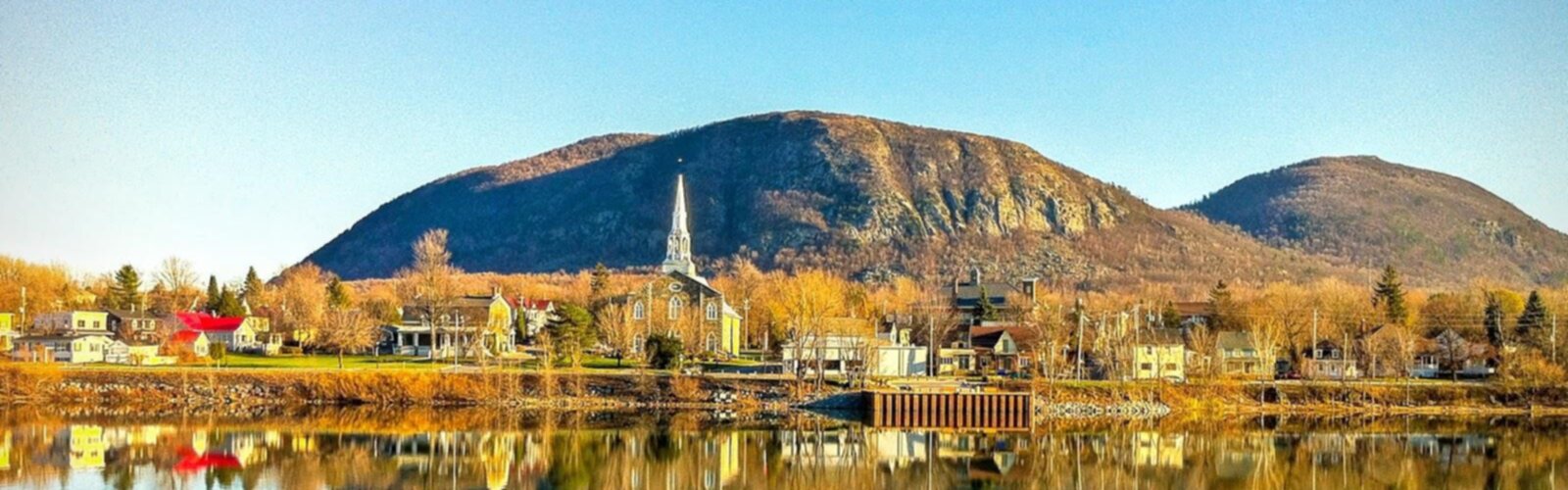
Ontario stands as Canada's premier hiking destination, spanning over one million square kilometers of diverse wilderness that beckons outdoor enthusiasts from around the globe. From the rugged Canadian Shield to the pristine shores of the Great Lakes, this province offers an unparalleled tapestry of natural landscapes. With its vast network of provincial parks, conservation areas, and wilderness regions, Ontario delivers some of the most spectacular hiking experiences in North America.
Major Hiking Regions
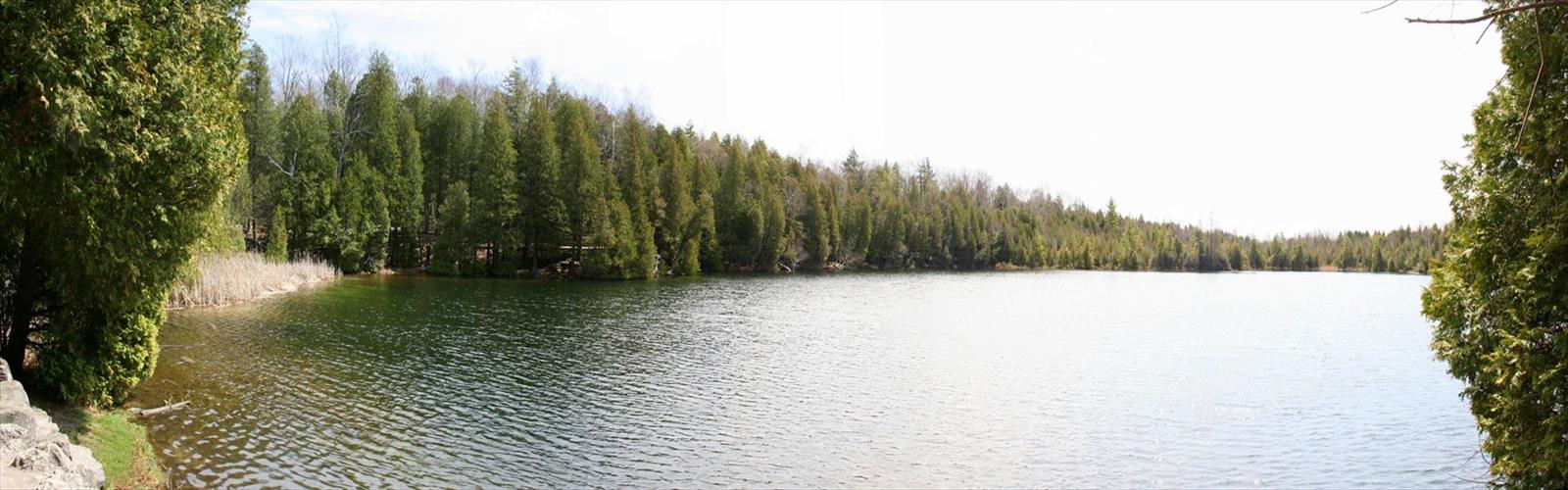
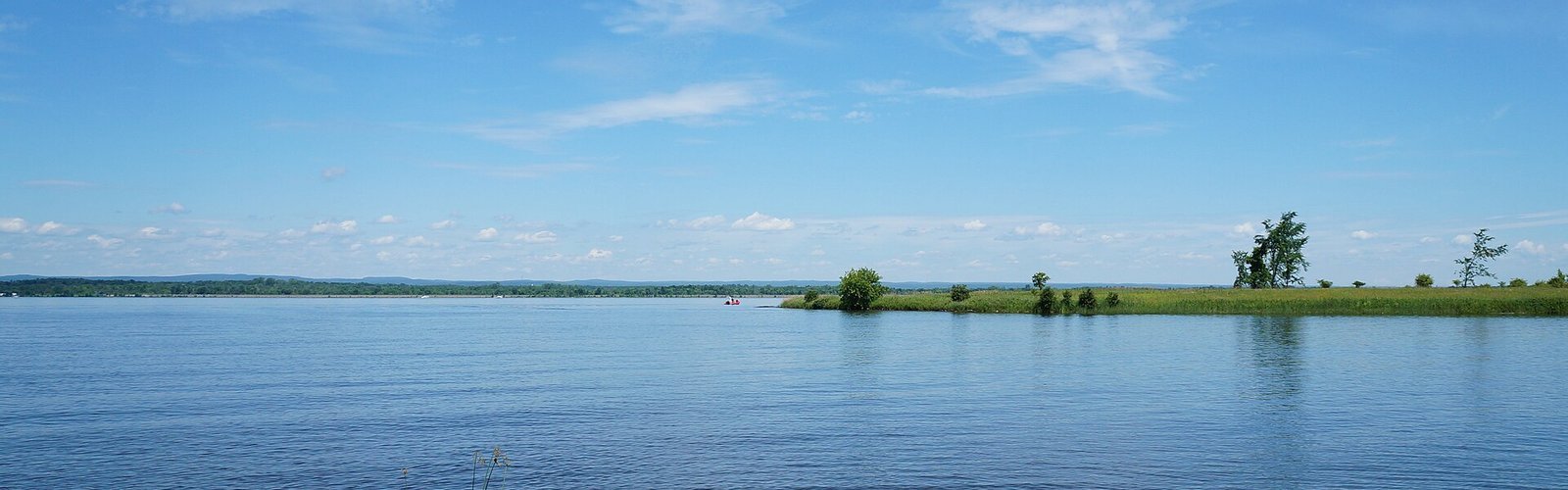
The province's hiking opportunities are distributed across several distinct geographical regions, each offering unique terrain and experiences. Algonquin Provincial Park represents the heart of Ontario's wilderness, featuring ancient forests, pristine lakes, and challenging backcountry trails. The Muskoka region provides accessible hiking with stunning lake views and granite outcroppings characteristic of the Canadian Shield.
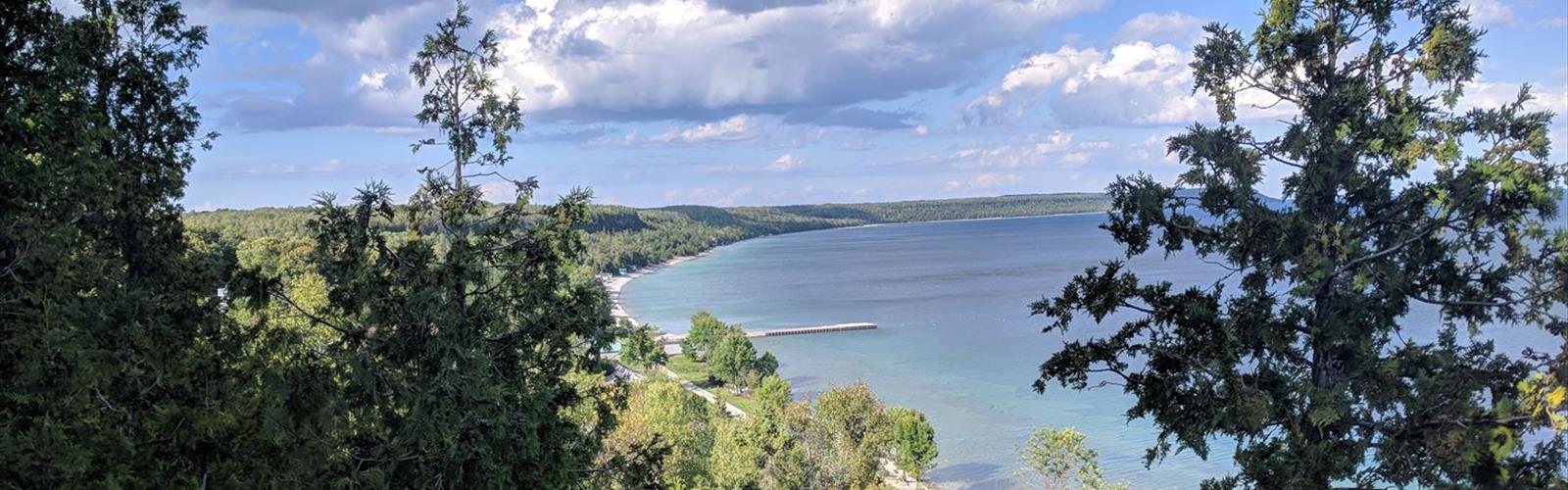
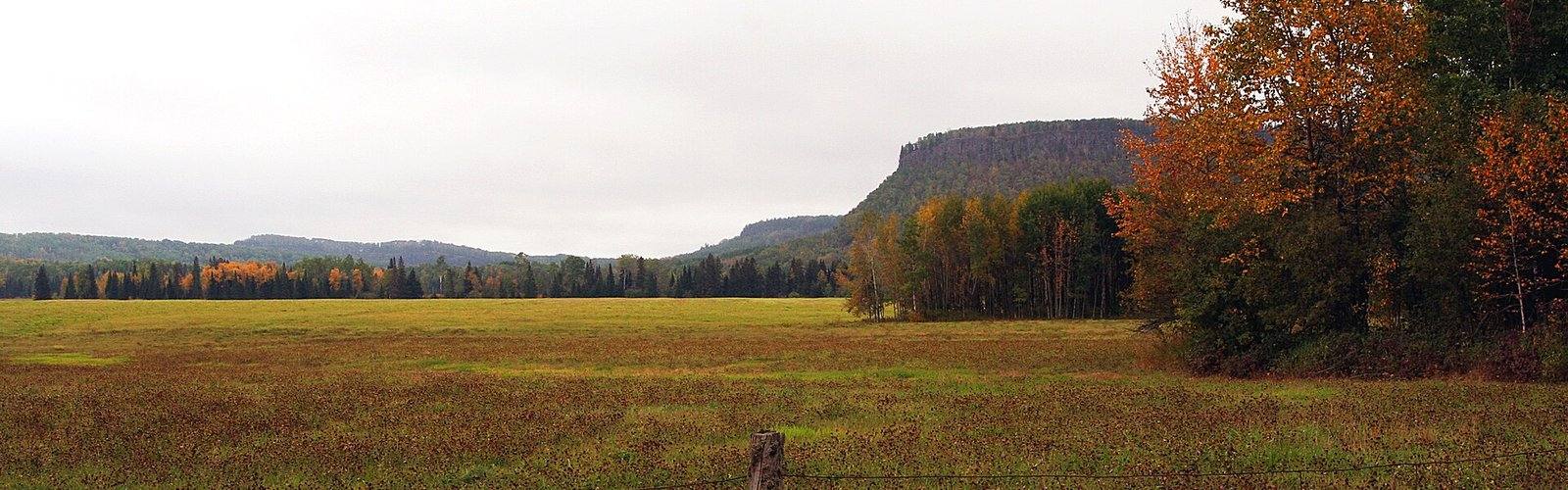
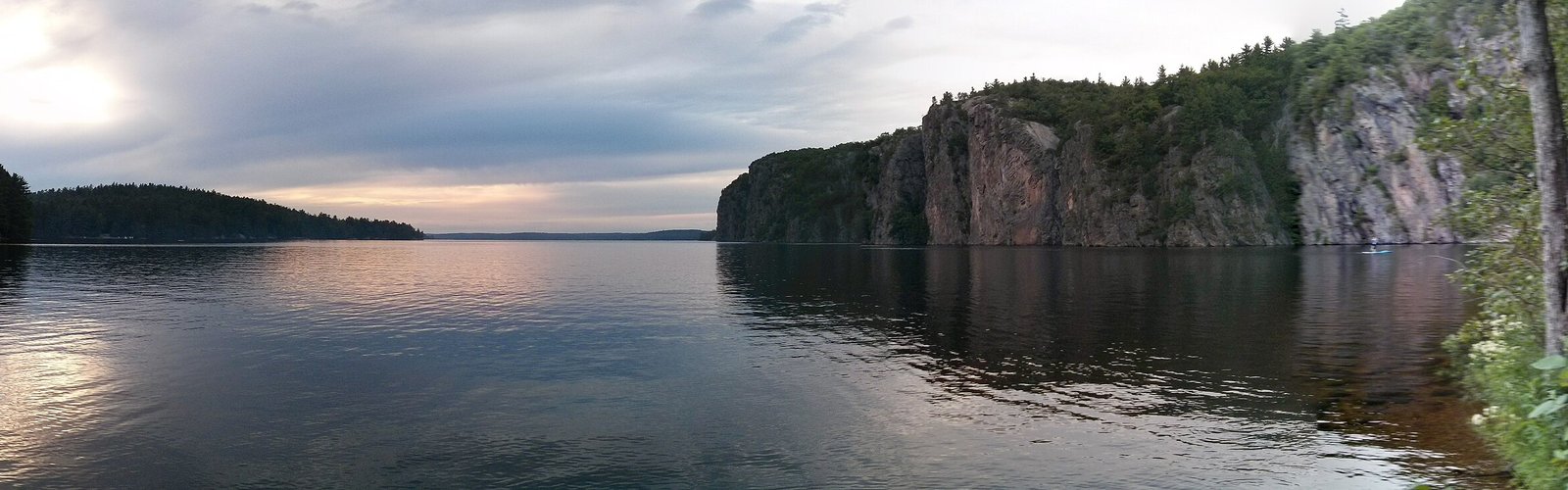
Northern Ontario opens up vast wilderness areas including Killarney Provincial Park, renowned for its white quartzite ridges and crystal-clear lakes. The Bruce Peninsula offers dramatic cliff-top hiking along Georgian Bay, while Eastern Ontario features gentler terrain perfect for family adventures and multi-day excursions.
Iconic Trail Experiences
Ontario's trail network includes several world-class hiking destinations that define the province's outdoor reputation. The Bruce Trail, Canada's oldest and longest marked footpath, stretches 890 kilometers along the Niagara Escarpment, offering everything from easy day hikes to challenging multi-day adventures.
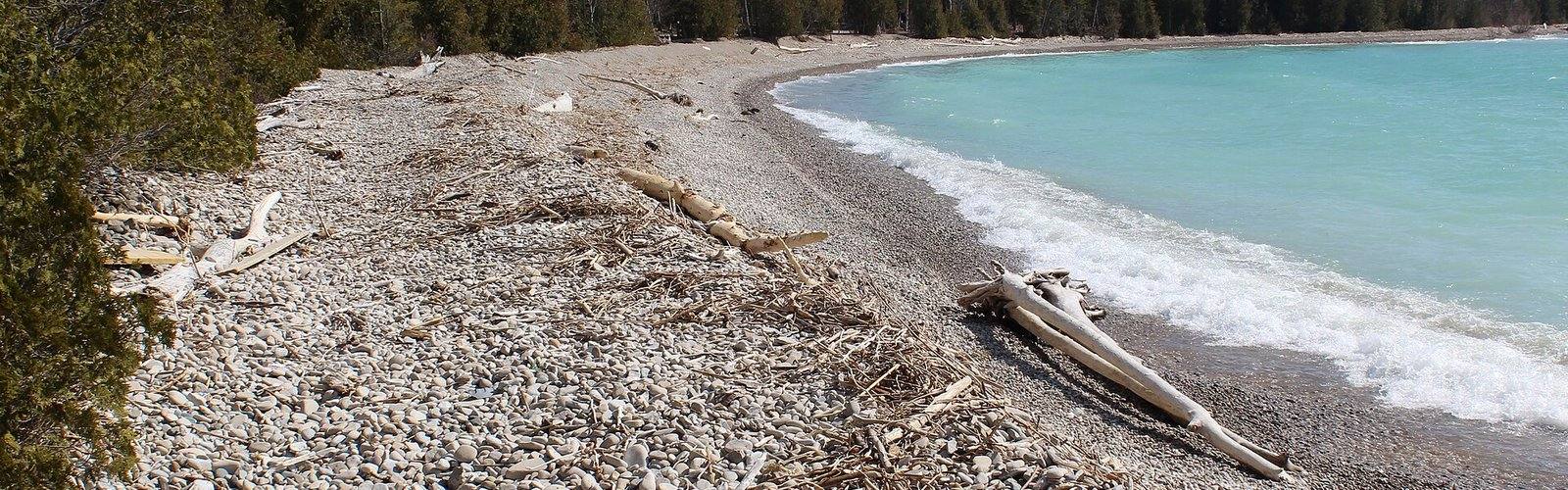
Algonquin Park's Highland Backpacking Trail provides a quintessential Canadian wilderness experience through pristine boreal forest. The Cup and Saucer Trail on Manitoulin Island delivers panoramic views from ancient cliffs, while the Coastal Trail in Pukaskwa National Park showcases Lake Superior's wild shoreline.
For those seeking dramatic landscapes, the La Cloche Silhouette Trail in Killarney offers challenging terrain through some of Ontario's most photographed scenery. The Crack Trail in Killarney Provincial Park provides accessible adventure with rewarding cliff-top vistas.
Trails for Every Skill Level
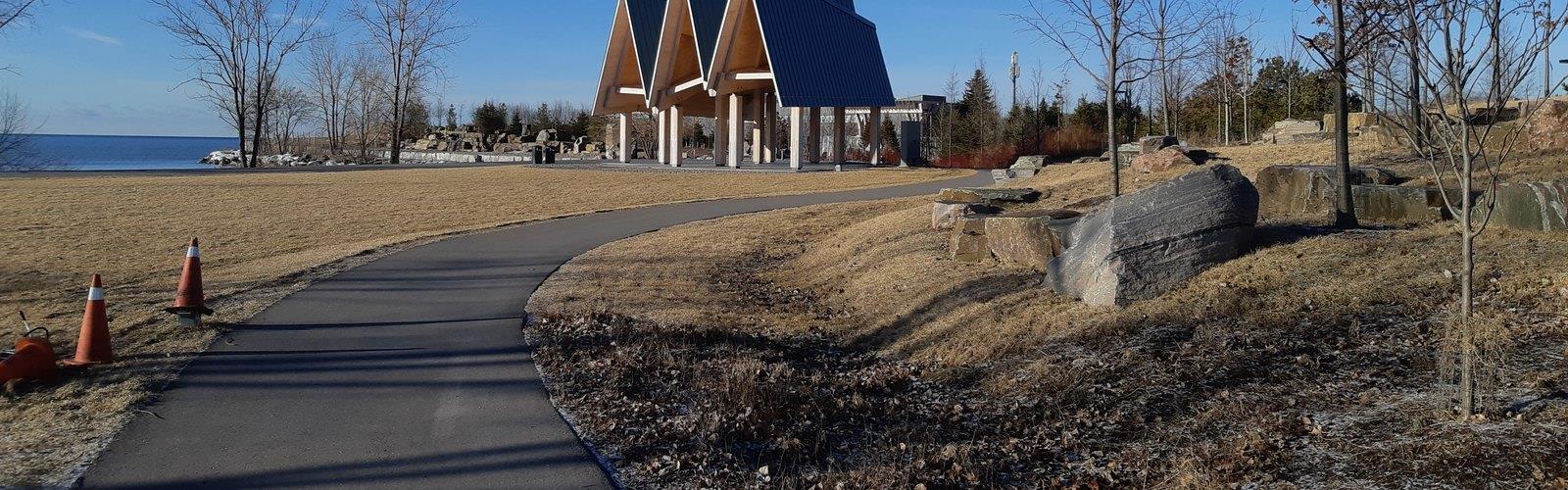
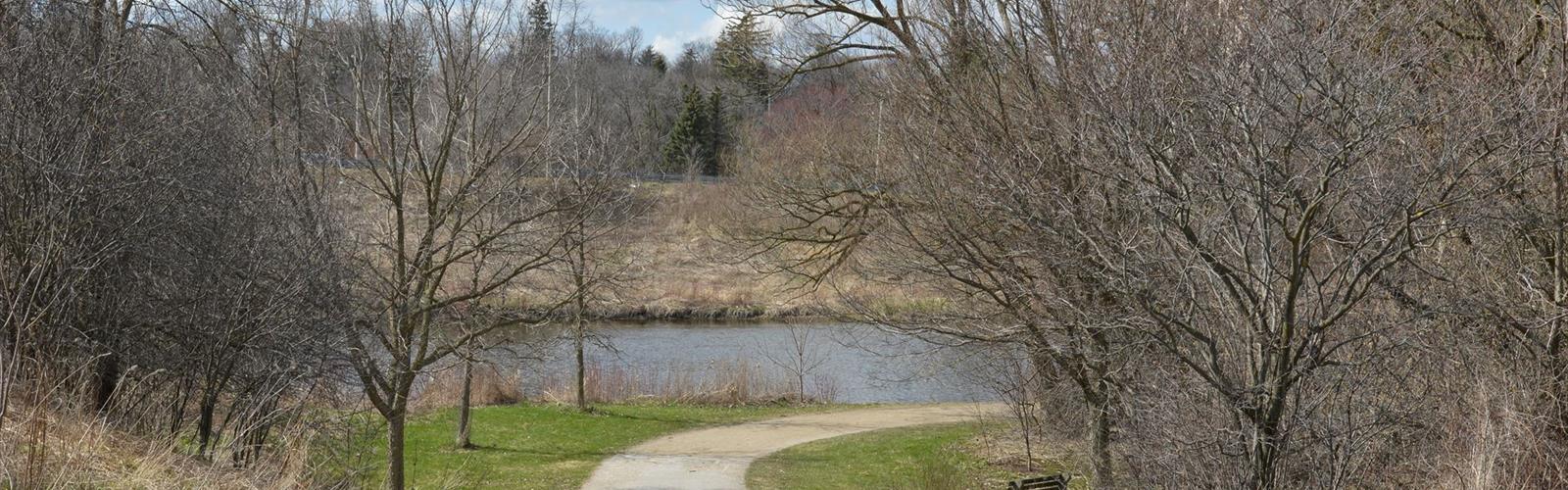
Ontario's hiking network accommodates adventurers of all abilities, from gentle nature walks to demanding multi-day expeditions. Beginners can explore well-maintained trails in conservation areas near major cities, featuring boardwalks, interpretive signs, and moderate distances. These accessible options provide perfect introductions to Ontario hiking while showcasing the province's natural beauty.
Intermediate hikers will find abundant opportunities in provincial parks, with day-long adventures featuring moderate elevation gains and diverse terrain. Advanced hikers can tackle challenging backcountry routes requiring navigation skills, wilderness camping experience, and physical endurance.
Four-Season Outdoor Adventures
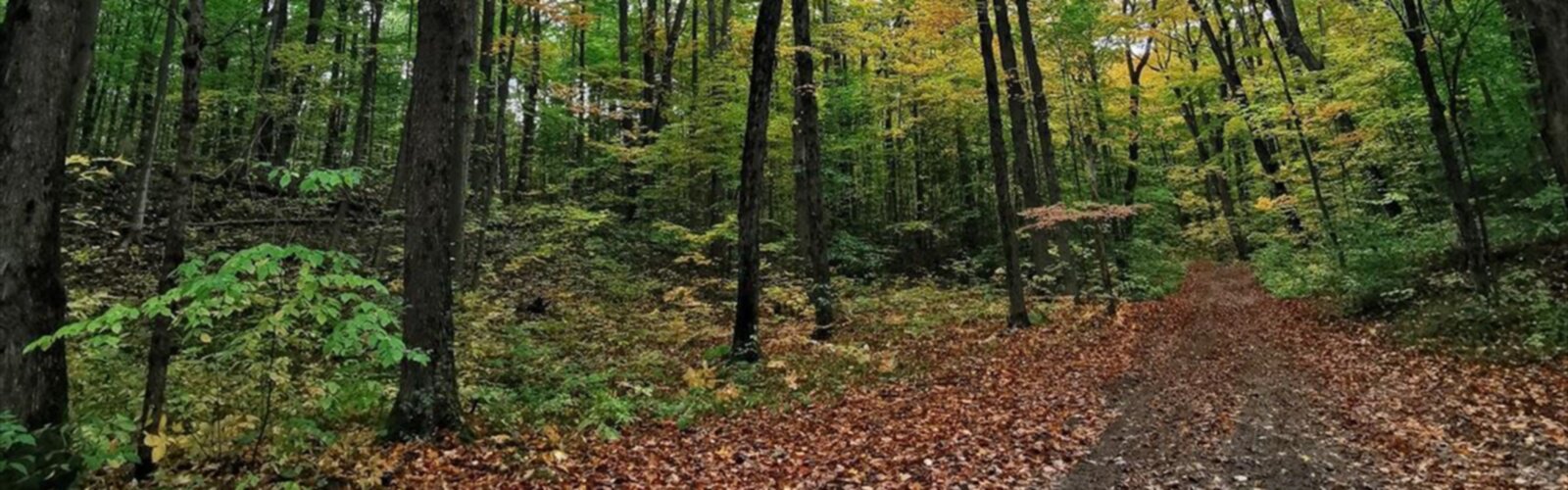
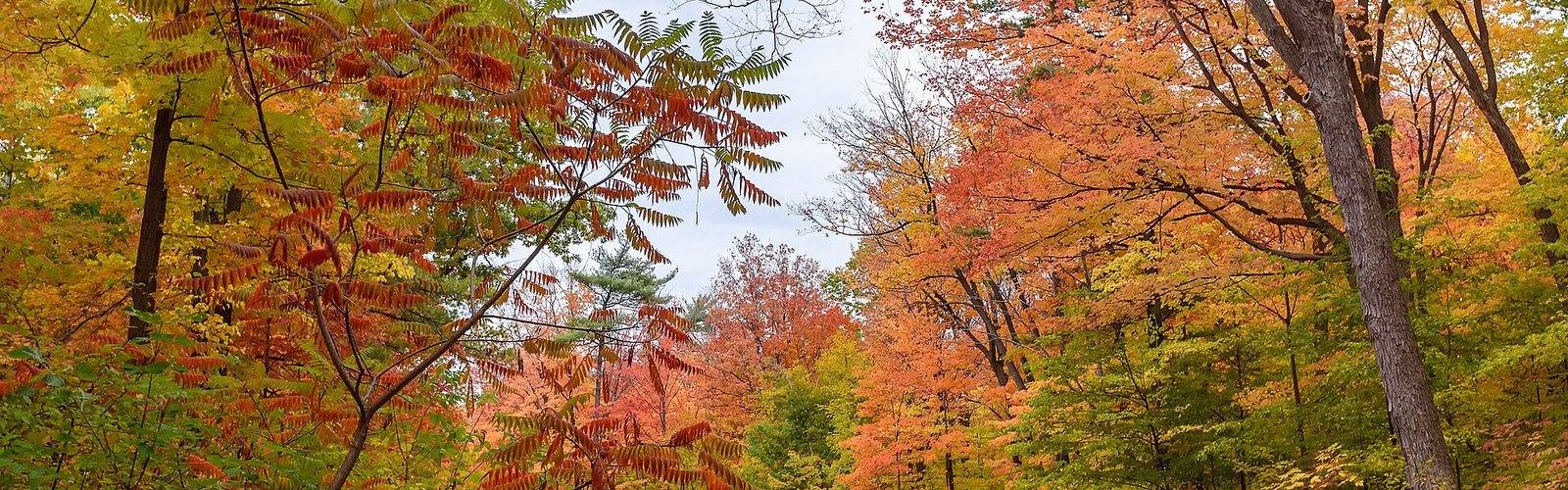
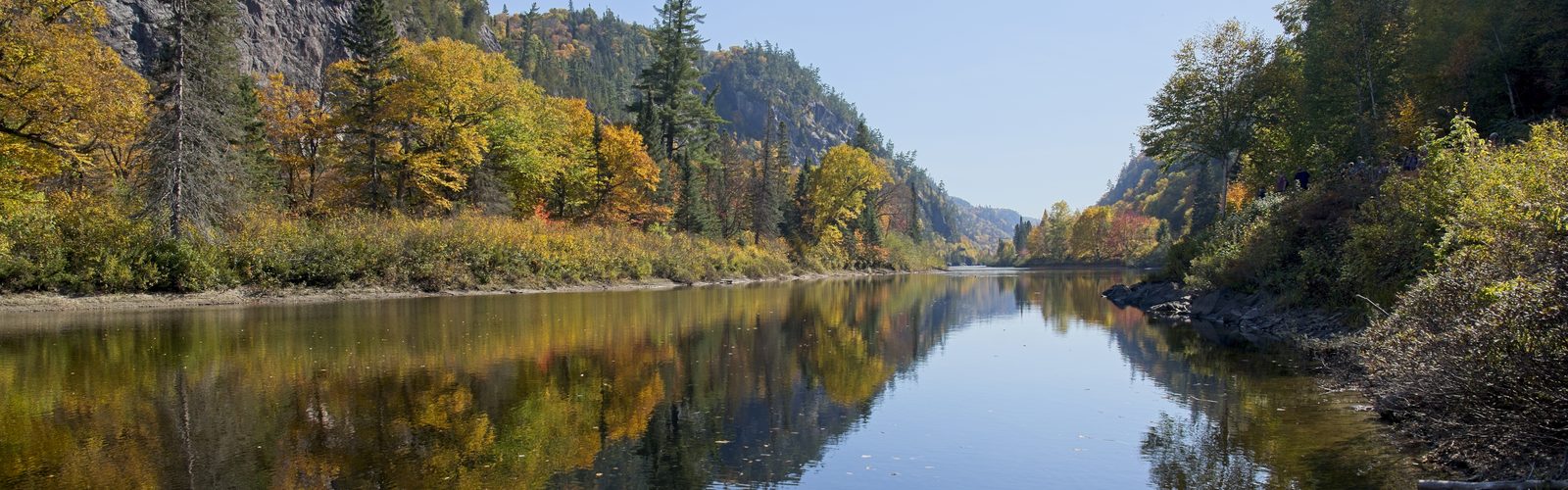
Ontario's hiking opportunities extend throughout the year, with each season offering distinct experiences. Summer provides ideal conditions for backcountry camping, swimming in pristine lakes, and exploring the full trail network. Fall transforms the landscape into a spectacular display of autumn colors, making it the most popular season for hiking photography.
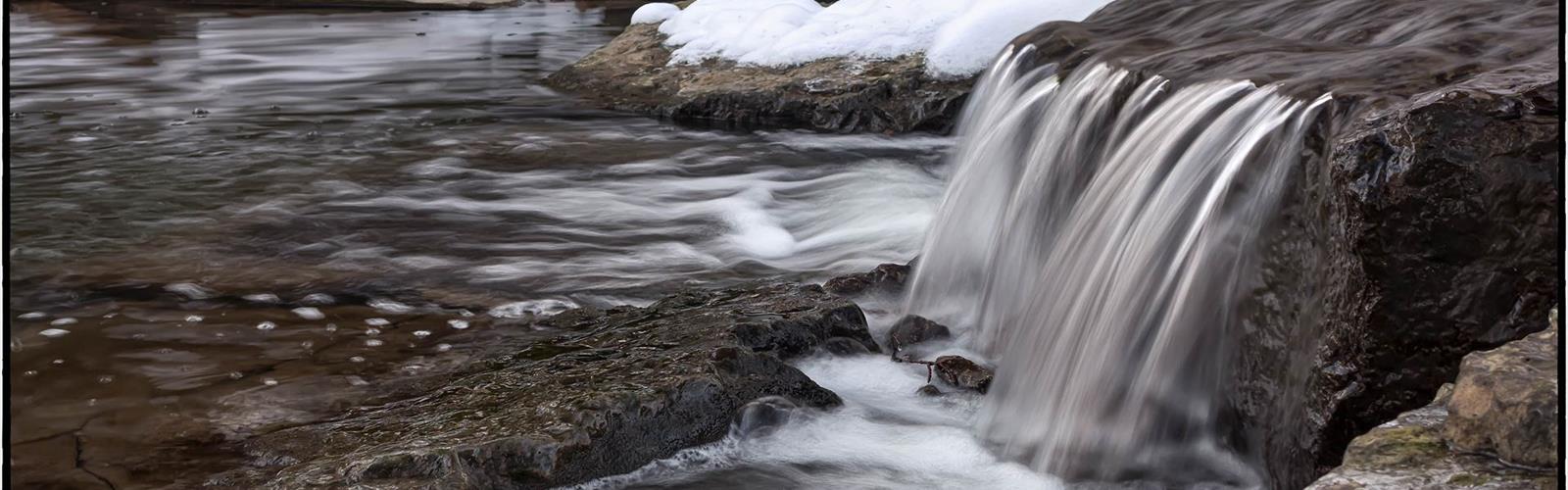
Winter opens up opportunities for snowshoeing and cross-country skiing on many summer hiking trails, while spring offers unique experiences like waterfall viewing during snowmelt and early wildflower displays before the summer crowds arrive.
Natural Landscapes and Wildlife
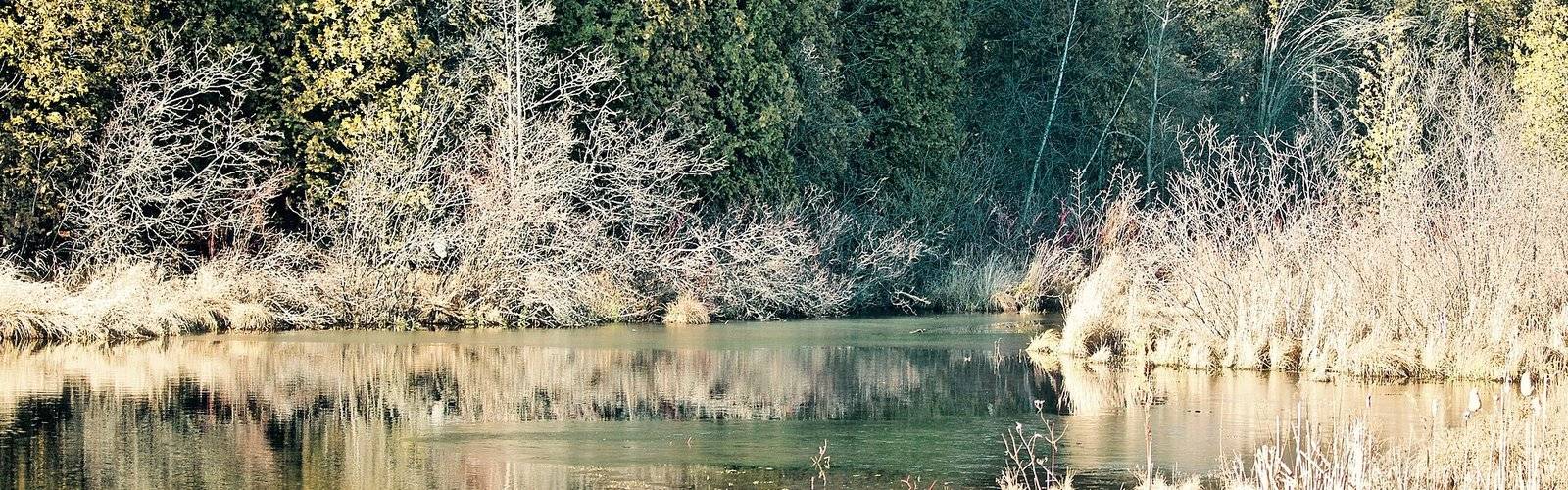
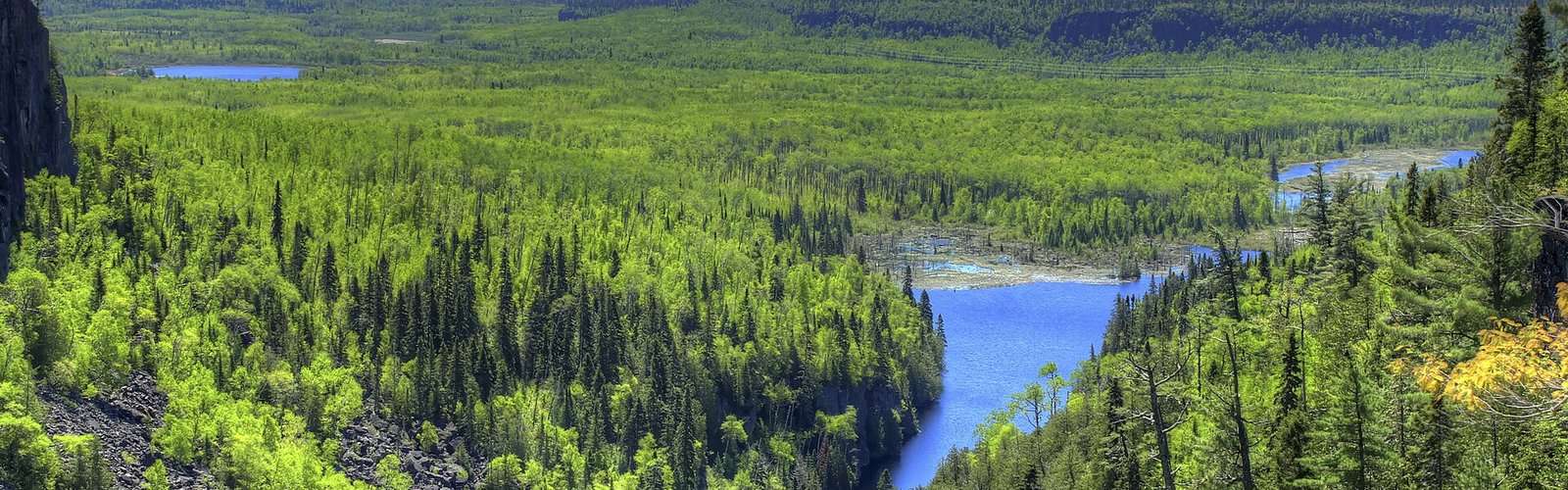
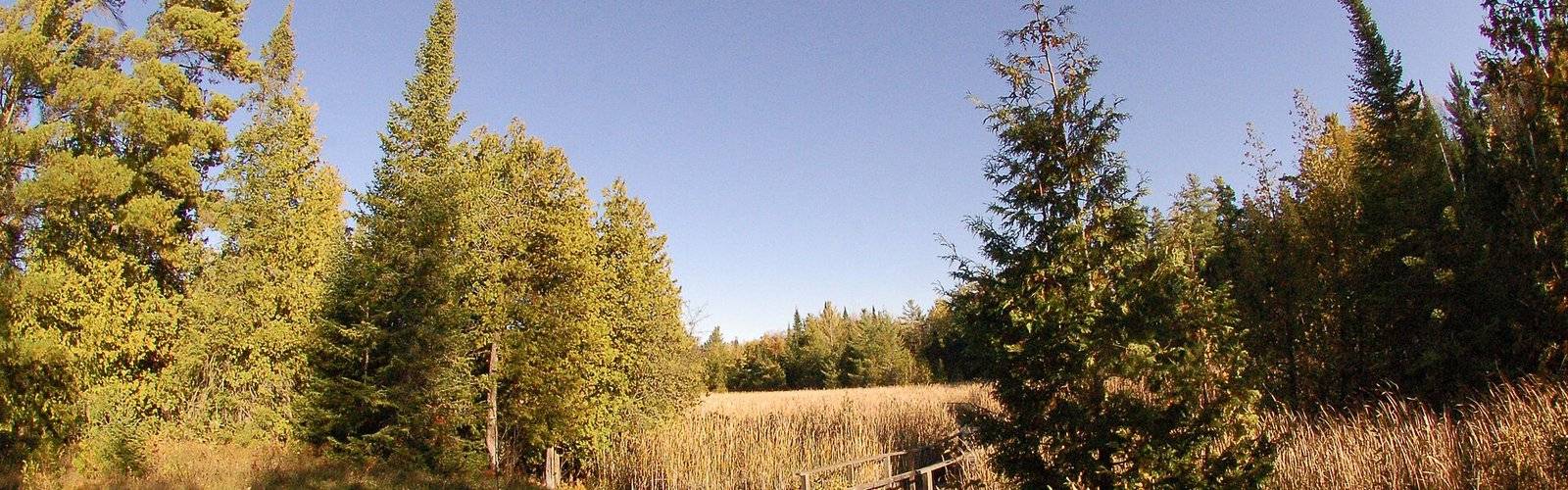
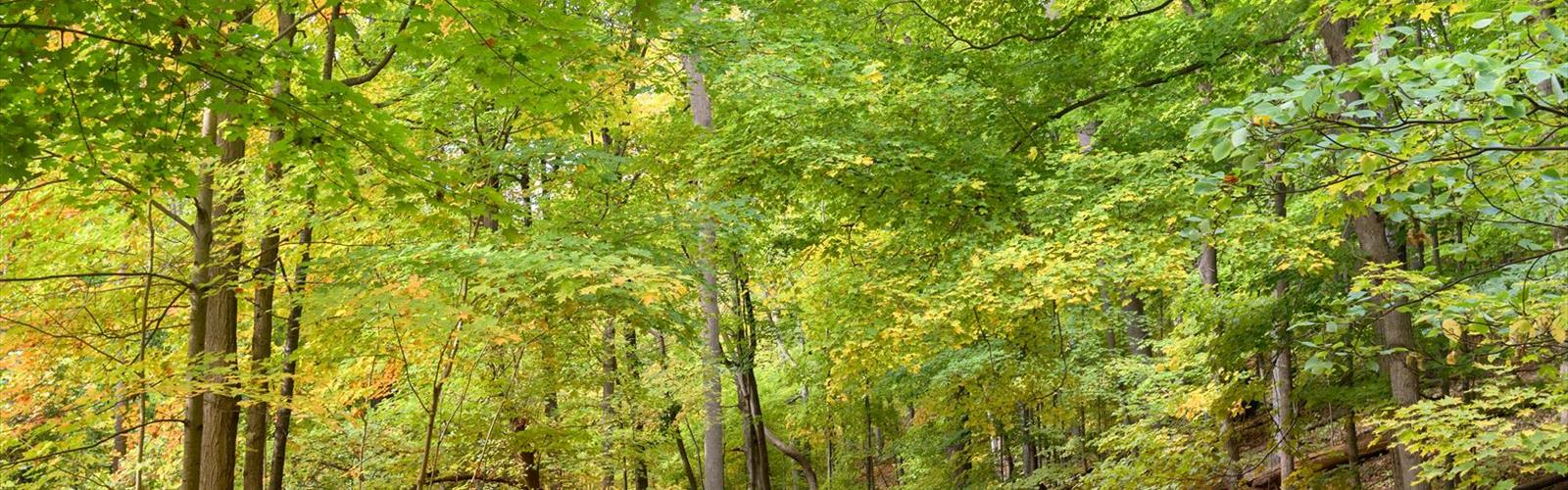
The province's geography encompasses the ancient Canadian Shield, featuring exposed granite bedrock, countless lakes, and dense boreal forests of pine, spruce, and fir. Southern regions showcase mixed forests with maple, oak, and birch, while northern areas transition into subarctic wilderness.
Ontario's diverse ecosystems support abundant wildlife including black bears, moose, wolves, and over 400 bird species. The Great Lakes influence creates unique coastal environments, while inland regions feature pristine wilderness areas that remain largely unchanged since the last ice age.
Planning Your Ontario Hiking Adventure
The optimal hiking season runs from May through October, with July and August offering the warmest weather and full trail access. Spring and fall provide cooler temperatures and fewer crowds, though some remote trails may have seasonal restrictions.
Major urban centers like Toronto, Ottawa, and Thunder Bay provide convenient access points to nearby hiking areas. The province's extensive provincial park system offers camping facilities, while numerous lodges and resorts cater to hikers seeking comfortable accommodations. Advanced planning is recommended for popular destinations, especially during peak summer months and fall color season.