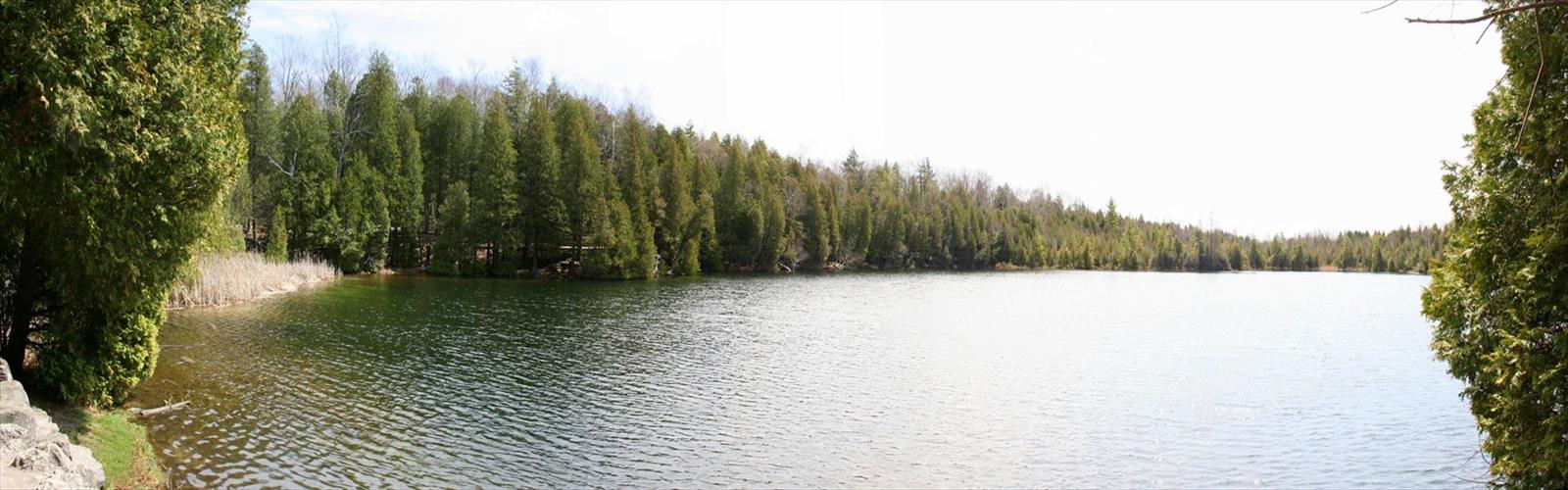
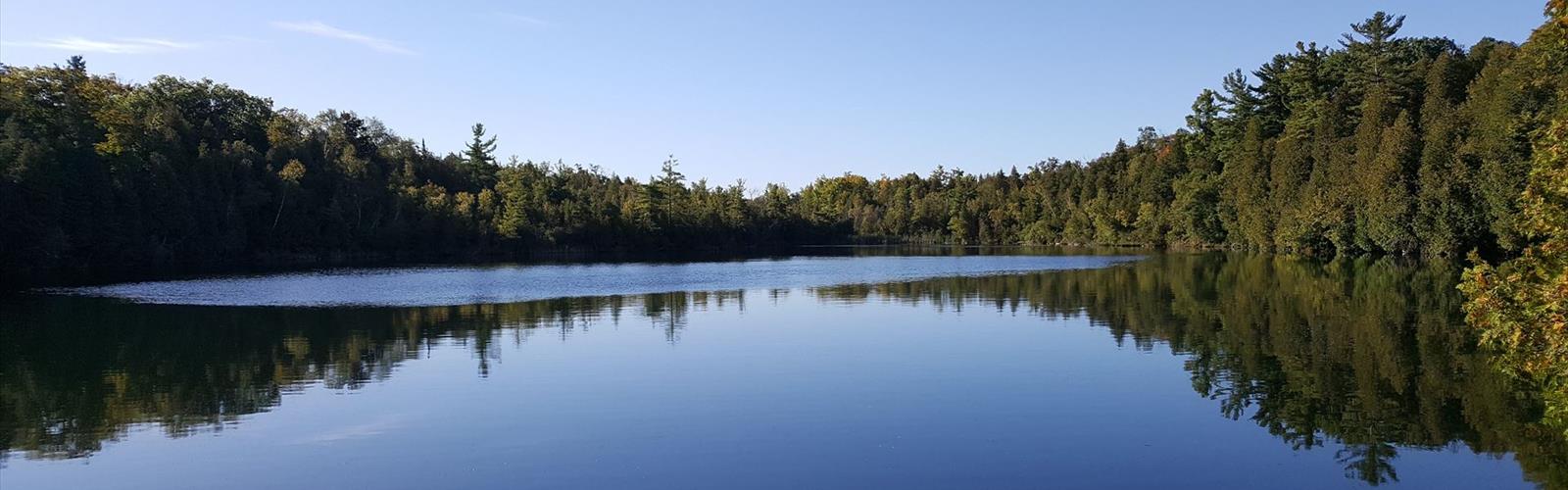
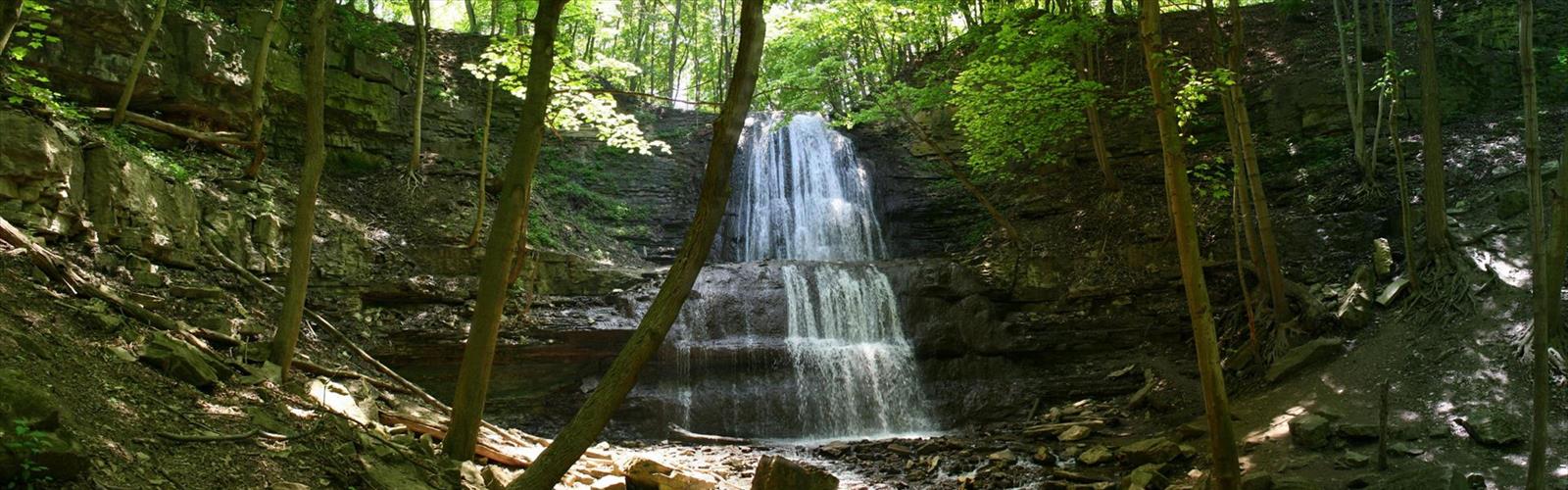
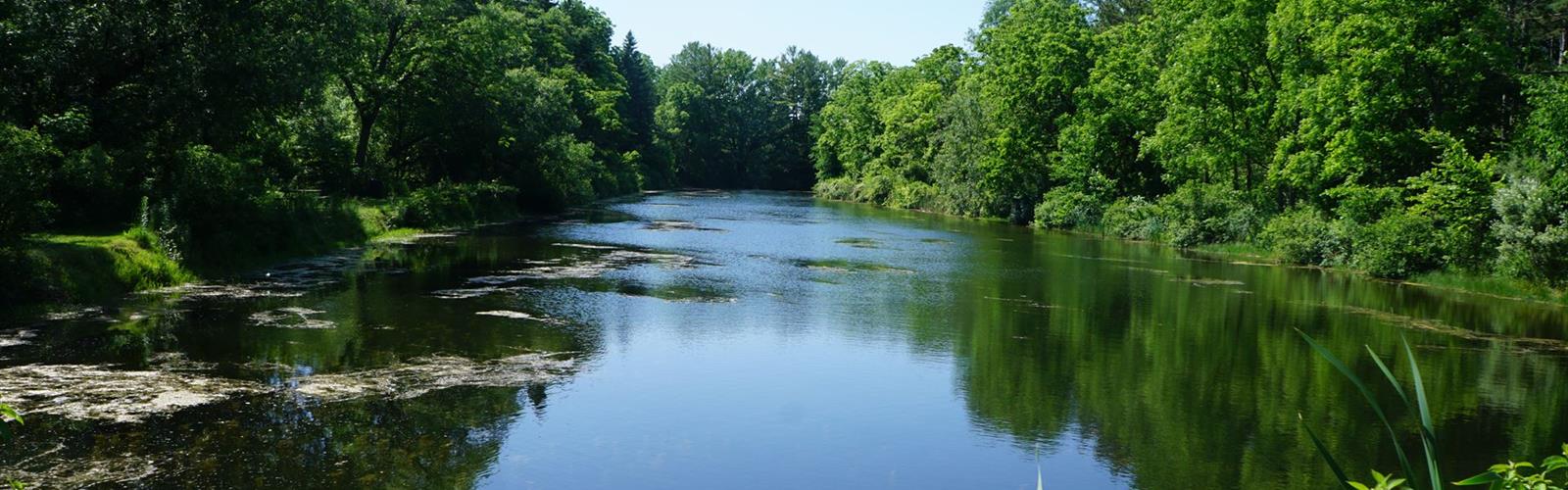
Nestled in the heart of southern Ontario, the Hamilton, Halton and Brant region offers an exceptional blend of natural beauty and outdoor adventure. From the dramatic escarpment cliffs to serene conservation areas, this diverse landscape provides some of the most rewarding hiking experiences in the province.
Why Hike in Hamilton, Halton and Brant
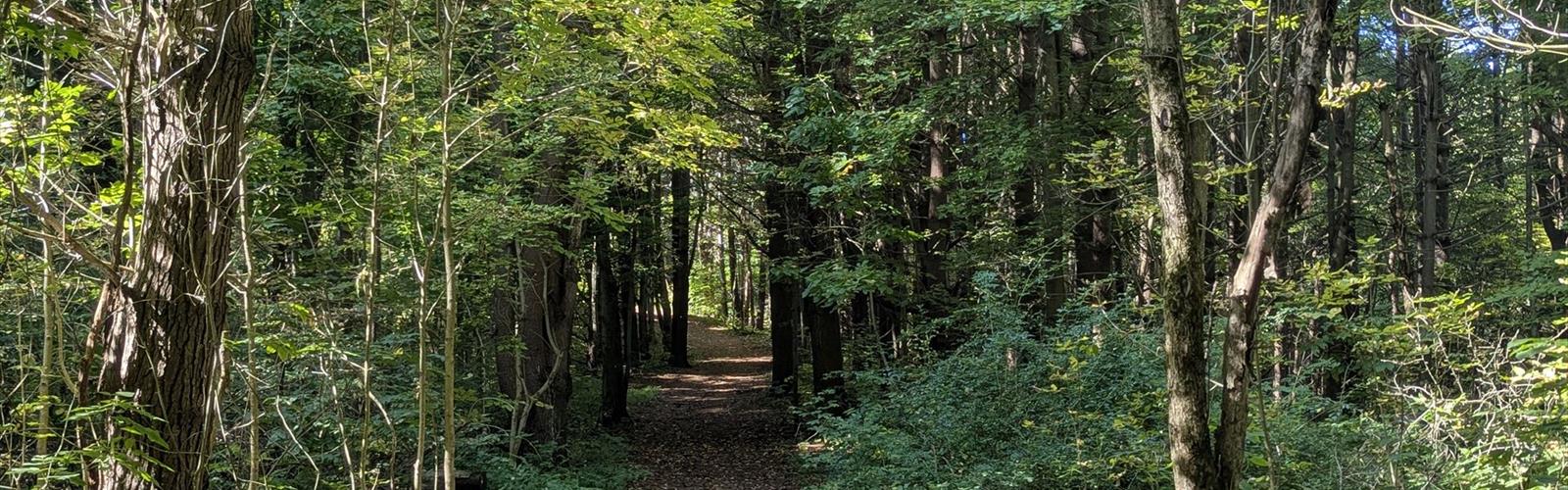
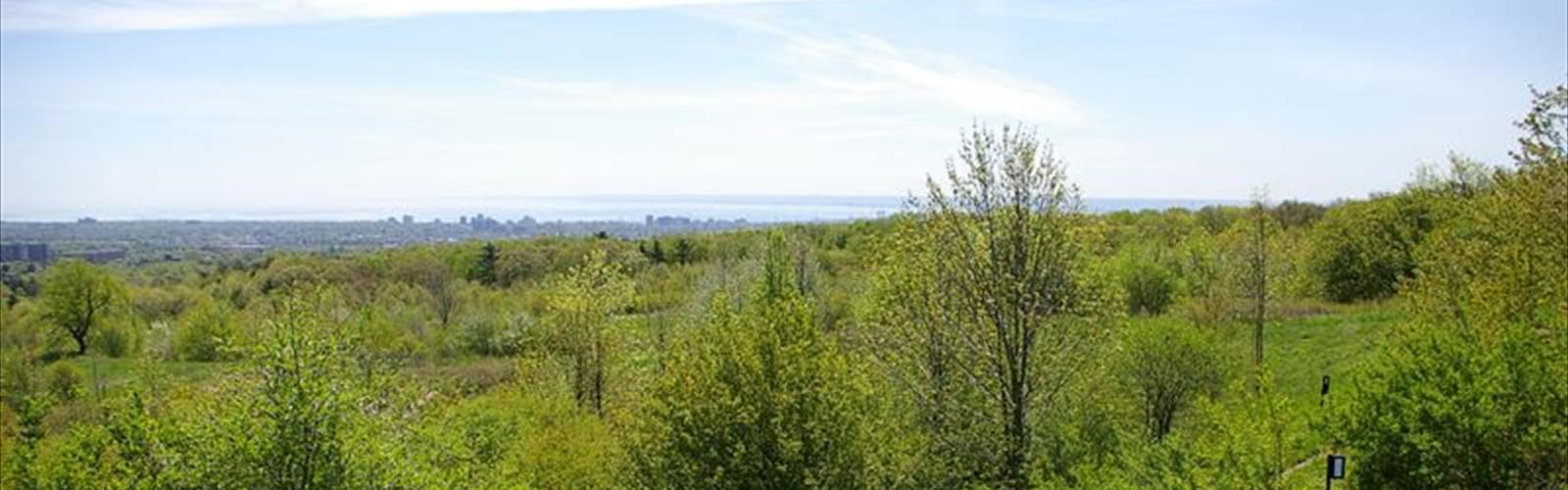
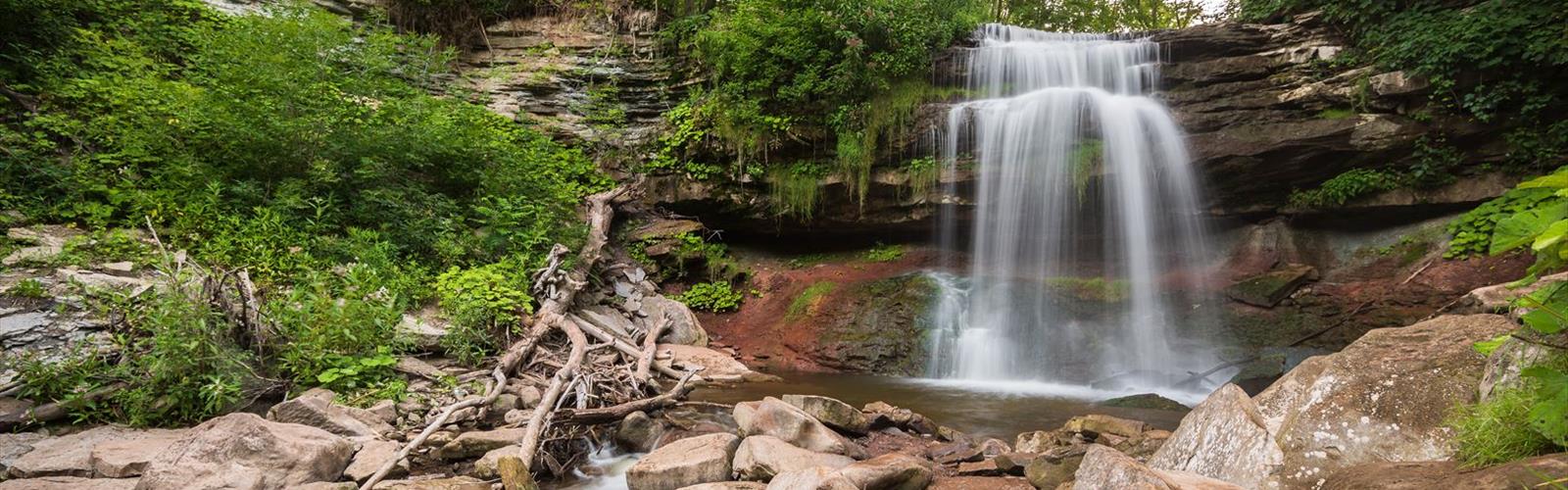
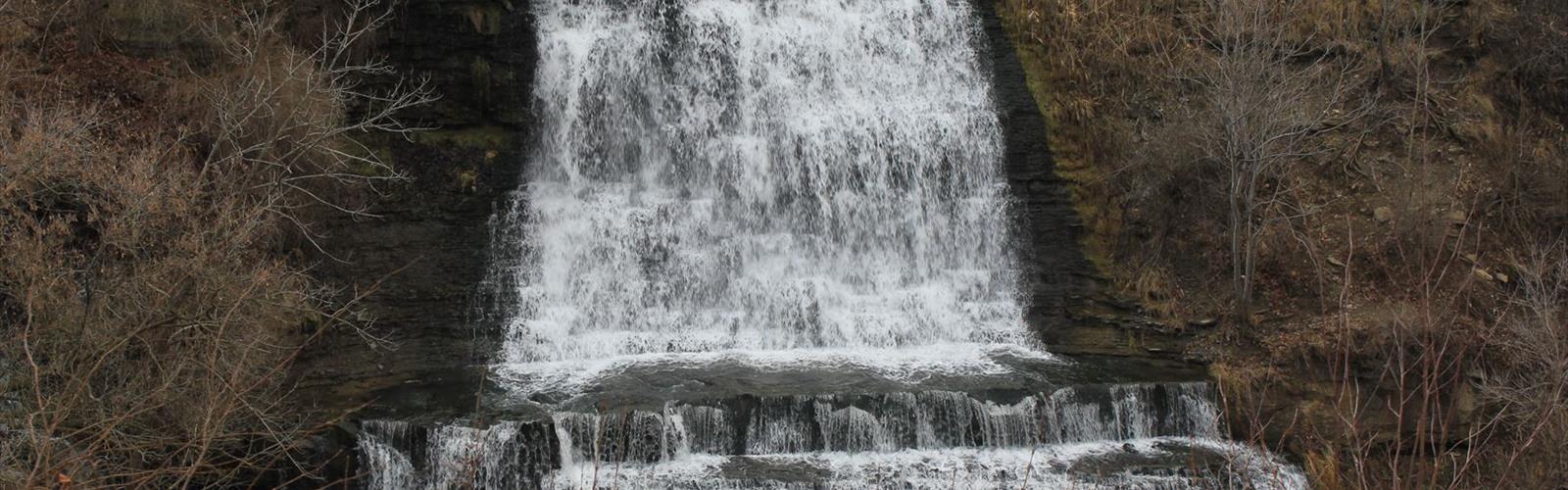
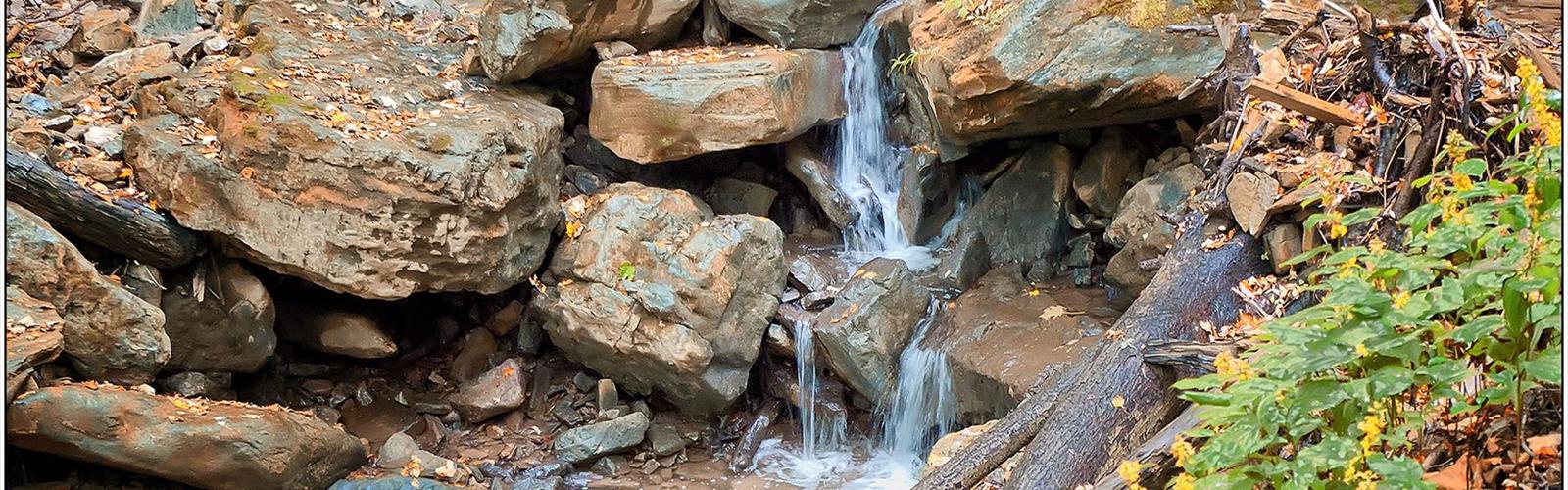
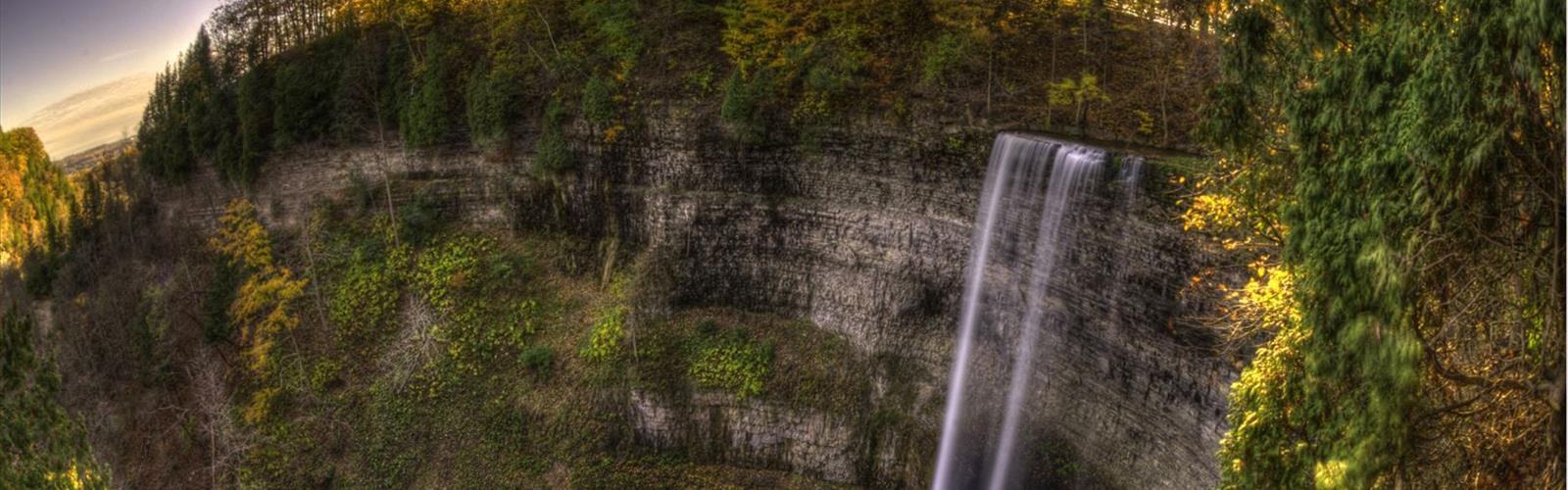
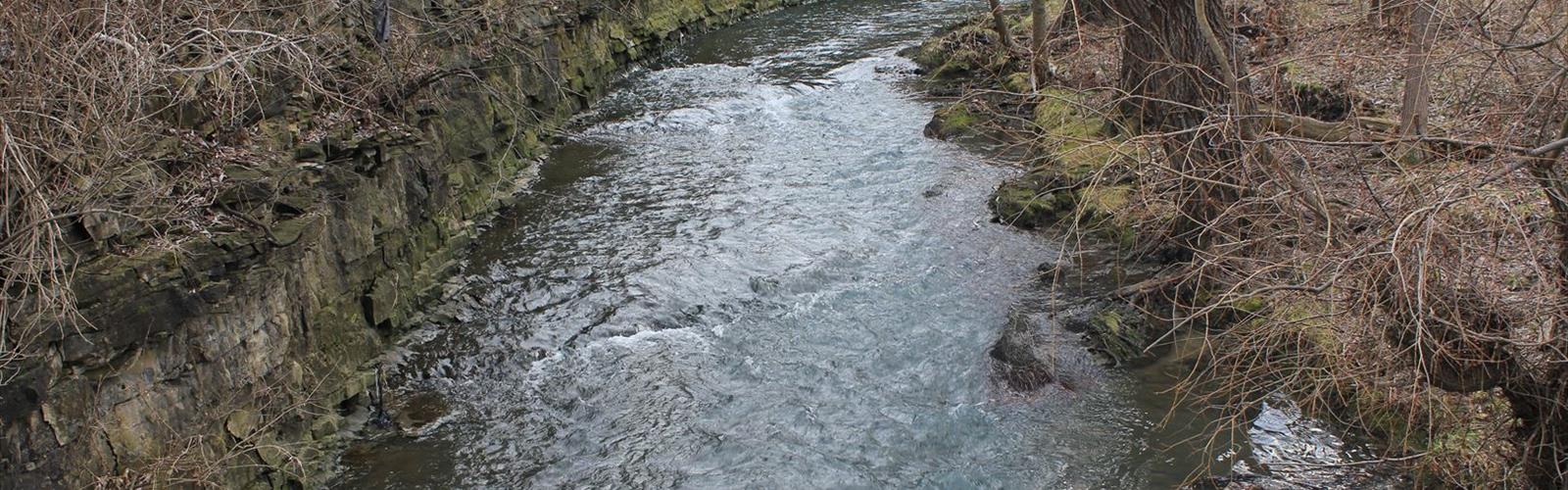
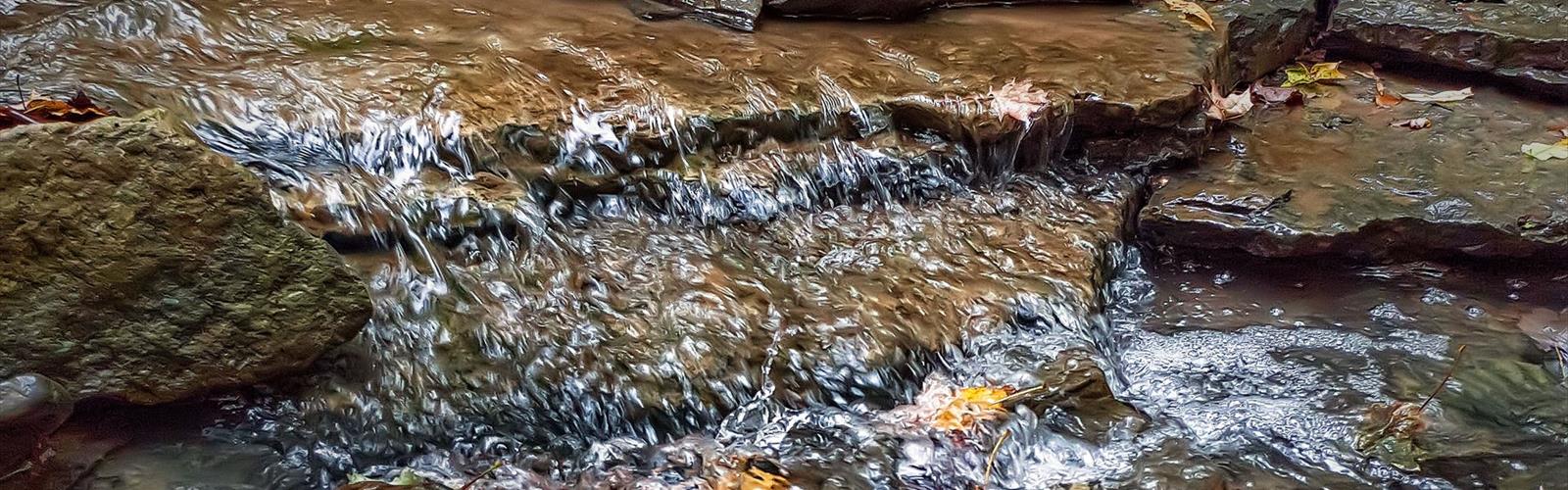
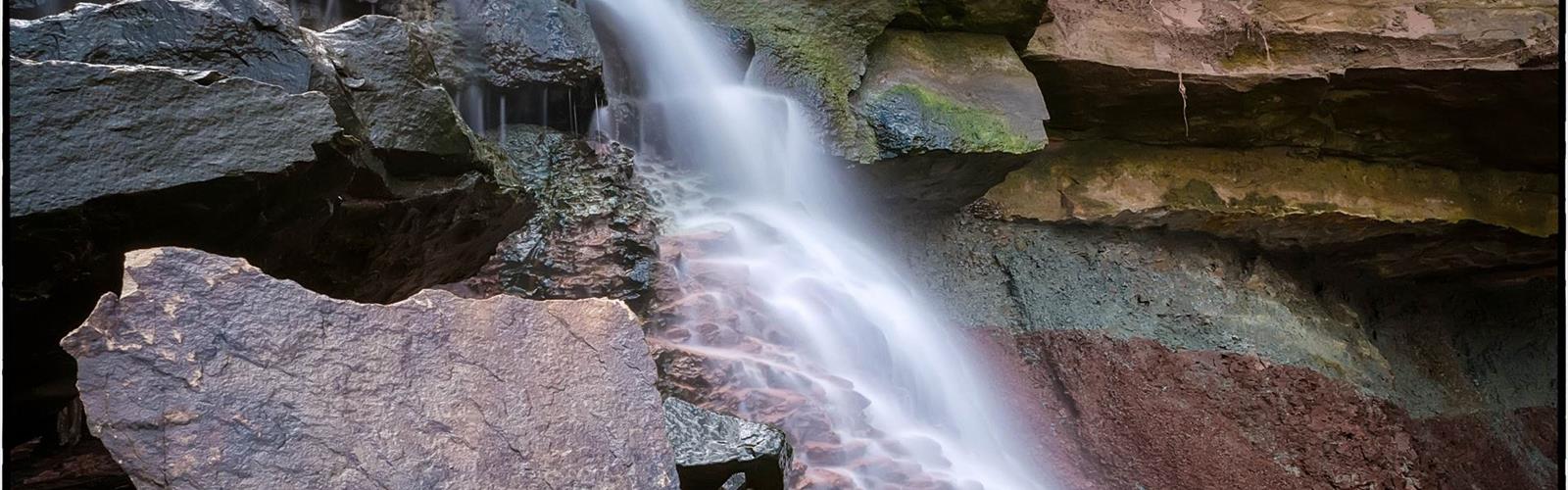
This remarkable region showcases the stunning Niagara Escarpment, a UNESCO World Biosphere Reserve that creates dramatic elevation changes and breathtaking vistas. The area's unique geography features ancient limestone cliffs, cascading waterfalls, and dense Carolinian forests that support an incredible diversity of plant and animal life. Hikers can explore everything from rugged cliff-top trails offering panoramic views of Lake Ontario to gentle valley paths winding through old-growth forests.
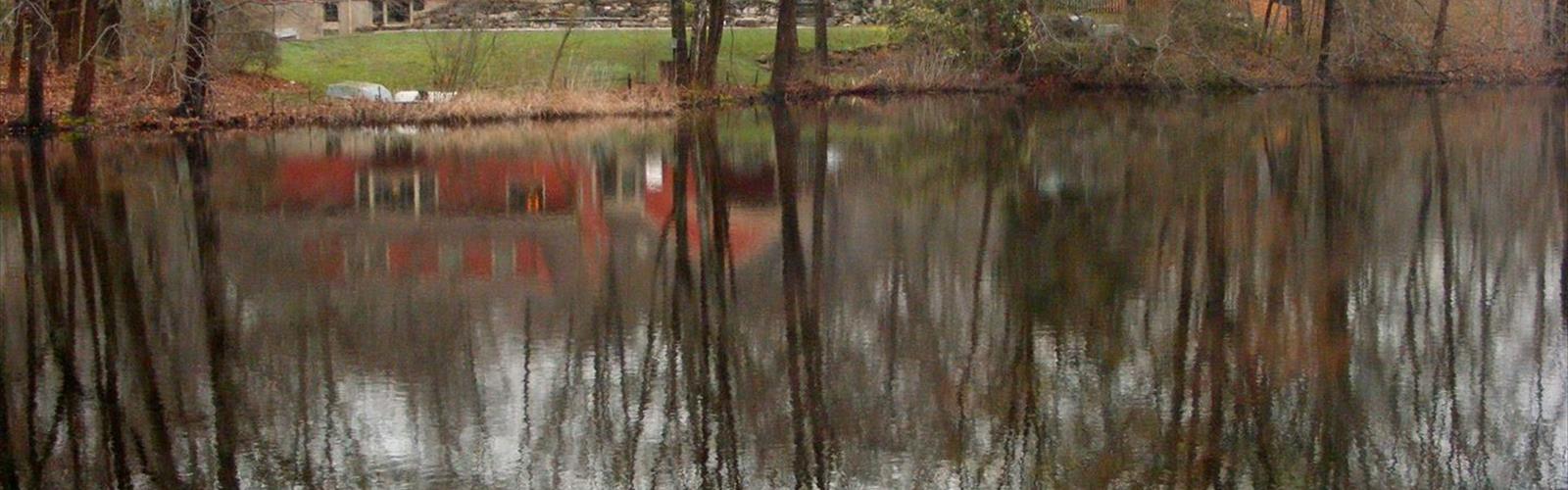
The region's rich geological history has created numerous gorges, caves, and rock formations that make each trail a journey of discovery. Spring brings vibrant wildflower displays, while autumn transforms the landscape into a spectacular canvas of reds, oranges, and golds.
Trail Diversity and Difficulty Levels
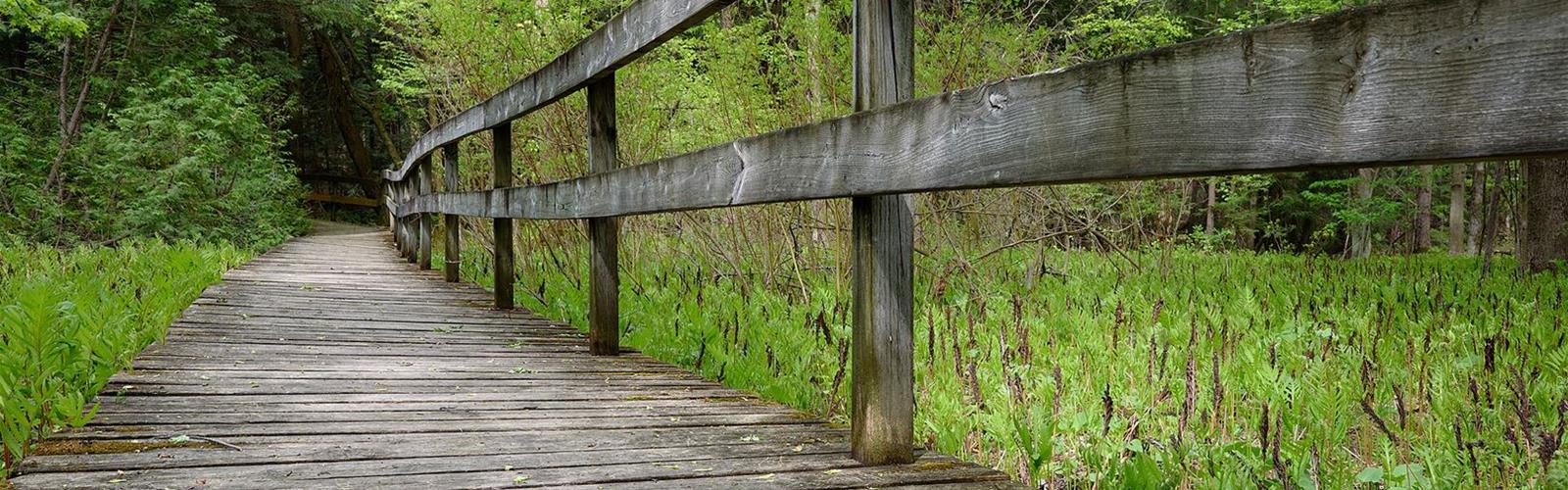
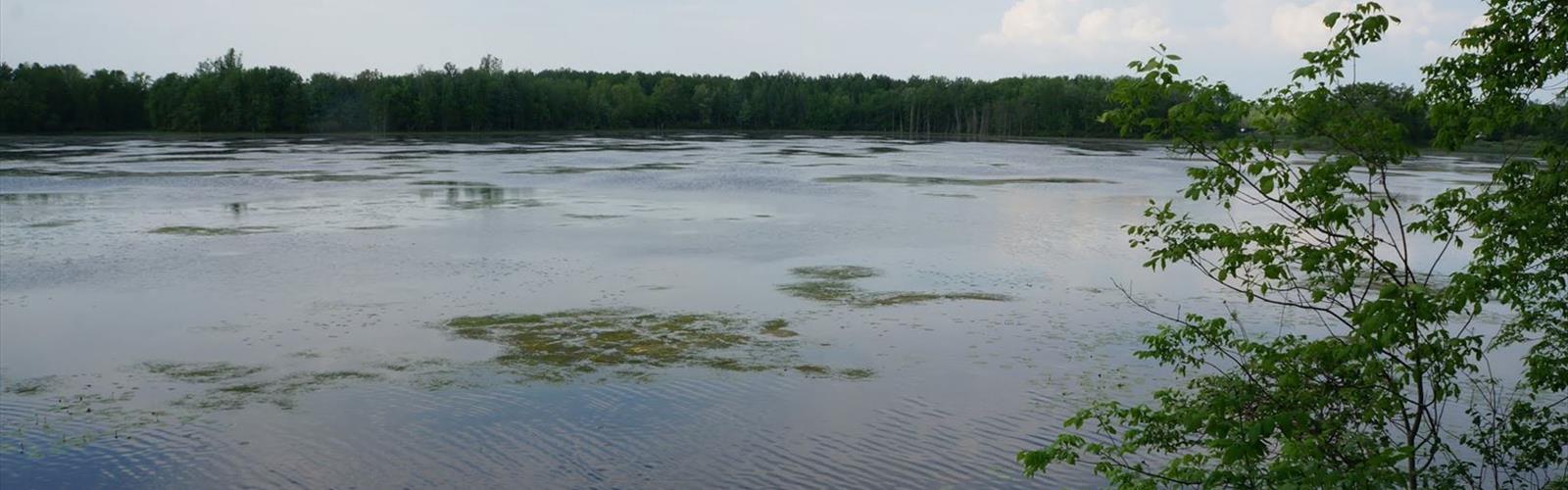
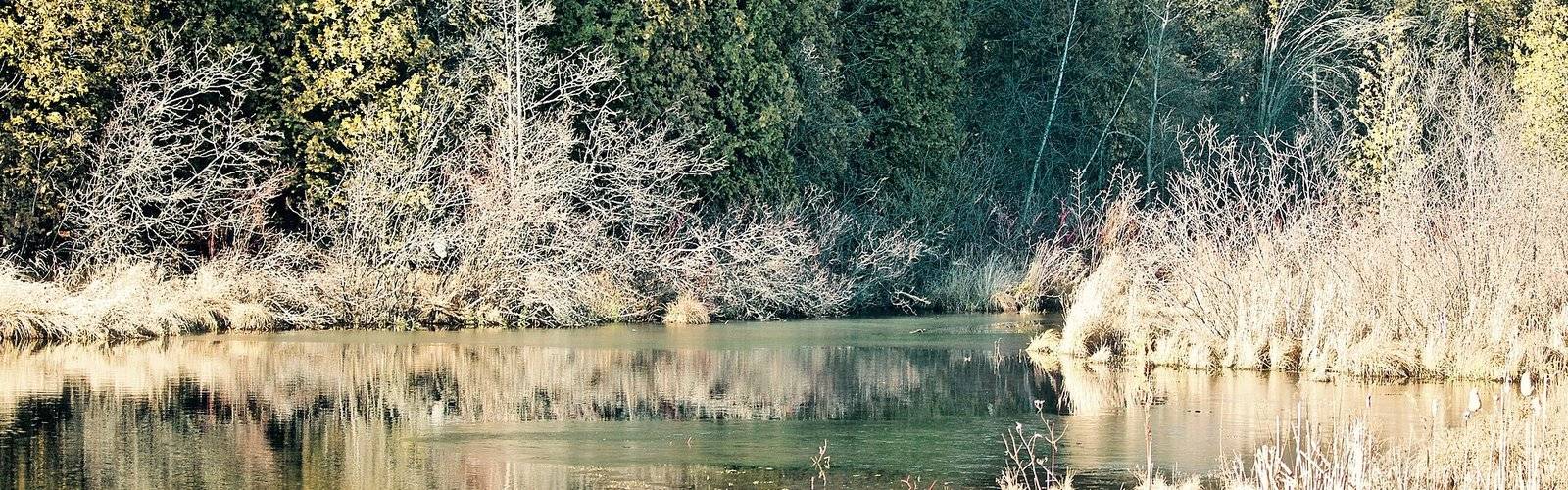
The Hamilton, Halton and Brant hiking trails cater to adventurers of all skill levels. Beginner-friendly paths meander through conservation areas and rail trails, perfect for families and those new to hiking. Intermediate trails challenge hikers with moderate elevation gains and longer distances, often leading to scenic lookouts and waterfalls. Advanced hikers can tackle steep escarpment climbs and technical terrain that reward with unparalleled views.
The region's trail network includes everything from short 2-kilometer nature walks to challenging 15+ kilometer treks, ensuring every outdoor enthusiast finds their perfect adventure.
Beyond Hiking: Outdoor Activities
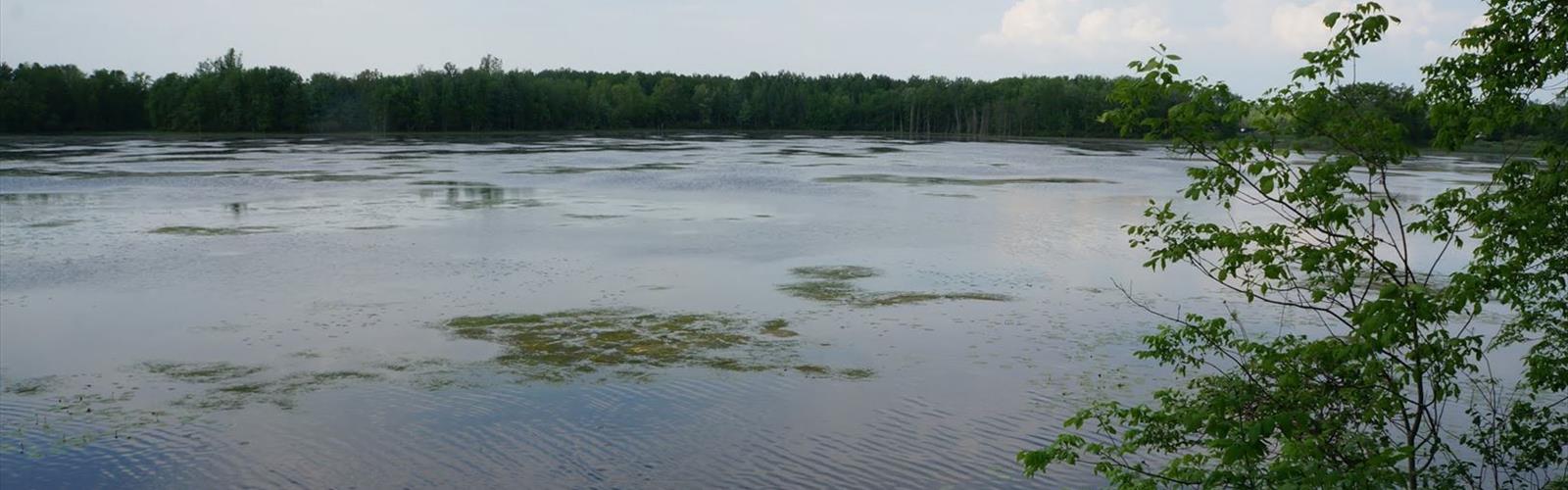
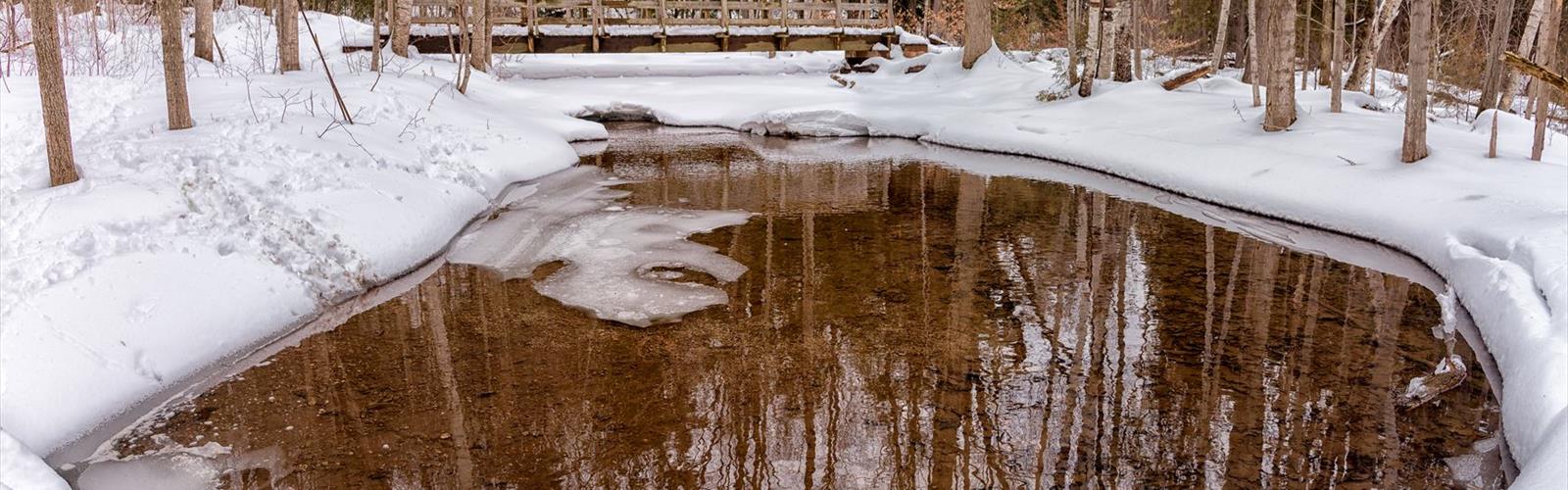
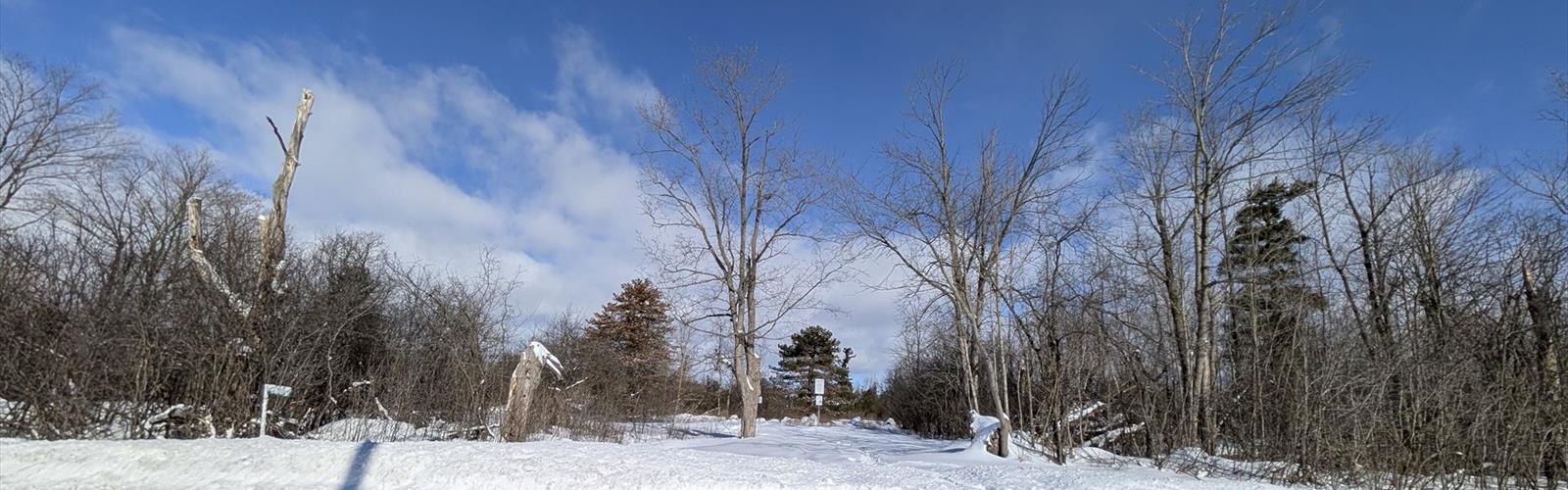
While hiking remains the primary draw, this region offers abundant opportunities for outdoor recreation. Rock climbing enthusiasts flock to the escarpment's limestone cliffs, while mountain bikers explore dedicated trail systems. The numerous conservation areas provide excellent birdwatching opportunities, particularly during spring and fall migrations. Winter transforms the landscape into a wonderland for snowshoeing and cross-country skiing.
Many trails connect to picnic areas, beaches, and historic sites, making them perfect for full-day family outings.
Planning Your Adventure
The best time for hiking in Hamilton, Halton and Brant spans from April through October, with peak conditions in late spring and early fall. Summer offers lush greenery and warm weather, though some trails can be busy on weekends. Winter hiking is possible but requires proper preparation and equipment.
Most trailheads offer parking facilities, and many are accessible via public transportation. Essential gear includes sturdy hiking boots for escarpment terrain, plenty of water, and layers for changing weather conditions. Trail maps and current conditions should be checked before departure, as some areas may have seasonal restrictions or closures.