Why I Wanted to Create This Guide to Start Hiking
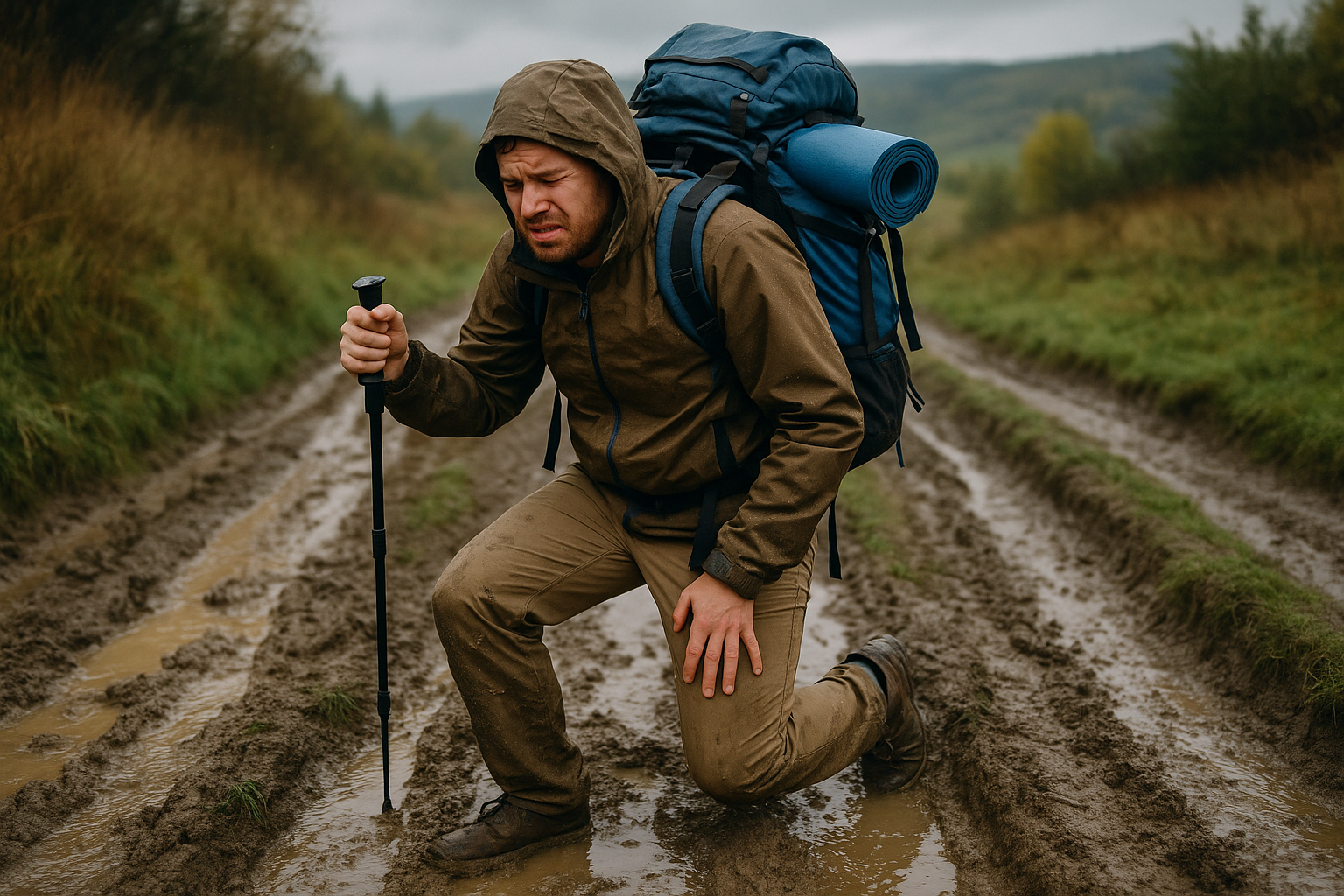
You know, after 15 years of hiking the trails of Quebec and beyond, I've seen thousands of people who wanted to know how to start hiking but didn't know where to begin. How many times have I crossed paths with families wearing running shoes in the mud of Mont Orford, or couples who give up after 20 minutes because they underestimated the difficulty! Hiking is accessible to everyone — but there are a few basic tricks to know so that your first experience is memorable for the right reasons. No way you're going to experience what I went through on my first outing: 6 hours in the rain with soaked jeans and blisters on my feet. Ouch! In this guide, I'm going to give you everything you need to know to take your first steps with confidence: how to choose your first trail, the truly essential equipment (spoiler: it's less than you think), and especially, the mistakes to avoid so you'll just be excited to go back out.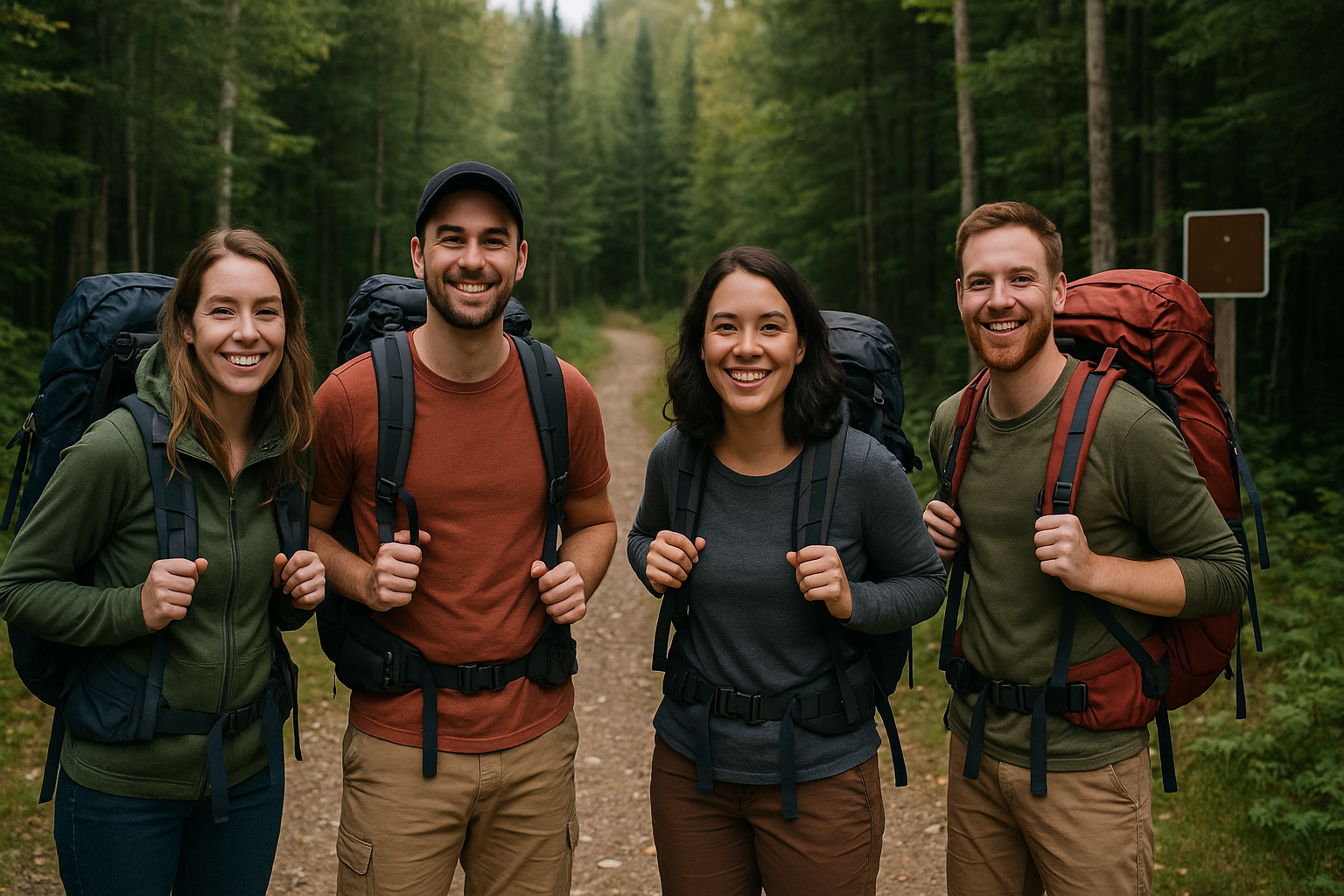
Which Trail to Choose for Your First Hike?
This is THE question everyone asks me: "François, what's a good trail to start with?" My answer might surprise you, but the best trail for beginners is one that's close to home and between 2 and 5 km.
💡 Pro tip — Start with a trail under 5 km with less than 200 meters of elevation gain. You'll have plenty of time to explore the big challenges later!
Here are my criteria for a perfect beginner trail:
| Type of hiker | Recommended distance | Approximate duration |
|---|---|---|
| Completely sedentary | 1-2 km | 30-60 minutes |
| Occasional walking | 2-4 km | 1-2 hours |
| Regularly active | 4-6 km | 2-3 hours |
Classic Mistakes in Choosing Your First Trail
I made the mistake myself: aiming too high to impress. My first "real" trail was Mount Washington in New Hampshire. Result? I spent half the descent wondering why I was inflicting this on myself! Avoid these beginner traps: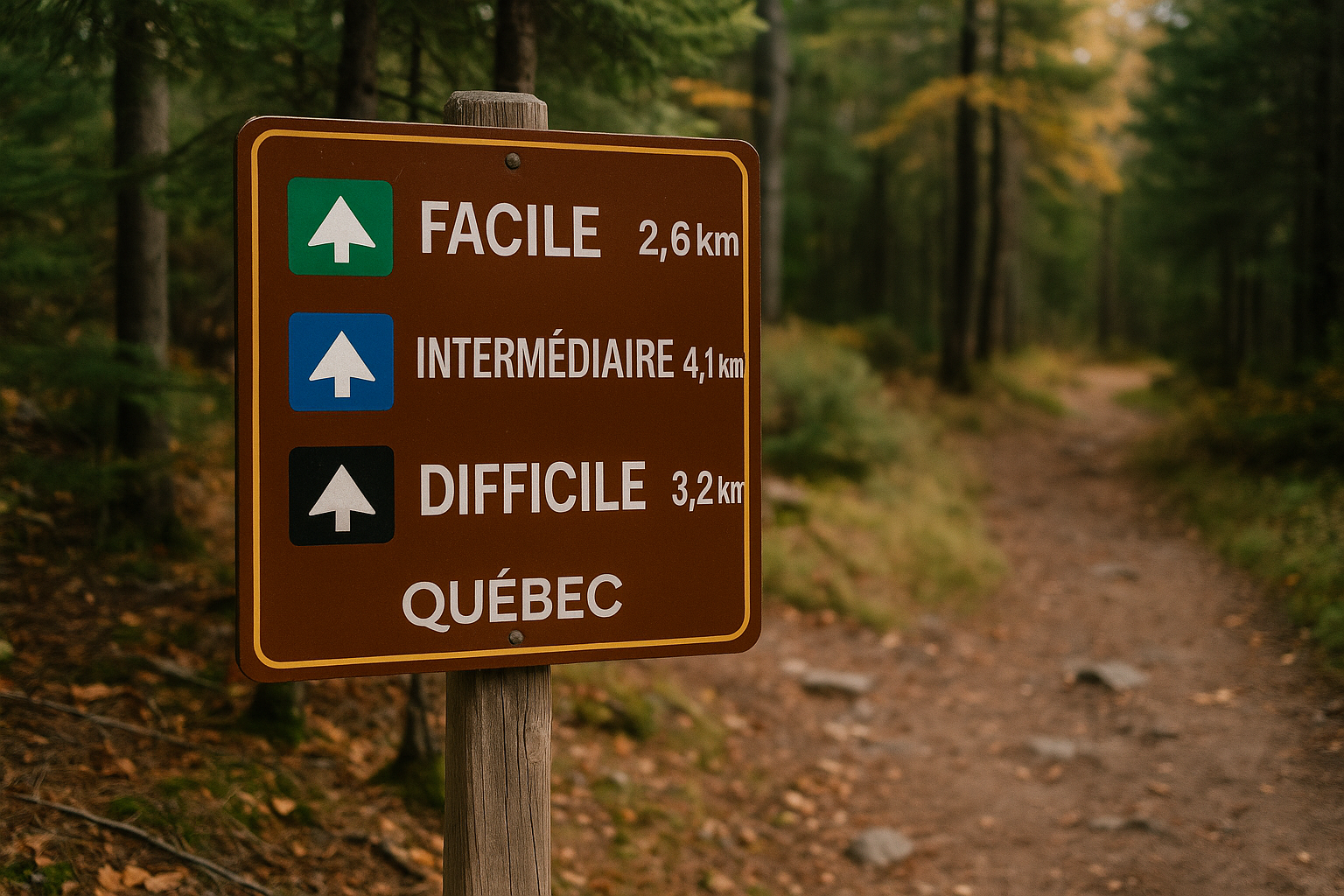
Essential Equipment (Without Breaking the Bank)
Good news: you don't need to empty your bank account to start hiking! The outdoor industry sometimes tries to make us believe you need $2000 worth of equipment to set foot on a trail. That's nonsense.
📌 Good to know — For your first outings, you can very well use what you already have at home. The important thing is to get out there!
The truly essential equipment to start:
On your feet:
Smart Purchases When You're Ready
When you've done a few outings and know it's your thing, here's the order to invest in: 1. Good hiking boots ($150-250) 2. A comfortable backpack ($100-200) 3. Technical clothing (according to your budget)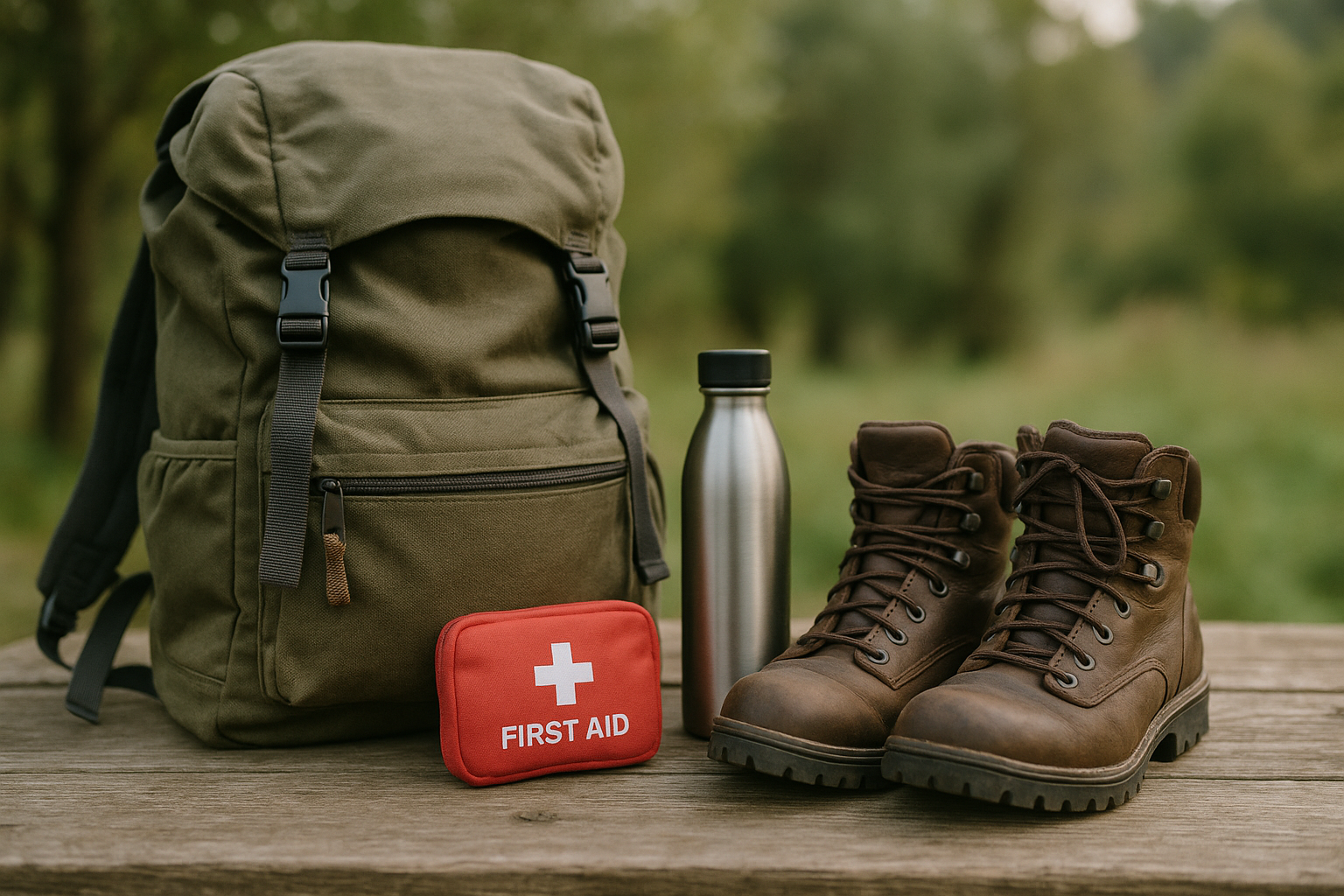
How Long Does a First Hike Take?
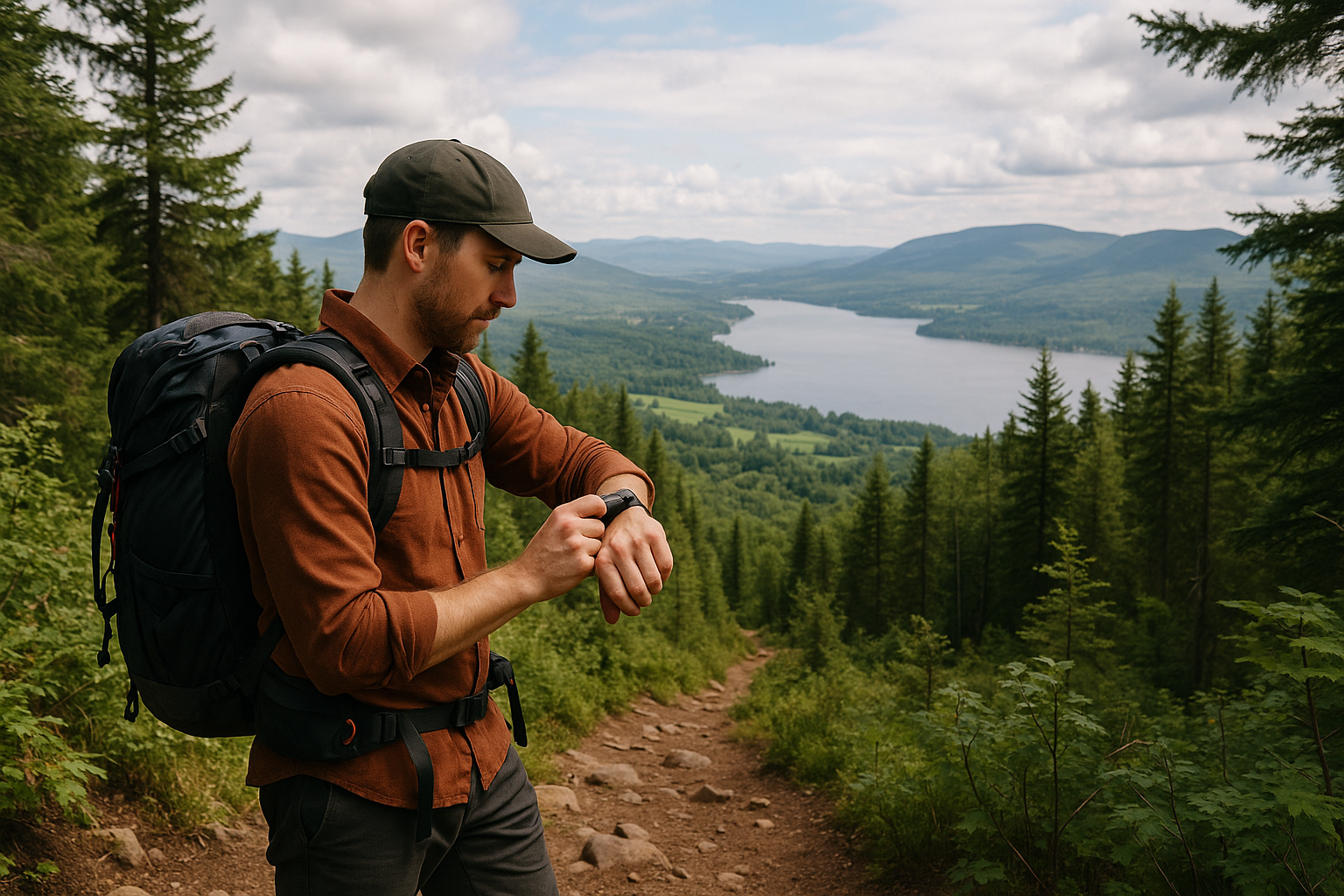
Here's the golden rule I learned the hard way: your first hike will always take longer than expected. Always. It's mathematical. To calculate the time for your first outing, use this simple formula:
⚠️ Warning — Always start your hike at least 4 hours before sunset. Being caught in the dark without experience is the kind of memory we want to avoid.
Concrete example:
A 4 km trail with 150 meters of elevation gain:
Planning Your First Outing
My advice? Choose a beautiful day, leave early (around 9am), and plan to be back for lunch. That way, you have the whole day ahead of you if it takes longer than expected. Best times to start:
📥 Download our free gifts — The complete list of everything to bring hiking, to check before each outing. Perfect for beginners!
Get my gifts →
Get my gifts →
The 5 Mistakes Every Beginner Makes (And How to Avoid Them)
Ah, beginner mistakes! I've made my share, and I still see them every weekend on the trails. The good news is they're all avoidable if you know what to expect.Mistake #1: Wearing Cotton in Wet Weather
Cotton is the hiker's enemy #1. It absorbs moisture like a sponge and never dries. I learned this the hard way during a rainy hike in Charlevoix — I spent 4 hours shivering in my soaked cotton t-shirt. The solution: Favor synthetic fabrics or merino wool. Even an old polyester sports t-shirt is 100 times better than cotton.Mistake #2: Leaving Without Checking the Weather
"It's nice in the city, it'll be fine!" Wrong. In the mountains, weather changes quickly, and it's often different from down below. A cloud can transform a beautiful day into a nightmare. The solution: Always check the weather specific to your hiking region, and bring a waterproof layer, even if the sun is shining.Mistake #3: Not Bringing Enough Water
Dehydration hits faster than you think, especially when you're not used to prolonged effort. The general rule: 500 ml per hour of effort, minimum.Mistake #4: Blindly Following Your GPS
Your cell phone can lead you to weird places. I've seen people follow Google Maps and end up on private property or closed trails. The solution: Use specialized apps like AllTrails or official park maps.Mistake #5: Not Telling Anyone Where You're Going
This is perhaps the most dangerous mistake. If you get injured or lost, no one will know where to look for you.
💡 Pro tip — Always send a text with your itinerary and expected return time to someone you trust. It's free and can save your life.
Your First Steps: Where to Really Start
OK, enough theory! You're at the point where you just want to get out and try. Here's my 3-step action plan to make your first experience a success.Step 1: Your First "Micro-Hike"
Start small. Really small. Choose a 2-3 km trail near you, ideally in an urban or peri-urban park. The goal is to test your equipment and see how your body reacts. For Montreal, Parc du Mont-Royal is perfect. For Montérégie, try Parc Michel-Chartrand — it's accessible and well-maintained.Step 2: Your First "Real" Hike
Once you've done 2-3 micro-outings, move to the next level: a 4-6 km trail with a bit of elevation gain. This is where it gets really fun! Mont Yamaska is excellent for this stage — enough challenge to make you feel proud, but nothing insurmountable.Step 3: Find Your Crew or Solo Rhythm
After a few outings, you'll know if you prefer hiking alone or in a group. Both have their advantages: In a group:"The mountain doesn't care about your experience, but it always rewards your preparation."
When You're Ready for What's Next
Once you've done a few hikes and caught the bug (and trust me, it will happen!), you'll want to explore further. It's normal and exciting!Signs You're Ready for Bigger Challenges
The Next Steps
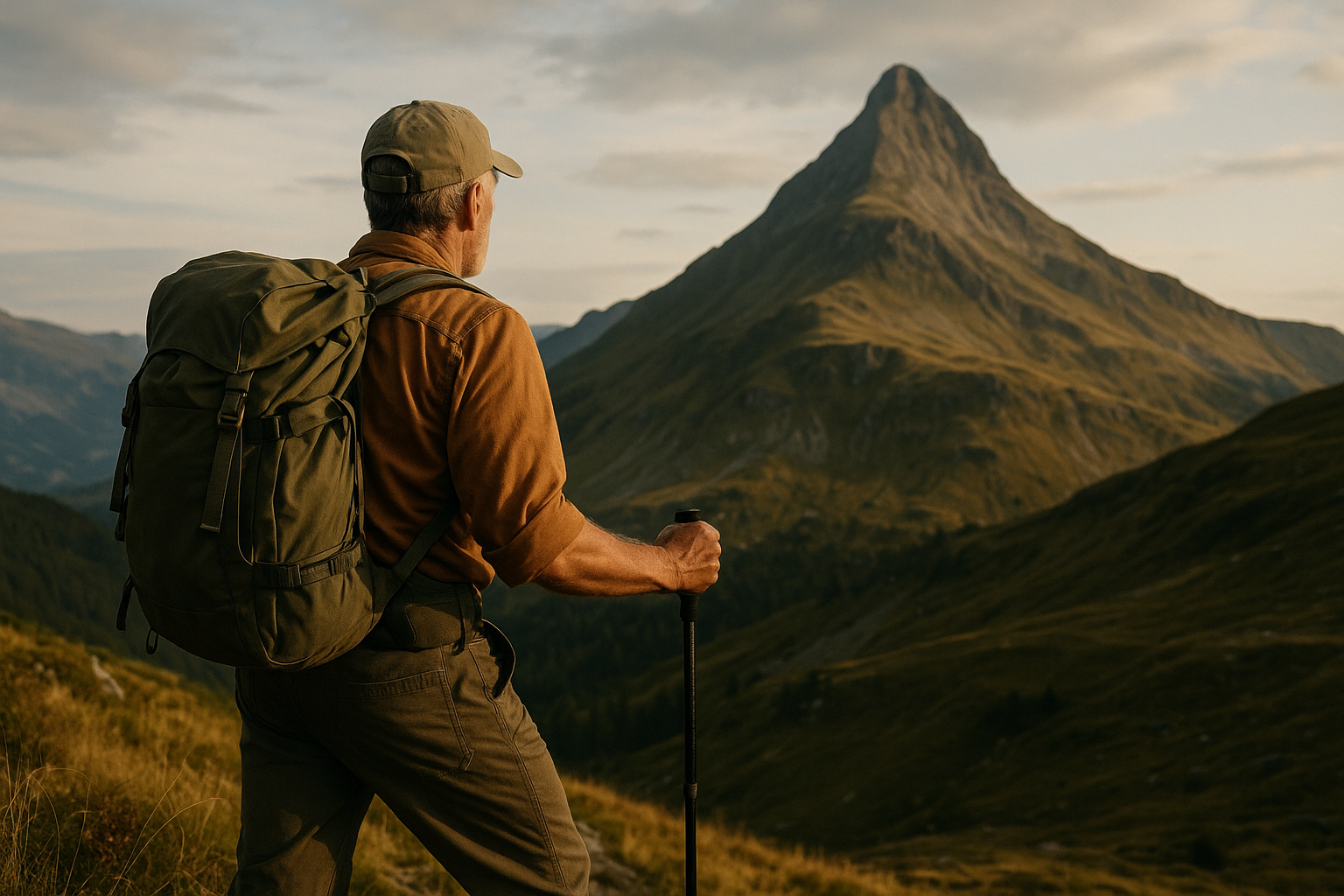
When you get there, you can start exploring places like Mont du Lac des Cygnes or the Hautes-Gorges de la Rivière Malbaie. But for now, focus on the basics!
📌 Good to know — There's no rush. It took me 3 years before doing my first hike over 15 km, and I loved every step of the progression.
My Final Field Tips
After all these years on the trail, there are a few things I wish someone had told me when I started. Little things that make a big difference.Listen to Your Body
If it hurts, stop. If you're out of breath, slow down. Hiking isn't a race. Some of my best memories are sitting on a rock catching my breath while admiring the view.Take Photos, But Not Too Many
Yes, take photos to immortalize the moment. But don't forget to look up from your phone and really look around you. The most beautiful images stay in your head.Respect Nature and Others
Pack out your trash, stay on trails, greet other hikers. We all share the same passion, and we want to keep these mountains beautiful for future generations.Ready for Adventure?
There you have it, you now have everything you need to start hiking with confidence! To summarize the essential points: • Start small — 2-5 km maximum for your first outings • Basic equipment is enough — no need to break the bank from the start • Always plan — weather, itinerary, and inform someone of your plans • Avoid classic mistakes — cotton, lack of water, and overly ambitious trails • Listen to your body — progression happens gradually Hiking is much more than physical exercise. It's a way to reconnect with nature, disconnect from daily life, and discover breathtaking landscapes. Each trail has its own personality, its own challenges and its own rewards. So what are you waiting for? This weekend, choose a small trail near you, put on your shoes, and go see what's waiting for you outside. I guarantee you'll come back with a smile and the desire to do it again. Welcome to the big family of hikers!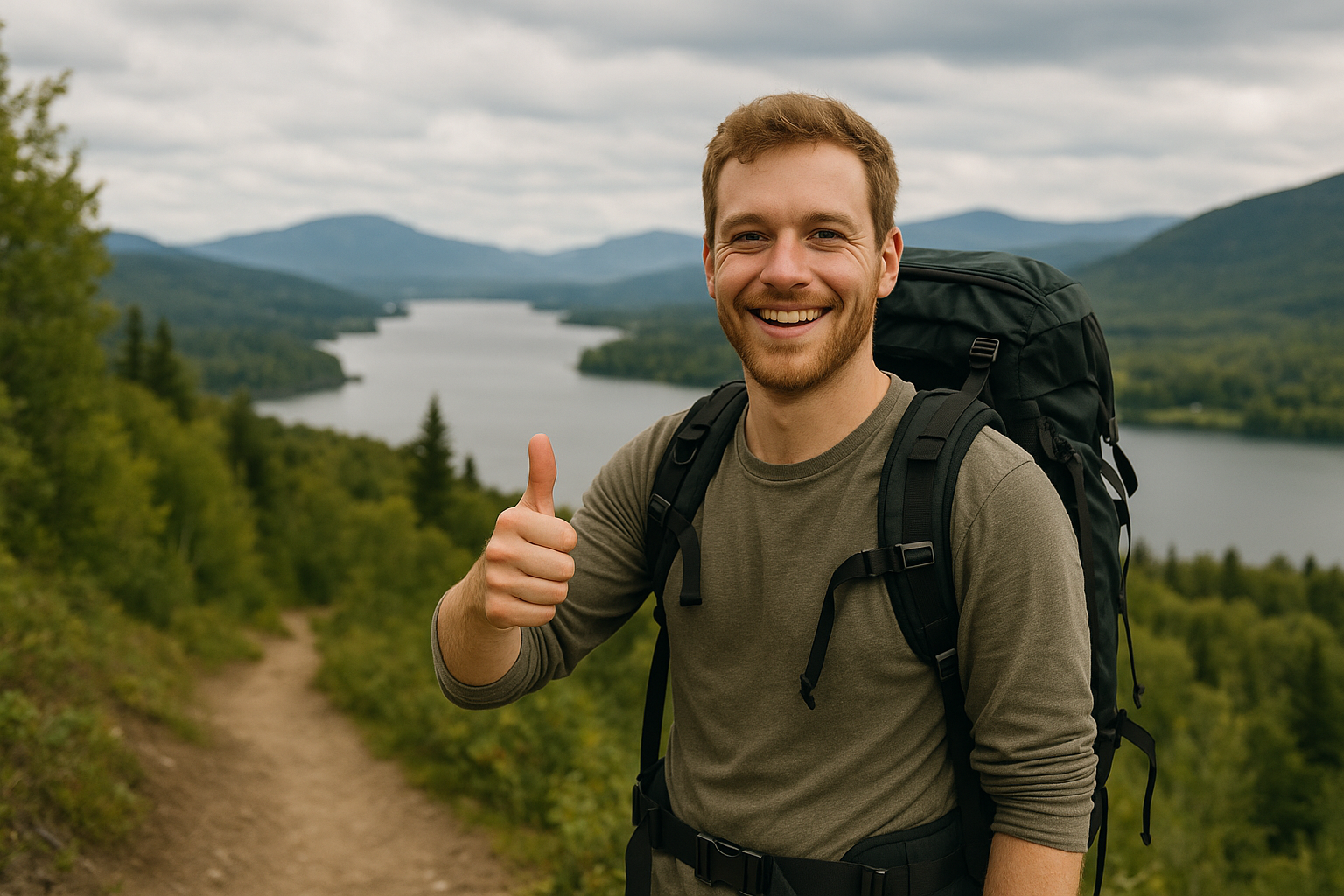

About the author
François Dumaine
Founder of Let's Go Play Outside
A passionate hiker, photographer and content creator, François has been hiking the trails of Quebec and Alberta since 2014. He founded Let's Go Play Outside to give you the information he wished he had before heading out.
Newsletter
Content that makes you want to go outside
Every week, a trail idea, a reflection on nature, or a tip worth the detour. Zero spam. Only the essentials.
Joined by 12,000+ outdoor enthusiasts
Read next
Continue the journey