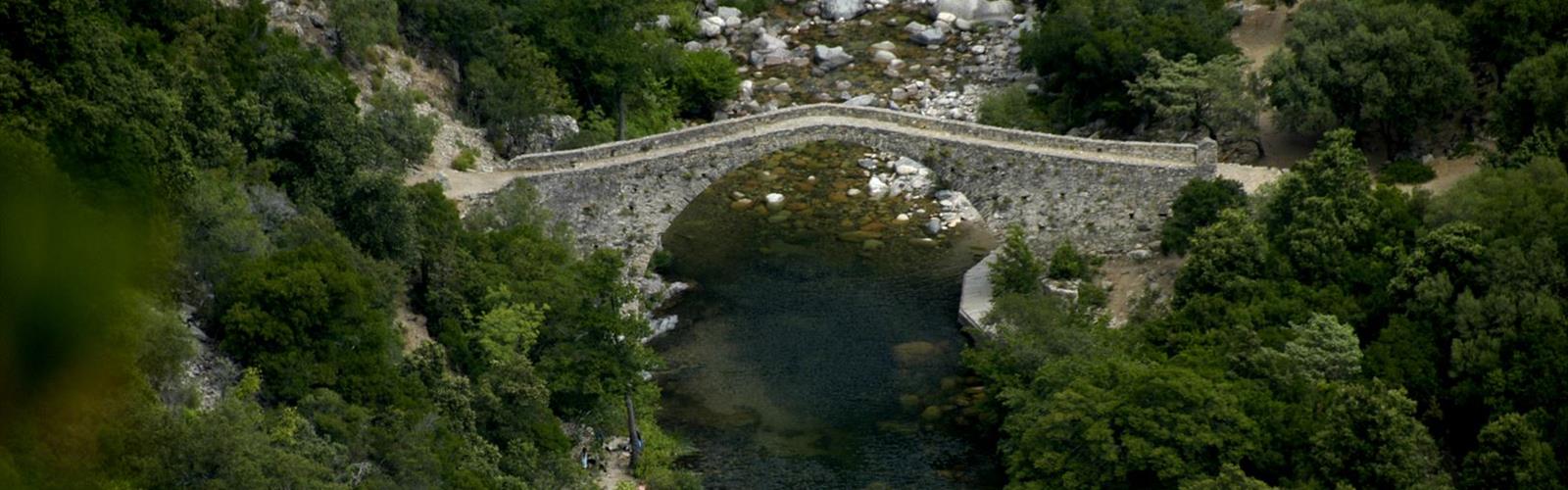
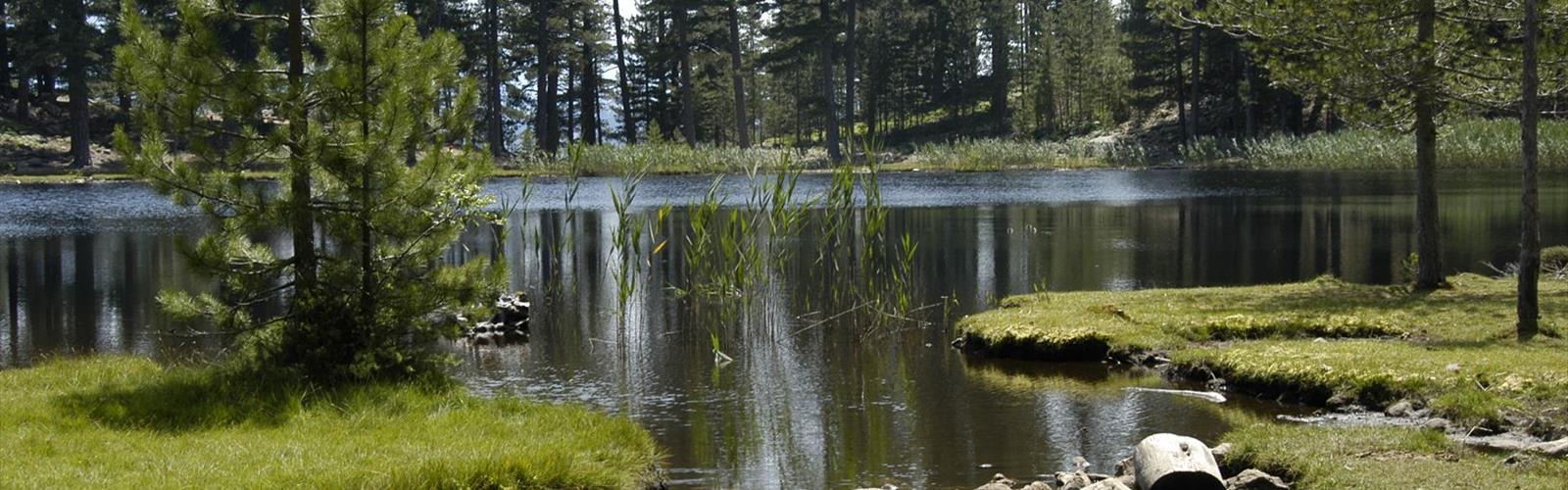
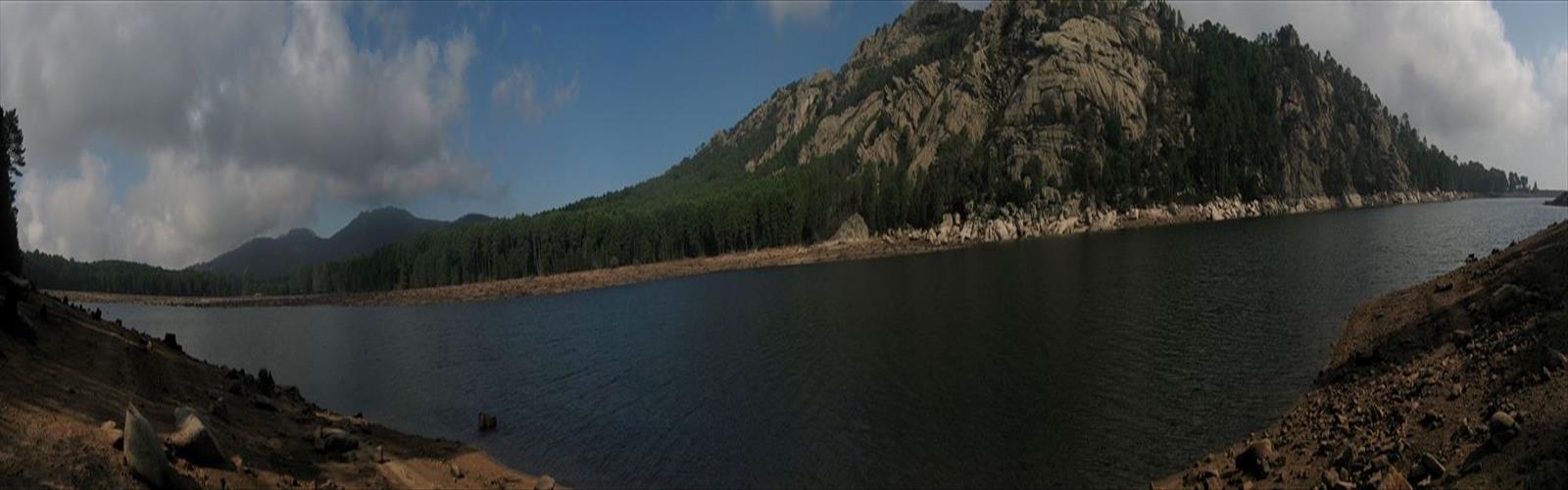
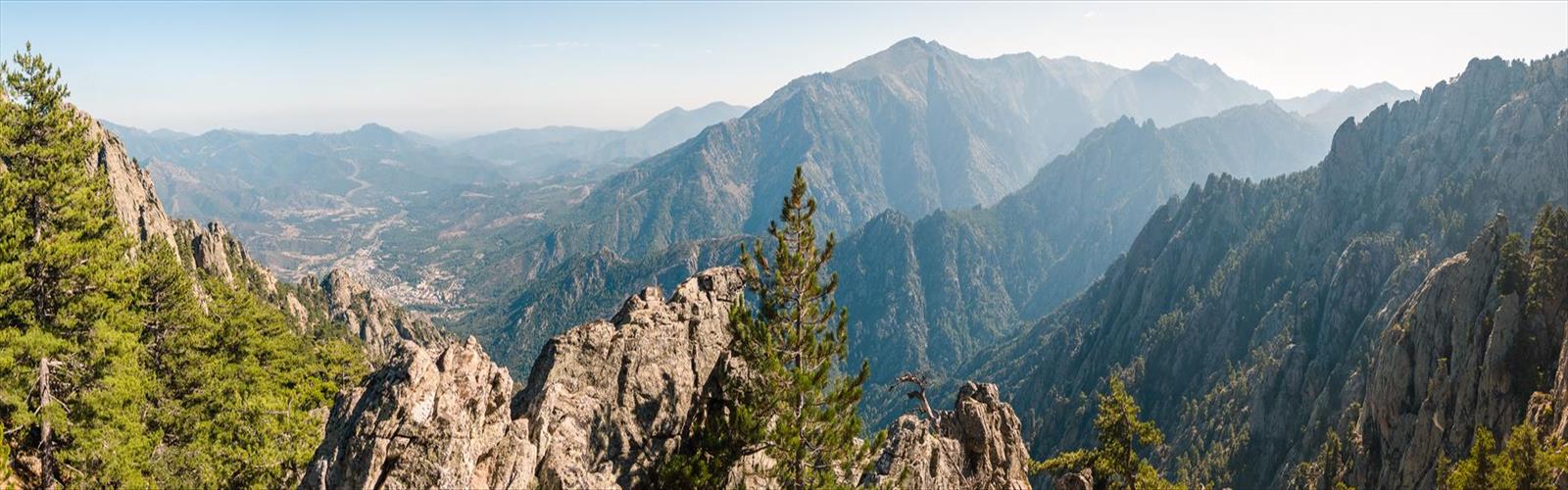
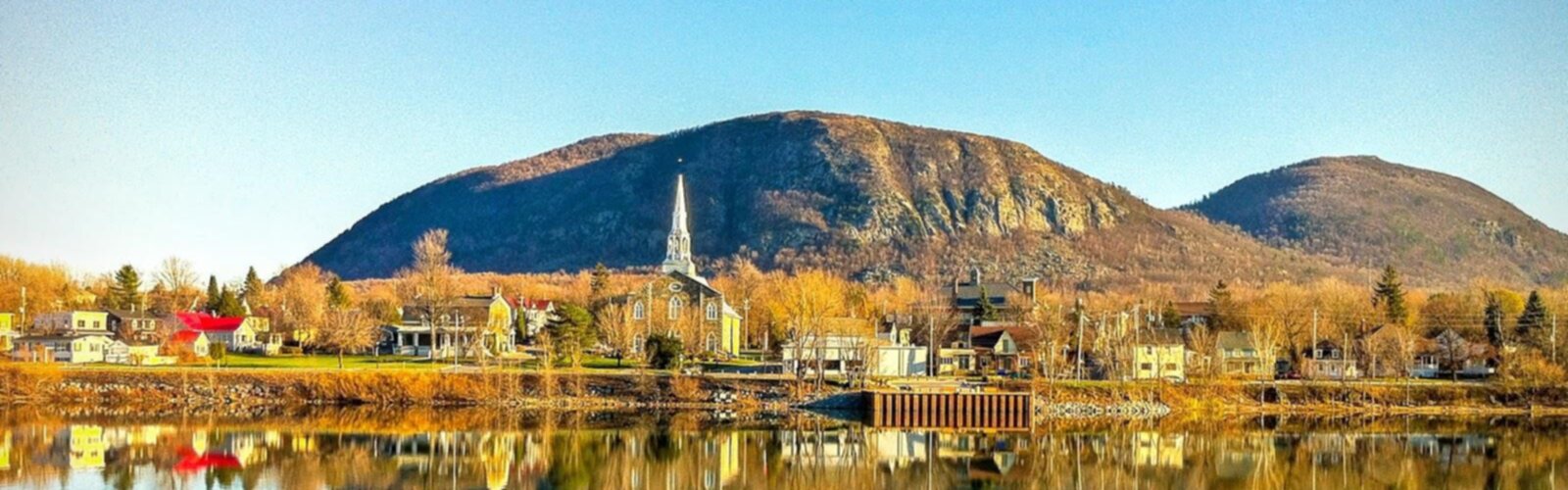
Corsica stands as one of the Mediterranean's most spectacular hiking destinations, where rugged mountain peaks plunge dramatically into azure waters. This "Island of Beauty" spans 8,680 square kilometers of diverse terrain, offering an extraordinary blend of alpine landscapes, pristine coastlines, and ancient forests. From the legendary GR20 traverse to gentle coastal paths, Corsica delivers world-class hiking experiences that rival any mountain destination in Europe.
Major Hiking Regions
The island's hiking opportunities are concentrated across several distinct regions, each offering unique landscapes and challenges. The central mountain spine forms the backbone of Corsica's most demanding trails, featuring granite peaks exceeding 2,700 meters and deep valleys carved by centuries of erosion. The northern Cap Corse peninsula provides dramatic coastal hiking with sweeping Mediterranean views, while the southern regions around Bavella offer stunning needle-like rock formations and pine forests.
The western coast encompasses the UNESCO World Heritage Scandola Nature Reserve, accessible only by boat or challenging mountain approaches, while the eastern plains feature gentler terrain perfect for family hiking and nature observation.
Iconic Corsican Trails
Legendary Long-Distance Routes
The GR20 stands as Europe's most challenging long-distance hiking trail, traversing the island's mountainous spine over 180 kilometers of technical terrain. This legendary route attracts serious hikers from around the world seeking the ultimate Corsican adventure.
The Mare a Mare trails offer more accessible cross-island experiences, connecting the Mediterranean and Tyrrhenian coasts through traditional villages and varied landscapes, perfect for discovering authentic Corsican culture alongside natural beauty.
Coastal and Mountain Highlights
The Sentier des Douaniers coastal path reveals hidden coves and dramatic cliff formations, while ascents of Monte Cinto, Corsica's highest peak, reward hikers with panoramic island views. The Bavella Needles circuit showcases the island's most photogenic rock formations, and the Restonica Valley provides access to pristine mountain lakes and granite amphitheaters.
Trails for Every Skill Level
Corsican hiking caters to all experience levels, from gentle family walks to extreme alpine challenges. Beginner-friendly options include coastal paths around Bonifacio's limestone cliffs and forest walks in the Castagniccia region, where ancient chestnut groves provide shade and cultural insights.
Intermediate hikers can tackle day hikes to mountain lakes, village-to-village connections, and moderate sections of the GR20. Expert adventurers will find technical scrambling, via ferrata routes, and multi-day wilderness traverses that demand navigation skills and mountain experience.
Year-Round Outdoor Adventures
Corsica's Mediterranean climate enables hiking throughout most of the year, with each season offering distinct advantages. Spring and autumn provide ideal conditions with mild temperatures, blooming maquis vegetation, and fewer crowds on popular trails.
Summer hiking focuses on high-altitude routes and early morning starts, while coastal paths offer refreshing swimming opportunities. Winter months bring snow to higher elevations, creating opportunities for snowshoeing and winter mountaineering, while lower elevations remain accessible for hiking.
Diverse Natural Landscapes
The island's geological diversity creates remarkably varied hiking environments within a compact area. Granite mountains dominate the interior, featuring dramatic peaks, cirques, and pristine alpine lakes. Dense Corsican pine forests cover middle elevations, while the distinctive maquis scrubland blankets lower slopes with aromatic herbs and flowering shrubs.
Corsica's endemic wildlife includes wild boar, mouflon sheep, and numerous bird species, while the surrounding waters support dolphins and occasional whale sightings from coastal trails. The island's isolation has preserved unique plant species found nowhere else in the Mediterranean.
Planning Your Corsican Hiking Adventure
The optimal hiking season extends from April through October, with May, June, and September offering the best combination of weather and trail conditions. Ferry connections from mainland France and Italy provide access to major ports in Bastia, Ajaccio, and Porto-Vecchio.
Accommodation options range from mountain refuges along the GR20 to traditional gîtes d'étape in villages, plus camping and hotel options in coastal towns. The Corsica Regional Natural Park protects much of the island's interior, maintaining trail networks and providing visitor information for planning safe and responsible hiking adventures.