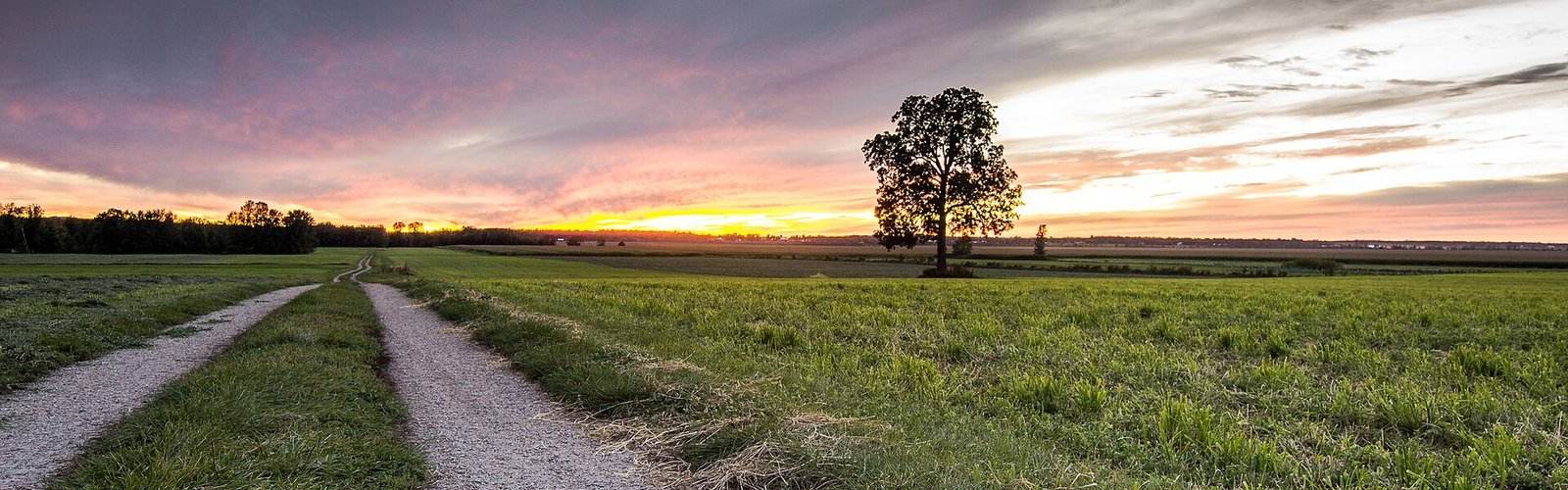
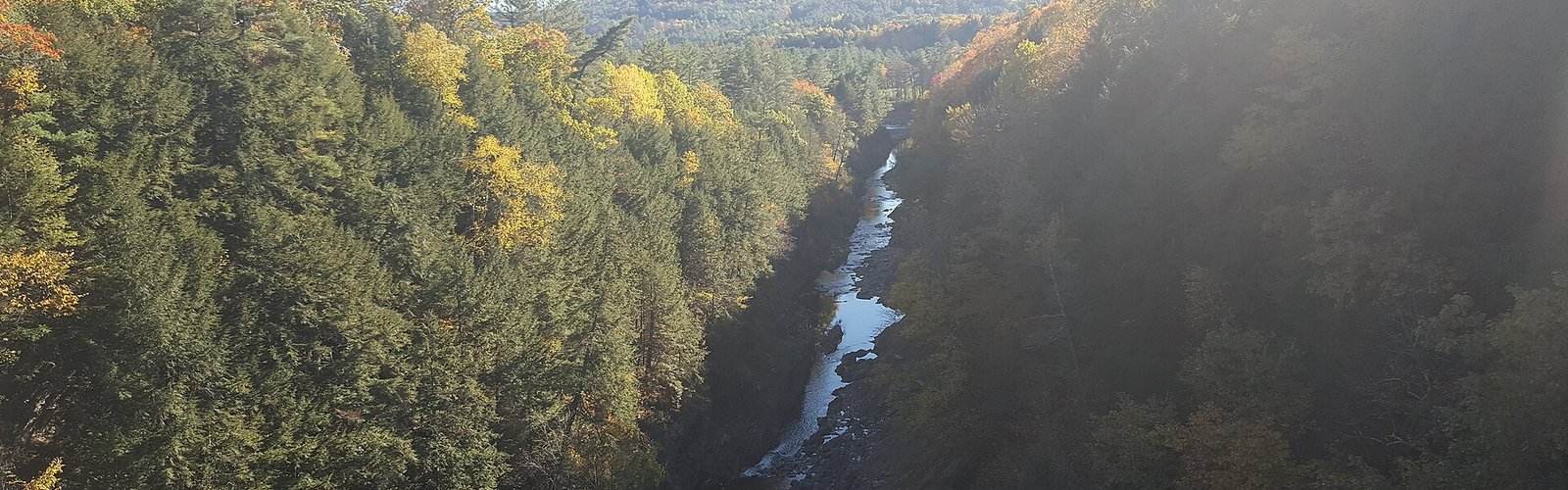
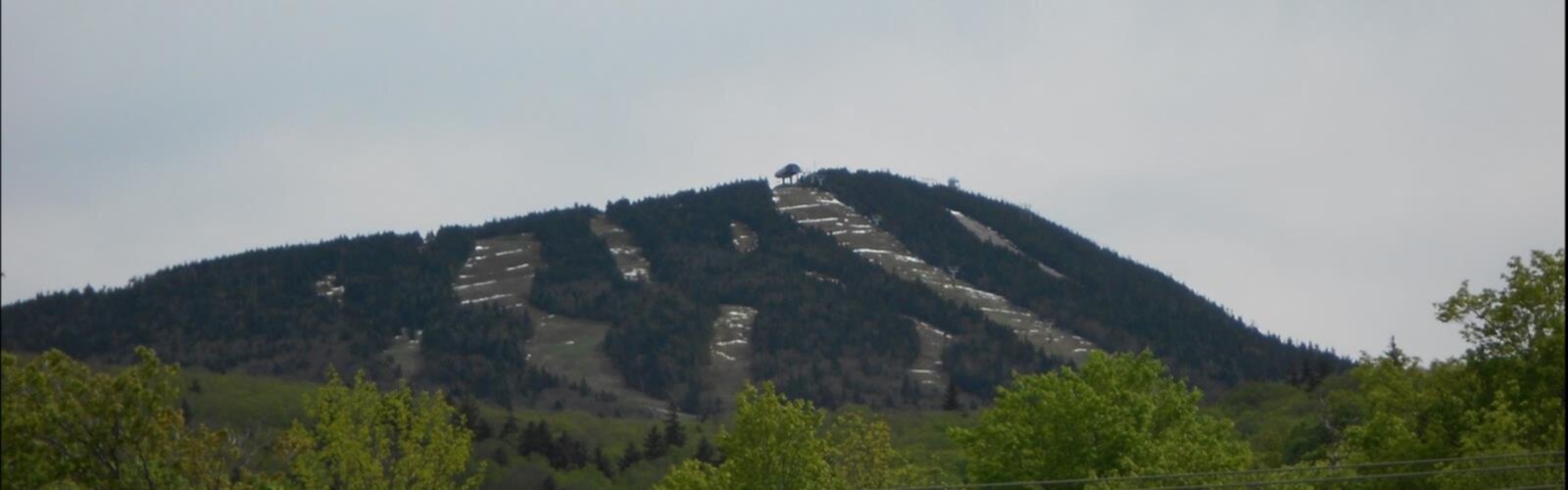
Vermont stands as one of New England's premier hiking destinations, offering an extraordinary tapestry of mountain trails, pristine wilderness, and scenic beauty across its 9,616 square miles. From the iconic peaks of the Green Mountains to tranquil valley paths, Vermont's diverse landscape provides unforgettable outdoor adventures for hikers of all abilities. The state's commitment to conservation and trail maintenance has created an extensive network of well-marked paths that showcase the very best of Vermont's natural heritage.
The Green Mountains: Vermont's Hiking Crown Jewel
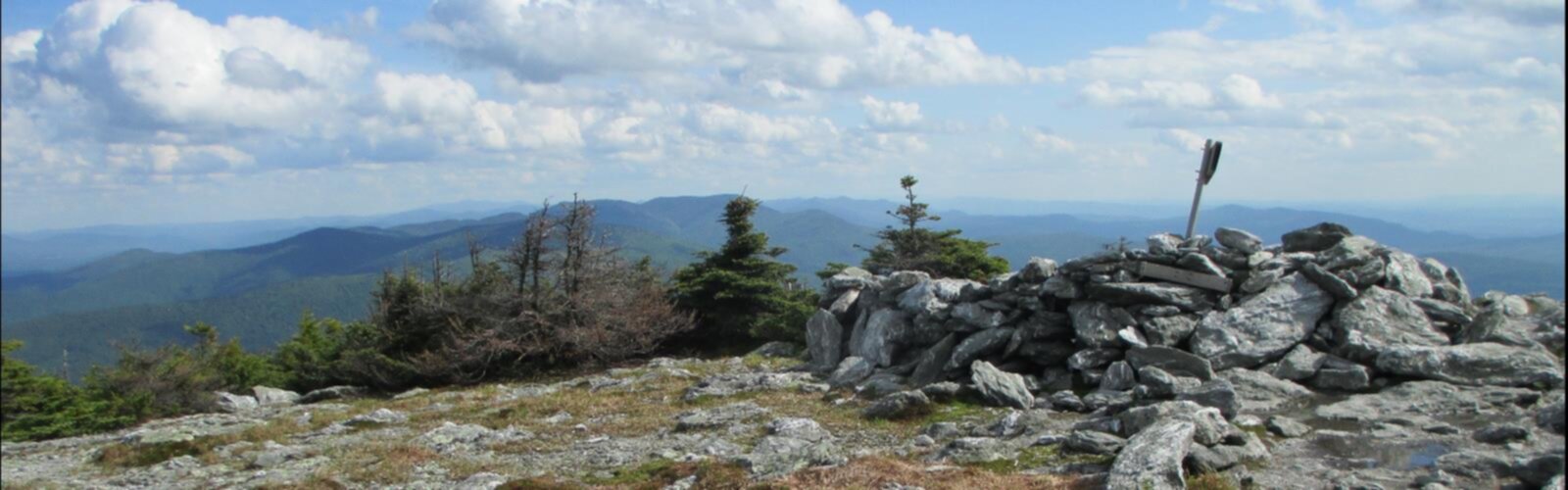
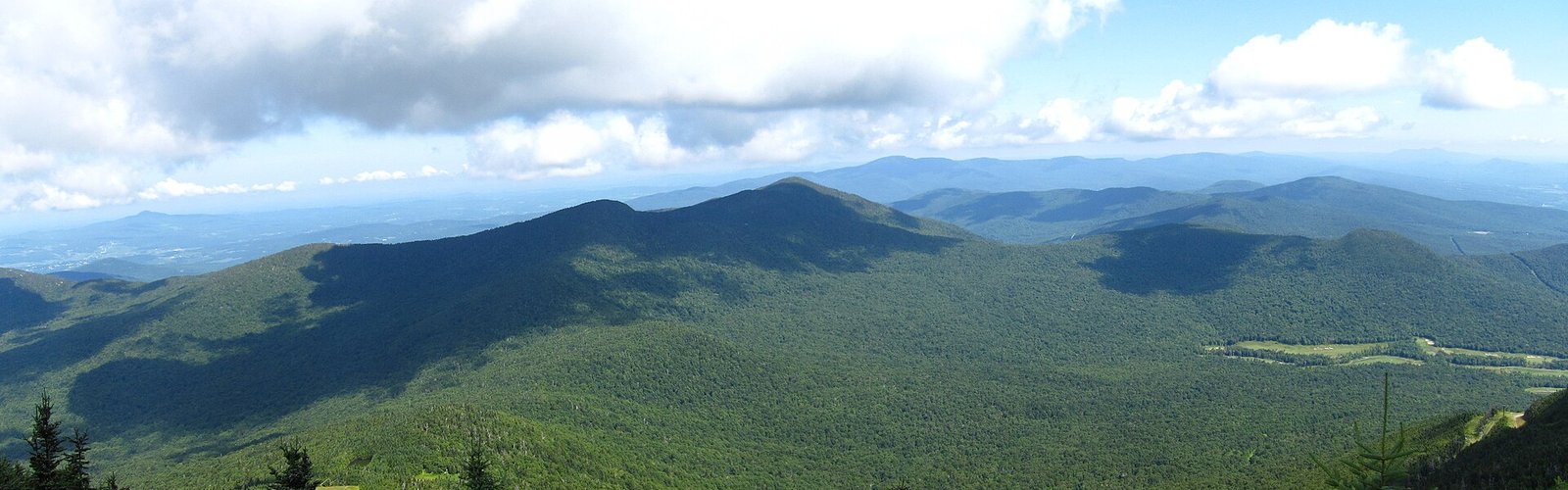
The Green Mountain range forms the backbone of Vermont's hiking scene, stretching north to south through the heart of the state. This ancient mountain chain offers everything from gentle ridge walks to challenging summit climbs. The Green Mountain National Forest encompasses much of the southern portion, providing protected wilderness areas and pristine hiking conditions. Northern sections feature the state's highest peaks, including Mount Mansfield and Camel's Hump, both offering spectacular panoramic views of the surrounding landscape.
Northeast Kingdom and Northern Regions
Vermont's Northeast Kingdom presents a more remote and wild hiking experience, with extensive trail networks through dense forests and around pristine lakes. This region offers excellent opportunities for multi-day backpacking adventures and wildlife observation, with moose, black bears, and diverse bird species calling these forests home.
Iconic Vermont Hiking Trails
Vermont boasts numerous sentiers emblématiques that define the state's hiking reputation. Mount Mansfield, Vermont's highest peak at 4,393 feet, offers multiple route options including the challenging Sunset Ridge Trail and the more moderate Toll Road approach. Camel's Hump provides one of Vermont's most recognizable silhouettes and features well-maintained trails leading to spectacular 360-degree summit views.
The Long Trail, America's oldest long-distance hiking trail, traverses the entire length of Vermont for 273 miles along the Green Mountain ridge. Day hikers can access numerous sections of this historic trail, while serious backpackers can attempt multi-day segments. Mount Equinox near Manchester offers accessible hiking with rewarding summit views, while Stratton Mountain provides excellent hiking opportunities combined with seasonal resort amenities.
Hiking for Every Skill Level
Vermont's trail network accommodates hikers from beginners to seasoned mountaineers. Family-friendly options include the Stowe Recreation Path, numerous state park trails, and gentle lakeside walks that provide beautiful scenery without technical challenges. Intermediate hikers can tackle moderate mountain ascents, waterfall hikes, and section hiking on the Long Trail system.
Advanced hikers will find plenty of challenging terrain, including steep mountain ascents, technical rock scrambles, and demanding multi-day backpacking routes through Vermont's wilderness areas. Winter hiking and snowshoeing add additional seasonal challenges for experienced outdoor enthusiasts.
Four-Season Outdoor Adventures
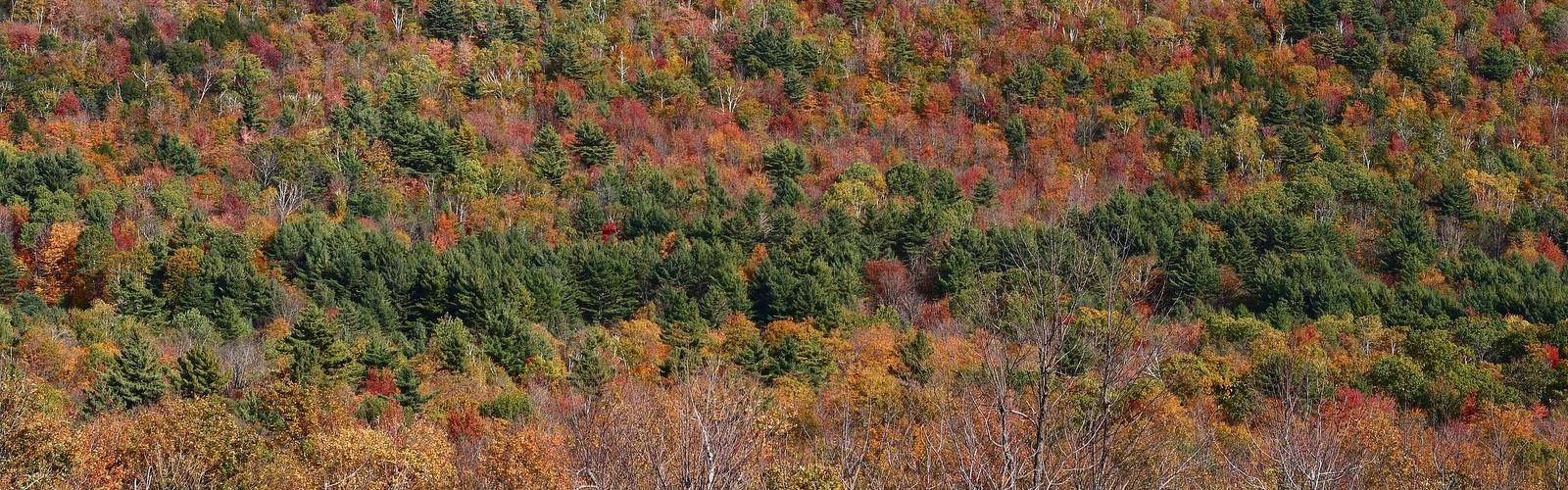
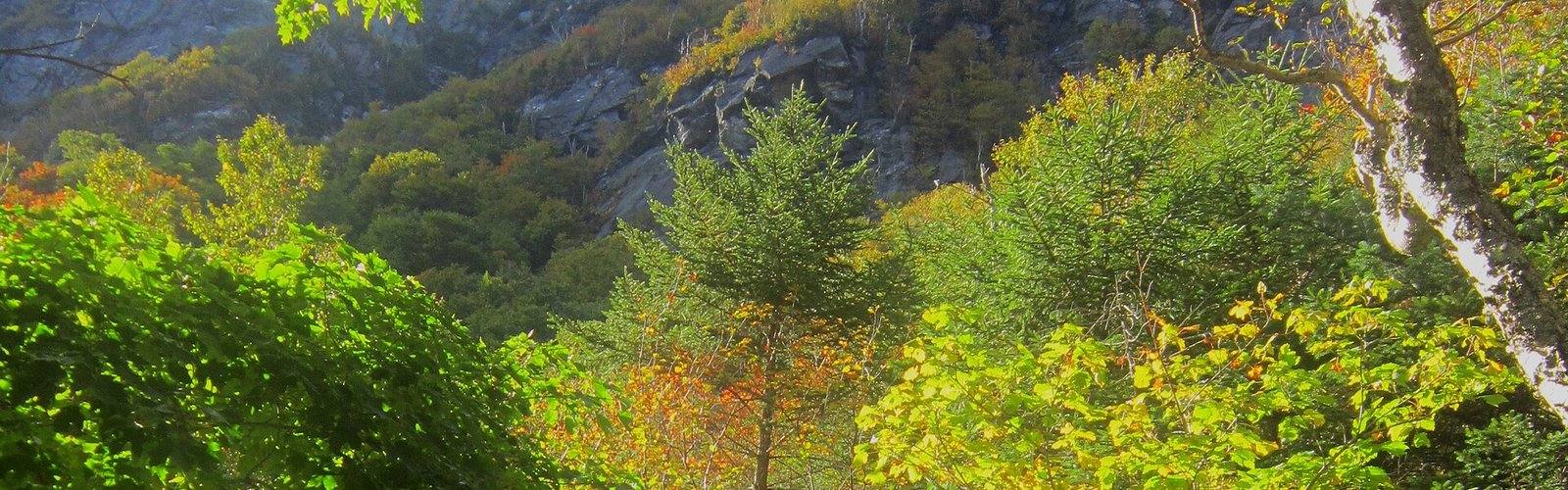
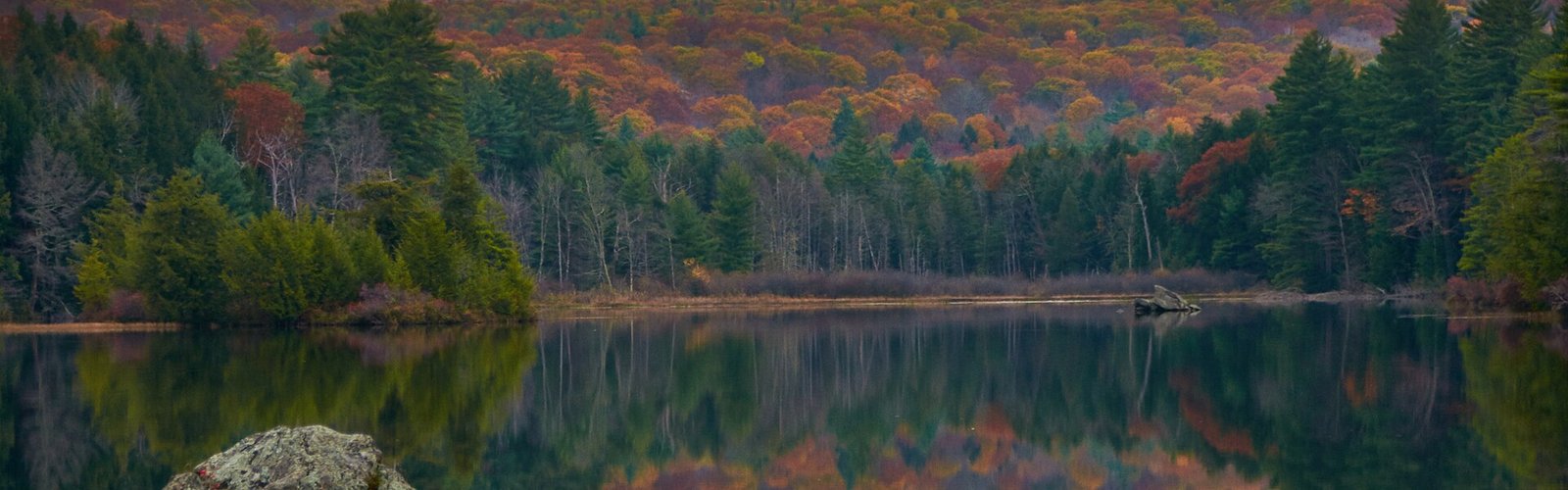
Vermont hiking transforms dramatically with each season, offering year-round outdoor opportunities. Summer and fall provide classic hiking conditions, with autumn bringing world-renowned foliage displays that attract visitors from around the globe. The vibrant reds, oranges, and yellows of Vermont's hardwood forests create spectacular hiking backdrops from late September through mid-October.
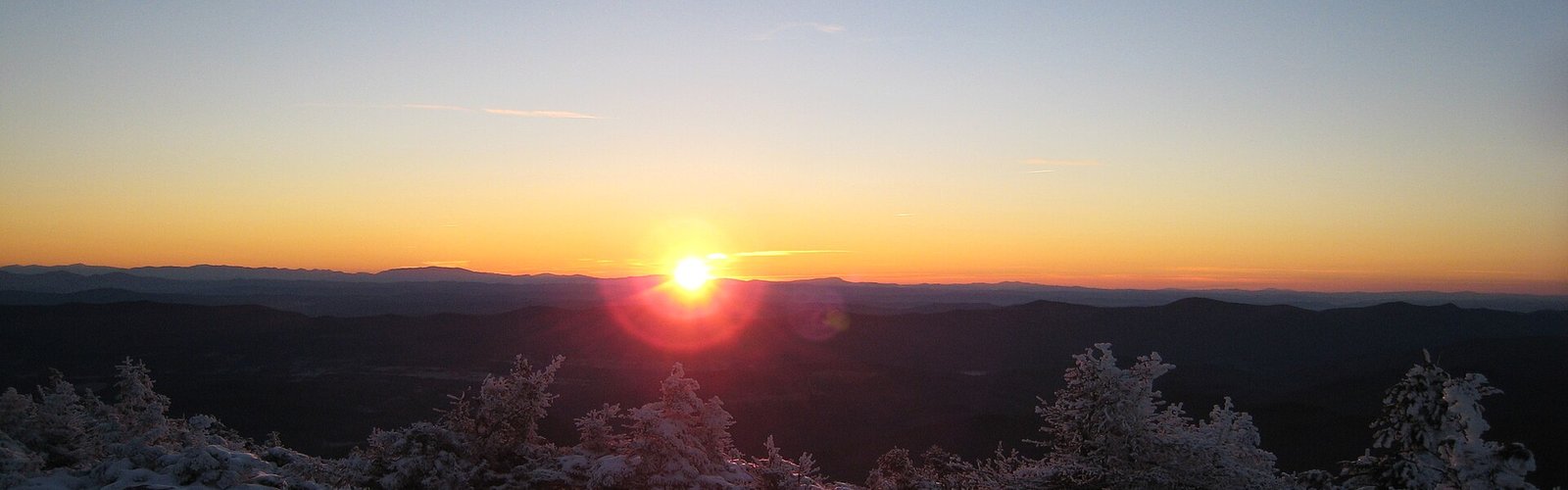
Winter activities include snowshoeing, cross-country skiing, and winter hiking on many of the same trails that provide summer adventures. Spring hiking offers unique opportunities to witness wildflower blooms and rushing waterfalls fed by snowmelt.
Vermont's Natural Landscape
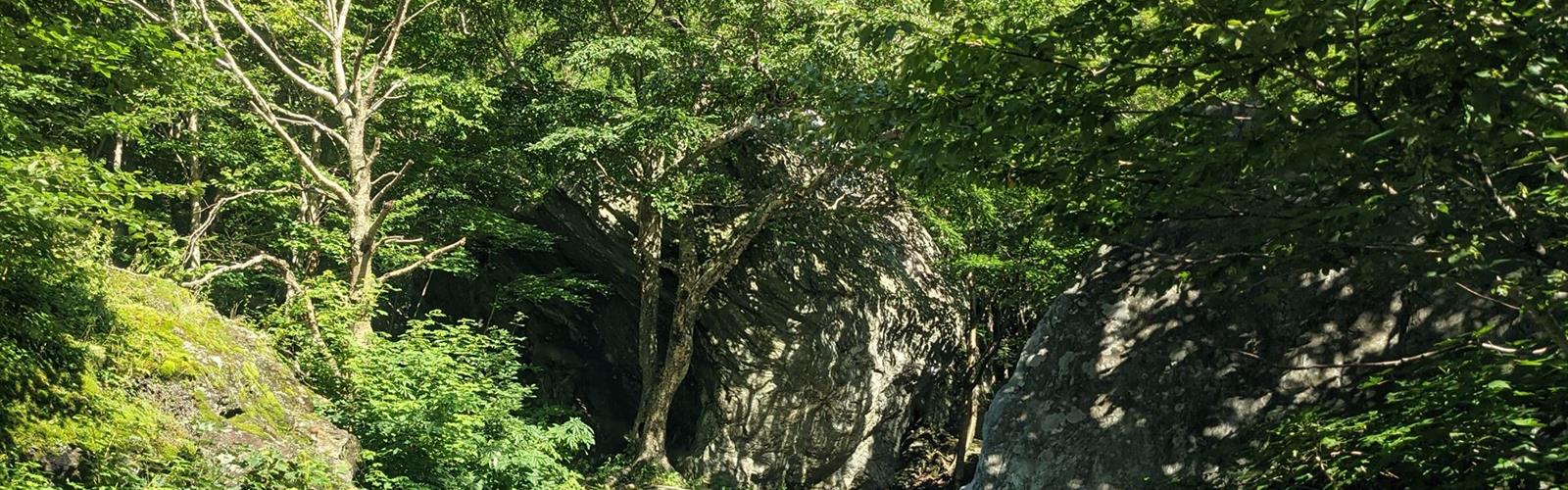
The state's diverse geography encompasses ancient mountain ranges, pristine lakes, rushing rivers, and extensive forest coverage. Vermont's forests consist primarily of northern hardwoods including maple, birch, and beech, interspersed with coniferous species at higher elevations. This rich ecosystem supports abundant wildlife, including black bears, white-tailed deer, moose, and over 200 bird species.
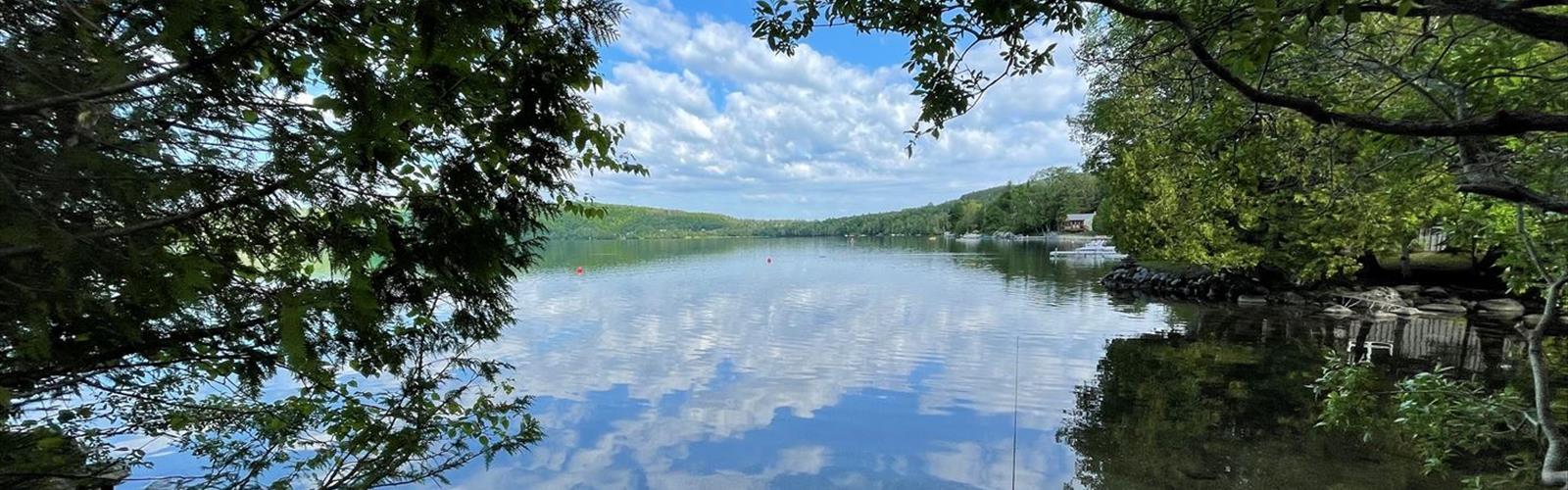
Numerous lakes and ponds dot the landscape, providing scenic destinations and refreshing swimming opportunities during warmer months. Waterfalls throughout the state offer spectacular hiking destinations, particularly during spring snowmelt season.
Planning Your Vermont Hiking Adventure
The optimal hiking season runs from May through October, with peak conditions typically occurring from June through September. Fall foliage season (late September to mid-October) offers spectacular scenery but requires advance planning due to increased visitor numbers.
Vermont is easily accessible from major northeastern cities, with Burlington serving as the primary gateway to northern hiking areas and Rutland providing access to central and southern regions. The state offers diverse accommodation options, from rustic mountain huts and campgrounds to luxury resorts and charming bed-and-breakfasts in historic Vermont towns.