The Hauts-de-France region stands as one of northern France's most captivating destinations for hiking enthusiasts, offering an unexpected diversity of landscapes across its 31,813 square kilometers. From dramatic coastal cliffs along the English Channel to rolling hills and ancient forests, this region seamlessly blends natural beauty with rich historical heritage. Whether you're seeking gentle countryside walks or challenging coastal treks, Hauts-de-France hiking trails provide unforgettable outdoor experiences just hours from major European cities.
Major Hiking Regions
The region encompasses several distinct hiking areas, each with unique characteristics. The Côte d'Opale stretches along the coastline, featuring spectacular chalk cliffs, expansive beaches, and the famous Cap Blanc-Nez and Cap Gris-Nez headlands. Inland, the Avesnois Regional Natural Park offers gentle rolling landscapes dotted with traditional villages and ancient bocage countryside. The Scarpe-Escaut Regional Natural Park provides diverse wetland environments and forest trails, while the Thiérache region showcases fortified churches amid pastoral settings.
Coastal Wonders
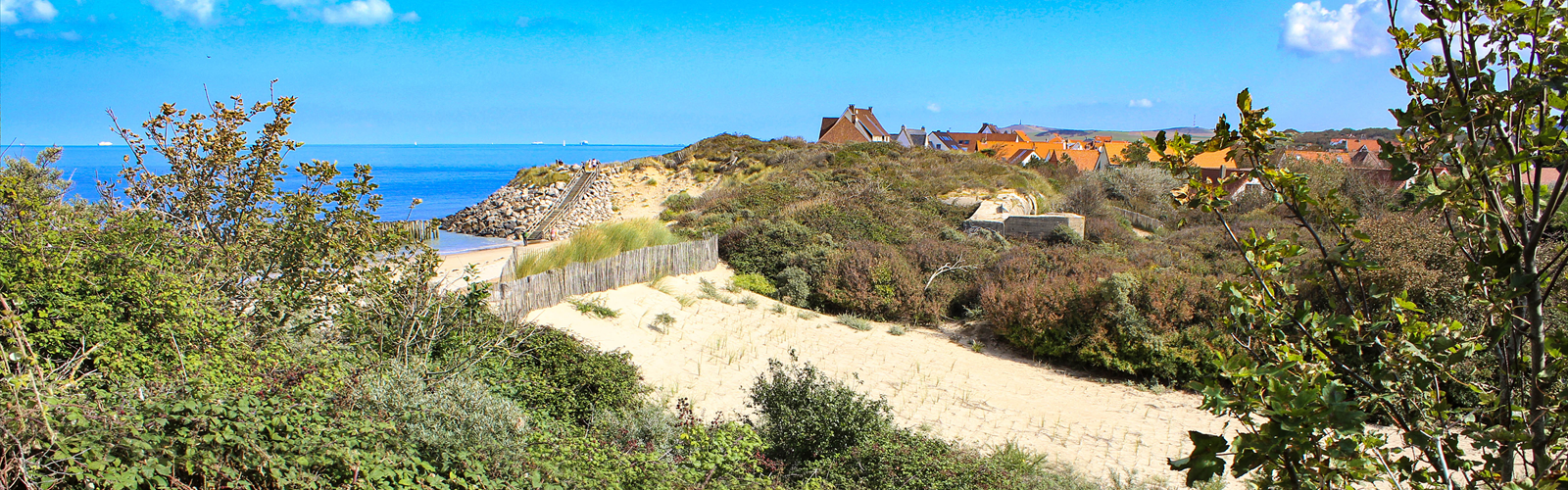
The northern coastline presents some of France's most dramatic maritime landscapes, where sentiers Hauts-de-France wind along towering cliffs offering panoramic views across the English Channel. The dunes of the Marquenterre and Authie Bay create unique ecosystems perfect for nature observation.
Inland Treasures
Moving inland, the landscape transforms into gentle hills, ancient forests, and traditional farming communities. The Boulonnais hills and the Artois region provide elevated terrain with sweeping valley views, while numerous forest massifs offer shaded woodland walks.
Emblematic Trails
The region features several renowned hiking routes that showcase its diverse landscapes. The GR120 Littoral follows the entire coastline, offering spectacular sea views and access to pristine beaches. The GR121 Ceinture Verte circles the Lille metropolitan area, combining urban green spaces with countryside escapes. For forest enthusiasts, trails through the Forêt de Mormal and Forêt de Raismes-Saint-Amand-Wallers provide peaceful woodland experiences.
Historical walking routes include paths connecting fortified sites and battlefields, while the Chemin des Dames offers poignant reminders of the region's wartime heritage. Coastal circuits around Wissant Bay and the Authie Estuary combine natural beauty with exceptional birdwatching opportunities.
Trails for Every Level
The meilleurs sentiers Hauts-de-France cater to all hiking abilities. Beginners can enjoy flat coastal paths, gentle canal towpaths, and short forest loops that rarely exceed 10 kilometers. Intermediate hikers will find satisfaction in longer coastal sections, hill circuits in the Boulonnais, and multi-day segments of long-distance paths.
Advanced hikers can tackle challenging coastal marathons, complete GR route sections, or combine multiple trail systems for extended adventures. The region's relatively gentle topography makes it ideal for families and those new to hiking while still offering substantial challenges for experienced walkers.
Four-Season Outdoor Activities
Plein air Hauts-de-France extends well beyond hiking. Spring and summer bring optimal conditions for coastal walking, cycling along converted railway lines, and wildlife observation in the region's numerous nature reserves. The extensive canal network supports kayaking and boating activities.
Autumn transforms forests into colorful displays perfect for photography walks, while winter offers crisp coastal hikes and peaceful woodland exploration. The region's mild maritime climate ensures year-round accessibility to most trails, though coastal paths provide particularly dramatic experiences during winter storms.
Geography and Natural Heritage
The region's geography ranges from sea-level polders and coastal plains to hills reaching 295 meters at Mont des Cats. Ancient forests like Mormal and Raismes preserve remnants of the great Carboniferous Forest, supporting diverse wildlife including deer, wild boar, and numerous bird species.
The coastline features varied ecosystems from chalk cliffs to sandy dunes, supporting specialized flora and serving as crucial migration stopover points. Inland wetlands and the Scarpe valley provide habitat for waterfowl and amphibians, while traditional bocage landscapes maintain agricultural biodiversity.
Planning Your Visit
The optimal hiking season runs from April through October, though winter coastal walks offer unique atmospheric experiences. The region benefits from excellent accessibility, with high-speed rail connections to Paris, Brussels, and London, plus extensive regional transport networks.
Accommodation ranges from coastal resorts and rural gîtes to camping facilities within regional parks. Major access points include Calais, Boulogne-sur-Mer, and Lille, each offering different regional perspectives. The two regional natural parks provide visitor centers with detailed trail information and guided activity programs.