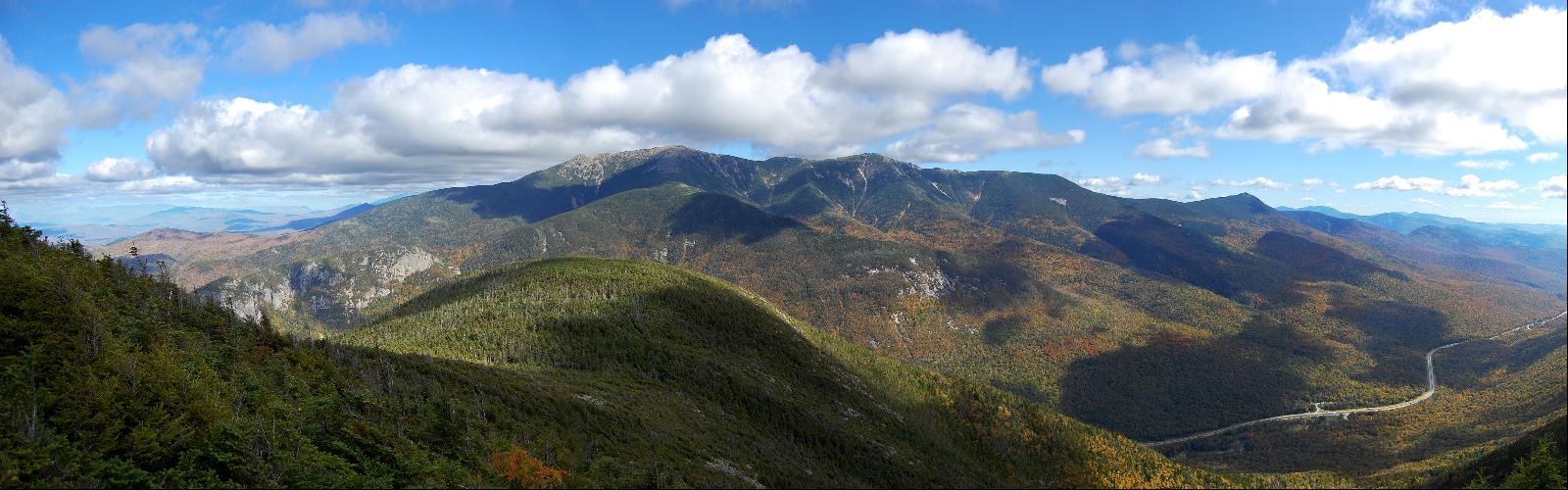
New Hampshire stands as one of New England's premier hiking destinations, offering an incredible diversity of trails across its 9,349 square miles of pristine wilderness. From the towering peaks of the White Mountains to the serene lakes region and rolling hills of the Monadnock area, the Granite State delivers unforgettable outdoor adventures for every skill level. With its dramatic mountain vistas, cascading waterfalls, and vibrant autumn foliage, New Hampshire hiking experiences rank among the finest in the northeastern United States.
Major Hiking Regions of New Hampshire
The White Mountains dominate New Hampshire's hiking landscape, home to the Presidential Range and 48 peaks over 4,000 feet. This region offers the state's most challenging and rewarding alpine experiences, with exposed ridgelines and panoramic views stretching to the Atlantic Ocean on clear days.
The Lakes Region provides gentler terrain perfect for families and beginners, featuring scenic trails around Lake Winnipesaukee and Squam Lake. These paths wind through mixed forests and offer peaceful lakeside walking with opportunities for swimming and picnicking.
Southern New Hampshire's Monadnock Region centers around Mount Monadnock, one of the world's most climbed mountains. This area combines moderate hiking challenges with rich cultural history and charming New England villages.
Iconic New Hampshire Trails
Challenging Mountain Peaks
Mount Washington via Tuckerman Ravine represents the ultimate New Hampshire hiking challenge, ascending the Northeast's highest peak at 6,288 feet. The Presidential Traverse connects multiple 4,000-footers in an epic ridge walk. Mount Lafayette offers spectacular Franconia Ridge views, while Mount Chocorua provides one of the state's most photographed summits.
Moderate Adventures
Mount Monadnock delivers rewarding summit views with manageable effort, making it perfect for intermediate hikers. Diana's Baths showcases New Hampshire's waterfall beauty through an accessible forest walk. The Flume Gorge combines natural wonder with well-maintained boardwalks for a unique hiking experience.
Family-Friendly Options
Artist's Bluff provides stunning Franconia Notch views with minimal elevation gain, while the Mount Washington Cog Railway Base Station trails offer mountain experiences without extreme difficulty.
Hiking for Every Skill Level
New Hampshire's trail network accommodates everyone from weekend warriors to seasoned mountaineers. Beginners can explore the numerous nature walks around state parks and lakes, building confidence on well-marked paths with gentle grades. Intermediate hikers find endless options in the foothills and lower peaks, perfect for developing technical skills and endurance.
Advanced hikers and climbers gravitate toward the White Mountains' technical routes, including winter mountaineering opportunities and multi-day backpacking adventures. The Appalachian Trail crosses New Hampshire for 161 miles, offering section hiking possibilities and thru-hiking experiences.
Four-Season Outdoor Paradise
Summer brings perfect conditions for high-altitude hiking, with wildflowers blooming in alpine zones and comfortable temperatures for long-distance treks. Fall transforms New Hampshire into a foliage wonderland, making every trail a scenic masterpiece from late September through mid-October.
Winter opens up snowshoeing and cross-country skiing opportunities throughout the state, while experienced mountaineers tackle ice climbing and winter peak bagging in the White Mountains. Spring offers waterfall season, when snowmelt creates spectacular cascades and rushing streams.
Natural Wonders and Wildlife
New Hampshire's diverse ecosystems support black bears, moose, white-tailed deer, and over 200 bird species. The state's geology showcases ancient granite formations, glacial cirques, and pristine mountain lakes called tarns. Dense forests of maple, birch, and beech trees give way to spruce and fir at higher elevations, creating distinct ecological zones.
Numerous waterfalls punctuate the landscape, from roadside cascades to hidden gems requiring substantial hikes. The state's 1,300 lakes and ponds provide scenic backdrops and refreshing swimming opportunities after challenging climbs.
Planning Your New Hampshire Hiking Adventure
The optimal hiking season runs from May through October, with peak conditions in summer and early fall. Boston sits just two hours south, while Montreal provides easy access from the north. White Mountain National Forest offers camping and visitor centers with trail information and permits.
Accommodation options range from rustic mountain huts and campgrounds to luxury resorts and cozy bed-and-breakfasts. Many trails require parking fees, and popular destinations fill quickly during peak foliage season and summer weekends.