The Grand Est region of France stands as one of Europe's most diverse hiking destinations, spanning over 57,000 square kilometers across the country's northeastern frontier. This remarkable territory encompasses the dramatic peaks of the Vosges Mountains, the rolling vineyards of Champagne and Alsace, and the pristine wilderness of regional nature parks. From ancient Roman trails to modern long-distance paths, Grand Est offers an extraordinary tapestry of landscapes where Germanic and French cultures blend seamlessly with untamed natural beauty.
Major Hiking Regions of Grand Est
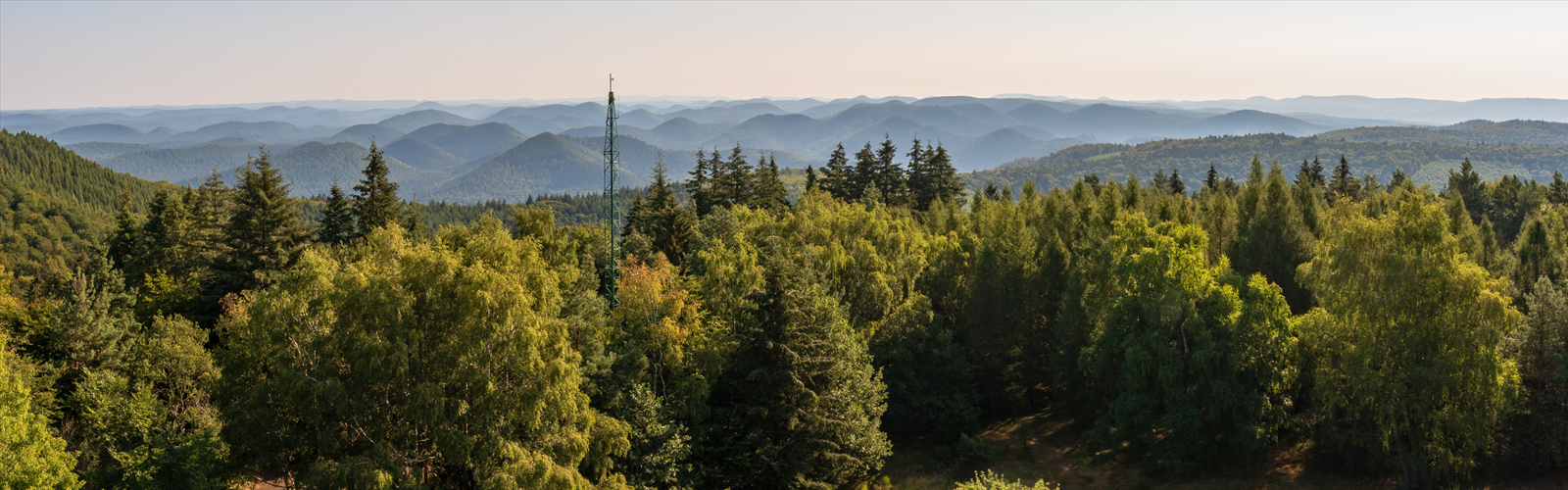
The Vosges Mountains form the backbone of Grand Est hiking, offering everything from gentle forest walks to challenging summit ascents. The Hautes-Vosges provide the most dramatic terrain, with rounded peaks called "ballons" rising above 1,400 meters and offering panoramic views across the Rhine Valley to the Black Forest.
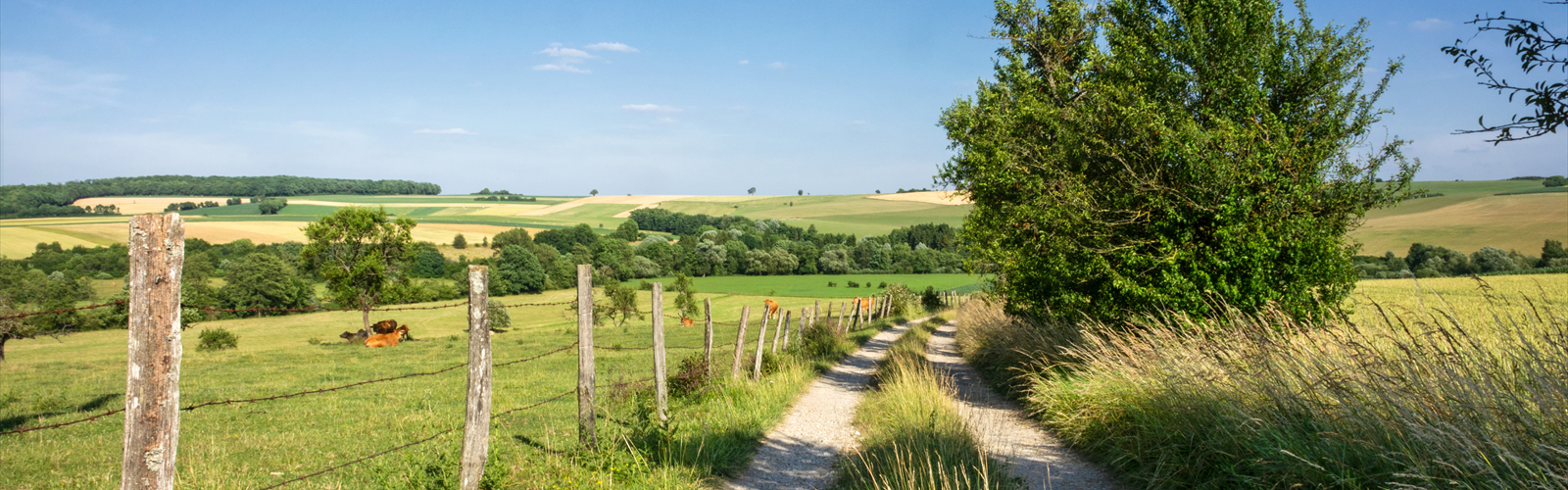
The Ardennes region in the north presents a different character entirely, with dense forests, deep river valleys, and historic battlefields creating a landscape rich in both natural beauty and human history. Meanwhile, the Champagne plains offer gentler terrain perfect for leisurely walks through world-famous vineyards and charming villages.
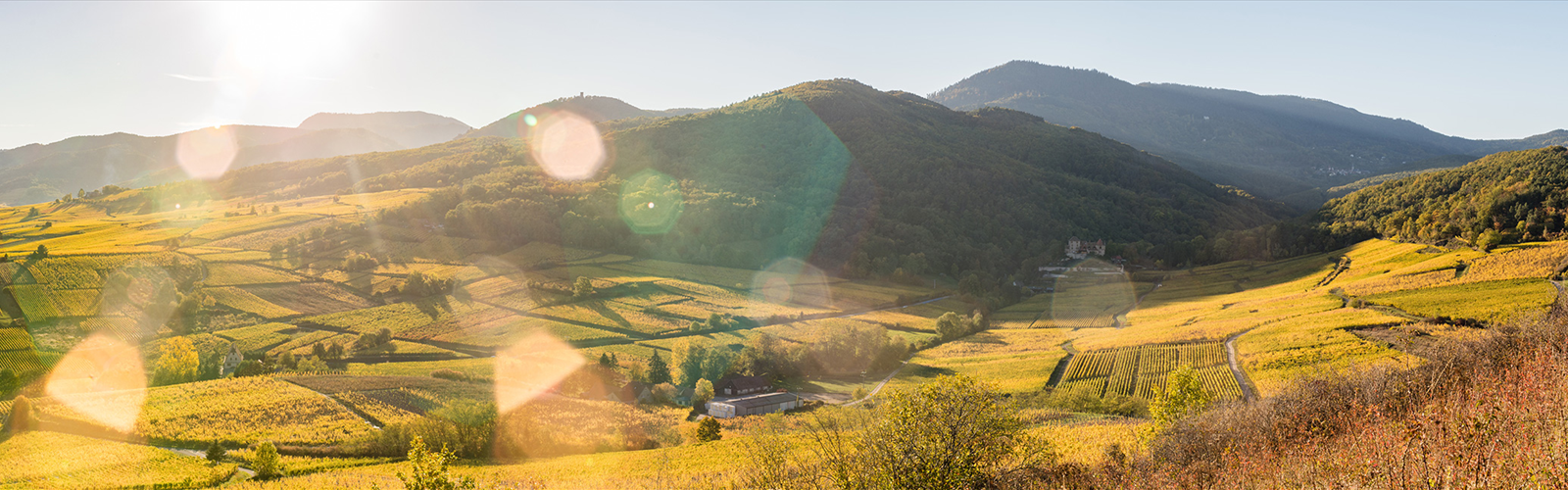
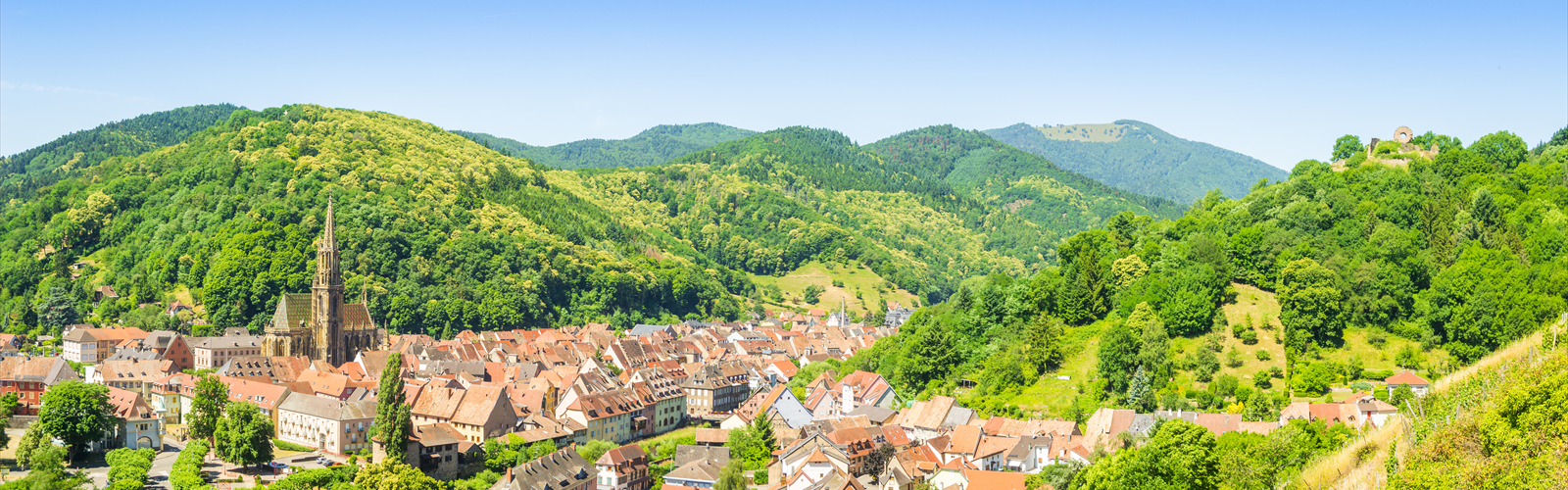
Alsace Wine Route and Foothills
The eastern slopes of the Vosges create perfect conditions for both viticulture and hiking, with countless trails winding through terraced vineyards and medieval villages. This region combines cultural discovery with outdoor adventure, making it ideal for multi-day hiking experiences.
Emblematic Trails and Hiking Experiences
Grand Est boasts several world-class long-distance trails that showcase the region's diversity. The GR5 crosses the Vosges from north to south, offering hikers a complete traverse of the mountain range with overnight stops in traditional mountain huts called "fermes-auberges."
The Sentier des Roches near Ribeauvillé ranks among France's most spectacular day hikes, combining castle ruins, dramatic rock formations, and sweeping valley views. For those seeking gentler options, the numerous vineyard circuits around Riquewihr and Kaysersberg provide cultural immersion alongside natural beauty.
Mountain Adventures
Summit seekers gravitate toward the Grand Ballon, the highest peak in the Vosges at 1,424 meters, accessible via multiple routes of varying difficulty. The Ballon d'Alsace offers equally rewarding views with slightly easier access, making it perfect for families and intermediate hikers.
Trails for Every Skill Level
Grand Est's hiking network accommodates all abilities and ambitions. Beginners can explore the flat paths along the Rhine River or gentle vineyard walks that rarely exceed 200 meters of elevation gain. These routes often feature excellent infrastructure with clear signage and regular rest areas.
Intermediate hikers find endless options in the Vosges foothills, where moderate climbs lead to rewarding viewpoints and historic sites. Advanced hikers can tackle challenging ridge walks, multi-day traverses, and winter mountaineering routes that demand proper equipment and experience.
Four-Season Outdoor Paradise
Summer hiking in Grand Est reveals alpine meadows bursting with wildflowers, crystal-clear mountain lakes, and comfortable temperatures even at higher elevations. The extensive trail network remains largely snow-free from May through October, providing ideal conditions for backpacking and day hiking.
Winter transforms the region into a Nordic sports paradise, with cross-country skiing, snowshoeing, and winter hiking opportunities throughout the Vosges. Many summer hiking trails become groomed ski tracks, while dedicated winter routes offer access to snow-covered peaks and frozen waterfalls.
Natural Landscapes and Wildlife
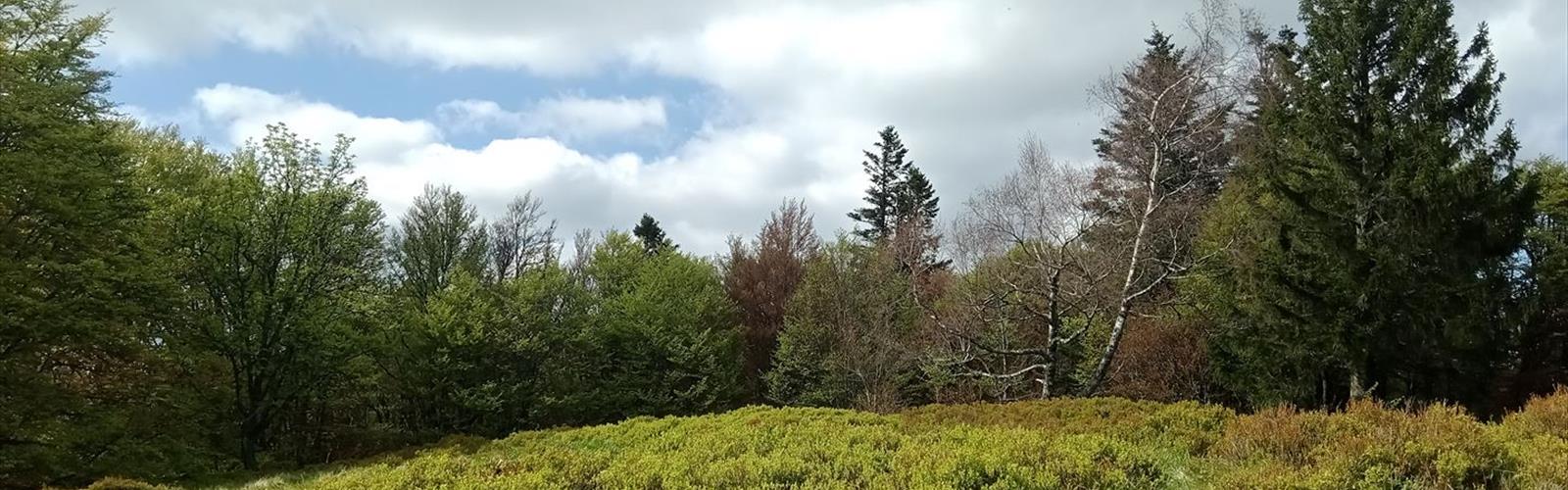
The region's geography creates distinct ecological zones, from the deciduous forests of the lower elevations to the subalpine environments near the highest peaks. Ancient beech and fir forests dominate the Vosges, providing habitat for deer, wild boar, and an impressive variety of bird species.
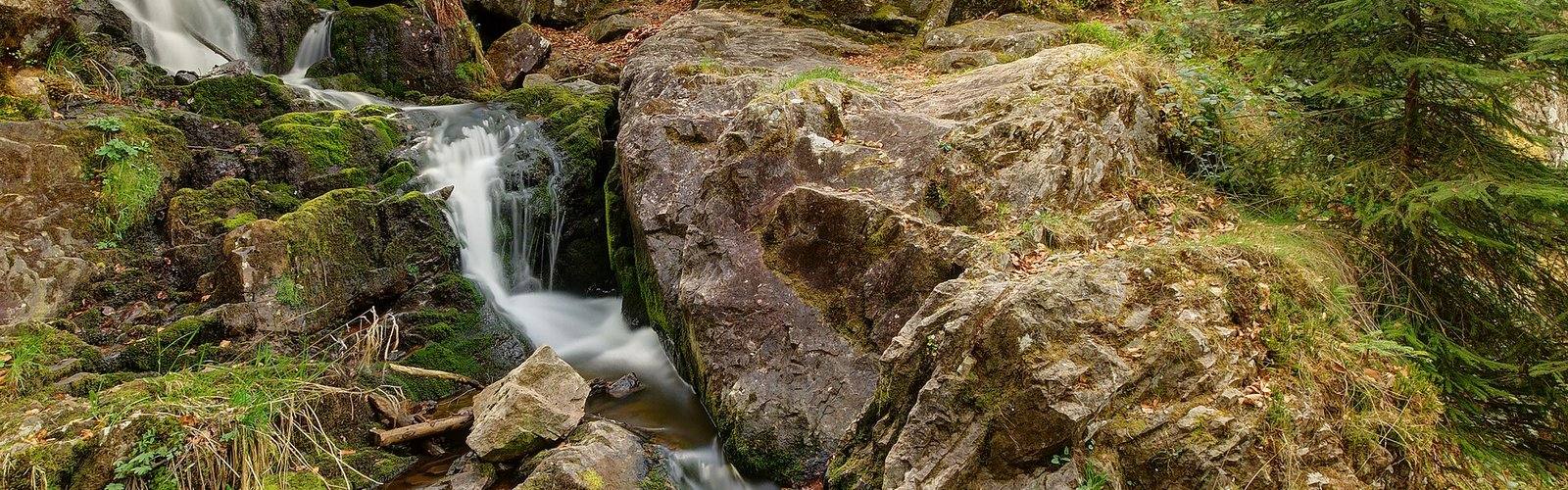
Numerous glacial lakes, called "lacs glaciaires," dot the higher elevations, offering pristine swimming opportunities and scenic camping spots. The region's geological diversity includes dramatic sandstone formations, granite peaks, and limestone plateaus that create varied hiking experiences within relatively small areas.
Planning Your Grand Est Adventure
The optimal hiking season runs from May through October, with July and August offering the warmest weather and longest daylight hours. Spring brings wildflower displays and comfortable temperatures, while autumn provides spectacular foliage and clear mountain air.
Major cities like Strasbourg, Metz, and Reims provide excellent access points, with efficient public transportation connecting urban centers to trailheads. The region offers diverse accommodation options, from luxury hotels in wine villages to mountain refuges and camping areas within nature parks.
The Ballons des Vosges Regional Nature Park serves as the primary protected area, offering visitor centers, guided tours, and detailed trail information to help hikers make the most of their Grand Est outdoor adventures.