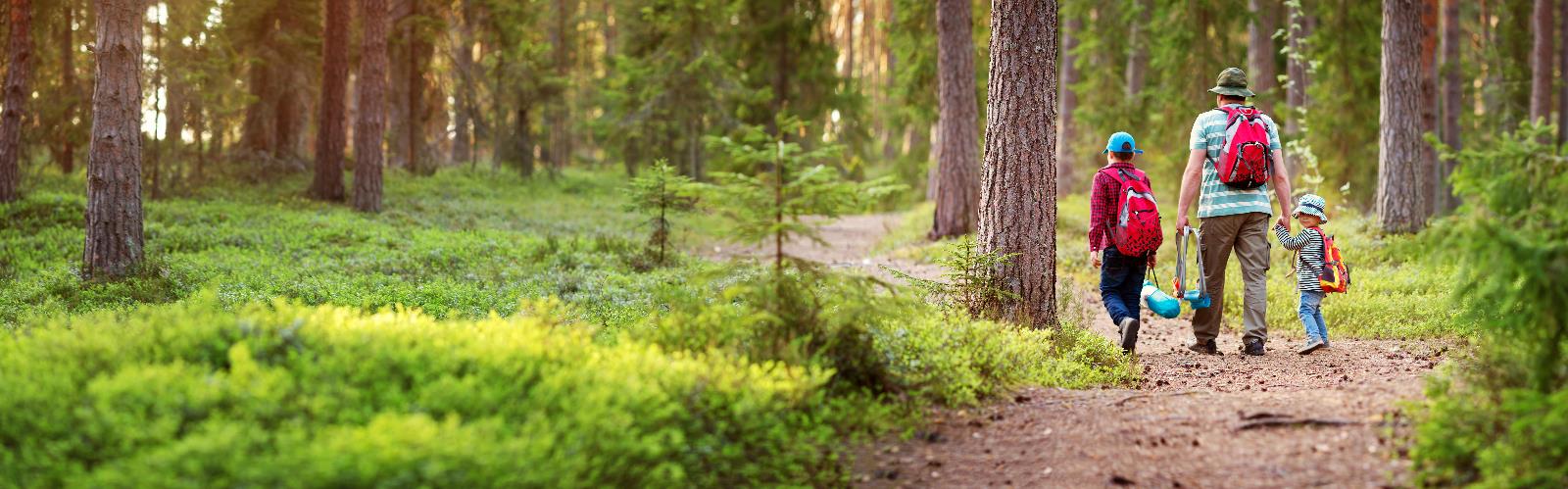
You watch your kids playing in the living room and think: "They absolutely need to discover the beauty of nature!" But where to start? How do you get your kids started with hiking without it turning into a nightmare or tears? After 15 years exploring Quebec's trails and seeing hundreds of families in the mountains, I've learned there's a huge difference between a successful first outing and a total disaster. The good news? With the right tips and an adapted approach, you can transform your little ones into true nature explorers. I'll share my field-tested strategies to make your first family hike a memorable success.
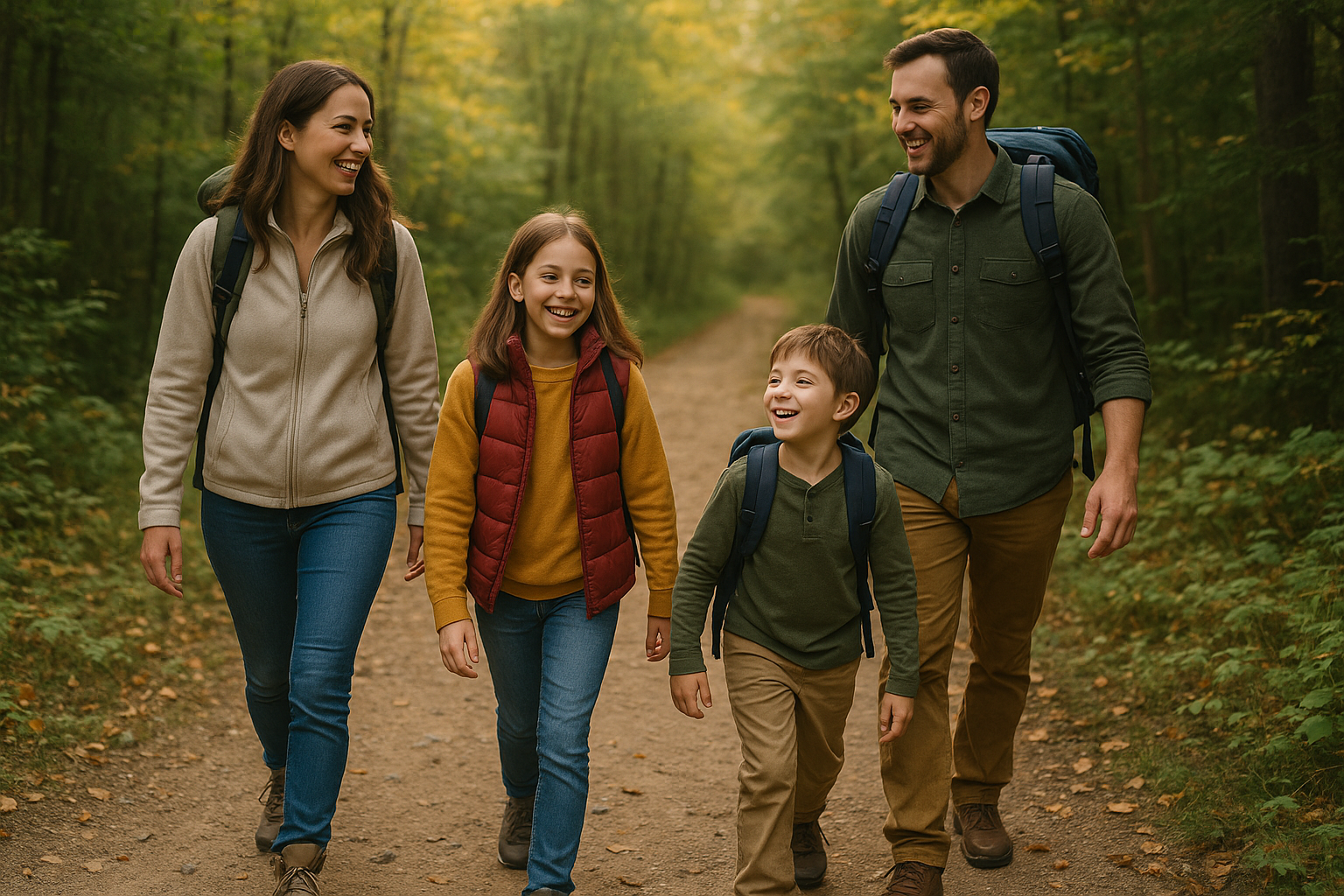
At What Age to Start Hiking with Kids?
The question every parent asks me! In reality, there's no minimum age to discover nature as a family. I've met 6-month-old babies in carriers on Mont-Royal and 2-year-old toddlers already walking a few hundred meters.
Here's what experience has taught me:
- 0-2 years: Perfect for baby carriers on easy trails
- 2-4 years: Can walk 15-30 minutes with plenty of breaks
- 5-8 years: Ready for 1-2 km with motivating objectives
- 9 years and up: Can tackle hikes of several hours
The secret is to start from their energy level, not your expectations. A 4-year-old who runs around the park can easily walk 45 minutes in the forest if it's fun. But the same child will complain after 10 minutes if it's boring or too difficult.
How to Choose the Right Trail to Start?
This is critical. I've seen too many families fail from the first outing by choosing an overly ambitious trail. For a first hike with kids, here are my non-negotiable criteria:
Perfect Trail Characteristics for Beginners
| Criteria | Recommendation | Why |
|---|---|---|
| Distance | 1-3 km maximum | Avoids exhaustion and maintains motivation |
| Elevation gain | Less than 100m | Accessible without being discouraging |
| Trail type | Loop or short out-and-back | Sense of accomplishment |
| Terrain | Well-maintained, not too rocky | Safe for little legs |
My suggestions for perfect beginner trails in Quebec:
- Parc Michel Chartrand: Easy and well-marked trails
- Parc National du Mont-Saint-Bruno: Beautiful lakes that motivate children
- Parc du Mont-Arthabaska: Family trails with beautiful views
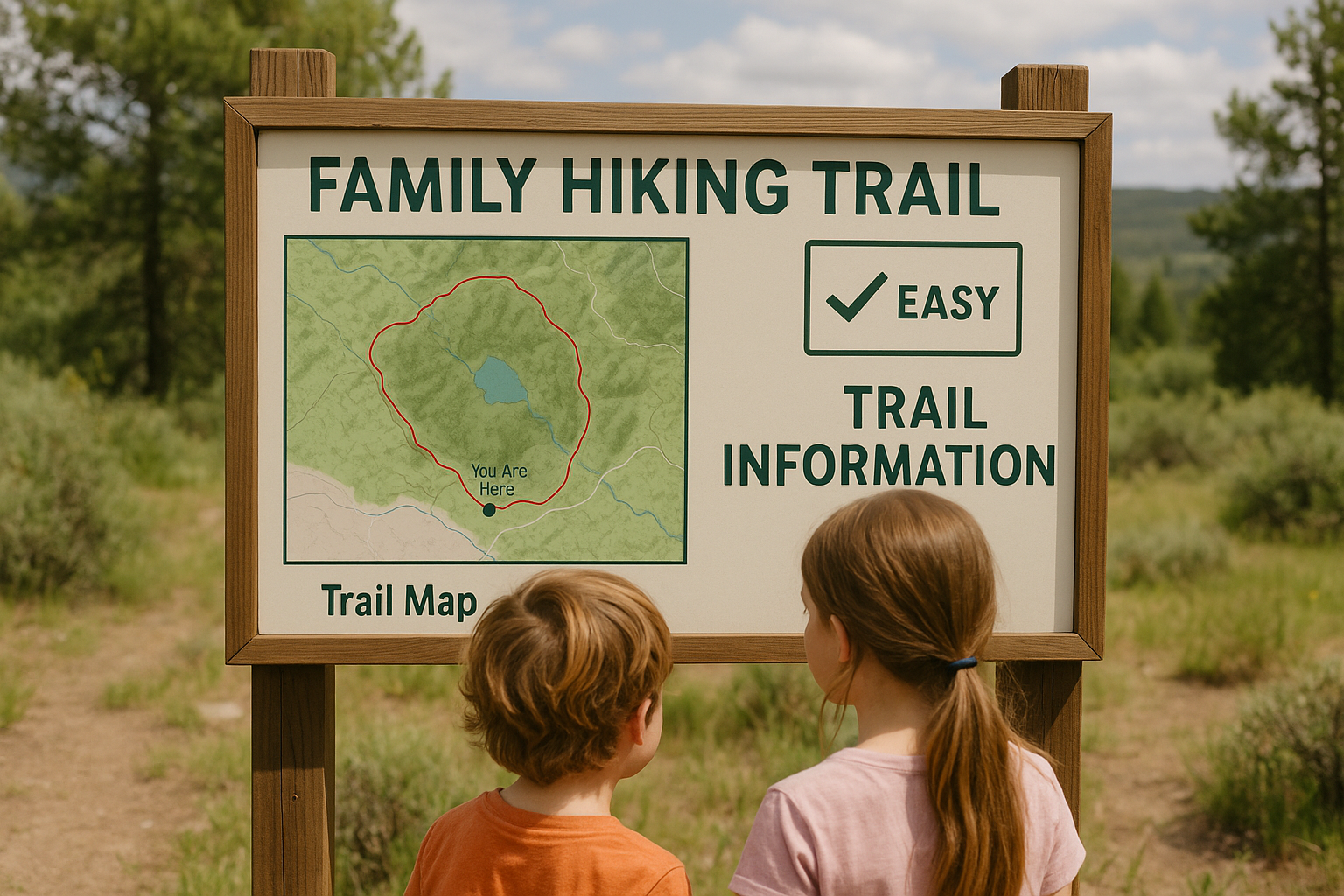
Essential Equipment (Without Breaking the Bank)
Let me reassure you right away: you don't need to empty your bank account to equip your kids. I've seen kids perfectly happy hiking in running shoes and a school bag. Here's what really matters:
Basic Equipment for Each Child
- Closed shoes with good grip (running shoes, walking shoes)
- Layered clothing they can get dirty
- Hat or cap for sun protection
- Small backpack with their stuff (it makes them responsible!)
- Personal water bottle (they drink more when it's "their" bottle)
In YOUR parent bag, add:
- Basic first aid kit
- Energy snacks (see next section)
- Extra water for everyone
- Bags to collect trash
- Bug spray and sunscreen
My advice? Start simple and add equipment gradually as your kids develop their passion. No need for $150 hiking boots for a 5-year-old who grows two shoe sizes per year!
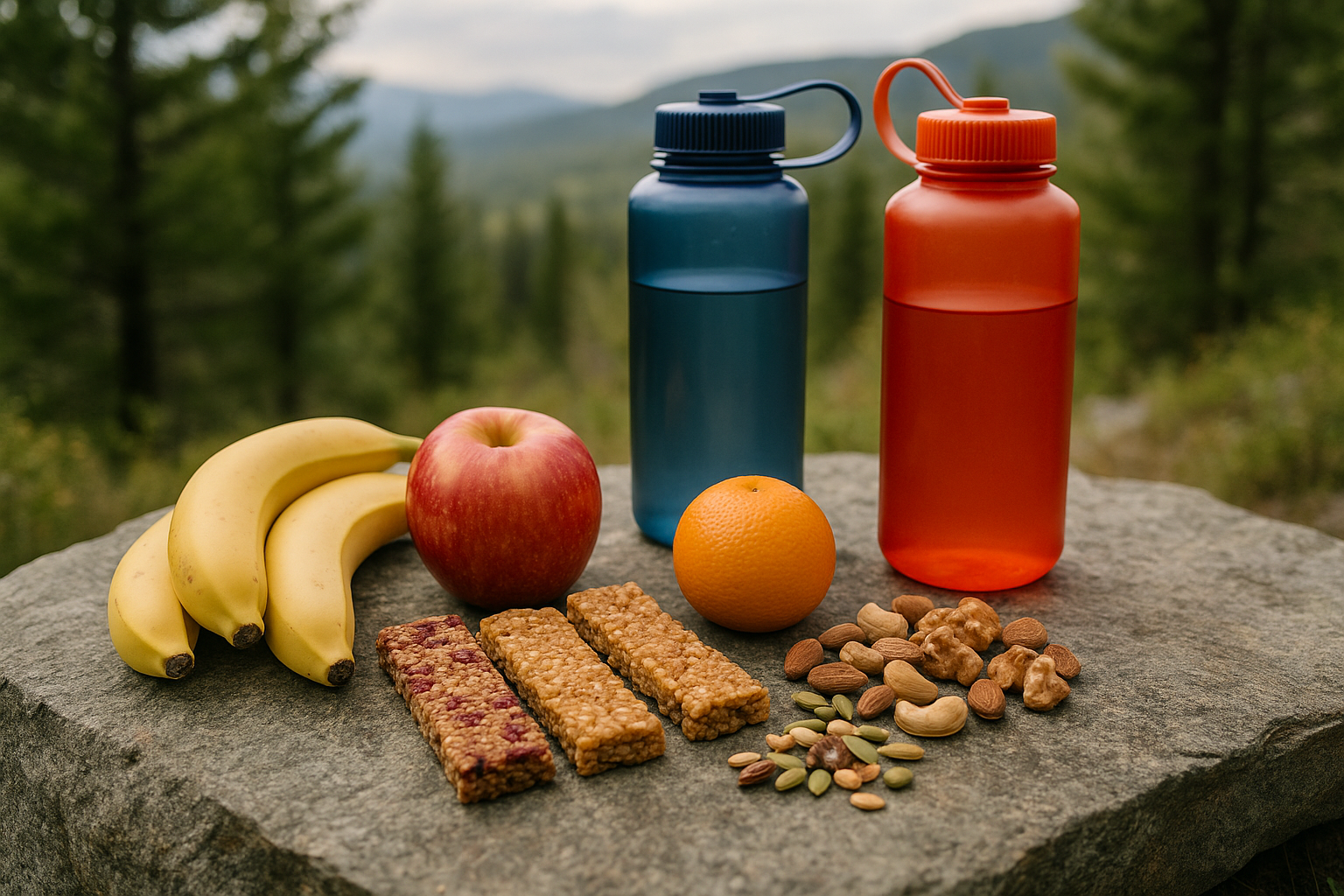
Snacks and Hydration: Secrets of a Successful Outing
This is pure strategy! The right snacks can transform a dragging hike into an exciting adventure. After testing pretty much everything edible on trails with kids, here are my discoveries:
Snacks That Really Work
Field-tested champions:
- Homemade trail mix: nuts, raisins, mini-chocolates
- Granola bars they already like (no time to experiment!)
- Easy fruits: apples, bananas, grapes
- Individual cheese portions
- Crackers for the crunchy factor
For hydration: Golden rule = more than you think you need. Kids dehydrate faster than adults and often forget to drink. I like bottles with integrated straws: they're easier to use while walking.
Techniques to Maintain Motivation on the Trail
OK, this is where it really matters. You can have the best equipment and snacks in the world, but if your kids get bored or find it difficult, it's game over. Here are my field strategies to transform hiking into a captivating adventure:
Games That Work While Walking
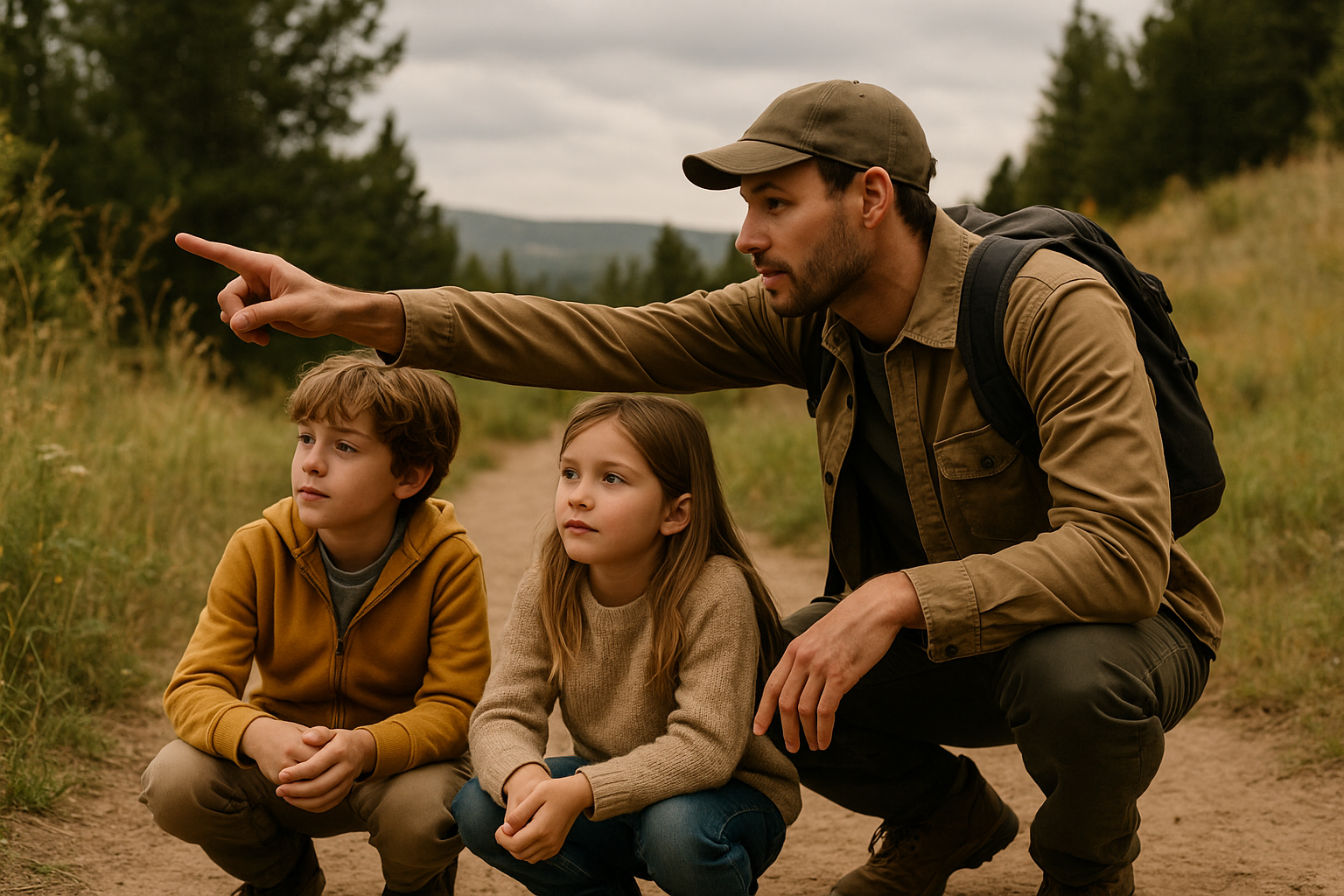
- Nature scavenger hunt: "Find something red, something rough, a heart-shaped leaf"
- Animal game: imitate sounds of animals we might encounter
- Counting steps: "In 50 steps, we take a break!"
- Made-up stories: everyone adds a sentence to an imaginary story
- Official photographer: give a camera (or phone) to take turns
The strategic break rule: Rather than waiting until they're tired, plan regular stops. Every 15-20 minutes, find an excuse to stop: drink water, look at the view, examine an interesting plant. It's much more effective than dragging exhausted children.
Creating Motivating Objectives
Kids need concrete goals. "We're going for a walk in the forest" is vague and boring. Try instead:
- "We're going to see the waterfall!"
- "We're going to find the secret viewpoint!"
- "We're going to count how many squirrels we see!"
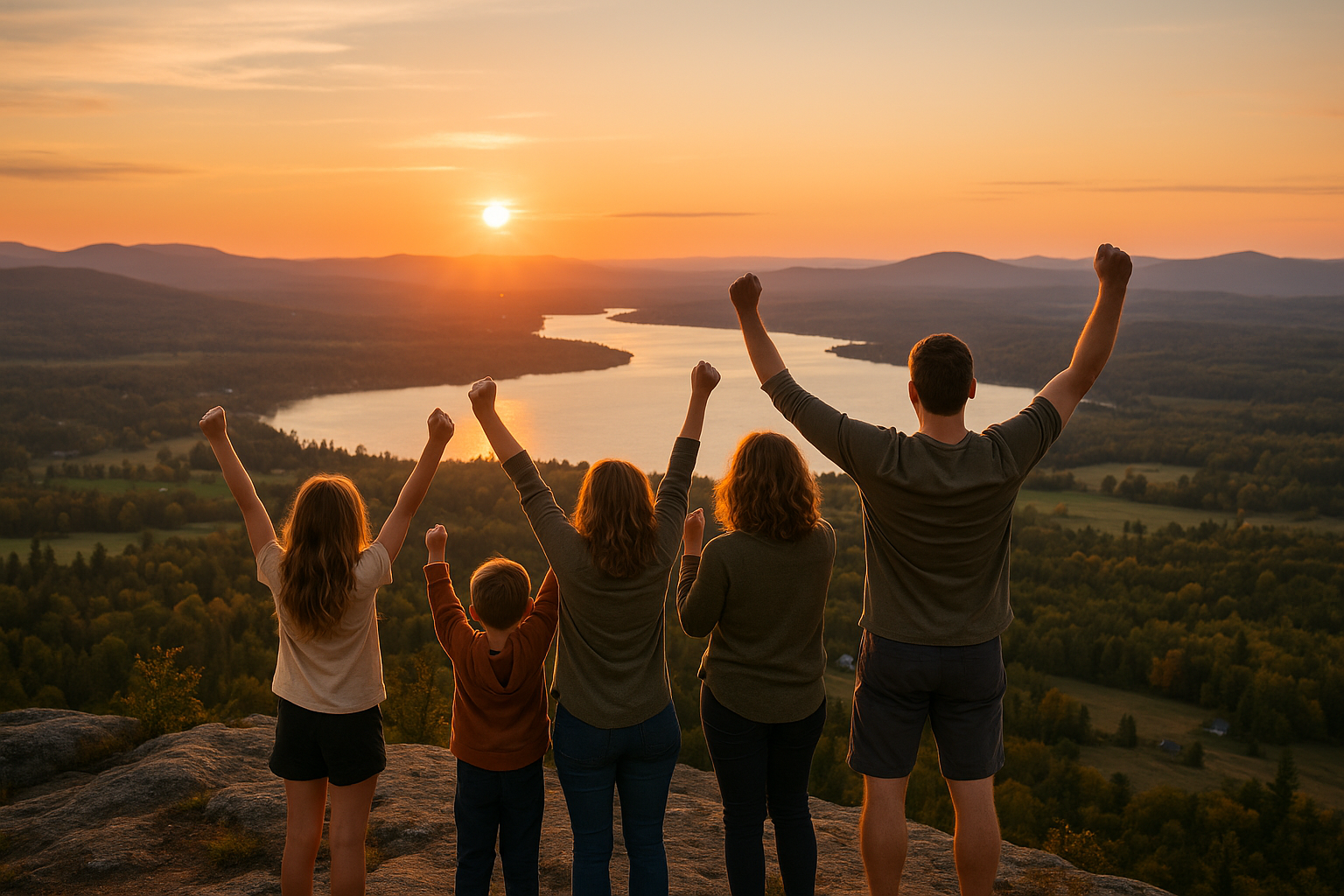
- "We're going to picnic at the summit!"
"The goal isn't to get somewhere, but to have fun along the way. If your kids have fun, they'll want to do it again."
Family Safety: Golden Rules
Hiking with kids is different from your solo outings. They're unpredictable, curious, and sometimes unaware of danger. Here are my non-negotiable safety rules, developed after seeing all kinds of situations on trails:
Basic Rules to Establish Before Leaving
- Always stay on the marked trail - no off-trail exploration
- Never pass mom/dad - the adult always leads
- Stop at intersections and wait for instructions
- Shout "STOP" if someone has a problem
- Don't touch unknown plants (poison ivy, mushrooms)
My communication system: I always teach kids the "gathering signal." If I whistle twice short, everyone stops and comes to me. It's handy if someone gets ahead or visibility decreases.
For younger ones (under 6), I like using identification bracelets with the child's name and phone number. It's rare we need them, but it gives extra peace of mind.
Managing Weather and Unexpected Events
With kids, you need to be even more conservative with weather. My rule: if I hesitate, we postpone. Kids are less tolerant of cold, rain, and extreme heat.
Always check essential questions before leaving for a complete preparation checklist.
Get my gifts →
After the Hike: How to Create Lasting Memories
The hike doesn't end when you get back to the car! What you do afterward can determine whether your kids will ask for another nature outing or prefer staying in front of the TV. Here's how to anchor this passion:
Post-Hike Rituals That Work
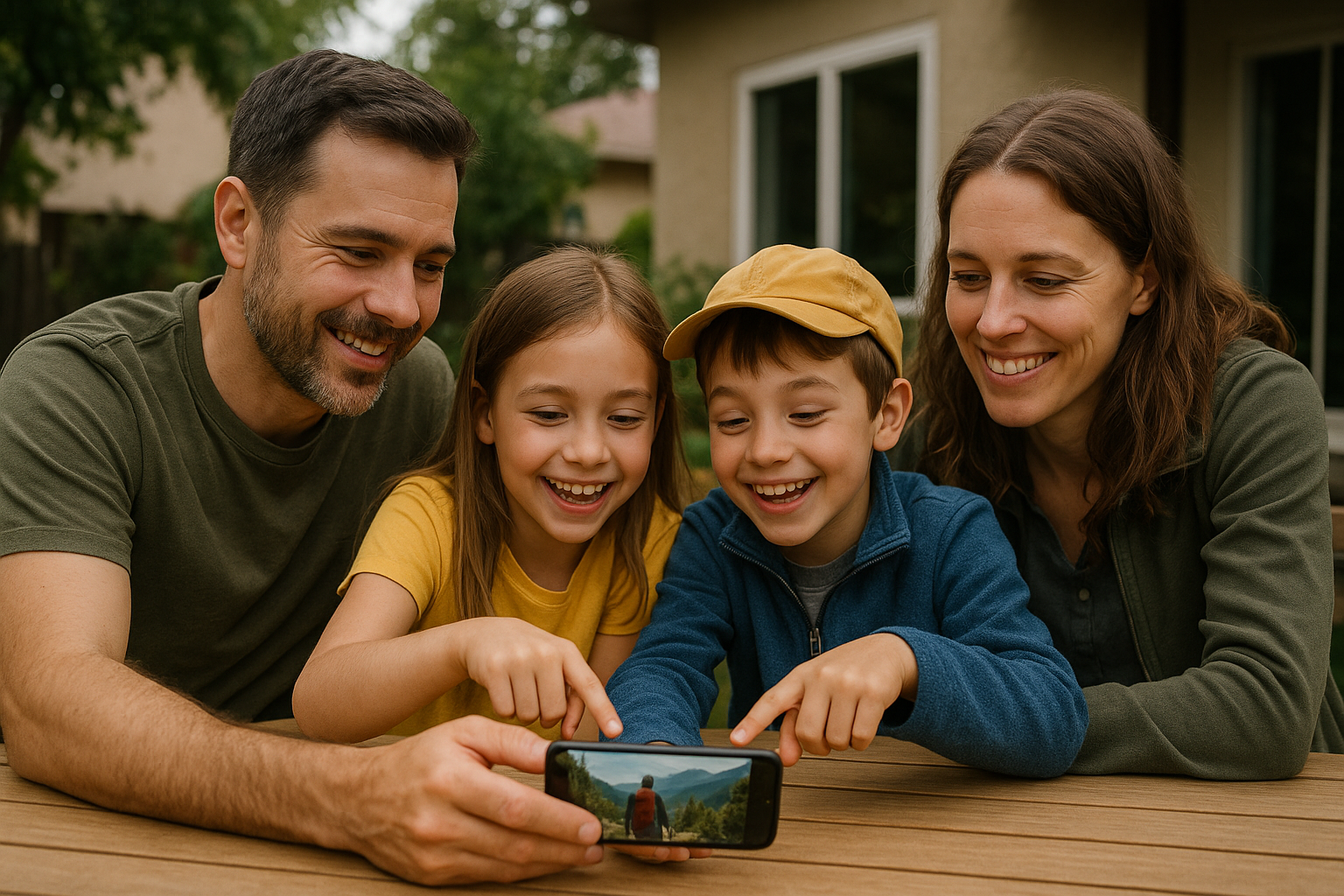
- Look at photos together that same evening
- Draw or tell their favorite moment of the day
- Create an "adventure journal" with photos and memories
- Plan the next outing while enthusiasm is high
- Share with grandparents or friends their discoveries
A tradition I love: asking each child to name their magical moment from the hike. It could be seeing a squirrel, succeeding on a difficult climb, or simply eating wild blueberries. It helps them focus on the positive.
What if it didn't go well? It happens! Analyze what went wrong: too long? Too difficult? Bad timing? Adjust for next time, but don't give up. Sometimes it takes 2-3 tries to find the winning formula with your kids.
Progressing Together: When and How to Increase Difficulty
Your kids have developed a taste for hiking? That's fantastic! Now, how do you evolve without skipping steps? Here's my progression tested with dozens of families:
Signs They're Ready for More
- They finish current hikes without being exhausted
- They spontaneously ask to go further or higher
- They walk autonomously without complaining
- They show curiosity for more challenging trails
My evolution rule: increase ONE factor at a time. If you increase distance, keep the same difficulty level. If you choose more technical terrain, stick to a known distance.
| Level | Distance | Elevation | Example Destination |
|---|---|---|---|
| Beginner | 1-2 km | 0-50m | Urban parks, flat trails |
| Intermediate | 2-4 km | 50-150m | Small hills, easy viewpoints |
| Advanced | 4-6 km | 150-300m | Real mountains, technical trails |
More ambitious objectives to consider when they're ready: Mont Yamaska for a real accessible mountain, or Canyon Sainte-Anne for spectacular landscapes.
Getting your kids started with hiking is much more than showing them beautiful landscapes. You're giving them tools for life: the taste for effort, respect for nature, confidence in their abilities, and above all, unforgettable family memories.
Here are the key points to remember:
- Start small and close: better a short successful outing than a long painful hike
- Equipment follows passion: no need to invest a fortune before knowing if they like it
- Snacks and games are your allies: they transform effort into pleasure
- Safety comes through education: establish clear rules from the start
- Each child evolves at their own pace: respect their natural progression
Never forget: the goal isn't to create mountain athletes, but to share your passion for nature. If your kids come back from hiking with smiles and stars in their eyes, you've succeeded. The rest will come naturally.
So, ready for your first family adventure? Nature awaits you, and I bet your kids will surprise you with their enthusiasm and capacity for wonder. Happy trails!

About the author
François Dumaine
Founder of Let's Go Play Outside
A passionate hiker, photographer and content creator, François has been hiking the trails of Quebec and Alberta since 2014. He founded Let's Go Play Outside to give you the information he wished he had before heading out.
Newsletter
Content that makes you want to go outside
Every week, a trail idea, a reflection on nature, or a tip worth the detour. Zero spam. Only the essentials.
Joined by 12,000+ outdoor enthusiasts
Read next
Continue the journey