📌 Good to know — I made my first hiking mistakes at mont Yamaska 15 years ago. Overloaded pack, wrong shoes, no planning... I survived, but I could have saved myself a lot of trouble!
You've just discovered hiking and want to go on an adventure? Perfect! But before you end up with blisters on your feet or completely lost in the forest, let me share the 10 beginner hiking mistakes I see most often. After accompanying hundreds of new hikers and exploring over 500 trails in Quebec, I can tell you these mistakes are avoidable... if you know how to recognize them! In the next few minutes, you'll discover how to start off on the right foot and turn your first nature outings into memorable experiences.
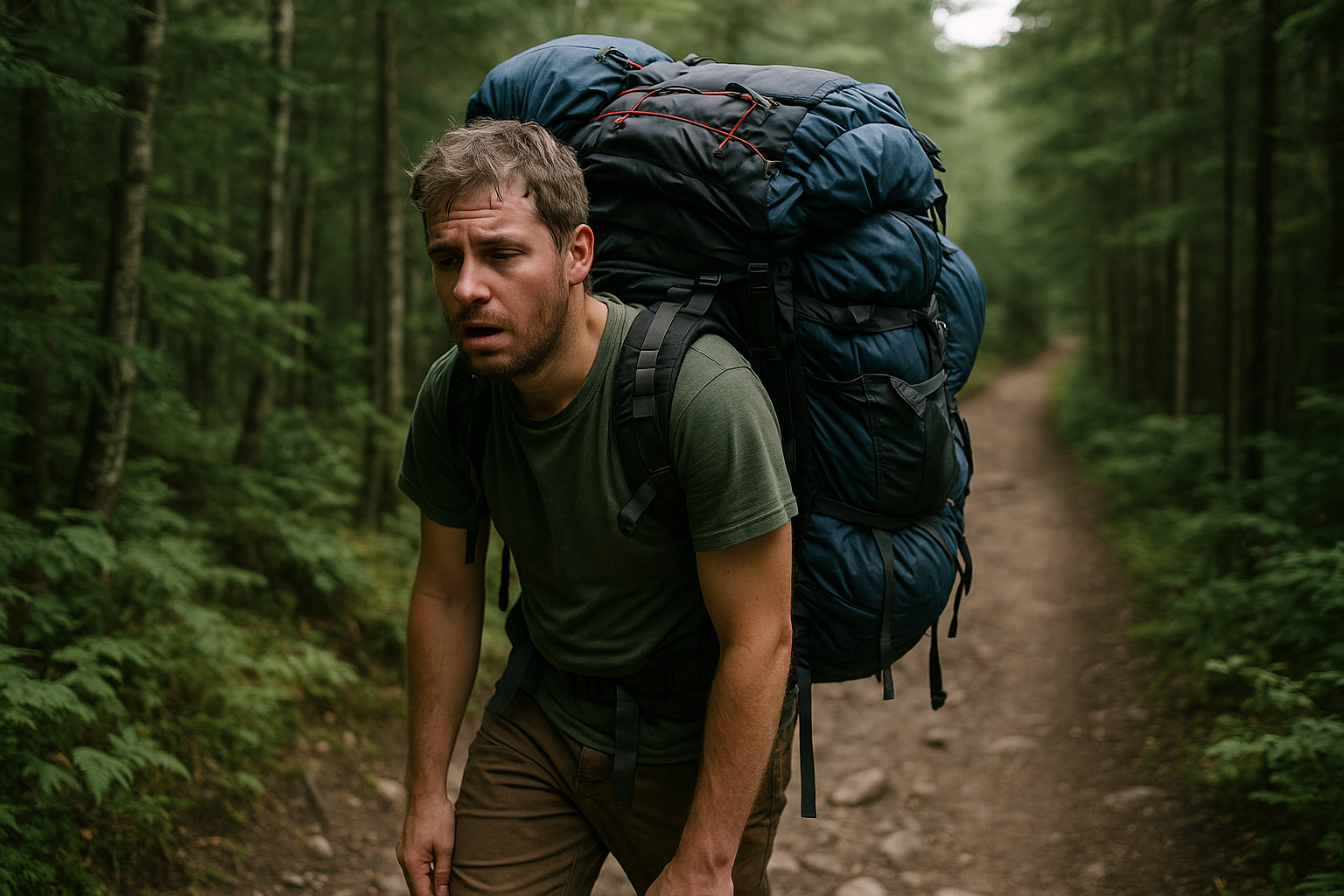
Mistake #1 that ruins your first hike: the overloaded pack
How many times I've seen beginners leave with a 20 kg pack for a 3-hour hike! It's the classic mistake: we want to be prepared for everything, so we pile on stuff "just in case." Result? You're dragging your feet after 30 minutes and hate it. For a day hike, your pack should never exceed 10-15% of your body weight. That means a 70 kg person should carry a maximum of 7-10 kg. And that's for long outings!Essentials to keep:
What to leave at home:
💡 Pro tip — Weigh your pack before leaving. If you struggle to lift it, imagine after 2 hours of walking! My trick: I walk around my block with the pack. If I'm already tired, I remove stuff.
Why your feet will hate you (and how to avoid it)
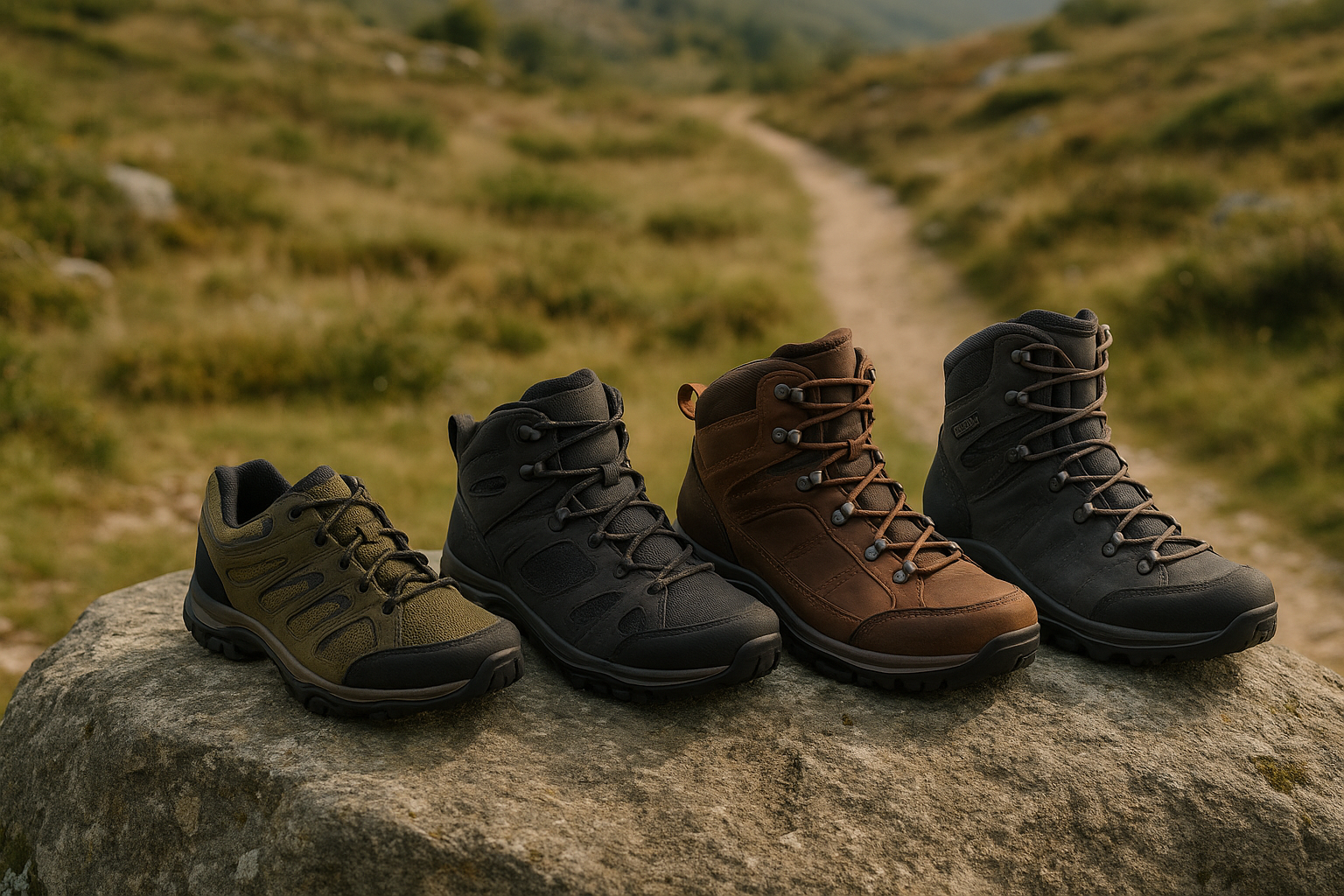
Wrong shoes are the bane of beginners. I've seen people leave in running shoes on rocky trails, or with work boots that weigh 3 kg each. Your feet deserve better! You don't need $400 mountain boots to start. But you need shoes that:| Terrain type | Recommended shoes | To avoid |
|---|---|---|
| Easy, well-maintained trails | Trail shoes, running shoes | Sandals, dress shoes |
| Rocky trails, roots | Lightweight hiking shoes | Shoes with smooth soles only |
| Rough terrain, mountains | Hiking boots | Running shoes only |
📥 Download our free gifts — Equipment checklists, PDF guides and maps of the best trails to plan your nature outings like a pro.
Get my gifts →
Get my gifts →
Lost in the forest? Navigation mistakes that hurt
Relying only on your phone is playing with fire. Dead battery, no signal, screen freezing in cold weather... I've rescued more than one hiker who was just counting on Google Maps!Golden rule of navigation:
⚠️ Warning — In several Quebec parks, cell signal is non-existent or very weak. Never rely only on your phone for navigation.
Underestimating Mother Nature: weather and conditions
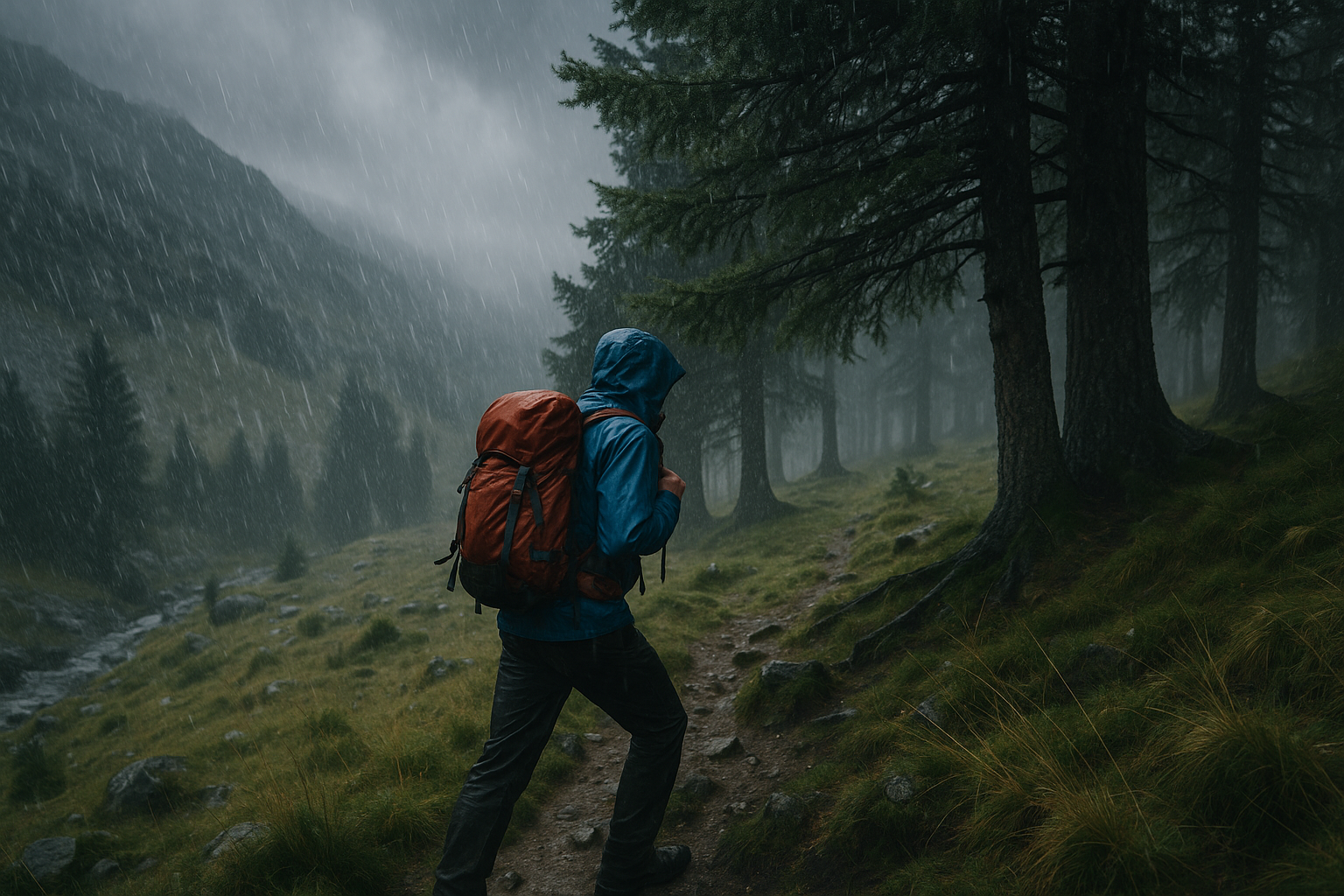
"It's nice in the city, it'll be fine!" Classic mistake. In the mountains, weather changes quickly and temperature can drop 10°C between the parking lot and the summit. I've seen people leave in t-shirts at 15°C at sea level and find themselves in icy fog at the summit. Or leave under beautiful sunshine and get caught in a violent storm.My weather checklist before each outing:
Silent dehydration that ruins everything
"I'm not thirsty, I'm fine." No, you're not fine! Thirst is already a sign that you're dehydrated. When hiking, you lose water faster than you think, especially in hot weather or going uphill.My hydration rules:
💡 Pro tip — My trick to drink enough: I set an alarm every 30 minutes. Ding! I drink 3-4 big gulps, even if I'm not thirsty. It becomes automatic after a few outings.
Leaving too late and getting caught by darkness
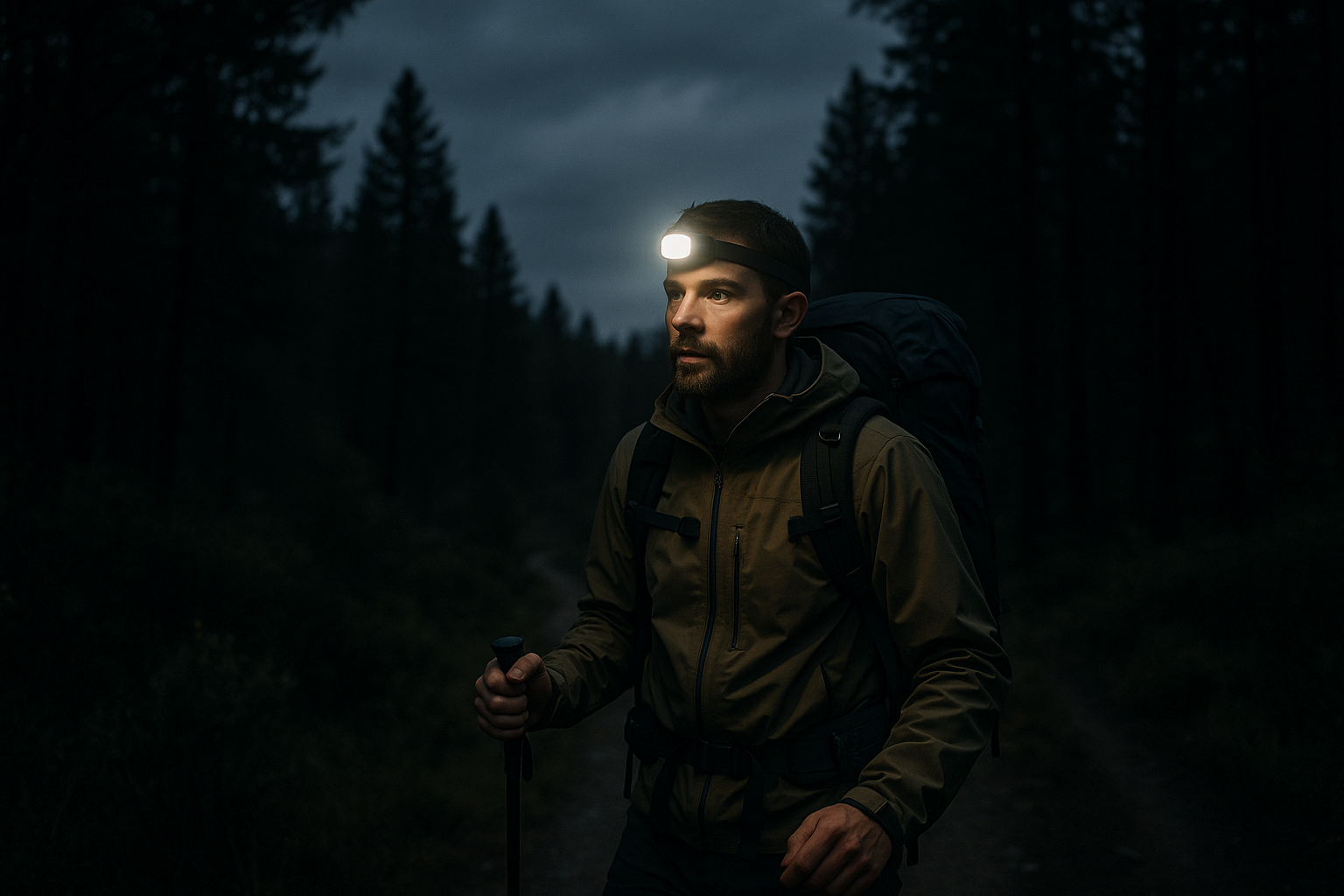
"We'll leave around 2 PM, that gives us plenty of time!" No, that gives you 4-5 hours max before it starts getting dark. And if you underestimate walking time, you'll end up doing involuntary wild camping!Simple calculation to avoid getting caught:
Forgetting to eat: fuel for your muscles
Your body is like a car: without gas, it doesn't go far. I've seen so many people leave with just an apple for a 6-hour hike. Result? Hypoglycemia, weakness, terrible mood.My energy essentials:
| Hike duration | Recommended snacks | Quantity |
|---|---|---|
| 2-3 hours | 1-2 energy bars + fruits | 300-400 calories |
| 4-6 hours | Lunch + snacks + reserve | 800-1000 calories |
| Full day | 2 meals + regular snacks | 1500+ calories |
Underestimating travel time and access
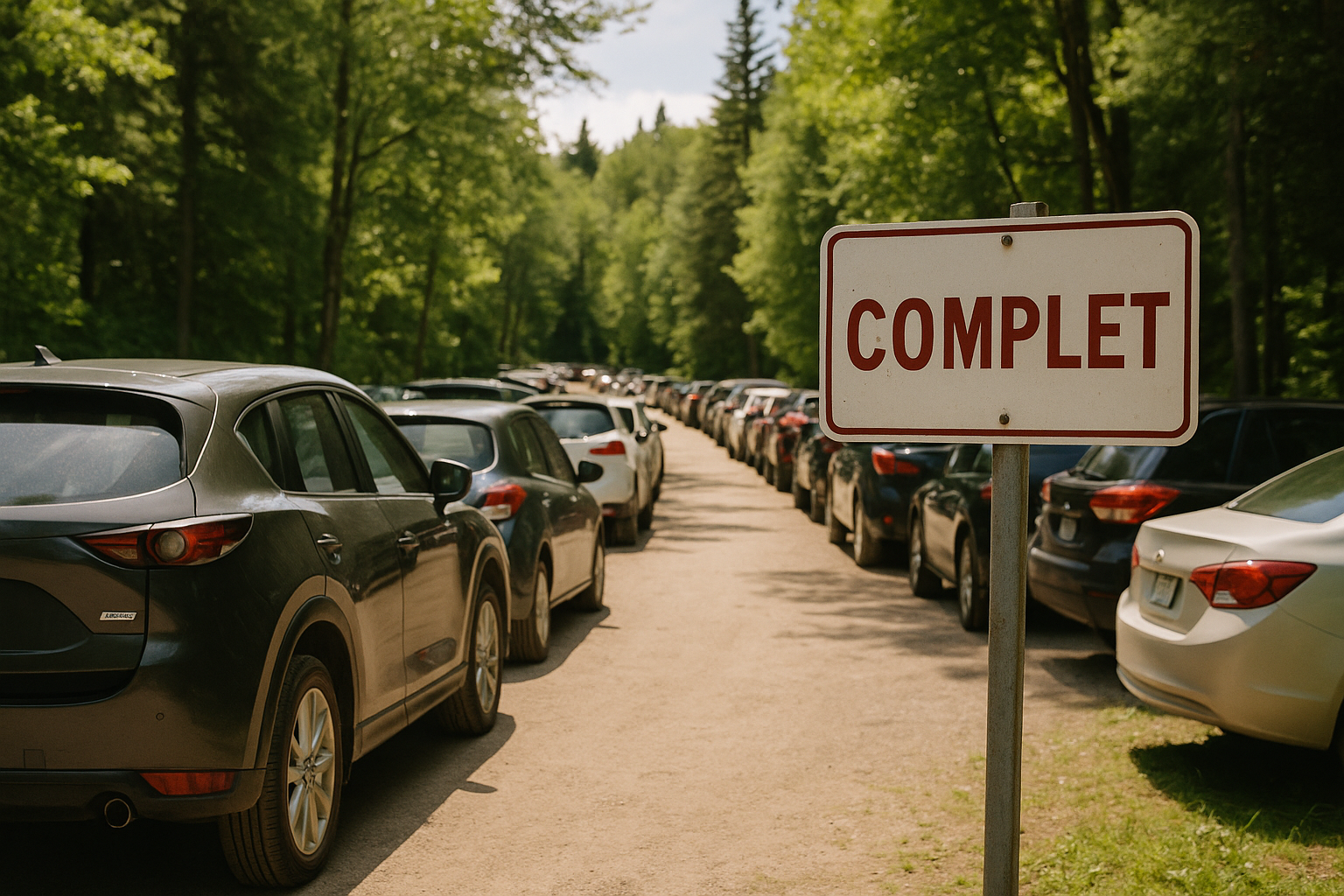
"It's just 1 hour from Montreal!" Yes, but the last 15 km is a gravel road full of potholes that you do at 20 km/h. And the parking might be full at 9 AM on Saturday morning.Questions to ask yourself before leaving:
📌 Good to know — Several Quebec national parks now require a reservation, even for the day. Check Sepaq.com before leaving to avoid unpleasant surprises.
Dressing like you're going to the gym
Cotton is comfortable... until you start sweating. After that, it sticks, never dries, and you freeze as soon as you stop moving. I made the mistake with a cotton t-shirt at mont Washington... I was cold all afternoon!The 3-layer system that works:
1. Base layer: synthetic fabric or merino (wicks moisture) 2. Insulating layer: fleece or down jacket (keeps heat) 3. Outer layer: windproof/waterproof (protects from elements) You remove or add layers according to temperature and your effort. Start rather with being a bit cold, you'll warm up while walking!"There's no bad weather, just bad clothing!" — Scandinavian proverb I love
Aiming too high to start
"For my first hike, I'll do mont Jacques-Cartier!" Whoa, hold your horses! It's like wanting to run a marathon without ever having done a 5K. You'll get discouraged and maybe hurt yourself.My recommended progression:
💡 Pro tip — My 10% rule: I never increase distance or elevation gain by more than 10% from one outing to another. It avoids injuries and keeps the fun intact.

How to avoid these mistakes on your next outing
Now that you know the pitfalls, here's how to start off on the right foot:Before leaving:
During the hike:
To progress:

About the author
François Dumaine
Founder of Let's Go Play Outside
A passionate hiker, photographer and content creator, François has been hiking the trails of Quebec and Alberta since 2014. He founded Let's Go Play Outside to give you the information he wished he had before heading out.
Newsletter
Content that makes you want to go outside
Every week, a trail idea, a reflection on nature, or a tip worth the detour. Zero spam. Only the essentials.
Joined by 12,000+ outdoor enthusiasts
Read next
Continue the journey