
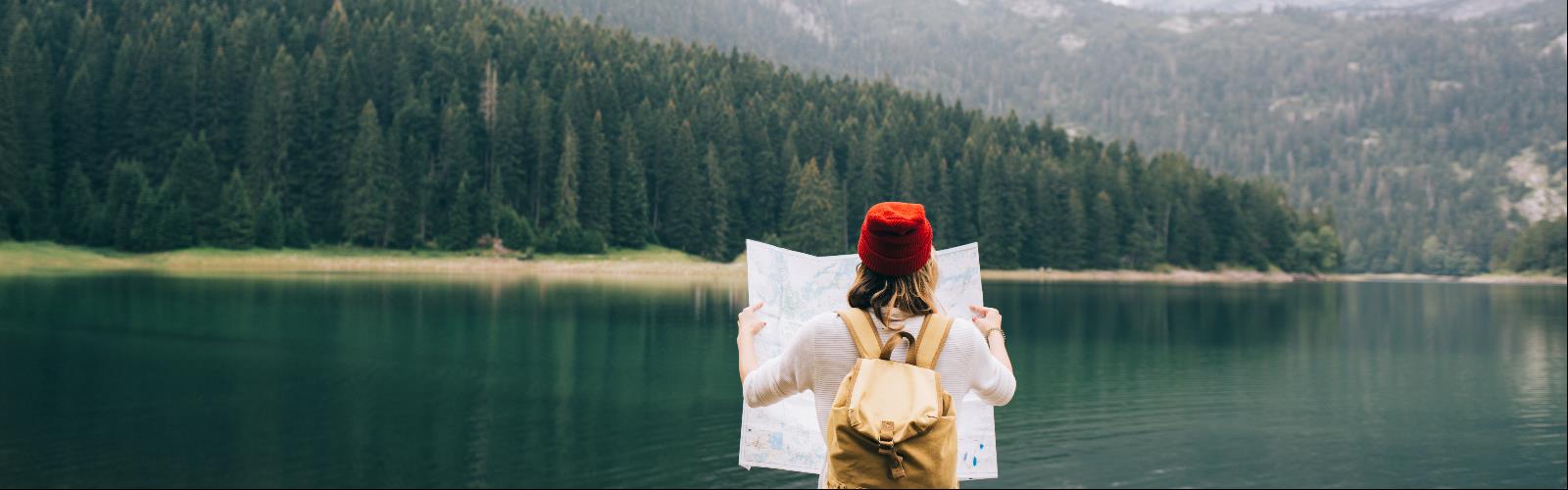
You wake up one morning with the urge to hit the mountains, you open your pack, toss in a few things... and off you go to the trail! That was me 15 years ago. The result? I found myself lost in fog without a map, with soaked running shoes and starving at 10 AM. Since then, I've learned that the essential questions to ask yourself before heading out can transform a catastrophic outing into a memorable adventure.
After hundreds of hikes and some humbling lessons, I've developed a system of questions that saves me every time. These questions will help you anticipate pitfalls, maximize your enjoyment, and most importantly, come back with memories rather than bruises.
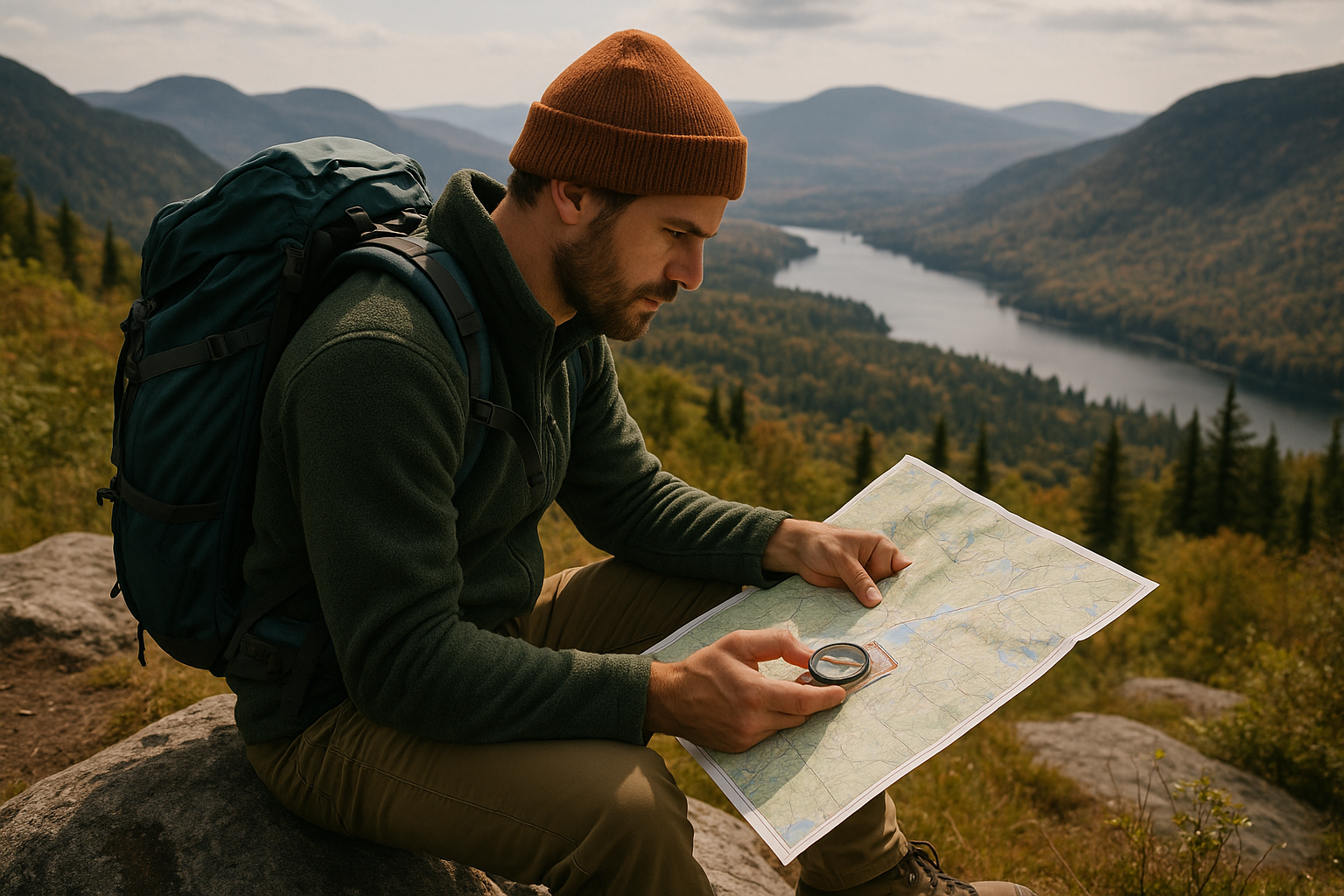
Where exactly am I going and what awaits me?
It seems obvious, but you'd be surprised how many times I've seen people arrive at Mont Yamaska thinking they'd do a quick 30-minute walk. The first question to ask yourself is to know precisely your playground.
The details that matter:
- Total distance and elevation gain
- Terrain type (rocky, muddy, technical)
- Realistic travel time for your level
- Available water sources along the route
- Shaded areas vs sun exposure
My trick: I always check recent comments on LGPO and look at other hikers' photos. They tell you a lot about trail conditions and what to expect.
| Hike Type | Specific Questions | Additional Preparation |
|---|---|---|
| Urban trail | Parking, schedules, transit access | Check opening hours |
| National park | Entry fees, reservations, regulations | Book in advance if necessary |
| Mountain | High-altitude weather, avalanche risks | Technical equipment, plan B |
| Dense forest | Risk of getting lost, wildlife presence | GPS, whistle, secure scented food |
Get my gifts →
What will the weather really be like?
"It's nice out, it'll be perfect!" Classic mistake. In the mountains, weather can change in 30 minutes. In the forest, a light drizzle can turn a trail into a skating rink. I've learned to dig deeper than just the "sunny" on the weather app.
Weather questions that save the day:
- What's the wind chill temperature?
- Are there thunderstorm risks in the afternoon?
- What's the humidity level (impact on heat sensation)?
- Will the trail be muddy from recent precipitation?
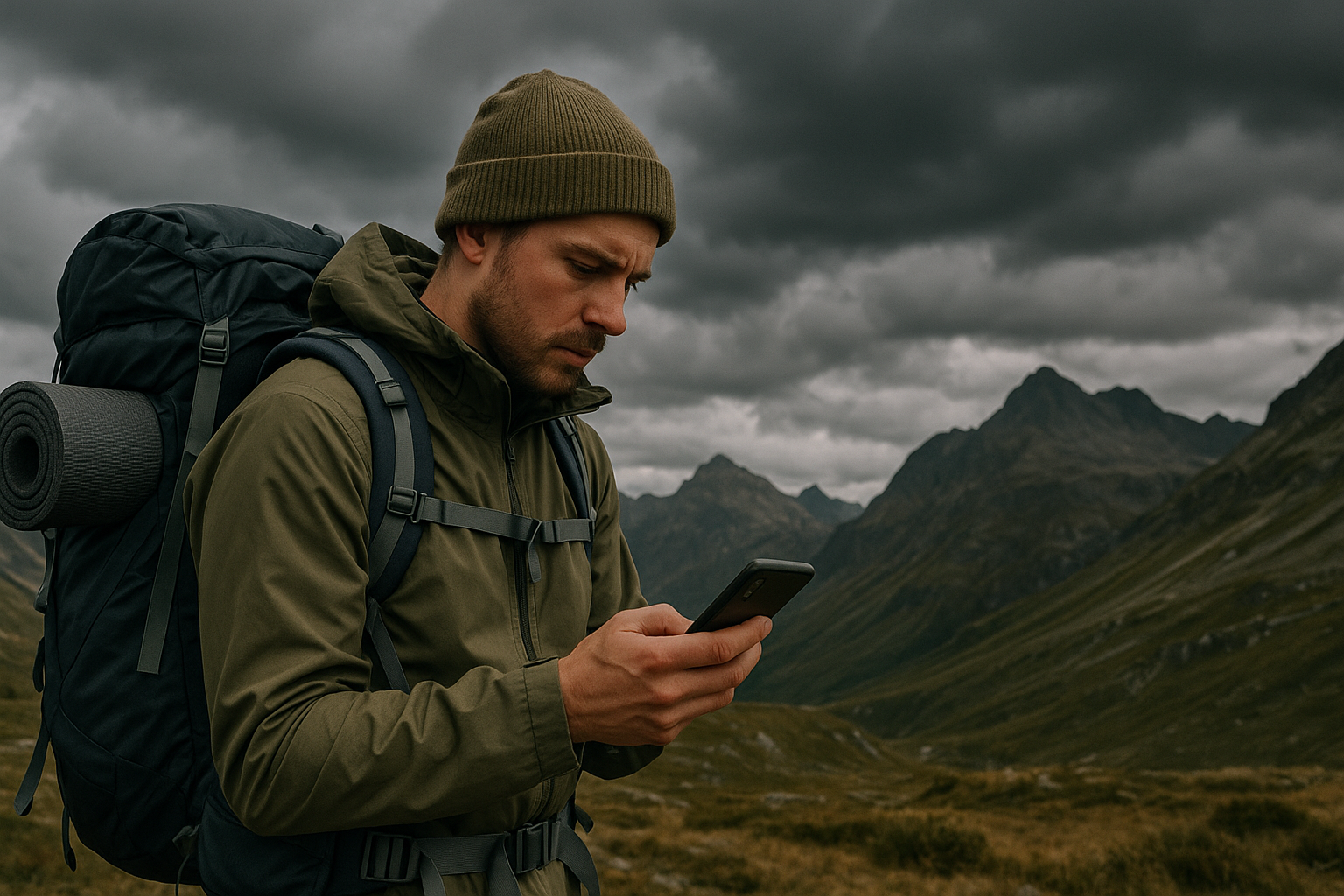
My advice: I always check the forecast for the past 3 days too. If it rained heavily, I know certain sections will be more technical, even if the day looks beautiful.
Adapting your gear according to weather
Once you know the conditions, adjust your pack. Uncertain weather? I add an extra layer. Risk of rain? Rain gear is mandatory, even if probabilities are low. The weight of a few extra grams isn't worth the risk of being caught unprepared.
What do I absolutely need to bring?
After forgetting my water bottle on a 30°C day at Parc du Mont Arthabaska, I developed a systematic approach. Equipment isn't just a checklist to tick off, it's thinking adapted to each outing.
Essential equipment questions:
- How much water do I need for this duration and temperature?
- Are my shoes suitable for the planned terrain?
- Do I have protection if conditions deteriorate?
- Will my phone be charged and will I have signal?
- Does someone know where I'm going and when I'm returning?
For hydration, my basic rule: 500ml per hour of effort in moderate weather, 750ml in hot weather. And I always add an extra 500ml for safety. Better to carry a bit more than ration your water.
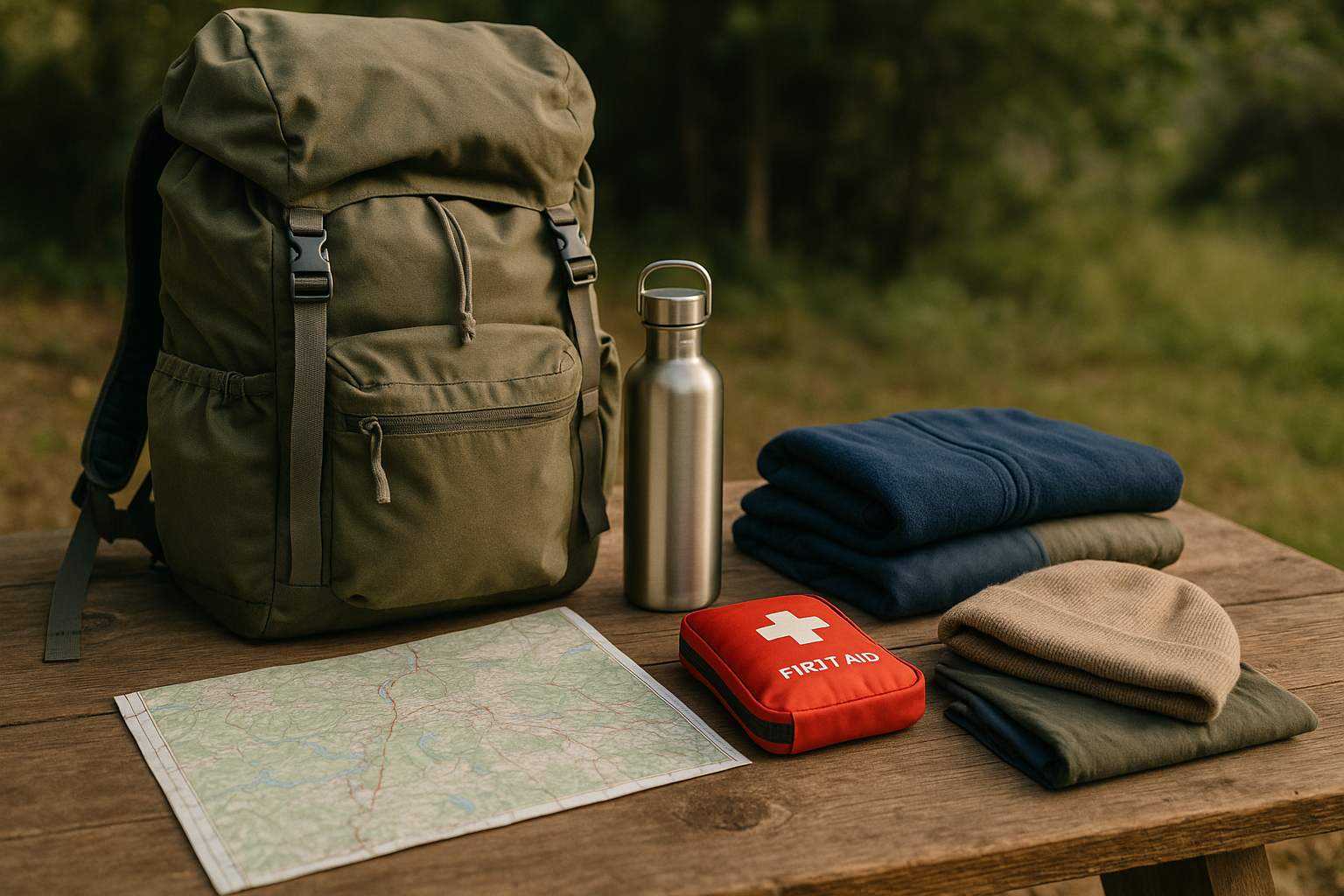
Non-negotiable safety equipment
No matter the outing, certain items never leave my pack: whistle, basic first aid kit, emergency blanket, and headlamp (even for day trips). These 200 grams can make the difference between a mishap and a real problem.
What time should I leave and return?
"We'll leave when we're ready": the perfect recipe for finding yourself at the summit at 4 PM with 2 hours of descent ahead in the middle of fall. Timing is crucial, and it's planned based on many variables.
Timing calculations to make:
- Sunrise/sunset times according to season
- Drive time to the starting point
- Actual hiking duration (add 30% to estimated time)
- Time for breaks, photos, and unexpected delays
- Latest return time to parking
My golden rule: I calculate sunset time and subtract 2 hours to get my latest departure time from the summit. This gives me a comfortable margin for descent and unexpected delays.
| Season | Ideal departure time | Points of attention |
|---|---|---|
| Summer | 6 AM-8 AM | Avoid afternoon heat |
| Fall | 7 AM-9 AM | Days shortening rapidly |
| Winter | 8 AM-9 AM | Limited light, changing conditions |
| Spring | 7 AM-9 AM | Snowmelt, muddy trails, variable conditions |
How will I navigate and what if things go wrong?
GPS, paper map, mobile app: today we have plenty of tools, but you need to know how to use them. I've seen too many people rely solely on their phone only to get lost when the battery dies.
Crucial navigation questions:
- Have I downloaded the offline map on my phone?
- Do I know the main landmarks?
- Where are the emergency exits along the route?
- Can someone locate me in case of trouble?
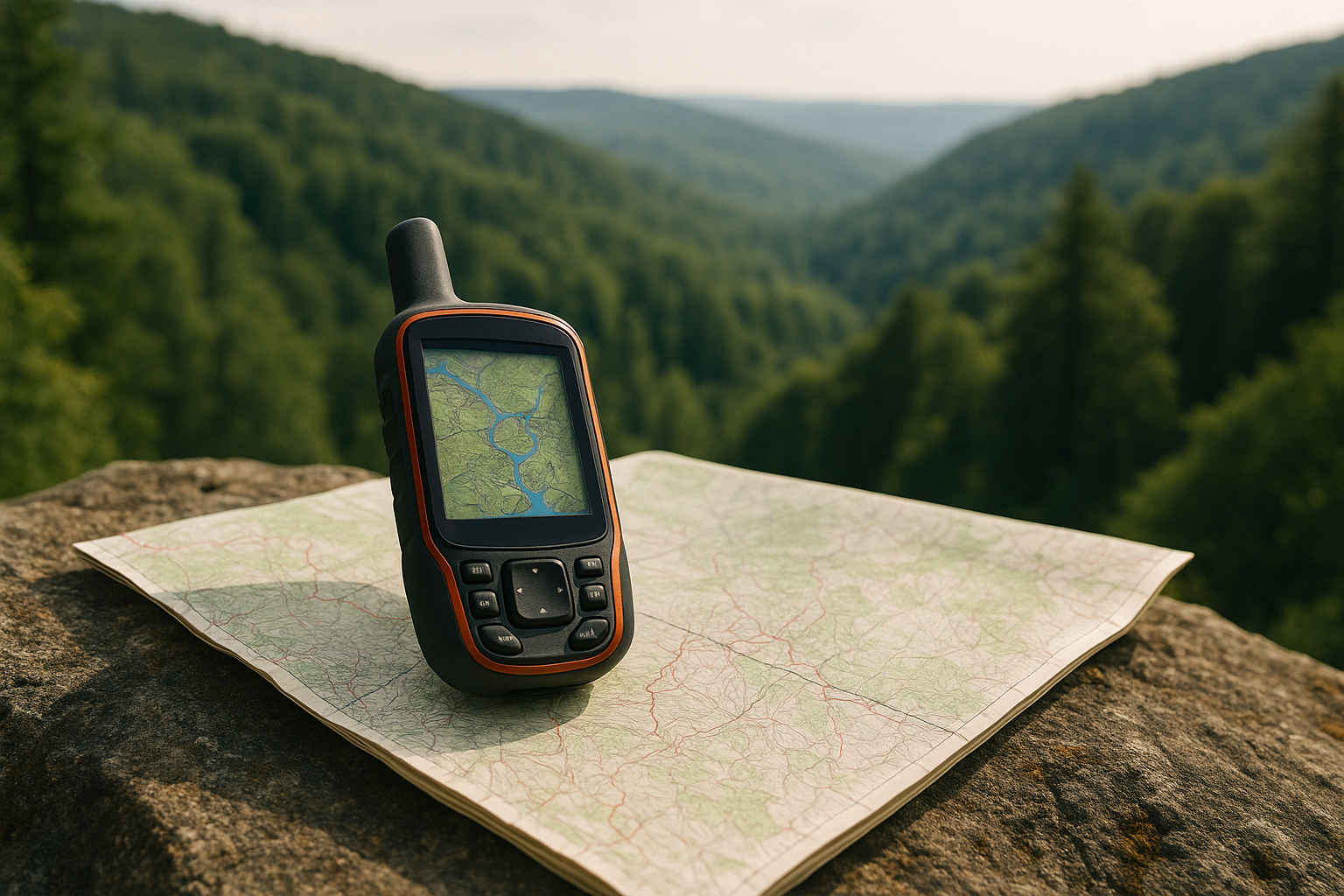
My system: I always have two independent navigation methods. Hiking GPS + phone with offline map, or paper map + compass + phone. If one fails, the other takes over.
Plan B and emergency exits
Before leaving, I always look for shortcuts or alternative exits on my route. If weather deteriorates, someone gets injured, or we're slower than expected, these options can save the day.
Who am I going with and what's the group's level?
Going alone or in a group changes everything in preparation. I've experienced great outings ruined because we hadn't aligned group expectations before leaving.
Essential group questions:
- What's the level of the weakest group member?
- Does everyone have suitable equipment?
- Are expectations aligned (pace, breaks, objectives)?
- Who takes responsibilities (navigation, first aid, timing)?
When I go with beginners, I automatically adapt: shorter route, slower pace, more frequent breaks, and I bring extra gear just in case. It's not charity, it's common sense so everyone enjoys themselves.
"The most successful hike is one where everyone returns with a smile and the desire to do it again."
How much will it cost and what do I need to reserve?
Nothing worse than arriving at Parc National des Hautes-Gorges de la Rivière Malbaie to learn it's full or that parking costs $20 when you only have $5 in your pocket.
Hidden costs to plan for:
- Park entrance fees (often $8-15 per adult)
- Parking (can go up to $25 in some places)
- Mandatory reservations (increasingly common)
- Gas for the round trip
- Meals/snacks if no restaurant on site
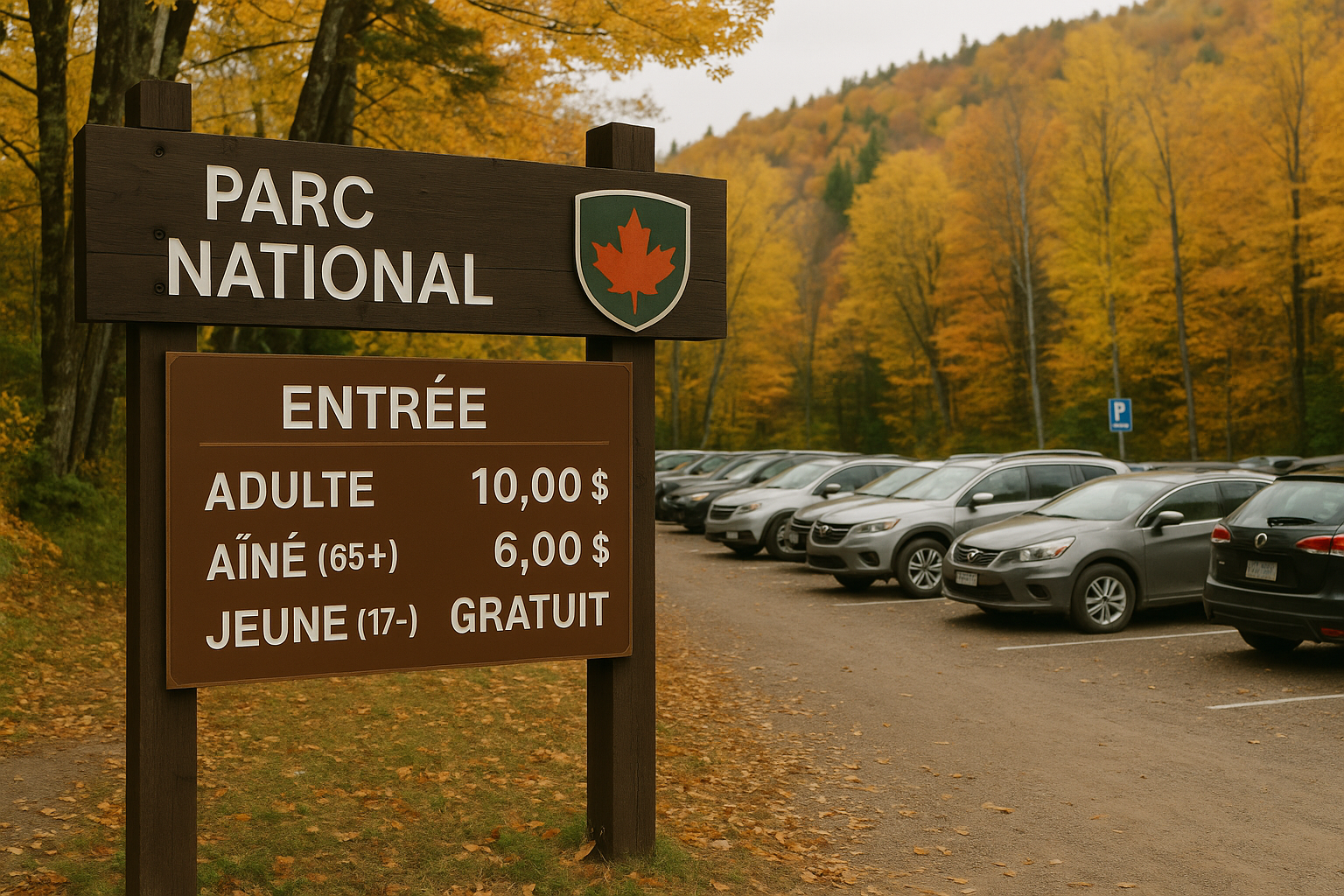
I always check official websites before leaving, especially for national parks. Some require reservations 48 hours in advance, others have daily quotas. Better to know before driving 2 hours!
What could go wrong and how do I prepare for it?
I'm not paranoid, but 15 years on trails have taught me to always have a plan for when things go wrong. Not to spoil the fun, but to be able to enjoy with complete peace of mind.
Scenarios to anticipate:
- Minor injury (sprain, cut, blister)
- Sudden weather change
- Lost trail or poor navigation
- Vehicle mechanical problem
- Significant delay from planned schedule
For each probable risk, I have a prepared response. First aid kit for minor injuries, spare clothes for weather, redundant navigation means, local garage number in my phone.
The goal isn't to foresee every possible scenario, but to have the basics covered so small hiccups remain anecdotes rather than turning into ordeals.
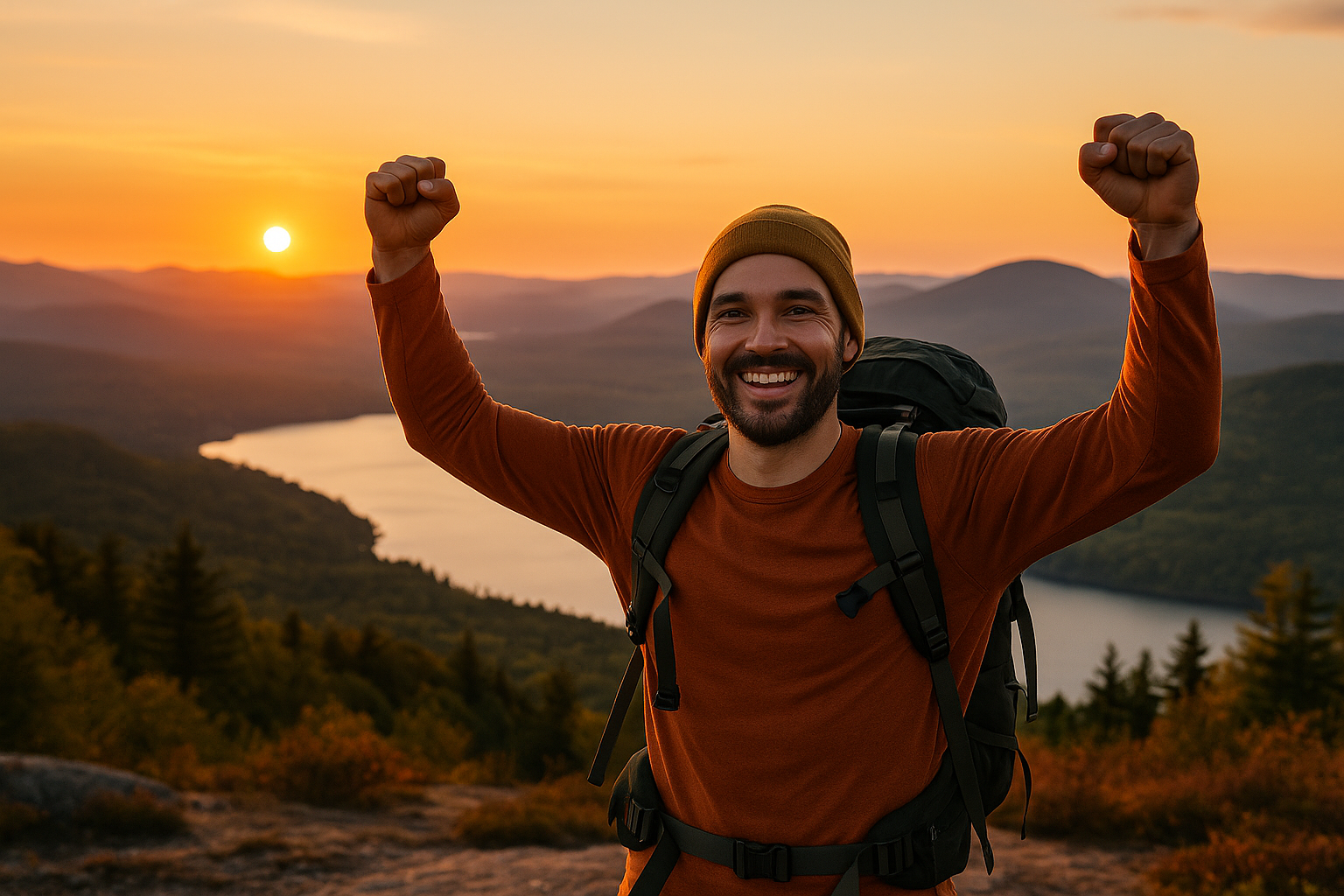
These questions may seem numerous at first, but they quickly become a reflex. And trust me, the 5 minutes you spend asking them before leaving will save you hours of trouble on the trail.
Key points to remember:
- Know your terrain precisely and adapt your expectations
- Weather dictates your equipment, dig deeper than basic forecasts
- Calculate your timing with realistic safety margins
- Always have a plan B and redundant navigation means
- Align group expectations before leaving
The outdoors is meant to reconnect us with nature and do us good. Good preparation doesn't guarantee everything will be perfect, but it maximizes your chances of returning with stars in your eyes rather than bruises on your shins.
So, what's your next adventure? Take 5 minutes to ask yourself these questions, and go discover what our magnificent Quebec trails have to offer you. You'll see, the difference is huge!

About the author
François Dumaine
Founder of Let's Go Play Outside
A passionate hiker, photographer and content creator, François has been hiking the trails of Quebec and Alberta since 2014. He founded Let's Go Play Outside to give you the information he wished he had before heading out.
Newsletter
Content that makes you want to go outside
Every week, a trail idea, a reflection on nature, or a tip worth the detour. Zero spam. Only the essentials.
Joined by 12,000+ outdoor enthusiasts
Read next
Continue the journey
GuidePratique
•Complete 2026 Checklist: Everything You Must Bring Hiking for a Successful Trip
GuidePratique
•7 min
Day Hiking: What to Bring and How to Prepare for Your First Experience
GuidePratique
•Discover the Perfect Hiking Lunch: Our Best Ideas for Energizing Meals and Practical Snacks for Your Adventures