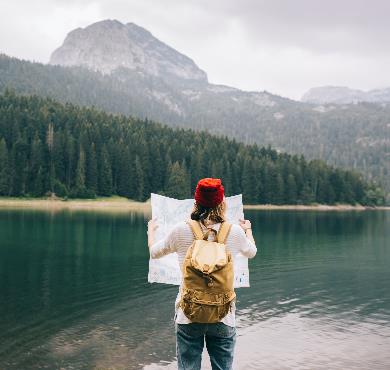
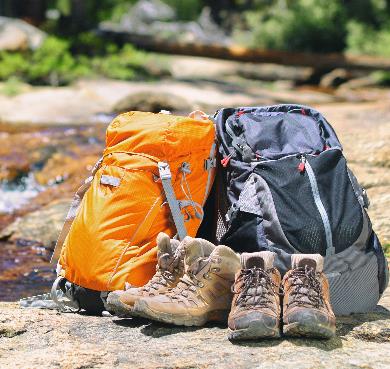
What to Bring Hiking: The Complete 2026 Checklist
You know what breaks my heart the most? Running into a hiker at kilometer 8, feet bleeding in soaked sneakers, asking if I have water to share. After 15 years exploring Quebec's trails, I've seen every possible mistake — and I've made my fair share too!
The truth is that knowing what to bring hiking can transform a catastrophic outing into a memorable adventure. No need to haul half your apartment either — you just need to know the essentials and adapt to your type of trip.
In this guide, I'll give you my complete checklist, tested on hundreds of trails. You'll discover the life-saving must-haves, the little extras that make a difference, and most importantly, how to avoid heading out under-equipped or with a 44-pound pack for a 2-hour walk.
The 10 Essentials: Your Mountain Survival Base
Let's start with the fundamentals. These 10 items make up what we call the "survival essentials" — they can literally save your life if things go wrong.
Navigation and Orientation
- Topographic map of the region (not just your phone)
- Compass — learn to use it before you go
- GPS or offline app like Gaia GPS or AllTrails
Sun Protection and Lighting
- Sunglasses with UV protection
- Sunscreen SPF 30 minimum
- Headlamp with spare batteries
First Aid and Signaling
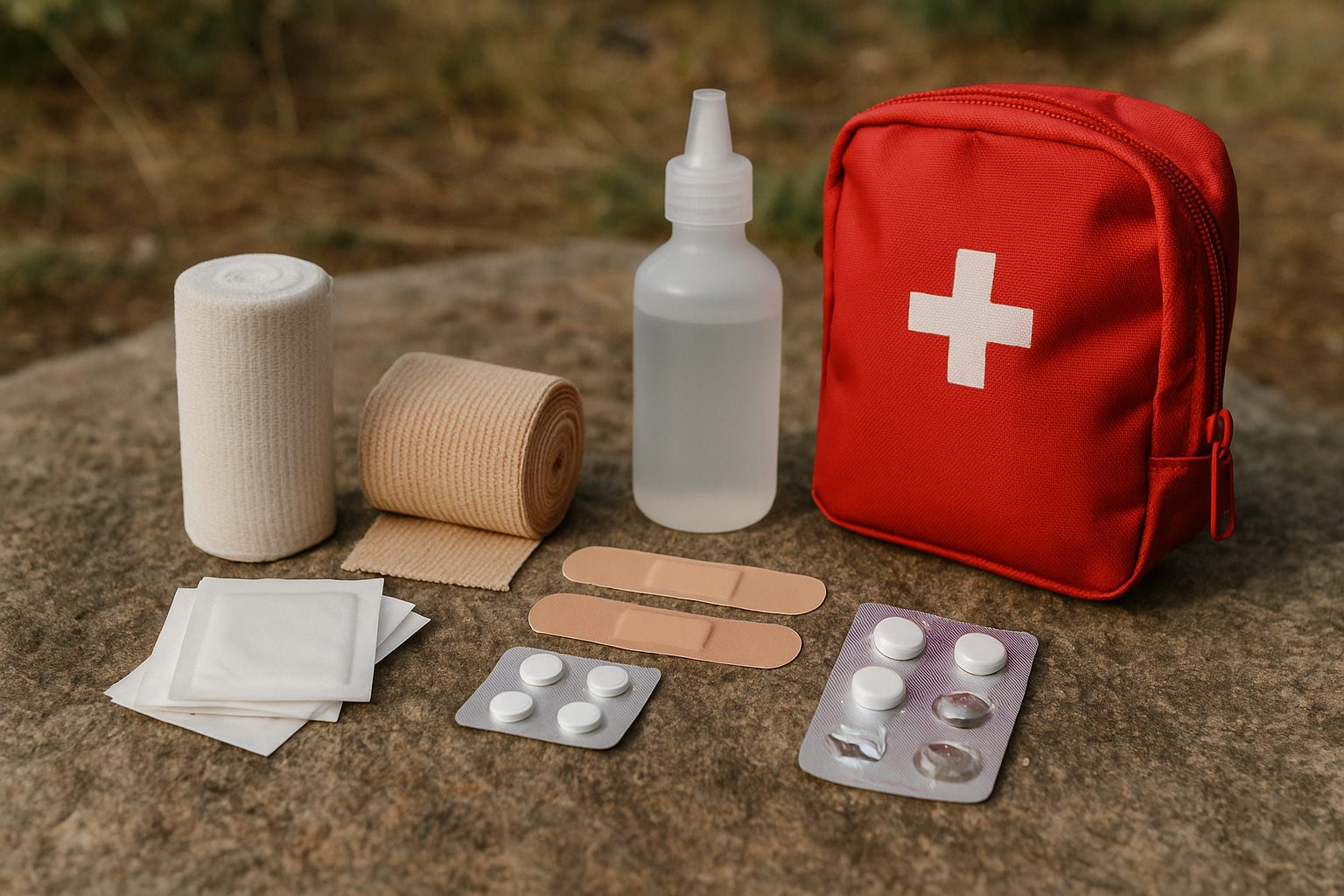
- First aid kit adapted to your trip duration
- Whistle to signal your position in emergencies
Repair and Emergency Shelter
- Repair kit with duct tape and multi-tool
- Emergency shelter — survival blanket or bivy
| Season | Specific Additions | Priority |
|---|---|---|
| Spring | Change of clothes, tick protection | High |
| Summer | Bug spray, electrolytes, hat | High |
| Fall | Extra layers, light gloves | Medium |
| Winter | Traction devices, warm spare clothes | Critical |
Hydration and Nutrition: Your Trail Fuel
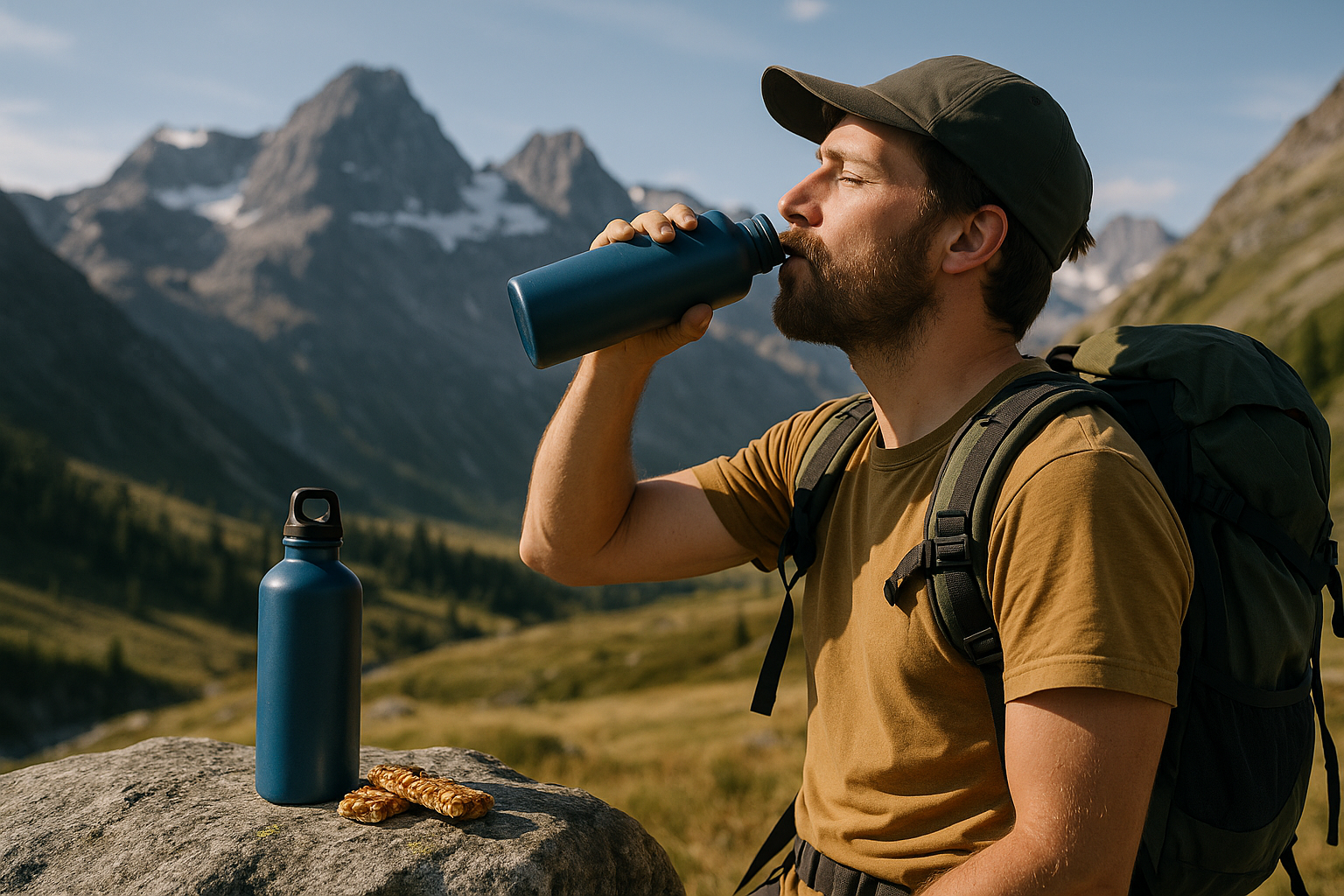
Water is non-negotiable. I've met people heading out for 6 hours of hiking with a small 16 oz bottle. Guess how that ended?
How Much Water to Bring?
- Trip under 3 hours: 1-1.5 liters
- Day hike: 2-3 liters
- Hot weather or intense effort: add 16 oz per hour
Water Carrying Options
- Hard bottles: durable, easy to clean
- Soft flasks: lightweight, compact when empty
- Hydration system: convenient for drinking while walking
- Purification tablets: if you plan to collect water en route
Energy Food
My trick is to bring more than I think I need. Better to return with leftovers than run out of fuel!
- Energy snacks: bars, nuts, dried fruit
- Substantial lunch for long outings
- Electrolytes if you sweat a lot
- Emergency reserve: something caloric that keeps well
Get my gifts →
Layering System: Dress Like a Pro
Forget cotton! Seriously, it's the worst thing you can wear hiking. The layering system is your best ally for staying comfortable regardless of conditions.
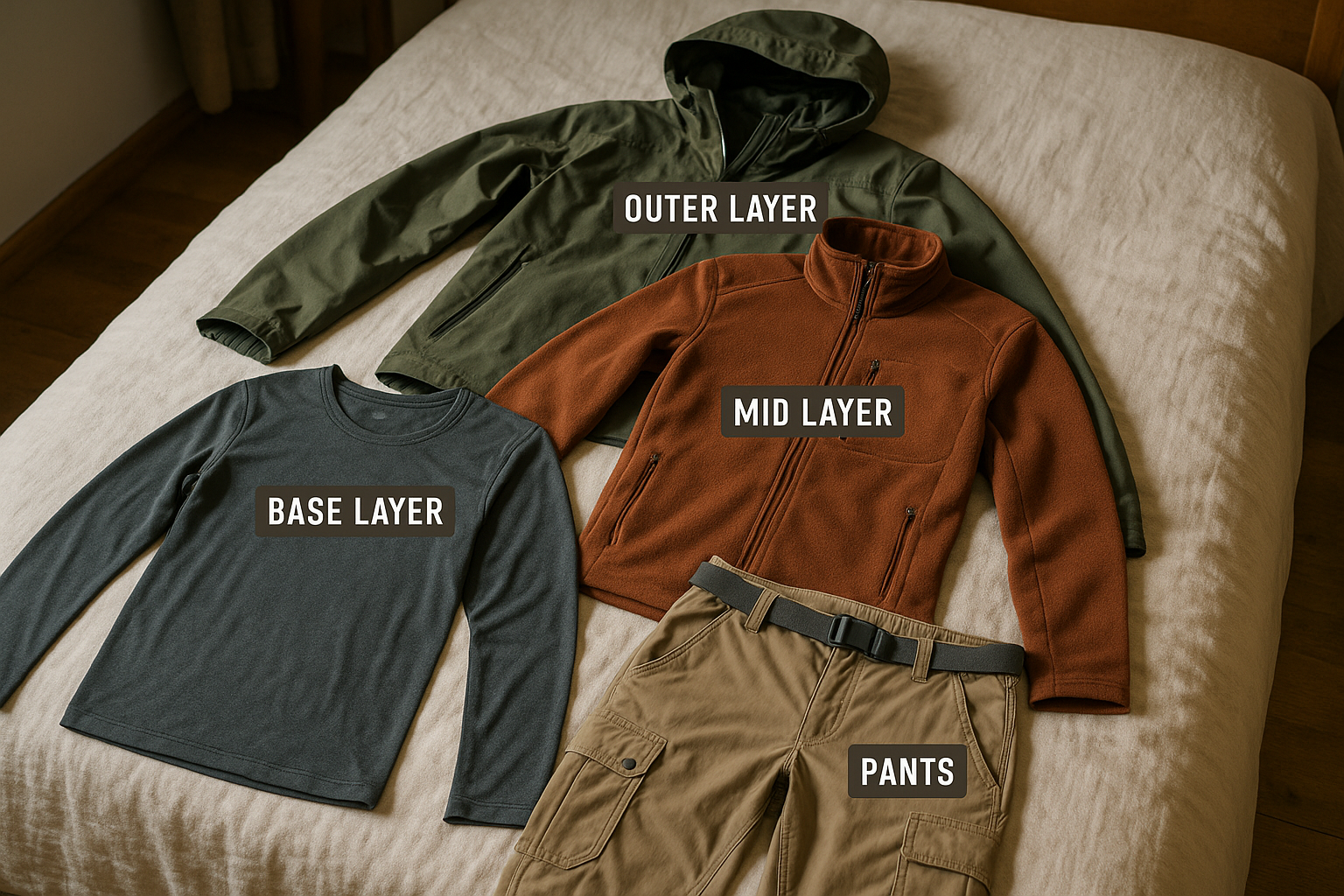
The Three Essential Layers
Base layer (next-to-skin): wicks moisture
- Synthetic materials or merino wool
- Fitted but not tight cut
- Long sleeves for protection
Insulating layer: retains heat
- Fleece, down or synthetic
- Easy to remove/put back on
- Compressible to save space
Shell layer: blocks wind and rain
- Waterproof-breathable jacket
- Robust zippers
- Adjustable hood
Lower Body and Extremities
- Hiking pants or shorts depending on weather
- Technical underwear (no cotton!)
- Hiking socks in merino wool
- Hat or cap for sun protection
- Light gloves even in summer (for windy summits)
For shoes, I wrote a complete guide on the best hiking shoes for beginners — it's really worth choosing well!
Technical Equipment: Tools That Make the Difference
Now that we've covered survival basics, let's talk about tools that will make your hike more enjoyable and safe. No need to empty your bank account — invest first in quality for items you use most.
Backpack: Your Trail Companion
| Trip Type | Recommended Capacity | Important Features |
|---|---|---|
| Few hours outing | 20-30 liters | Lightweight, back ventilation |
| Day hike | 30-40 liters | Hip belt, side pockets |
| Multi-day hike | 50+ liters | Advanced carrying system, content access |
My advice? Go try different models in-store with weight in them. An uncomfortable pack can ruin your day even if it's loaded with features.
Hiking Poles: Your New Best Friends
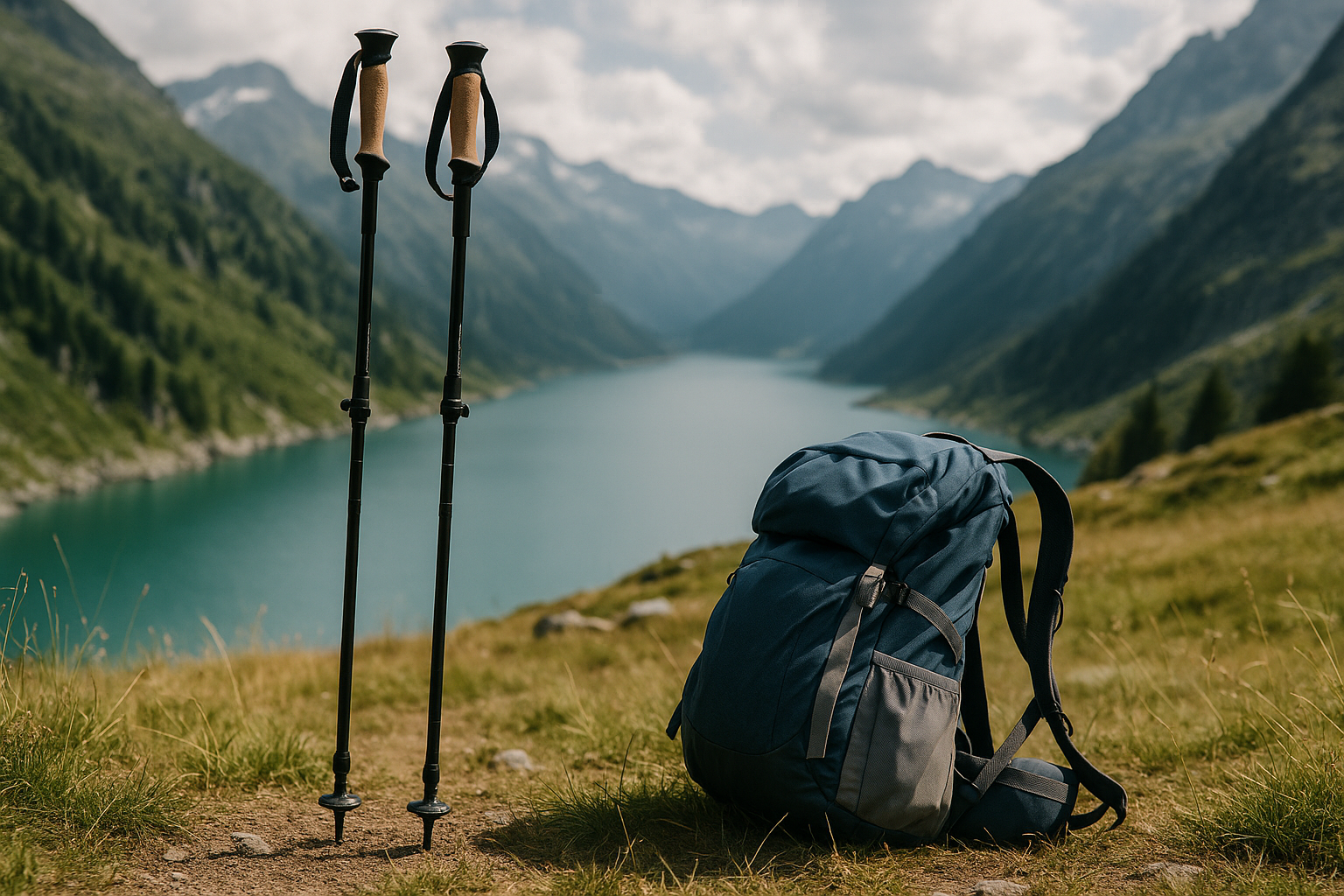
I was skeptical at first, but now I never leave without my poles. They reduce fatigue, improve balance and protect your knees on descents.
- Telescoping poles: adjustable and compact
- Ergonomic grips: comfort for long outings
- Adjustable straps: for good energy transfer
- Carbide tips: grip on all terrains
Practical Accessories
- Water bottle or hydration system
- Sunglasses with safety cord
- GPS watch or altimeter (optional but useful)
- Camera or smartphone with power bank
- Dry bags to protect your important stuff
If you want to compare specific models, check out my comparison between Salomon X Ultra 4 and Merrell Moab 3 — two excellent choices for beginners.
Checklist by Hike Type
Not all hikes are the same! Here are my adapted checklists depending on the type of outing you're planning. I learned the hard way that it's better to be slightly over-equipped than missing something important.
Morning Hike (2-4 hours)
- Small backpack (20-25L)
- 1-1.5L water + snacks
- Shell layer (just in case)
- Phone with GPS app
- Basic first aid kit
- Sunglasses and sunscreen
Perfect for discovering places like Parc du Mont-Royal or a walk at Parc Michel-Chartrand.
Full Day Hike
- 30-40L pack with carrying system
- 2-3L water + purification system
- Complete lunch + energy snacks
- Complete layering system
- The 10 survival essentials
- Hiking poles
- Power bank for your phone
Overnight Hike
Now we're entering another league! In addition to everything above:
- Tent or lightweight shelter
- Sleeping bag adapted to temperatures
- Insulating sleeping pad
- Stove and fuel
- Food for all meals
- Change of clothes
- Personal hygiene kit
- Headlamp + spare batteries
Winter Hiking
Winter in Quebec is no joke! Make sure you have:
- Warm spare clothes
- Crampons or microspikes
- Snowshoes if necessary
- Thermos with hot drink
- Extra calories
- Reinforced emergency shelter
- Spare gloves
To prepare well for cold season, check out my guide on how to prepare your first spring hike — many tips also apply to winter!
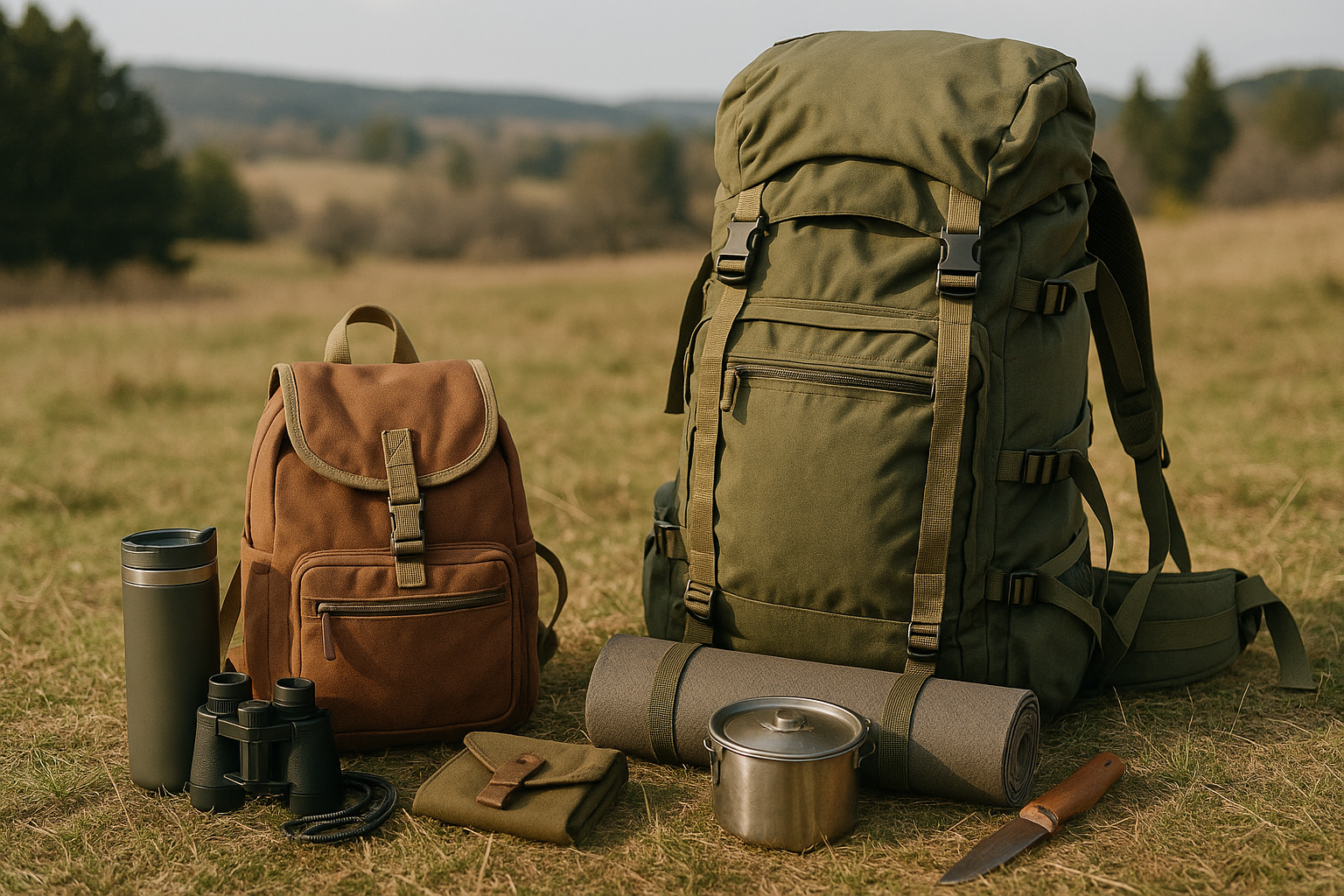
Mistakes to Avoid: Learn from My Blunders!
After 15 years on trails, I've made my share of stupid mistakes. Might as well learn from my blunders rather than repeat them!
The Enthusiastic Beginner's Error
Going over-equipped for a short outing. My first pack weighed 33 pounds for 3 hours of walking! I had brought enough gear to survive a week in the forest. Result: back pain and ruined hike.
"The best equipment is what you know how to use and that truly matches your needs."
The Classics That Can Go Wrong
- Leaving with new shoes — perfect recipe for blisters
- Forgetting to check the weather — I've been soaked to the bone by unexpected storms
- Not telling someone where you're going — basic safety rule
- Underestimating duration — always add 30% to your initial estimate
- Leaving without eating — your body needs fuel from the start
The Costly Negligence Error
Neglecting the first aid kit. A small cut can get infected, a sprain can immobilize you. I once had to limp down 5 miles because I couldn't treat a minor injury.
To avoid beginner mistakes, I highly recommend reading my article on the 10 mistakes every beginner makes hiking.
How to Adapt Your Checklist by Season
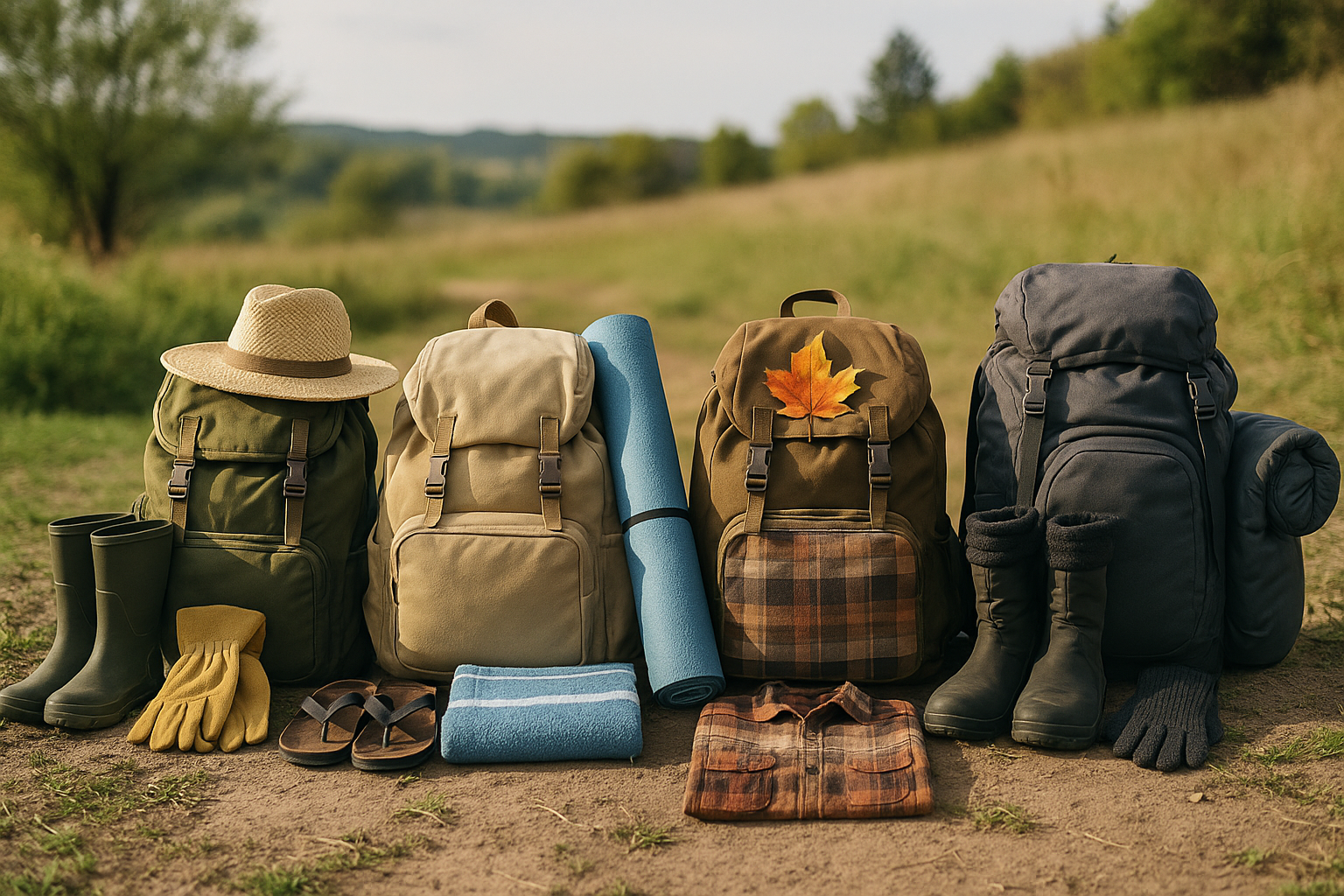
In Quebec, we're lucky to have four real seasons — and each requires adjustments to your equipment. Here's how I adapt my checklist according to time of year.
Spring: The Season of Surprises
Spring is tricky. It can be 68°F at the parking lot and 41°F at the summit, with snow still lingering in the underbrush.
- Multiple layers — temperature varies enormously
- Waterproof shoes — snowmelt creates streams everywhere
- Tick protection — they wake up early!
- Gaiters — to avoid soaked feet
- Change of clothes — in case you fall in a stream
Summer: Watch for Heat and Bugs
Quebec summer can be brutal — stifling heat, sudden storms, and mosquitoes attacking in gangs!
- Effective bug spray — DEET or icaridin
- Wide-brimmed hat — maximum sun protection
- Electrolytes — you're going to sweat, guaranteed
- Long, light clothing — protection against insects
- Extra water — 16 oz more than usual
Fall: Beauty with Challenges
Fall is magical for hiking, but conditions can change quickly.
- Insulating layer — mornings are cold, afternoons warm
- Headlamp — days shorten quickly
- Shoes with good grip — wet leaves are slippery!
- Gloves and toque — for windy summits
It's the perfect season to explore places like Mont du Lac des Cygnes — the colors are breathtaking!
Winter: Extreme Adventure
Winter hiking is another sport! But with the right equipment, it's absolutely magical.
- Reinforced layering system — warm base, thick insulation, total protection
- Crampons or microspikes — essential on ice
- Snowshoes — for deep snow
- Thermos — hot drink = morale boost
- Extra calories — your body burns more in winter
- Spare clothes — if you sweat and it freezes...
My Pro Tips for Optimizing Your Pack
After years of hauling packs that were too heavy or poorly organized, I've developed some tricks that make all the difference. A well-packed bag is half the pleasure of hiking!
The Art of Smart Packing
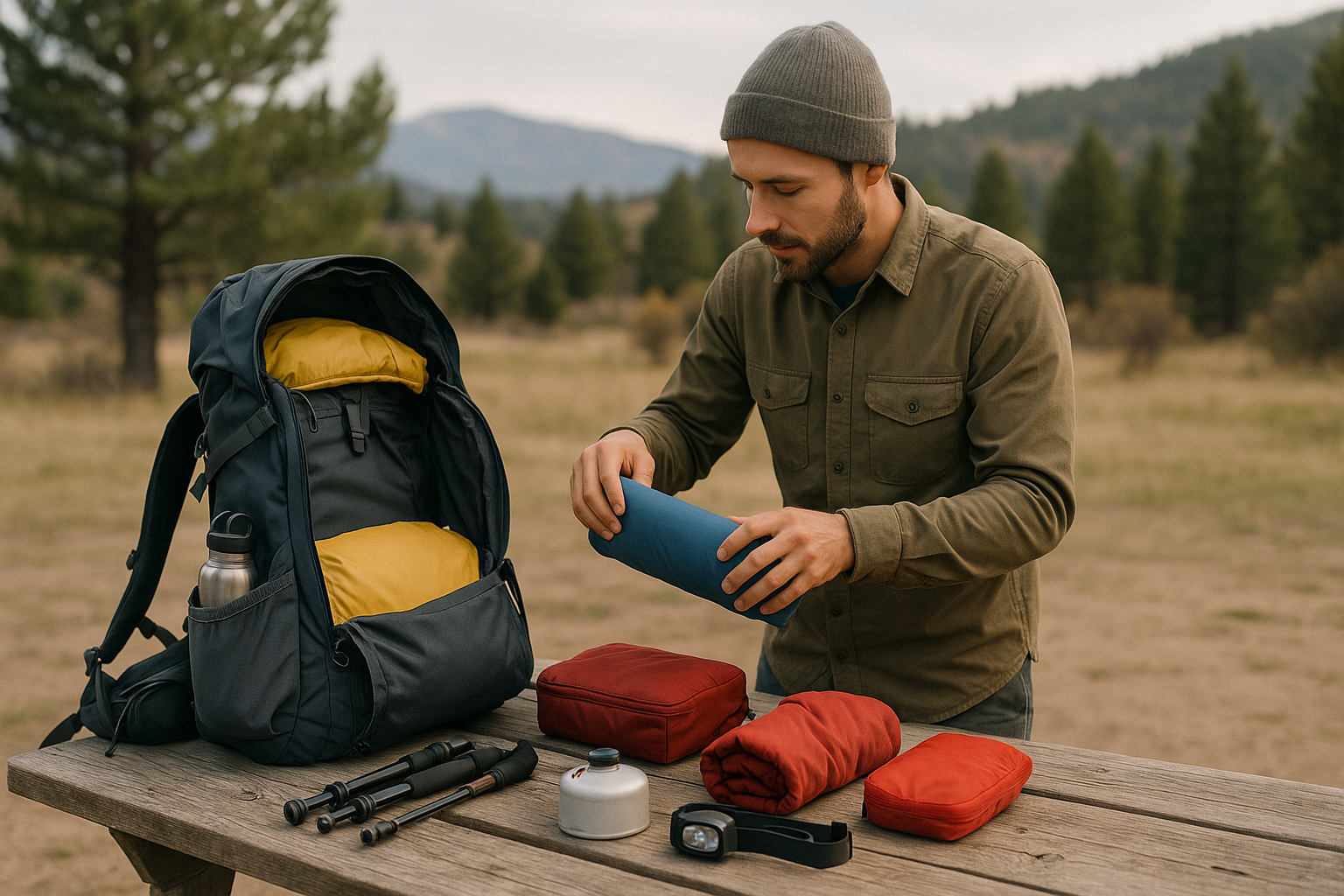
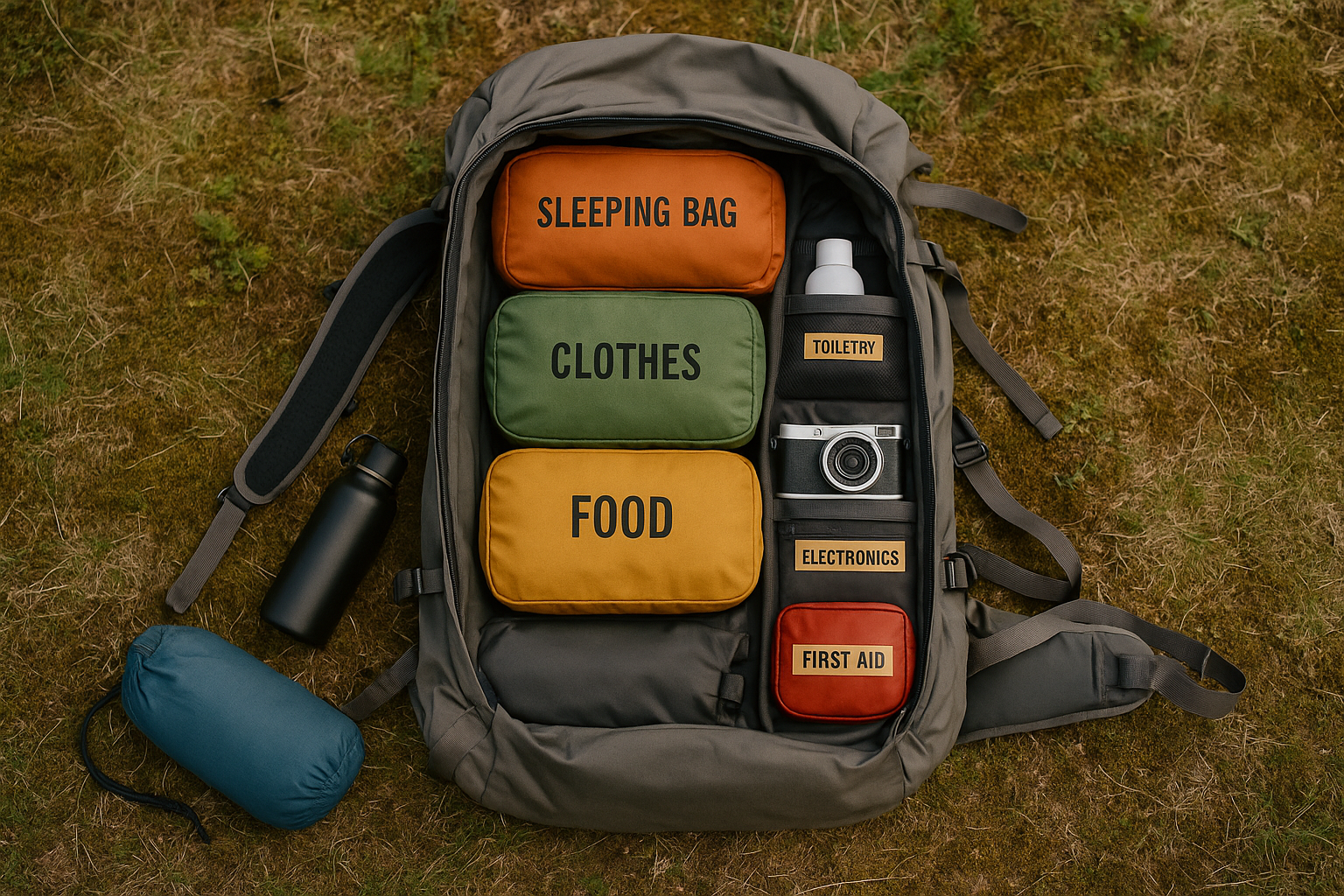
Heavy in center, close to back. Put your heaviest items (water, food) in the center of your pack, against your back. It improves your balance and reduces fatigue.
- Bottom of pack: sleeping bag, spare clothes
- Center, near back: water, food, heavy equipment
- Center, outside: first aid kit, tools
- Top of pack: shell layer, snacks
- Side pockets: water, frequently used items
Reducing Weight Without Sacrificing Safety
Every gram counts on your shoulders! Here are my tricks to lighten your pack:
- Multi-function equipment — a knife with several tools rather than separate items
- Individual portions — repackage your food, avoid large containers
- Technical clothing — lighter and more performant than cotton
- Regular review — ask yourself if you really used each item last time
Organization That Saves Time
Nothing more frustrating than emptying your whole pack to find a bandage! My system:
- Colored bags — red for first aid, blue for hygiene, etc.
- Dedicated pockets — always the same place for the same objects
- Quick access — snacks and map in exterior pockets
- Emergency kit — always in the same place, easy to find
For more preparation tips, check out the essential questions to ask yourself before leaving — it complements this gear guide well.
Ready for Adventure?
There you have it, you now have all the tools to head out well-equipped for hiking! Remember that the best equipment is what you know and know how to use.
Key points to remember:
- The 10 essentials are non-negotiable — they can save your life
- Adapt your equipment to the type of outing — no need for a 40L pack for 2 hours of walking
- Test your gear before the big outing — no surprises on trail
- Your pack organization makes all the difference — heavy in center, frequent accessible
- Each season has its specificities — adjust your checklist according to weather
Now, stop procrastinating and go explore! Whether it's a family walk at Parc National du Mont Saint-Bruno or a more challenging adventure in Parc National des Hautes-Gorges-de-la-Rivière-Malbaie, you're now equipped to enjoy it fully.
Nature awaits — and it has so many wonders to show you! Start with an outing near home, test your equipment, and gradually build toward more ambitious adventures. That's how you become a true outdoor enthusiast.
Happy trails, and don't forget: the important thing isn't going fast or far, it's taking time to savor every moment outdoors! 🥾

About the author
François Dumaine
Founder of Let's Go Play Outside
A passionate hiker, photographer and content creator, François has been hiking the trails of Quebec and Alberta since 2014. He founded Let's Go Play Outside to give you the information he wished he had before heading out.
Newsletter
Content that makes you want to go outside
Every week, a trail idea, a reflection on nature, or a tip worth the detour. Zero spam. Only the essentials.
Joined by 12,000+ outdoor enthusiasts
Read next
Continue the journey