
Day Hiking: What to Bring for a Successful Outing
You know what separates a memorable hike from a mountain nightmare? Often, it's just what's in your backpack. After covering hundreds of trails in Quebec and beyond, I've learned the hard way that a well-prepared day hike starts with knowing what to bring. No need to drag half your house along, but forgetting the essentials can quickly turn a beautiful day into a disaster.
In this guide, I'll share my field-tested list, the one I've been using for years that has saved me from many problems. You'll discover exactly what to pack to be ready for any situation, without looking like a sherpa.
The Absolute Essentials: What Should NEVER Be Missing from Your Pack
Let's start with the basics, the stuff I bring on every outing, regardless of duration or difficulty. These items have saved my skin more than once, and trust me, you don't want to learn their importance the hard way.
Water: Your Best Friend on the Trail
Golden rule: 1 liter of water for every 2 hours of hiking in normal conditions. If it's hot or you sweat a lot, bump it up to 1.5 liters. I once made the mistake of leaving with a small 500ml bottle for a 4-hour hike at Mont Yamaska in the middle of July. Big mistake.
Compact First Aid Kit
No need for a military medic kit, but a few essentials can make all the difference:
- Various adhesive bandages (blisters happen more often than you think)
- Sterile gauze and medical tape
- Personal medications (anti-inflammatories, antihistamines)
- Small disinfectant
Protection and Navigation
Even for a day hike on a marked trail, I always bring:
- Area map or GPS app downloaded offline
- Whistle (3 short blasts = universal distress signal)
- Headlamp with spare batteries (even if you leave in the morning)
- Multi-tool or compact tool
| Item | Approximate Weight | Essential if... |
|---|---|---|
| Water (1.5L) | 1.5 kg | Always |
| First aid kit | 200g | Always |
| Headlamp | 100g | Outing > 4h |
| Map/GPS | 50g | Poorly marked trail |
Nutrition and Energy: How to Fuel Properly on the Trail
Trail nutrition is an art. Too little and you lack energy for the final climb. Too much and you're carrying unnecessary weight. After years of trial and error, here's my proven strategy.
Snacks That Pack a Punch
Forget those soggy granola bars from the convenience store. On the trail, you want calorie-dense and easily digestible foods:
- Mixed nuts and dried fruit (my classic: almonds, cranberries, dark chocolate)
- Quality energy bars (check the protein content)
- Fresh fruit that travels well (apples, bananas)
- Hard cheese and crackers for lunch
Meal Timing
I eat little but often: a small snack every 45-60 minutes of hiking. This keeps energy levels stable and prevents crashes. For the main lunch, I always look for a spot with a view. After all, that's part of the joy of hiking!
Dressing for All Weather Conditions
Mountain weather is unpredictable. I've left under radiant sunshine at Canyon Sainte-Anne only to find myself in rain 2 hours later. The secret? The 3-layer system.
Base Layer: Wicking Moisture
Never cotton! Go for synthetic materials or merino wool. They dry quickly and keep you warm even when wet. It's an investment, but it's life-changing.
Insulating Layer: Retaining Heat
A lightweight fleece jacket or compressible down. Even in summer, summits can be cool, especially if there's wind.
Outer Layer: Protection from the Elements
A waterproof windbreaker that folds into a small bag. No need for the $500 model for a day hike, but make sure it breathes somewhat.
| Season | Base Layer | Essential Outer Layer |
|---|---|---|
| Summer | Synthetic t-shirt | Light windbreaker |
| Fall | Long sleeves | Waterproof jacket |
| Winter | Merino wool | Insulated parka |
Get my gifts →
Footwear and Accessories: Details That Make the Difference
Your feet will carry your full weight for hours. Let's just say this is not the time to cut corners or experiment with new shoes.
Choosing Shoes Based on Terrain
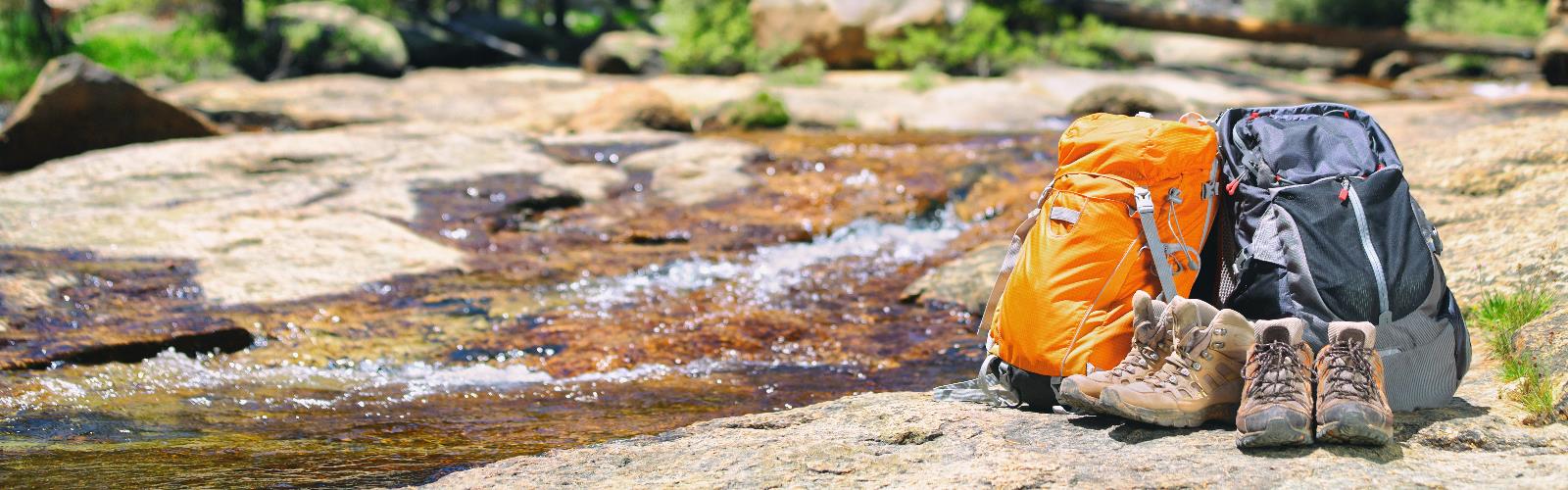
For most Quebec trails, mid-height hiking shoes work perfectly. They offer good ankle support without being too heavy. I reserve full boots for really rough terrain or winter hiking.
If you're starting out, begin by testing your shoes on easy trails like Parc du Mont-Royal before tackling something tougher.
Accessories That Save the Day
- Hiking socks (prevent blisters, again no cotton)
- Cap or hat (sun and rain protection)
- Sunglasses (essential at altitude)
- Light gloves (even in summer, useful for rocky sections)
- Sunscreen (sun hits harder in the mountains)
Adapting Your Gear by Hike Type
A 2-hour outing at Parc Michel-Chartrand doesn't require the same equipment as a full day in Charlevoix. Here's how I adapt my pack based on context.
Short Hike (2-4 hours)
The essentials in a small 15-20 liter pack:
- 1 liter of water
- 2-3 snacks
- Windbreaker
- Basic kit (bandages, personal medications)
- Charged phone
Long Hike (5-8 hours)
25-35 liter pack with the complete equipment mentioned above, plus:
- 1.5-2 liters of water
- Full meal + snacks
- Extra insulating layer
- Mandatory headlamp
- Detailed area map
Technical or Remote Hike
Here, we add safety gear:
- Whistle
- Compact emergency blanket
- Waterproof matches
- Light rope (if exposed sections)
- GPS or emergency beacon for really remote areas
Technology and Safety: Modern Hiker Tools
I may be old school on some aspects, but I admit modern tech makes our trail life easier. Here are my digital must-haves.
Essential Apps
AllTrails or Gaia GPS with maps downloaded offline. Even if you know the trail, having a detailed map with your GPS position can save you if you take the wrong fork.
For Quebec adventurers, I also recommend the SEPAQ app which gives up-to-date info on trail conditions in our national parks.
Battery and Connectivity
A lightweight power bank for long days. Your phone can become your best ally in an emergency, but only if it has juice.
For really remote areas, consider an emergency beacon like a Garmin inReach. It's an investment, but it can literally save lives.
Classic Mistakes to Absolutely Avoid
Let me share the mistakes I see most often on the trail, and that I made myself when starting out. Learning from my blunders will save you time and hassles!
Mistake #1: Starting Too Heavy
The "just in case" syndrome that makes you drag 15 kg for a 4-hour hike. Every gram counts when you're climbing for 2 hours. My rule: if I hesitate to bring something, I leave it at home 9 times out of 10.
Mistake #2: Neglecting the Weather
Checking the weather the night before is good. Checking it the morning of is better. And always have a plan B if things go south. I've had to turn back because of an approaching storm, and I was glad I did.
Mistake #3: Testing New Gear
Never new shoes on a hike! Test your equipment on short outings first. This goes for shoes, backpack, even socks.
"The best equipment is what you know how to use and that matches your real needs, not your adventurer fantasies."
My Seasonal Recommendations for Quebec
Quebec has four distinct seasons, and each requires adjustments to your equipment. Here are my seasonal adaptations after years of exploring our trails.
Spring (April-May): The Season of Surprises
Quebec spring is unpredictable. You can have 20°C at the bottom and snow at the summit. My essentials:
- Multiple layers mandatory
- Gaiters for mud and residual snow
- Hiking poles (terrain often slippery)
- Bug protection (bug spray from May onwards)
It's the perfect season to discover trails like Parc du Mont Arthabaska without summer crowds.
Summer (June-August): Heat and Hydration
In summer, hydration becomes critical:
- 2 liters of water minimum for a long hike
- Electrolytes if you sweat a lot
- Enhanced sun protection (cream, hat, glasses)
- Light but covering clothing (UV and bug protection)
Fall (September-October): The Magic Season
My favorite time! The colors are spectacular, but conditions change quickly:
- Extra warm layer (nights get cold)
- Headlamp (days shorten rapidly)
- Shoes with good grip (wet leaves = ice rink)
Your Final Pre-Departure Checklist
Before heading out on an adventure, here's my verification routine that I use systematically. It takes 5 minutes and prevents nasty surprises.
The Night Before the Hike
- Check the weather and adjust equipment if necessary
- Charge all electronic devices (phone, GPS, light)
- Prepare snacks and fill water bottles
- Check trail conditions (closures, construction)
- Inform someone of your route
Morning of Departure
- Final weather check
- Quick test of electronic gear
- Backpack adjustment (straps, weight distribution)
- Substantial but not too heavy breakfast
With this preparation, you're ready to fully enjoy your day in nature. The most important thing is to start somewhere and adjust your equipment based on your experiences.
Conclusion: The Perfect Gear is What Works for You
After all these years on the trail, I've learned one thing: there's no perfect universal equipment. What matters is starting with the essentials, learning from each outing, and gradually adjusting your gear according to your needs and hiking style.
Here are the key points to remember:
- Start simple with the essentials: water, food, protection, first aid
- Adapt according to season and duration of your hike
- Test your equipment on short outings before big adventures
- Never forget safety: inform someone of your plans and always bring more water than expected
- Invest in quality for critical items (shoes, backpack, technical clothing)
The best part? Each hike will teach you something new about what works for you. The important thing is to start exploring our magnificent Quebec trails, whether it's a small walk at Mont Saint-Bruno or a more ambitious adventure in Charlevoix.
So, ready for your next adventure? Pack your bag, choose your trail and go discover what our mountains have to offer you. Nature is waiting!

About the author
François Dumaine
Founder of Let's Go Play Outside
A passionate hiker, photographer and content creator, François has been hiking the trails of Quebec and Alberta since 2014. He founded Let's Go Play Outside to give you the information he wished he had before heading out.
Newsletter
Content that makes you want to go outside
Every week, a trail idea, a reflection on nature, or a tip worth the detour. Zero spam. Only the essentials.
Joined by 12,000+ outdoor enthusiasts
Read next
Continue the journey
GuidePratique
•6 min
7 Essential Questions to Ask Yourself Before Heading Out
GuidePratique
•Complete 2026 Checklist: Everything You Must Bring Hiking for a Successful Trip
GuidePratique
•Discover the Perfect Hiking Lunch: Our Best Ideas for Energizing Meals and Practical Snacks for Your Adventures