

Ready to explore Brant Conservation Area? Here's everything you need to know before you go!
Discover the trail
Trail description
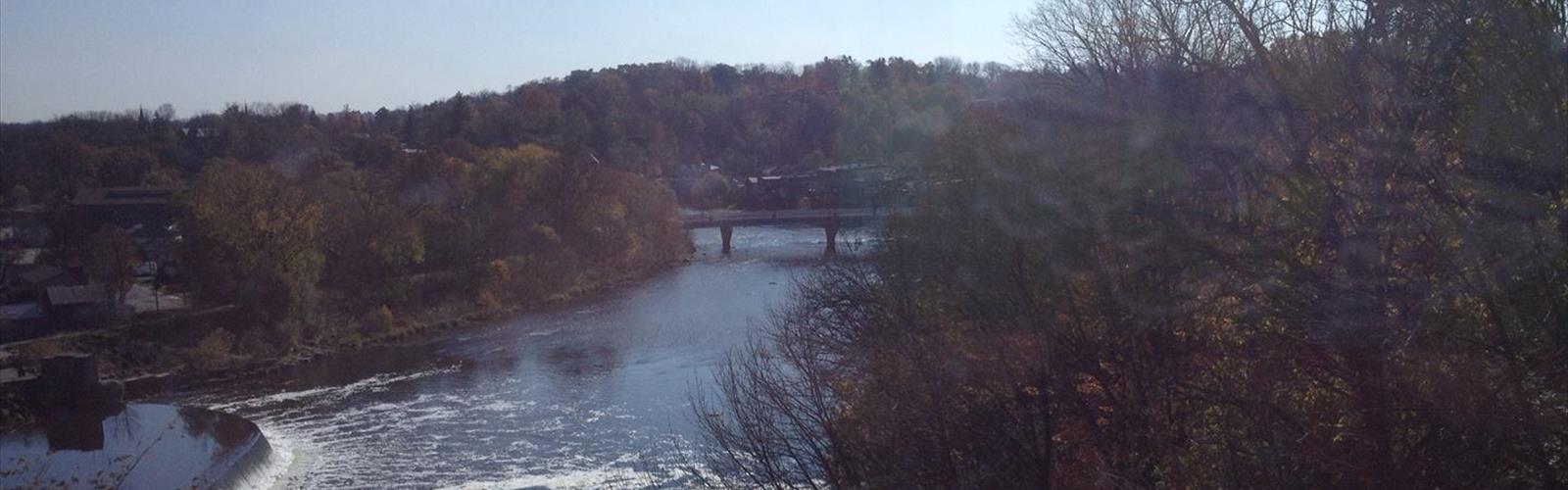
Tucked along the Grand River in the Hamilton, Halton, and Brant region, Brant Conservation Area delivers exactly what outdoor enthusiasts need without the crowds of more famous destinations. This riverside gem combines accessible trail networks with genuine natural beauty, making it a solid choice whether you're planning a quick family outing or a full day of outdoor activities.
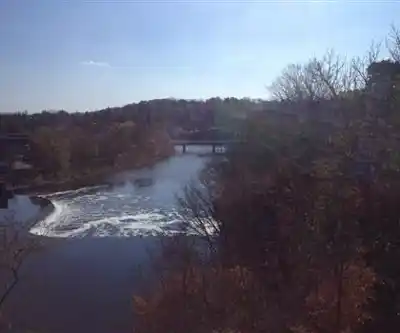
The conservation area's location along the Grand River shapes everything about the hiking experience here. You'll find yourself walking through a mix of riverside flats and gently rolling terrain, with the constant backdrop of flowing water adding both visual appeal and a natural soundtrack to your trek. The elevation change across the trail network is modest — around 50 metres — giving you just enough variety to keep things interesting without demanding any serious climbing effort.
Trail Network and Terrain
With roughly 15 kilometres of trails to explore, Brant Conservation Area gives you plenty of ground to cover without overwhelming anyone in your group. Most hikers complete a satisfying loop in around an hour and a half, though the network's flexibility means you can easily extend or shorten your outing depending on how the day is going. The trails are rated moderate overall, which in practice means they're well within reach for most fitness levels while still offering enough terrain variation to feel like a genuine hike rather than a stroll through a park.
The trail system stands out for its thoughtful design and consistent maintenance. These aren't rough wilderness paths — they're well-established routes that accommodate everyone from toddlers taking their first nature walks to experienced hikers looking for a relaxed day outdoors. The network connects different sections of the conservation area, letting you customize your route based on your group's needs and energy level.
Most of the terrain consists of mixed hardwood forest interspersed with open meadow areas and riverside sections. You'll walk beneath mature trees that provide solid shade during summer months, then emerge into sunny clearings where wildflowers bloom in season. The forest floor varies from packed earth to occasional root systems and seasonal mud patches, so while the trails aren't technically demanding, proper footwear still makes a real difference in your comfort level.
The riverside portions of the trail network offer some of the area's best scenery. Here, the path runs close enough to the Grand River that you can watch the water move while keeping an eye out for wildlife. These sections tend to be flatter and more open, providing a nice contrast to the shaded forest segments and giving you a chance to catch your breath and take in the view.
Wildlife and Natural Features
Birdwatchers will find Brant Conservation Area particularly rewarding. The combination of river habitat, mature forest, and open meadows creates ideal conditions for a diverse bird population. You can expect to spot various waterfowl along the river, woodland birds in the forest canopy, and field birds in the open areas. Early morning and late afternoon visits typically offer the best wildlife viewing opportunities, when activity peaks and the light is at its most flattering.
Beyond birds, the area supports the kind of wildlife you'd expect from healthy southern Ontario habitat. Deer tracks are common along the trails, and smaller mammals like squirrels and chipmunks are regularly visible. The diverse ecosystem created by the river's presence means you'll encounter different plant communities as you move between habitats — moisture-loving species near the water, drought-tolerant varieties on higher ground, and everything in between.
The Grand River itself is more than just a scenic backdrop. Its presence moderates temperatures, creates the humidity that supports lush vegetation, and provides the water source that draws wildlife to the area. The river's character shifts noticeably across seasons — spring brings higher, faster water, summer settles into a gentler flow, and winter can produce striking ice formations along the banks.
Facilities and Amenities
Brant Conservation Area goes well beyond just trails. The camping facilities accommodate both tent campers and RV users, with amenities designed to balance comfort with the outdoor experience. This makes the area particularly valuable for families wanting to introduce children to camping without venturing too far from home base.
Picnic facilities are scattered throughout the conservation area, with tables and grills positioned to take advantage of scenic spots while staying accessible from parking areas. You'll find both shaded and sunny options, which means comfortable conditions regardless of the weather. These aren't afterthoughts — they're well-maintained installations that can handle everything from an intimate family lunch to a larger group gathering.
What makes the facilities here work especially well is how naturally they integrate with the trail system. It's easy to combine hiking with a picnic, using the trails to build up an appetite before settling in for a meal, or heading out for a post-lunch walk to explore a different section of the conservation area.
Planning Your Visit
The conservation area's location in the Hamilton, Halton, and Brant region makes it accessible from multiple urban centres while maintaining its natural character. This positioning means you can realistically plan anything from a quick afternoon escape to a multi-day camping and hiking trip without a long drive.
For day hikers, the trail network's flexibility lets you adjust your route based on conditions, energy levels, and available time. The well-maintained nature of the trails means you don't need specialized gear, though standard hiking preparations still apply. The riverside location can mean higher humidity and more insects during summer months, so a good insect repellent is worth packing from late spring onward.
Families will appreciate that the trail difficulty accommodates different ages and abilities within the same group. Adults get a genuine hiking experience while children can handle the terrain without becoming frustrated or worn out. The mix of natural features, wildlife viewing opportunities, and solid facilities creates multiple ways to keep everyone engaged throughout the visit.
The conservation area holds its appeal across all four seasons — spring brings wildflowers and active wildlife, summer offers full foliage and warm weather ideal for camping, fall delivers rich colour along the river corridor, and winter transforms the landscape into a quieter, snow-covered retreat that rewards those willing to visit during the off-season.
The Essential Hiking Checklist
Everything you need for your next hike. Bilingual, printable, 1 page.
Get your free hiking checklistRecommended gear for this trail
As an Amazon Associate I earn from qualifying purchases.


Ready to go?
Everything you need to know before you goStarting Point
The brant conservation area is located in Ontario, Canada. To get to the start of the trails, take Highway 403 to Highway 6 North. Take the exit for County Road 10 and turn left. The entrance to the conservation area will be on your right.
The brant conservation area is located in Ontario, Canada. To get to the start of the trails, take Highway 403 to Highway 6 North. Take the exit for County Road 10 and turn left. The entrance to the conservation area will be on your right.
When?
How much?
As an Amazon Associate I earn from qualifying purchases.
Affiliate links — LGPO may earn a commission at no extra cost to you.
- Hiking shoes Essential
- → Salomon Elixir Tour Mid WP · 203.38 $
- Layered clothing Essential
- Rain jacket Essential
- Trekking poles
- → Black Diamond Trail Ergo Cork · 69.99 $
- Headlamp
- → Petzl Actik Core 625 · 103.95 $
FAQ - Frequently asked questions
Everything you need to knowSimilar hikes nearby
Discover other trails you might enjoy
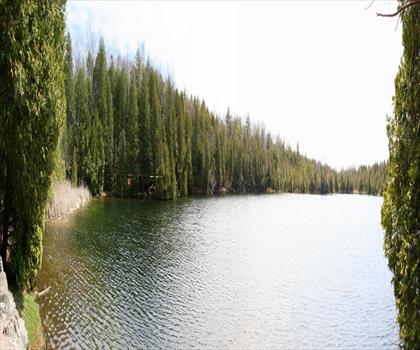
Nassagaweya Canyon
Hamilton, Halton and Brant
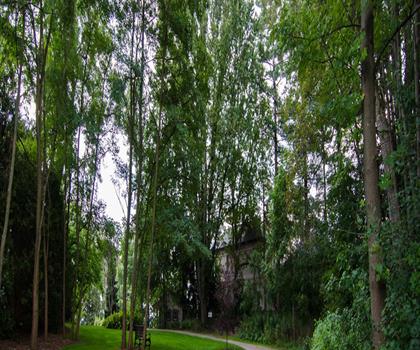
Paletta Lakefront Park
Hamilton, Halton and Brant
Dundas Valley Conservation Area
Hamilton, Halton and Brant
Crawford Lake Conservation Area (Reservations Required)
Hamilton, Halton and Brant

Royal Botanical Gardens - Hendrie Valley Sanctuary (Cherry Hill Gate Trail)
Hamilton, Halton and Brant
Rattlesnake Point Conservation Area (Reservations Required)
Hamilton, Halton and Brant
Hiking near Kitchener
142 trails to explore ~37 km away
We work hard to provide the most up-to-date and error-free data possible. If something seems incorrect, let us know! Your contribution helps the whole community.
Hikers' opinions
Be the first to review!
No hiker has shared their experience yet. Share your impressions and help other hikers!