
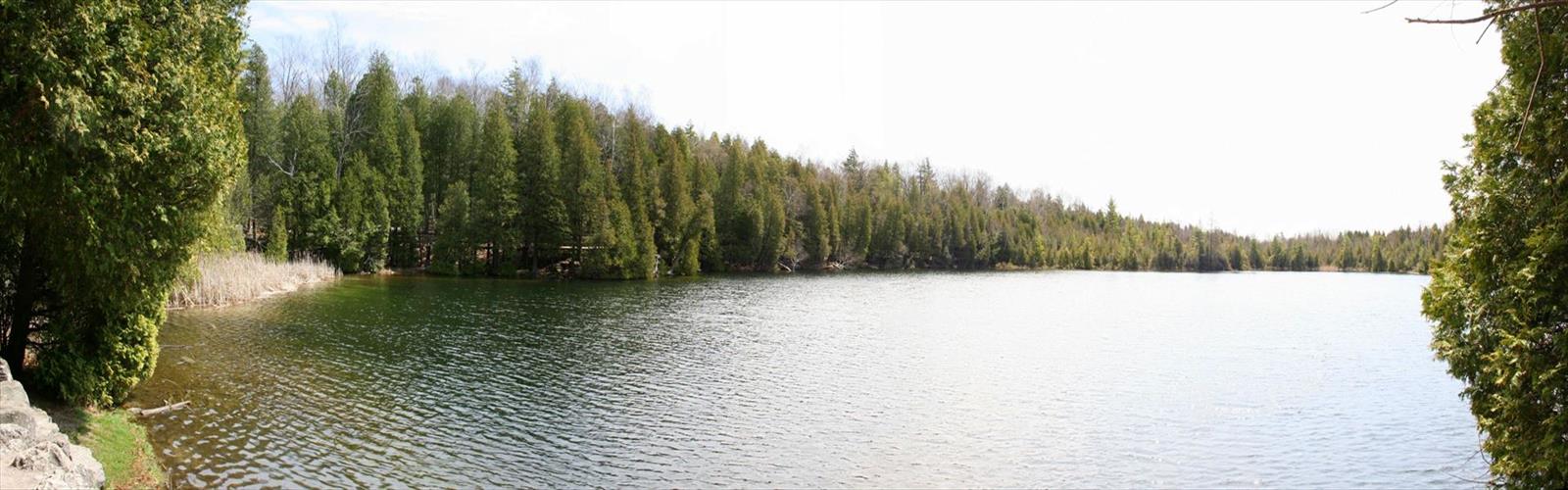

Ready to explore Nassagaweya Canyon? Here's everything you need to know before you go!
Discover the trail
Trail description
Nassagaweya Canyon cuts through the Niagara Escarpment in the Hamilton, Halton, and Brant region, offering one of the most dramatic natural landscapes in southern Ontario. The canyon was carved into ancient limestone bedrock over thousands of years, and walking through it gives you a real sense of the geological forces that shaped this part of the province. It sits within a UNESCO World Biosphere Reserve, where the unique geology supports a range of ecosystems and microclimates that shift noticeably as you move from the canyon rim down to the floor.
What to Expect on the Trail
The Nassagaweya Canyon Trail runs 4.6 kilometers one way, connecting Rattlesnake Point Conservation Area to Crawford Lake Conservation Area. It's not a loop, so you'll either need to arrange a vehicle shuttle between the two ends or plan for a 9.2-kilometer out-and-back. The trail takes you along the canyon's edge and down into its depths, where limestone cliffs rise on both sides and the scale of the landscape becomes genuinely impressive.
The terrain is varied and keeps things interesting throughout. Rocky sections dominate much of the route, with some spots requiring basic scrambling over limestone ledges and around boulders that have tumbled from the cliff faces. You'll cross small streams and walk over exposed bedrock in places. The 122 meters of elevation change reflects the repeated ups and downs of the route rather than one sustained climb, but your legs will still feel it by the end.
What makes this trail stand out is how quickly the environment changes around you. From the rim, you get wide views across the countryside below the escarpment. Drop into the canyon and the world narrows — ferns growing from rock crevices, the sound of water moving over stone, and a noticeably cooler, more humid atmosphere. That contrast, sometimes within just a few hundred meters, gives the hike a sense of variety that's hard to find on most trails in the region.
Shorter Options
If you're not up for the full canyon traverse, both Rattlesnake Point and Crawford Lake have their own loop trails through the surrounding mature forest. These paths offer glimpses of the canyon landscape without committing to the full route and are well-suited for families or anyone looking for a more relaxed outing. They're also good spots for wildlife watching — birds, chipmunks, and deer are regularly seen in the area.
Trail Conditions and Gear
Sturdy hiking boots with good ankle support and traction are genuinely important here, not just a general recommendation. The rocky terrain and the potential for wet surfaces — especially in the canyon sections — make footwear a real safety consideration. Wet conditions turn the limestone slippery quickly, and spring snowmelt or heavy rain can create temporary waterfalls and muddy stretches on the canyon floor.
Tree cover shades most of the route, but exposed cliff sections can be hot in summer and windy at any time of year. The canyon itself stays cooler than the surrounding area, which makes it a worthwhile destination during warm weather. Bring more water than you think you'll need — the physical demands of navigating rocky terrain add up faster than the distance suggests.
Getting There and Facilities
Both Rattlesnake Point Conservation Area and Crawford Lake Conservation Area provide parking, restrooms, and visitor facilities. Trail maps are available at either location, and staff can give you current conditions and information about any temporary closures. Both parks have picnic areas if you want to make a longer day of it.
Check operating hours before you go, as both conservation areas have seasonal schedules. Some sections of the trail may be closed during very wet conditions or in winter, when ice on the rock faces and trail surfaces makes the canyon sections genuinely hazardous.
Seasonal Highlights
Spring and fall are the most popular times to visit, and for good reason. Spring brings wildflowers to the forest floor and temporary waterfalls fed by snowmelt, while fall turns the mixed hardwood forest into a strong display of color that the canyon walls frame particularly well. Summer is manageable but the rocky sections heat up, so an early start helps. Winter can be beautiful but requires real caution — ice forms on the cliff faces and trail surfaces, and the canyon sections become significantly more dangerous.
Trail Etiquette and Conservation
The cliff-edge ecosystems here are fragile, and the limestone bedrock shows damage easily. Stick to marked trails — both for your own safety near the edges and to protect the plant communities that have established themselves in the rock crevices and thin soils. Avoid shortcuts or creating new paths, and pack out everything you bring in. Food waste in particular can attract animals and disrupt natural behavior patterns. The conservation areas that manage this land work to balance public access with ecosystem protection, and that balance depends on visitors doing their part.
The Essential Hiking Checklist
Everything you need for your next hike. Bilingual, printable, 1 page.
Get your free hiking checklistRecommended gear for this trail
As an Amazon Associate I earn from qualifying purchases.


Ready to go?
Everything you need to know before you goStarting Point
The nassagaweya canyon is located in Milton, Ontario. To get to the start of the trails, take Highway 401 to Highway 25 (exit 328). Head north on Highway 25 and turn left on Regional Road 7 (nassagaweya canyon Road). The entrance to the park will be on your right.
When?
How much?
As an Amazon Associate I earn from qualifying purchases.
Affiliate links — LGPO may earn a commission at no extra cost to you.
- Hiking shoes Essential
- → Salomon Elixir Tour Mid WP · 203.38 $
- Layered clothing Essential
- Rain jacket Essential
- Trekking poles
- → Black Diamond Trail Ergo Cork · 69.99 $
- Headlamp
- → Petzl Actik Core 625 · 103.95 $
FAQ - Frequently asked questions
Everything you need to knowSimilar hikes nearby
Discover other trails you might enjoy
Dundas Valley Conservation Area
Hamilton, Halton and Brant
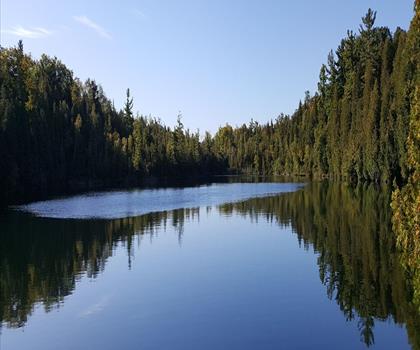
Crawford Lake Conservation Area (Reservations Required)
Hamilton, Halton and Brant

Royal Botanical Gardens - Hendrie Valley Sanctuary (Cherry Hill Gate Trail)
Hamilton, Halton and Brant
Paletta Lakefront Park
Hamilton, Halton and Brant
Rattlesnake Point Conservation Area (Reservations Required)
Hamilton, Halton and Brant
Dundas Driving Park
Hamilton, Halton and Brant
Hiking near Hamilton
162 trails to explore ~25 km away
We work hard to provide the most up-to-date and error-free data possible. If something seems incorrect, let us know! Your contribution helps the whole community.
Hikers' opinions
Be the first to review!
No hiker has shared their experience yet. Share your impressions and help other hikers!