


Ready to explore Dundas Valley Conservation Area? Here's everything you need to know before you go!
Discover the trail
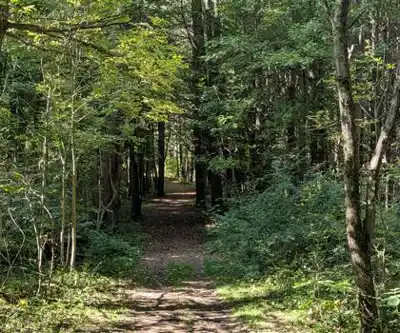
Trail description
Dundas Valley Conservation Area covers 1,200 hectares of remarkably diverse terrain in Hamilton, Ontario, making it one of the most rewarding natural spaces in Southern Ontario. Tucked into the Niagara Escarpment, the conservation area delivers a landscape that genuinely surprises first-time visitors — deep ravines, rolling ridges, open meadows, and dense mixed forest all within a single park that sits just minutes from the city.
The terrain here is a direct product of glacial history. Ancient meltwater carved the ravines you'll walk through, shaped the ridgelines you'll climb, and fed the wetland systems that still define the valley floor today. That geological backstory gives the landscape a layered, textured quality that keeps the hiking interesting across all 40 kilometers of trail.
Trail Network
Forty kilometers of well-maintained trails thread through Dundas Valley, and the network is designed to be flexible. Routes connect to one another throughout the park, so you can build a loop that fits your available time — anywhere from a quick 90-minute outing to a full six-hour day on the trails. The 150 meters of elevation gain spread across the park means you'll feel the terrain working without anything that requires technical skill or scrambling.
The Main Loop Trail is the park's signature route at 3.4 kilometers. It moves through mature hardwood forest — sugar maple, oak, beech — before opening into meadow sections where wildflowers run from spring through early fall. The trail alternates between flat forest-floor walking and short climbs that add just enough challenge to keep things engaging. It's the best single route for getting a feel for what the park offers.
The Bruce Trail cuts directly through Dundas Valley, following the Niagara Escarpment's edge. This section connects to Ontario's premier long-distance trail and delivers some of the most open views in the region — lookout points where the valley spreads out below you and Hamilton's skyline appears in the distance. If you want the most dramatic terrain in the park, this is where to find it.
The Rail Trail runs flat and wide along a former railway corridor. It's the go-to option for families with young kids, cyclists, or anyone who wants a relaxed walk rather than a workout. It also serves as a useful connector between different sections of the park, making it a practical part of longer custom routes.
Wildlife and Natural Features
Dundas Valley sits within the Carolinian forest zone, where southern species reach their northern limits in Canada. That biogeographic position translates into genuine biodiversity. White-tailed deer are a regular sight, especially in the meadow areas during early morning and late afternoon. Red foxes den in the quieter sections of the park and can sometimes be spotted hunting in open grassland.
The bird life is a standout feature, particularly during spring and fall migration. The mix of forest, meadow, and wetland habitat pulls in a wide range of species — woodland warblers, grassland birds like bobolinks, and raptors including hawks and turkey vultures that ride thermals above the valley. Serious birders treat this park as a reliable destination during migration windows.
Spencer Creek and its tributaries run throughout the valley, feeding the wetland areas and providing the constant sound of moving water that accompanies much of the hiking here. These water systems support amphibian populations and attract larger mammals, and the wetland edges are worth slowing down for if you're interested in wildlife.
The Hermitage Ruins
The Hermitage Ruins are one of the more distinctive features of Dundas Valley. These stone remnants of an 1800s mansion sit in a clearing surrounded by mature trees, and the contrast between the crumbling stonework and the living forest around it makes for a compelling stop. Early morning visits, when mist rises from the valley floor, give the site a particularly atmospheric quality. The ruins are accessible from multiple trail routes and the surrounding area offers good picnic spots. They represent an early chapter of European settlement in the region, when wealthy families built grand estates in what was then considered wilderness.
Seasonal Conditions
Spring brings the park's most dramatic wildflower displays. Trilliums, bloodroot, and wild leeks carpet the forest floor, and Spencer Creek runs high with snowmelt, creating small waterfalls and fast-moving sections along the trail. Mud is a real factor in low-lying areas during this season — trail-appropriate footwear matters.
Summer hiking benefits from the full hardwood canopy, which keeps forested sections noticeably cooler on hot days. The meadows are active with insect and bird life, and trail conditions are generally at their best.
Fall is when Dundas Valley draws its largest crowds, and for good reason. The mixed hardwood forest produces a full range of reds, oranges, and yellows that make this one of Ontario's better destinations for fall color. Cooler temperatures and reduced undergrowth also improve wildlife visibility.
Winter opens up cross-country skiing on the trail network, with options for both classic and skate skiing. Snowshoeing is equally viable and gives access to sections of the park that take on a completely different character under snow.
Practical Information
The conservation area is open year-round. Trail conditions shift considerably with the seasons — spring mud, summer heat, fall leaves obscuring trail edges, and winter ice all require some adjustment in gear and expectations. Checking current conditions before heading out is worth the two minutes it takes.
Given the park's size and the range of possible routes, carrying water and food is important for any hike beyond the shortest loops. The elevation changes and varied terrain consume more energy than a flat urban trail of the same distance, and the longer route options can easily fill a full day.
Multiple picnic areas are distributed throughout the park, and the trail options genuinely cover the full spectrum from easy family walks to more demanding half-day routes — which is a large part of why Dundas Valley Conservation Area has built a strong reputation as a reliable destination for Southern Ontario hikers of all experience levels.
Recommended gear for this trail
As an Amazon Associate I earn from qualifying purchases.


Ready to go?
Everything you need to know before you goStarting Point
The dundas valley conservation area is located in Hamilton, Ontario. To get to the start of the trails, take Highway 403 to the Highway 6 North exit. Follow Highway 6 North to the Highway 5 West exit. Take Highway 5 West to the York Road exit. Turn left on York Road and follow it until you reach the conservation area entrance.
When?
How much?
As an Amazon Associate I earn from qualifying purchases.
Affiliate links — LGPO may earn a commission at no extra cost to you.
- Hiking shoes Essential
- → Salomon Elixir Tour Mid WP · 203.38 $
- Layered clothing Essential
- Rain jacket Essential
- Trekking poles
- → Black Diamond Trail Ergo Cork · 69.99 $
- Headlamp
- → Petzl Actik Core 625 · 103.95 $
FAQ - Frequently asked questions
Everything you need to know
25 hikes under 2 hours from Montreal
Distance, elevation, parking and season for each one. The ones we go back to ourselves.
Get the guideSimilar hikes nearby
Discover other trails you might enjoy
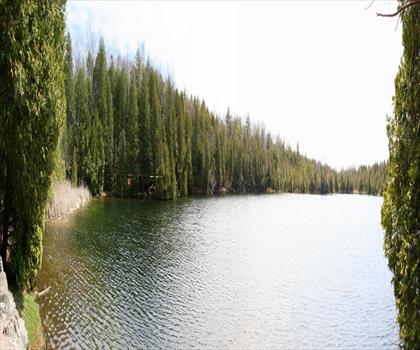
Nassagaweya Canyon
Hamilton, Halton and Brant
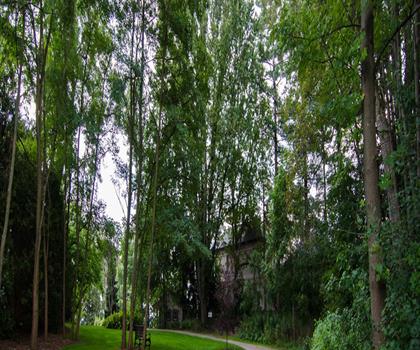
Paletta Lakefront Park
Hamilton, Halton and Brant
Crawford Lake Conservation Area (Reservations Required)
Hamilton, Halton and Brant

Royal Botanical Gardens - Hendrie Valley Sanctuary (Cherry Hill Gate Trail)
Hamilton, Halton and Brant
Rattlesnake Point Conservation Area (Reservations Required)
Hamilton, Halton and Brant
Dundas Driving Park
Hamilton, Halton and Brant
Hiking near Hamilton
162 trails to explore ~10 km away
We work hard to provide the most up-to-date and error-free data possible. If something seems incorrect, let us know! Your contribution helps the whole community.
Hikers' opinions
Be the first to review!
No hiker has shared their experience yet. Share your impressions and help other hikers!