
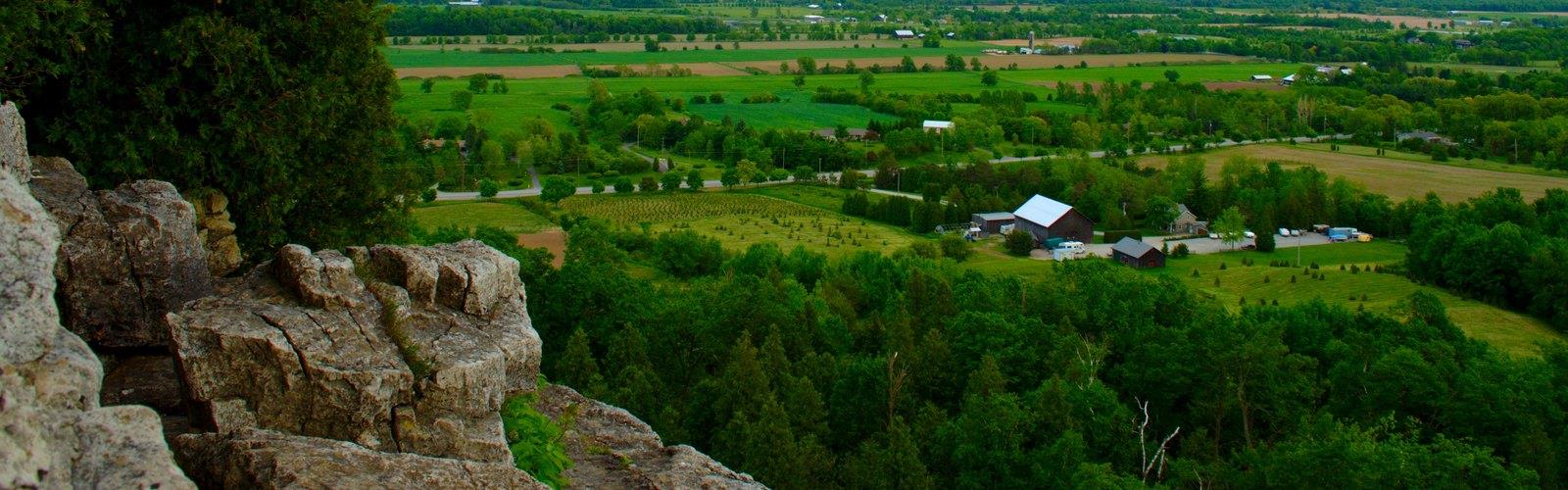

Ready to explore Rattlesnake Point Conservation Area (Reservations Required)? Here's everything you need to know before you go!
Discover the trail
Oh no! We don't have any photos 😢
This trail hasn't been captured yet. Be the first to share your adventure!Trail description
Rattlesnake Point Conservation Area sits along the Niagara Escarpment in the Hamilton, Halton, and Brant region, delivering some of the most dramatic cliff-top scenery you'll find in Ontario. The mandatory reservation system keeps the trails from getting overrun, which means you actually get to enjoy the place rather than shuffle along behind a crowd. At 2.5 km with about 100 m of elevation gain, it's rated easy and typically takes around 45 minutes to complete — making it a solid choice for a half-morning outing that punches well above its weight in terms of scenery.
Trail System and Terrain
The trail network here moves through a genuinely varied landscape shaped by the ancient Niagara Escarpment. You'll pass through sections of mature hardwood forest where the canopy filters light into shifting patterns on the forest floor, then emerge onto exposed cliff edges where the land drops away sharply into the valley below. That contrast — quiet forest one moment, open sky and a long view the next — is what keeps the experience interesting even on a relatively short route.
The terrain underfoot changes as you go. Some stretches follow gentle, well-worn paths through the trees, while others bring you right to the escarpment's edge where the limestone drops off into the canyon. The footing is generally manageable, but the cliff-edge sections deserve your full attention. Stay on the marked trail and keep kids and dogs close in those spots.
The geological character of the area is hard to miss. Ancient limestone formations make up the dramatic cliff faces, and the valleys below were carved out by glacial activity over thousands of years. These aren't just scenic backdrops — they're the reason this stretch of the escarpment supports such a distinct mix of plants and animals.
Wildlife and Natural Features
The escarpment's position creates microclimates that support species you won't find just anywhere in Ontario. The most iconic sight is the ancient cedars clinging to the cliff faces, their roots wedged into cracks in the limestone, their trunks twisted by decades of wind and exposure. They're slow-growing survivors that have been holding on to those cliffs for centuries, and they make for striking photography against an open sky.
Bird watching is genuinely rewarding here. The cliff faces provide nesting habitat for raptors, and the escarpment itself acts as a migration corridor, so what you see shifts with the seasons. The mixed forest supports a solid variety of songbirds and woodland species as well. If you're coming specifically for birds, early morning visits tend to be the most productive.
On the forest floor, wildflowers bloom in succession through the growing season, and the canopy — a mix of deciduous and coniferous species — puts on a strong show in fall. The area sits at the intersection of different ecological zones, which is part of why the biodiversity here is notable enough that the broader Niagara Escarpment system carries UNESCO World Biosphere Reserve designation.
Planning Your Visit
Reservations are required for all visitors, and this isn't a formality — it's enforced. Book ahead, especially on weekends and during peak seasons in spring and fall. The upside is real: when you arrive, the trails are manageable, the viewpoints aren't jammed, and the experience feels more like genuine wilderness than a busy conservation area on a holiday weekend.
The reservation system is particularly worth appreciating if you're bringing a camera or coming with young kids. Having predictable crowd levels makes a meaningful difference when you're trying to get a clean shot from a viewpoint or let children explore at their own pace without getting swept up in foot traffic.
Family-Friendly Options
Rattlesnake Point works well for families. The overall route is rated easy, and the shorter, flatter sections through the forest are well-suited to younger kids or anyone newer to hiking. Children tend to engage naturally with the terrain here — the rock formations invite investigation, and the cliff-edge viewpoints are genuinely exciting without requiring a long slog to reach them.
Picnic facilities on site mean you can turn the outing into a longer visit without needing to pack out immediately after the hike. It's a practical setup that gives kids time to decompress and lets adults linger over the views. The conservation area also provides a good entry point for introducing younger naturalists to escarpment ecology — there's enough variety in the landscape to spark real curiosity about how plants and animals adapt to life on and around the cliffs.
What Sets Rattlesnake Point Apart
A lot of hiking in this part of Ontario means walking through pleasant forest with limited views. Rattlesnake Point is different. The cliff-top vantage points offer genuine, wide-open vistas across the Hamilton and Halton countryside — the kind of views that give you a real sense of the escarpment's scale and its role in shaping the regional landscape. That's relatively rare at this distance from the Greater Toronto Area, and it's the main reason this spot draws the interest it does.
The combination of dramatic scenery, manageable distance, and a reservation system that keeps the experience from feeling like a theme park makes Rattlesnake Point one of the more satisfying conservation area visits in the region — short enough to fit into a busy day, but substantial enough that you'll actually remember it.
The Essential Hiking Checklist
Everything you need for your next hike. Bilingual, printable, 1 page.
Get your free hiking checklistRecommended gear for this trail
As an Amazon Associate I earn from qualifying purchases.


Ready to go?
Everything you need to know before you goStarting Point
The Rattlesnake Point Conservation Area is located in Milton, Ontario. To get there, take the QEW to Highway 401 and head west. Take the exit for Highway 25 and turn south. The conservation area will be on your left.
When?
How much?
As an Amazon Associate I earn from qualifying purchases.
Affiliate links — LGPO may earn a commission at no extra cost to you.
- Hiking shoes Essential
- → Salomon Elixir Tour Mid WP · 203.38 $
- Layered clothing Essential
- Rain jacket Essential
- Trekking poles
- → Black Diamond Trail Ergo Cork · 69.99 $
- Headlamp
- → Petzl Actik Core 625 · 103.95 $
FAQ - Frequently asked questions
Everything you need to knowSimilar hikes nearby
Discover other trails you might enjoy
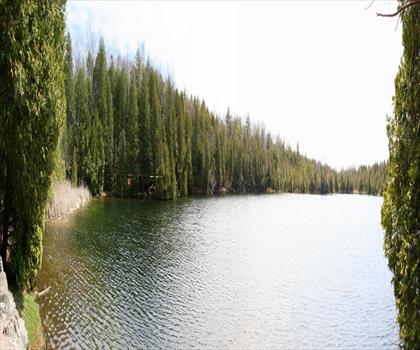
Nassagaweya Canyon
Hamilton, Halton and Brant
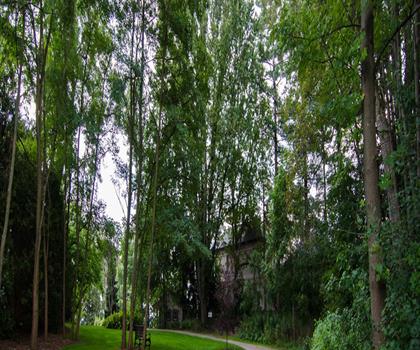
Paletta Lakefront Park
Hamilton, Halton and Brant
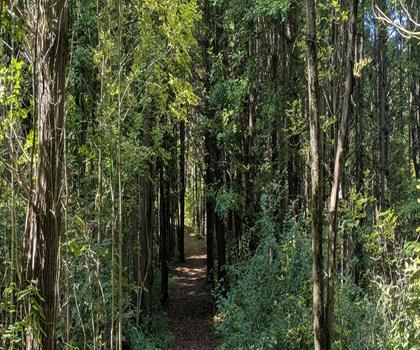
Dundas Valley Conservation Area
Hamilton, Halton and Brant
Crawford Lake Conservation Area (Reservations Required)
Hamilton, Halton and Brant

Royal Botanical Gardens - Hendrie Valley Sanctuary (Cherry Hill Gate Trail)
Hamilton, Halton and Brant
Dundas Driving Park
Hamilton, Halton and Brant
Hiking near Hamilton
162 trails to explore ~24 km away
We work hard to provide the most up-to-date and error-free data possible. If something seems incorrect, let us know! Your contribution helps the whole community.
Hikers' opinions
Be the first to review!
No hiker has shared their experience yet. Share your impressions and help other hikers!