


Ready to explore Valens Lake Conservation Area? Here's everything you need to know before you go!
Discover the trail
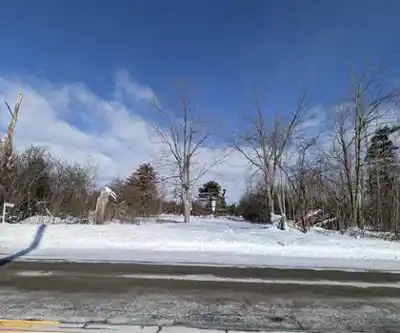
Trail description
Valens Lake Conservation Area sits in the Hamilton, Halton, and Brant region of Ontario, offering a well-rounded outdoor experience that punches above its weight for a conservation area this close to major urban centres. The 300-hectare property draws visitors who want more than a single-use destination — hiking, paddling, wildlife watching, and camping all coexist here in a way that feels natural rather than forced.
The main trail loop covers 2.5 kilometres with about 20 metres of elevation gain, making it an easy outing that most people complete in around 45 minutes. That said, the trail network is designed to let you slow down, branch off, and spend considerably more time if you want to. The modest distance doesn't tell the whole story of what you'll actually experience on the ground.
What the Trail Feels Like
The route moves through noticeably different environments as you work your way around the property. Lakeshore sections give you flat, open walking with water views on one side and wetland vegetation on the other. As you push into the interior, the trail climbs gently through mixed hardwood and coniferous forest, where the canopy closes in and the temperature drops a few degrees even on warm days. The 20-metre elevation gain is gradual enough that you won't feel it in your legs, but you will notice the shifting perspectives it gives you over the lake and surrounding countryside.
Trail surfaces range from packed earth to occasional rocky patches and exposed root systems in the forested sections. Nothing here demands technical footwear — a solid pair of hiking shoes or trail runners handles everything comfortably. After heavy rain, some sections near the lake can get muddy, so it's worth keeping that in mind when you're planning your visit.
The Lake
The lake is the defining feature of the conservation area, and the trail system is built around it rather than away from it. The shoreline paths let you walk close to the water for much of the route, giving you different angles and lighting conditions depending on the time of day. Early morning visits are particularly rewarding — mist often sits on the water, and wildlife activity is at its peak before the day-use crowds arrive.
If you're bringing a canoe or kayak, the lake is well-suited to paddling. The protected setting keeps wind and wave action minimal, which makes it accessible for beginners while still offering enough space for more experienced paddlers to explore quieter bays and inlets that aren't visible from the trail. Paddling and hiking together in the same visit gives you a genuinely complete picture of the conservation area.
Wildlife and Habitat
The mix of forest, wetland, and open water creates enough habitat variety to support a solid range of wildlife. Deer move through the property regularly, most visibly in the early morning and evening hours. The wetland areas around the lake have active beaver populations — you'll likely spot their work along the shoreline even if you don't catch the animals themselves out in the open.
Bird watching is one of the stronger draws here. The habitat diversity means different species show up depending on the season and which section of trail you're on. Waterfowl use the lake heavily during migration, while the forest sections hold year-round residents alongside seasonal visitors. The wetland edges are worth slowing down for, especially in spring and fall.
Vegetation shifts noticeably between zones. Lakeside areas feature moisture-adapted wetland plants, while the upland forest sections showcase the mixed deciduous and coniferous stands typical of this part of Ontario. These transitions between microclimates are part of what keeps the wildlife diversity high across the property.
Facilities and Practical Details
Valens Lake Conservation Area is set up for both day use and overnight stays. Picnic areas are positioned to take advantage of lake views while keeping different user groups from stepping on each other. They work well as a base for combining a hike with a relaxed meal outside.
Camping options include both serviced and unserviced sites. Serviced sites offer electrical hookups for RV users or anyone who prefers more amenities, while unserviced sites provide a more stripped-down experience. The camping areas are integrated into the landscape without feeling like a separate world from the trails and lake — you can walk from your site to the water or the trailhead without much effort.
The conservation area's location in the Hamilton, Halton, and Brant region makes it genuinely easy to reach from surrounding communities, which explains why it sees consistent use from both locals building it into their regular outdoor routines and visitors looking for a manageable, well-maintained natural area to explore.
Recommended gear for this trail
As an Amazon Associate I earn from qualifying purchases.


Ready to go?
Everything you need to know before you goStarting Point
The valens lake conservation area is located in Ontario, Canada. To get to the start of the trails, take Highway 401 to exit 312 and go north on Regional Road 9 (also known as the Valens Road). The conservation area will be on your left.
When?
How much?
As an Amazon Associate I earn from qualifying purchases.
Affiliate links — LGPO may earn a commission at no extra cost to you.
- Hiking shoes Essential
- → Salomon Elixir Tour Mid WP · 203.38 $
- Layered clothing Essential
- Rain jacket Essential
- Trekking poles
- → Black Diamond Trail Ergo Cork · 69.99 $
- Headlamp
- → Petzl Actik Core 625 · 103.95 $
FAQ - Frequently asked questions
Everything you need to know
25 hikes under 2 hours from Montreal
Distance, elevation, parking and season for each one. The ones we go back to ourselves.
Get the guideSimilar hikes nearby
Discover other trails you might enjoy
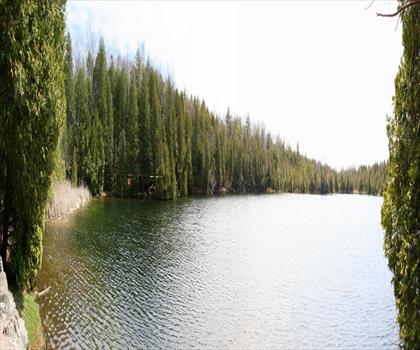
Nassagaweya Canyon
Hamilton, Halton and Brant
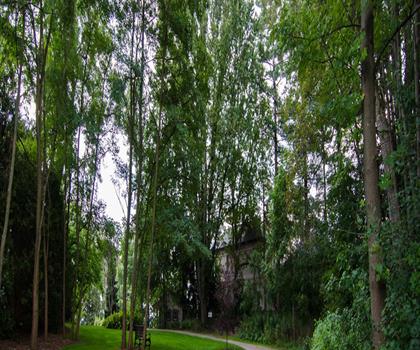
Paletta Lakefront Park
Hamilton, Halton and Brant
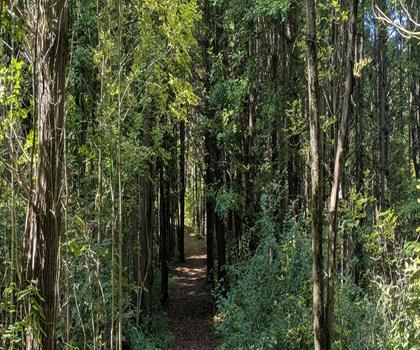
Dundas Valley Conservation Area
Hamilton, Halton and Brant
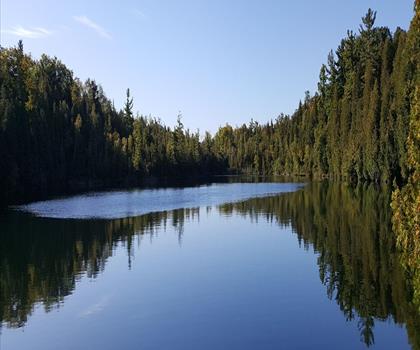
Crawford Lake Conservation Area (Reservations Required)
Hamilton, Halton and Brant

Royal Botanical Gardens - Hendrie Valley Sanctuary (Cherry Hill Gate Trail)
Hamilton, Halton and Brant
Rattlesnake Point Conservation Area (Reservations Required)
Hamilton, Halton and Brant
Hiking near Guelph
166 trails to explore ~20 km away
We work hard to provide the most up-to-date and error-free data possible. If something seems incorrect, let us know! Your contribution helps the whole community.
Hikers' opinions
Be the first to review!
No hiker has shared their experience yet. Share your impressions and help other hikers!