

Ready to explore Kerncliff Park? Here's everything you need to know before you go!
Discover the trail
Trail description
Kerncliff Park sits quietly in the Hamilton, Halton, and Brant region as one of those places that rewards hikers who venture beyond the obvious choices. This 6.4-kilometer trail network winds through a landscape that tells two stories—the industrial heritage of an old quarry site and nature's remarkable ability to reclaim what was once carved from stone.
The park's position along the Niagara Escarpment gives it a topographical advantage that translates into varied hiking experiences within a relatively compact area. You'll gain 350 meters of elevation over the course of your hike, which typically takes around three hours to complete at a comfortable pace. The moderate difficulty rating reflects both the elevation changes and some uneven terrain where the old quarry operations left their mark on the landscape.
What to Expect on the Trail
The well-maintained trail system guides you through distinctly different environments as you move through the park. The lower sections weave through lush wetlands where the sound of your footsteps might be the only thing breaking the quiet, save for the occasional splash of a beaver or the rustle of cattails in the breeze. These wetland areas have developed naturally in the decades since quarrying operations ceased, creating habitat that now supports a surprising diversity of wildlife.
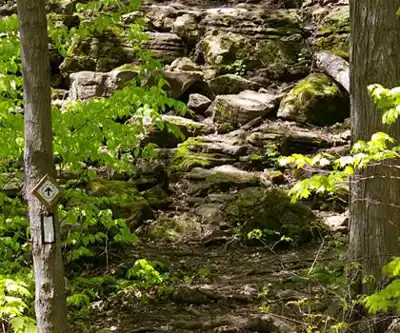
As you climb toward the escarpment, the character of the hike changes noticeably. The trail becomes more challenging as it navigates the rocky terrain left behind by quarrying activities. Here, you'll encounter exposed limestone faces and scattered boulders that provide glimpses into the geological forces that shaped this region millions of years ago. Informative plaques along these sections explain both the area's geological significance and its more recent industrial history.
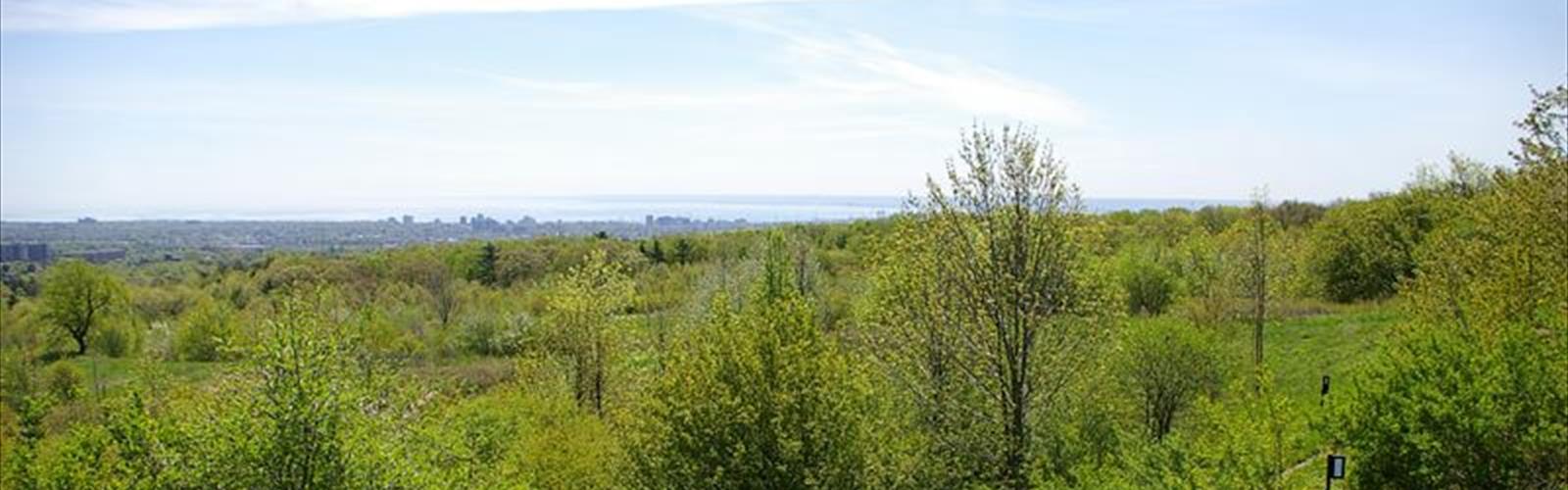
The upper portions of the trail reward your effort with expansive views across the surrounding countryside. From these vantage points, you can appreciate how the Niagara Escarpment cuts through the landscape, creating the dramatic elevation changes that make this area so appealing to hikers. The contrast between the recovering quarry landscape below and the undisturbed forest canopy stretching to the horizon provides a unique perspective on how human activity and natural processes intersect.
Wildlife and Natural Features
Kerncliff Park's commitment to habitat preservation has created conditions where wildlife thrives despite the area's industrial past. White-tailed deer are commonly spotted throughout the park, particularly in the early morning and late afternoon hours when they emerge to graze in the more open areas. The park's diverse bird population includes both year-round residents and seasonal migrants who use the wetlands as stopover points during their journeys.
The variety of habitats within the park—from wetlands to mature forest to rocky escarpment faces—supports this biodiversity. Native songbirds fill the air with their calls, particularly during spring and early summer when breeding activity peaks. Patient observers might spot hawks circling overhead or catch glimpses of smaller woodland creatures moving through the underbrush.
The wetland areas deserve special attention for their role in the park's ecosystem. These water features developed naturally as groundwater filled the lower areas of the former quarry site. Over time, they've become established ecosystems that support aquatic plants, amphibians, and the various bird species that depend on wetland habitat for feeding and nesting.
Geological and Historical Context
Understanding Kerncliff Park's dual identity as both a natural area and a former industrial site adds depth to any visit. The quarry operations that once dominated this landscape extracted limestone from the Niagara Escarpment, leaving behind the dramatic rock faces and varied topography that now define much of the hiking experience.
The limestone formations visible throughout the park represent millions of years of geological history. These rocks formed when ancient seas covered this region, depositing layer upon layer of marine sediments that eventually became the bedrock of the Niagara Escarpment. The quarrying operations exposed these formations, inadvertently creating outdoor classrooms where visitors can observe geological processes that would otherwise remain hidden beneath soil and vegetation.
The transformation from active quarry to thriving natural area demonstrates nature's resilience and adaptability. Where heavy machinery once extracted stone, native plants have reestablished themselves, creating habitat for wildlife and gradually softening the harsh edges left by industrial activity. This ongoing process of natural reclamation continues to shape the park's character with each passing season.
Practical Considerations
Kerncliff Park's accessibility makes it appealing to hikers who want a substantial outdoor experience without dealing with complicated logistics. Ample parking facilities accommodate visitors throughout most of the year, and the clearly marked trail system reduces navigation concerns. The main trail routes are well-established and maintained, though some sections retain the rocky, uneven character of the former quarry site.
Proper footwear becomes particularly important given the varied terrain you'll encounter. Sturdy hiking boots provide the ankle support and traction needed for the rocky sections, while also offering comfort during the longer stretches through wetlands and forest. The 350-meter elevation gain is distributed throughout the 6.4-kilometer route, but some sections involve steeper climbs that require steady footing.
Water should be carried in sufficient quantities for the three-hour duration, particularly during warmer months when the combination of elevation gain and limited shade in some areas can increase fluid needs. The park's diverse photographic opportunities—from intimate wetland scenes to sweeping escarpment views—make a camera a worthwhile addition to your pack.
The park's natural setting requires visitors to practice leave-no-trace principles to preserve the habitat that supports its wildlife populations. Proper waste disposal and respectful wildlife observation help maintain the conditions that make Kerncliff Park a valuable natural area within the Hamilton, Halton, and Brant region.
The Essential Hiking Checklist
Everything you need for your next hike. Bilingual, printable, 1 page.
Get your free hiking checklistRecommended gear for this trail
As an Amazon Associate I earn from qualifying purchases.


Ready to go?
Everything you need to know before you goStarting Point
The trails at the kerncliff park in Ontario can be accessed from the parking lot off of Upper Canada Road.
When?
How much?
As an Amazon Associate I earn from qualifying purchases.
Affiliate links — LGPO may earn a commission at no extra cost to you.
- Hiking shoes Essential
- → Salomon Elixir Tour Mid WP · 203.38 $
- Layered clothing Essential
- Rain jacket Essential
- Trekking poles
- → Black Diamond Trail Ergo Cork · 69.99 $
- Headlamp
- → Petzl Actik Core 625 · 103.95 $
FAQ - Frequently asked questions
Everything you need to knowSimilar hikes nearby
Discover other trails you might enjoy
Nassagaweya Canyon
Hamilton, Halton and Brant
Paletta Lakefront Park
Hamilton, Halton and Brant
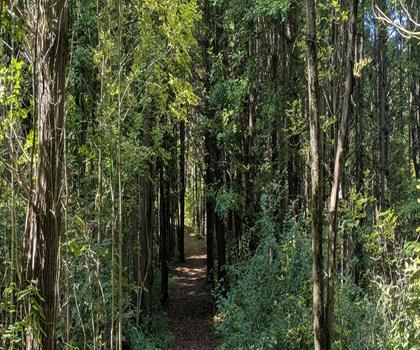
Dundas Valley Conservation Area
Hamilton, Halton and Brant
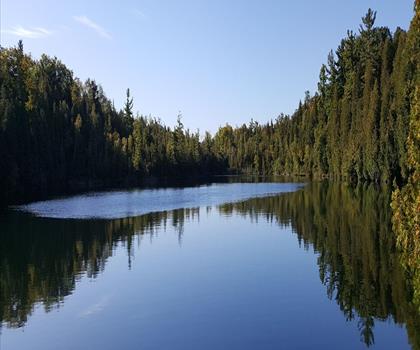
Crawford Lake Conservation Area (Reservations Required)
Hamilton, Halton and Brant

Royal Botanical Gardens - Hendrie Valley Sanctuary (Cherry Hill Gate Trail)
Hamilton, Halton and Brant
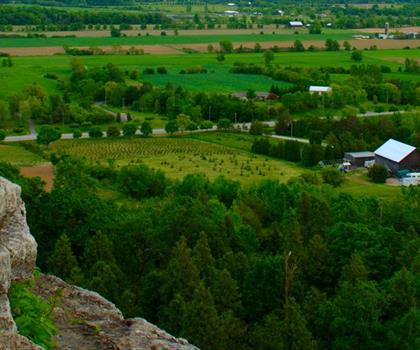
Rattlesnake Point Conservation Area (Reservations Required)
Hamilton, Halton and Brant
Hiking near Hamilton
162 trails to explore ~10 km away
We work hard to provide the most up-to-date and error-free data possible. If something seems incorrect, let us know! Your contribution helps the whole community.
Hikers' opinions
Be the first to review!
No hiker has shared their experience yet. Share your impressions and help other hikers!