


Ready to explore Princess Point Trail? Here's everything you need to know before you go!
Discover the trail
Oh no! We don't have any photos 😢
This trail hasn't been captured yet. Be the first to share your adventure!Trail description
Princess Point Trail winds through one of Southern Ontario's most accessible and rewarding wetland environments. Located within the Royal Botanical Gardens' Cootes Paradise Sanctuary in Hamilton, this easy trail delivers impressive biodiversity and scenic marsh views without requiring significant hiking experience or physical conditioning. It's the kind of place that surprises first-time visitors — you're close to the city, yet completely surrounded by functioning wilderness.
Trail Experience and Terrain
The trail covers 3.2 kilometers with a modest elevation gain of just 50 meters, making it genuinely accessible for hikers of all ages and fitness levels. Most visitors complete the route in about 90 minutes, though birdwatchers and photographers routinely spend considerably longer exploring the area. The path combines both paved and gravel sections, creating varied footing that stays comfortable in regular hiking shoes or even sturdy walking shoes.
The well-maintained surface makes Princess Point suitable for families with young children, though the gravel sections may present minor challenges for strollers. Several benches placed strategically along the route offer rest stops and excellent vantage points for observing the marsh ecosystem — these spots work just as well for a quiet picnic as they do for scanning the water for wildlife.
What sets Princess Point apart from other easy trails in the Hamilton area is how quickly it immerses you in a functioning marsh ecosystem. There's no long walk-in through forest or fields before things get interesting. Almost immediately, you're surrounded by cattails, open water channels, and the constant activity of wetland wildlife. The trail positioning gives unobstructed views across Cootes Paradise Marsh, one of the largest remaining coastal wetlands on the western end of Lake Ontario.
Wildlife and Natural Features
Cootes Paradise Marsh supports remarkable biodiversity for an urban-adjacent location. The area provides critical habitat for over 200 bird species, making Princess Point Trail one of the premier birdwatching destinations in the Greater Hamilton area. Great blue herons are a regular sight along the water's edge, often standing motionless for long stretches before striking at fish or frogs. Mute swans move across the open water sections, particularly visible during morning and evening hours.
The marsh sees strong waterfowl diversity throughout the year, with peak numbers during spring and fall migration. Red-winged blackbirds nest extensively in the cattail stands, their calls providing a near-constant soundtrack during warmer months. Great egrets and various duck species round out the birding highlights, and visitors with telephoto lenses will find plenty of opportunities to put them to use.
Beyond birds, the marsh supports healthy populations of turtles, frogs, and fish. Painted turtles frequently bask on logs and rocks during sunny afternoons. In spring, the evening chorus of spring peepers and other amphibians creates an impressive natural soundscape that's easy to underestimate until you actually hear it.
Seasonal Highlights
Princess Point Trail holds up well across all four seasons, each offering something distinct. Spring brings migrating waterfowl and the emergence of marsh vegetation — optimal conditions for wildlife observation, though gravel sections can get muddy after heavy rain or snowmelt. Summer delivers the fullest vegetation and most active bird life; early morning visits help avoid both crowds and heat. Fall migration often produces the highest bird diversity of the year. Winter opens up sight lines across the marsh and brings its own quieter appeal, though icy patches can develop on paved sections after freezing temperatures.
Trail Connections and Extended Options
Princess Point Trail connects seamlessly with the broader Royal Botanical Gardens trail network, giving visitors the option to extend their outing significantly. From here, you can reach Hendrie Valley Sanctuary, where the habitat shifts to mature forest and cultivated garden areas — a nice contrast to the open marsh environment. The nearby Arboretum adds further walking opportunities through curated tree collections and themed garden spaces.
These connections make Princess Point an excellent starting point for longer hiking days or multi-destination visits within the Royal Botanical Gardens system. Trail maps at the trailhead clearly mark connection points and distances to other areas.
Practical Information
Parking is available at Princess Point Park, accessed via Longwood Road South. The lot handles most visitor volumes comfortably, though weekend mornings during peak migration periods can see higher demand — arriving early is worth it on those days. No special gear is required beyond comfortable walking shoes and weather-appropriate clothing.
Bringing binoculars or a camera will significantly improve the experience given the wildlife viewing opportunities throughout the trail. The exposed nature of much of the route means sun protection matters during summer visits, while the wetland environment can feel cooler than expected in spring and fall — an extra layer is rarely a bad idea.
The trail's proximity to Hamilton's urban core makes it an easy choice for a quick nature escape without a long drive, and its short duration fits naturally into a broader Royal Botanical Gardens visit.
The Essential Hiking Checklist
Everything you need for your next hike. Bilingual, printable, 1 page.
Get your free hiking checklistRecommended gear for this trail
As an Amazon Associate I earn from qualifying purchases.


Ready to go?
Everything you need to know before you goStarting Point
The princess point trail is located in Ontario, Canada. To get to the start of the trails, take Highway 401 to exit 431 for County Road 2. Head north on County Road 2 and take a right onto Princess Point Road. The trailhead will be on your left.
When?
How much?
As an Amazon Associate I earn from qualifying purchases.
Affiliate links — LGPO may earn a commission at no extra cost to you.
- Hiking shoes Essential
- → Salomon Elixir Tour Mid WP · 203.38 $
- Layered clothing Essential
- Rain jacket Essential
- Trekking poles
- → Black Diamond Trail Ergo Cork · 69.99 $
- Headlamp
- → Petzl Actik Core 625 · 103.95 $
FAQ - Frequently asked questions
Everything you need to knowSimilar hikes nearby
Discover other trails you might enjoy
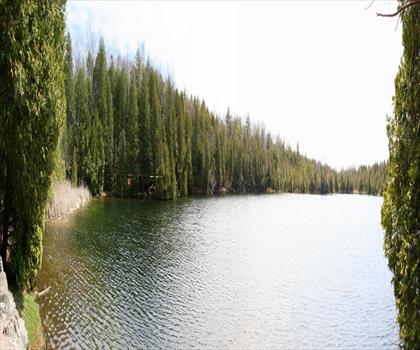
Nassagaweya Canyon
Hamilton, Halton and Brant
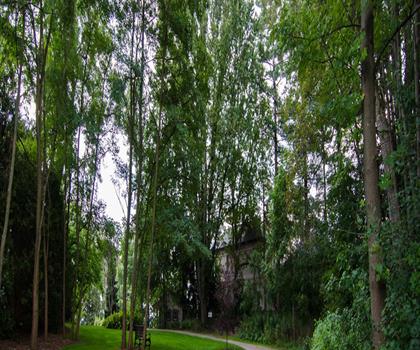
Paletta Lakefront Park
Hamilton, Halton and Brant
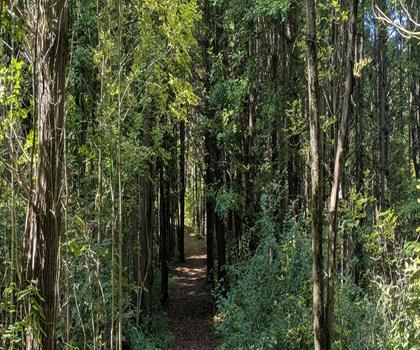
Dundas Valley Conservation Area
Hamilton, Halton and Brant
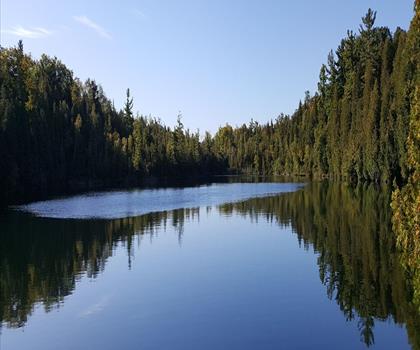
Crawford Lake Conservation Area (Reservations Required)
Hamilton, Halton and Brant

Royal Botanical Gardens - Hendrie Valley Sanctuary (Cherry Hill Gate Trail)
Hamilton, Halton and Brant

Rattlesnake Point Conservation Area (Reservations Required)
Hamilton, Halton and Brant
Hiking near Hamilton
162 trails to explore ~3 km away
We work hard to provide the most up-to-date and error-free data possible. If something seems incorrect, let us know! Your contribution helps the whole community.
Hikers' opinions
Be the first to review!
No hiker has shared their experience yet. Share your impressions and help other hikers!