
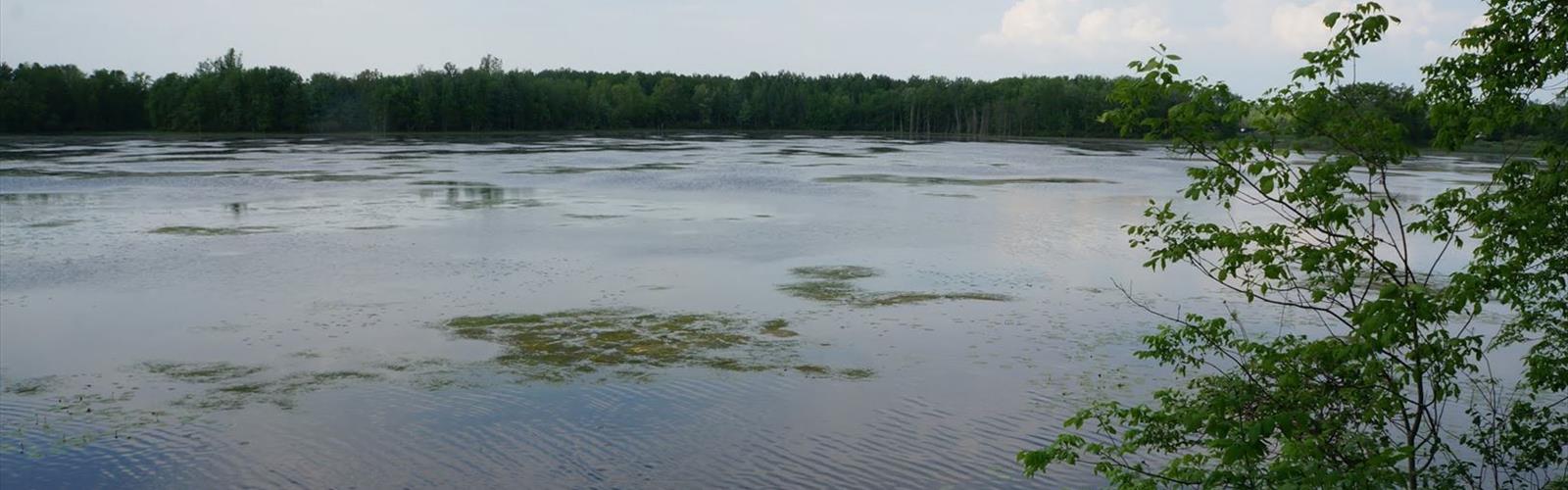

Ready to explore Cambridge to Paris Rail-Trail? Here's everything you need to know before you go!
Discover the trail

Trail description
The Cambridge to Paris Rail-Trail transforms an old railway corridor into an 18-kilometer pathway connecting two of Ontario's most charming small towns. Running through the heart of the Hamilton, Halton, and Brant region, this converted rail line traces the Grand River valley with a gentle, consistent grade that made it ideal for trains—and makes it equally welcoming for hikers today. With only about 20 meters of elevation change across the entire route, this is genuinely flat walking, the kind where you can focus on what's around you rather than what's under your feet.
What sets this trail apart isn't just its accessibility. It's the way it threads together riverside ecosystems, small-town heritage, and stretches of genuine natural quiet—all within a single day's outing. The wide, stable surface works well in regular hiking shoes, and the old railway bed's generous width means you're never feeling squeezed by the vegetation, even when the forest closes in on both sides.
The Trail Experience
Walking the Cambridge to Paris Rail-Trail has a particular quality that's hard to find on most trails in the region: it feels remote without actually being remote. The corridor preserved much of the natural canopy that grew back after the railway was abandoned, so you spend most of your time moving under mature trees. That canopy does real work on hot summer days, keeping the path noticeably cooler than open routes. In fall, those same trees put on the kind of color show that draws people from across the region—deep oranges, reds, and yellows reflecting off the Grand River when the light hits right.
The Grand River is your companion for much of the route. Sometimes it's right there beside you; other times you hear it before you see it through breaks in the vegetation. The trail's position between river habitat and upland forest creates a genuine diversity of scenery within a single linear route—you move through wetland edges, open meadow sections, and dense woodland stretches without any dramatic transitions. It just shifts, gradually, the way good trails do.
Wildflowers line the trail edges from May through September, with different species peaking at different points in the season. The mix of wetland and woodland species means there's almost always something blooming during the warmer months, and the variety is genuinely worth paying attention to rather than just walking past.
Wildlife and Natural Features
The river corridor and forest edge combination creates strong habitat for wildlife, and this trail delivers on that promise. Deer are a regular sighting, particularly in early morning and late afternoon. They've become accustomed to trail users over the years, so patient hikers often get extended looks rather than just a flash of white tail disappearing into the brush.
Bird life is one of the trail's real strengths. Kingfishers and great blue herons work the river sections, while woodpeckers and a solid variety of songbirds occupy the forest stretches. Spring migration is particularly active here—the corridor acts as a natural funnel for warblers and other species moving through, and the diversity during peak migration weeks can be impressive even for experienced birders. Winter brings its own rewards, with species that are easier to spot once the leaves are down and the trail is quieter.
Interpretive signs placed along the route add context without being heavy-handed about it. They cover the railway history, the ecology of the Grand River watershed, and the conservation work that protected this corridor for public use. Worth reading rather than skipping past.
Cambridge and Paris: The Endpoints
Cambridge offers multiple access points into the trail system, which gives you flexibility in how you approach the route. The Cambridge Sculpture Garden is worth a look if you're spending time in town before or after your hike, and the Grand River Pedestrian Bridge gives you a different angle on the river you've been following all day. The downtown has the kind of local restaurants and cafes that feel like genuine finds rather than tourist infrastructure.
Paris is small but well-suited to trail users. The town center sits right along the Grand River, with local shops and eateries that cater to both residents and hikers coming off the trail. It works well as a turnaround point for a shorter out-and-back, or as a pickup spot if you're doing the full one-way distance with a shuttle.
Practical Considerations
The trail is accessible year-round, and each season genuinely changes the experience rather than just the temperature. Spring brings wildflowers and migrating birds alongside mud season conditions—some sections near the river can get messy after heavy rain, and a few low-lying areas may flood temporarily. Summer is peak season for canopy shade and wildlife activity; start early on hot days and carry more water than you think you need, since the tree cover creates a false sense of coolness while you're still working through fluids.
Fall is when this trail earns its regional reputation. The foliage display along the Grand River corridor is legitimately spectacular, and the trail sees more traffic during peak color weeks. Winter converts the route into a popular destination for cross-country skiers and snowshoers, though hikers use it regularly as well. Ice can develop in shaded sections where melt refreezes, so traction devices are worth having on hand for winter visits.
Water resupply options along the route are limited, so plan your carry accordingly for the full distance. The trail's length means several hours of walking if you're completing the entire route, and the flat grade can make it easy to underestimate how much you're actually exerting yourself over time.
The trail sees enough use that Leave No Trace habits genuinely matter here—pack out everything, stay on the designated path to protect the vegetation corridor, and give wildlife the space it needs, particularly in spring when many species are raising young.
The Essential Hiking Checklist
Everything you need for your next hike. Bilingual, printable, 1 page.
Get your free hiking checklistRecommended gear for this trail
As an Amazon Associate I earn from qualifying purchases.


Ready to go?
Everything you need to know before you goStarting Point
The cambridge to paris rail-trail is located in Ontario. To get to the start of the trails, take Highway 401 to exit #282 for Highway 24. Head north on Highway 24 and take the first left onto Water Street. The trailhead will be on your right.
When?
How much?
As an Amazon Associate I earn from qualifying purchases.
Affiliate links — LGPO may earn a commission at no extra cost to you.
- Hiking shoes Essential
- → Salomon Elixir Tour Mid WP · 203.38 $
- Layered clothing Essential
- Rain jacket Essential
- Trekking poles
- → Black Diamond Trail Ergo Cork · 69.99 $
- Headlamp
- → Petzl Actik Core 625 · 103.95 $
FAQ - Frequently asked questions
Everything you need to knowSimilar hikes nearby
Discover other trails you might enjoy
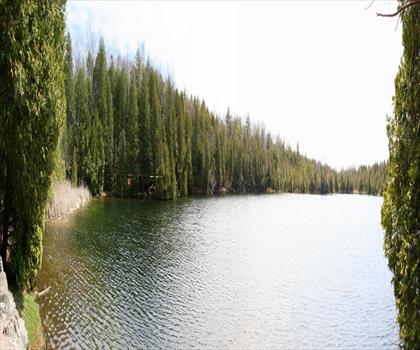
Nassagaweya Canyon
Hamilton, Halton and Brant
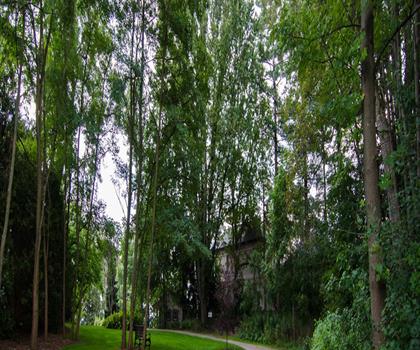
Paletta Lakefront Park
Hamilton, Halton and Brant
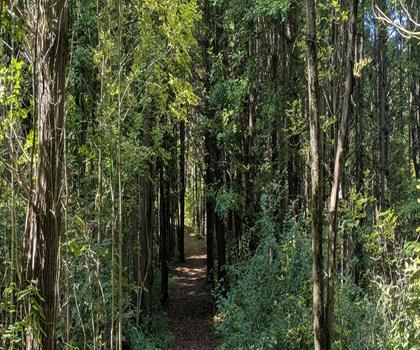
Dundas Valley Conservation Area
Hamilton, Halton and Brant
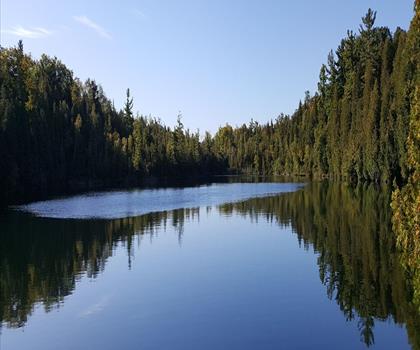
Crawford Lake Conservation Area (Reservations Required)
Hamilton, Halton and Brant

Royal Botanical Gardens - Hendrie Valley Sanctuary (Cherry Hill Gate Trail)
Hamilton, Halton and Brant
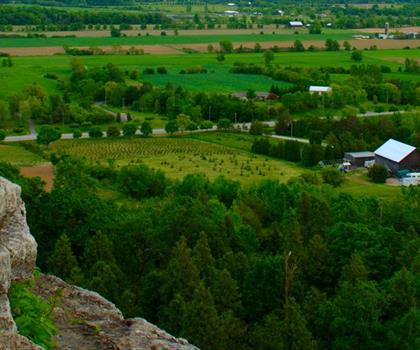
Rattlesnake Point Conservation Area (Reservations Required)
Hamilton, Halton and Brant
Hiking near Kitchener
142 trails to explore ~23 km away
We work hard to provide the most up-to-date and error-free data possible. If something seems incorrect, let us know! Your contribution helps the whole community.
Hikers' opinions
Be the first to review!
No hiker has shared their experience yet. Share your impressions and help other hikers!