


Ready to explore Lowville Park? Here's everything you need to know before you go!
Discover the trail
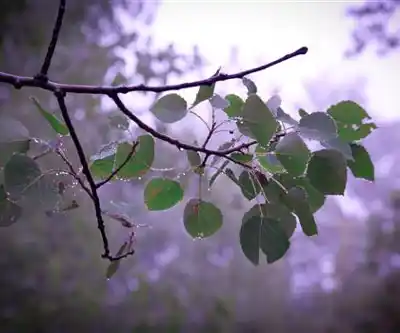
Trail description
Lowville Park sits quietly along Bronte Creek in Burlington's historic village of Lowville, offering 80 acres of mixed terrain that feels surprisingly remote despite being easily accessible from the Hamilton, Halton, and Brant regions. This isn't your typical manicured city park – the 6.4-kilometer trail network winds through genuine creek valley habitat where mature hardwood forests give way to open meadows and wetland edges.
The park's moderate difficulty rating comes from its 320 meters of elevation gain, which unfolds gradually as you climb away from the creek bottom through rolling terrain. Most hikers complete the full loop in about 1 hour and 20 minutes, though the well-marked trail system allows for shorter walks if you prefer. The paths are wide enough for comfortable hiking and clearly signed at all junctions, making navigation straightforward even for newcomers to the area.
Trail Experience and Terrain
Starting from the main trailhead, you'll immediately notice how the sound of Bronte Creek accompanies much of your hike. The lower sections follow the creek bank closely, where the trail surface alternates between packed earth and occasional rocky patches. Here, the canopy of mature maples, oaks, and beech trees creates a cathedral-like atmosphere, particularly striking during fall color season.
As you gain elevation, the forest character shifts noticeably. The creek sounds fade as you climb into drier upland areas where the trees are more widely spaced and understory plants change accordingly. These higher sections offer glimpses through the canopy toward the surrounding countryside, though this isn't a destination for sweeping vistas.
The meadow sections provide the most dramatic change of scenery. These open areas, likely former agricultural fields now reverting to grassland, buzz with insect activity during summer months and offer the best opportunities for wildlife observation. The contrast between the enclosed forest sections and these sunny openings keeps the hike visually interesting throughout.
What makes the terrain particularly engaging is how the elevation gain is distributed. Rather than one steep climb, you'll encounter several gentle ascents that feel manageable while still providing a solid workout. The trail designers clearly understood how to work with the natural topography, creating a route that flows naturally with the landscape rather than fighting against it.
Wildlife and Natural Features
Lowville Park supports a healthy population of white-tailed deer, which you're most likely to spot during early morning or late afternoon hikes. The deer often graze in the meadow areas but quickly retreat to forest cover when approached. Cottontail rabbits are common throughout the park, particularly near the meadow edges where they have quick access to both food and shelter.
The bird life here reflects the habitat diversity. Creek-side areas attract species like belted kingfishers and great blue herons, while the forest sections host typical woodland birds including various woodpecker species, nuthatches, and seasonal warblers. The meadows draw different species entirely – red-winged blackbirds, goldfinches, and various sparrows that prefer open country.
Bronte Creek itself adds another dimension to the park's appeal. While not a major waterway, it provides the constant background sound that many hikers find particularly relaxing. Several informal viewpoints along the trail offer good spots to pause and watch the water flow over small rapids and around fallen logs that create natural pools.
The creek also supports its own ecosystem of aquatic life. During warmer months, you might spot minnows darting through the shallows or notice the distinctive ripples that indicate larger fish moving through deeper pools. The water quality appears good, supporting both fish populations and the various bird species that depend on aquatic food sources.
Facilities and Access
The park's picnic facilities are genuinely useful rather than just decorative. Multiple picnic tables with benches are strategically placed in partially shaded areas that remain comfortable even during summer heat. These spots work well for post-hike meals or as rest stops during longer walks. The tables are sturdy enough for real use and positioned to take advantage of pleasant views across the meadows or toward the creek.
Parking is straightforward with a dedicated lot that handles typical weekend crowds without difficulty. The lot connects directly to the main trail system, so you're hiking within minutes of arriving. No fees are required for park access or parking, making this an accessible option for regular visits.
The trail surface remains hikeable year-round, though spring conditions can be muddy, particularly in the lower creek-side sections. Standard hiking footwear with decent tread handles the terrain well – you don't need specialized boots unless conditions are particularly wet. The elevation gain is steady rather than steep, making it accessible to hikers with moderate fitness levels.
Seasonal Highlights and Photography
The park's photographic opportunities change dramatically with the seasons. Spring brings wildflowers to the forest floor and fresh green growth that creates excellent contrast in woodland shots. The creek runs higher during spring melt, creating more dramatic water features and better opportunities for capturing flowing water effects.
Summer photography focuses more on the meadow areas where wildflowers peak and wildlife activity is highest. The interplay between sun and shadow becomes particularly interesting as the full canopy creates dappled lighting effects throughout the forest sections.
Fall transforms the mature hardwood sections into classic Ontario autumn scenery. The mixed species create a palette that ranges from bright yellows to deep reds, with the creek providing natural leading lines for compositions. Winter hiking reveals the park's underlying structure – the way the creek has carved its valley becomes much more apparent when the leaves are down.
The combination of water features, varied terrain, and genuine wildlife habitat makes Lowville Park particularly rewarding for nature photography. Unlike more heavily visited locations, you're likely to have subjects to yourself, whether you're focusing on landscapes, wildlife, or macro subjects like wildflowers and insects.
For families exploring the Hamilton, Halton, and Brant region's outdoor options, Lowville Park strikes an excellent balance between accessibility and authentic natural experience. The moderate challenge level works well for building hiking experience without overwhelming less experienced outdoor enthusiasts, while the habitat diversity keeps the experience engaging throughout the entire route.
Recommended gear for this trail
As an Amazon Associate I earn from qualifying purchases.


Ready to go?
Everything you need to know before you goStarting Point
The lowville park is located in Ontario. To get to the start of the trails, take Highway 401 to exit 551 and follow County Road 2 north for about 9 km. The park entrance will be on your left.
When?
How much?
As an Amazon Associate I earn from qualifying purchases.
Affiliate links — LGPO may earn a commission at no extra cost to you.
- Hiking shoes Essential
- → Salomon Elixir Tour Mid WP · 203.38 $
- Layered clothing Essential
- Rain jacket Essential
- Trekking poles
- → Black Diamond Trail Ergo Cork · 69.99 $
- Headlamp
- → Petzl Actik Core 625 · 103.95 $
FAQ - Frequently asked questions
Everything you need to know
25 hikes under 2 hours from Montreal
Distance, elevation, parking and season for each one. The ones we go back to ourselves.
Get the guideSimilar hikes nearby
Discover other trails you might enjoy
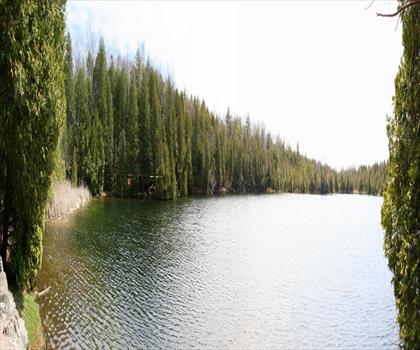
Nassagaweya Canyon
Hamilton, Halton and Brant
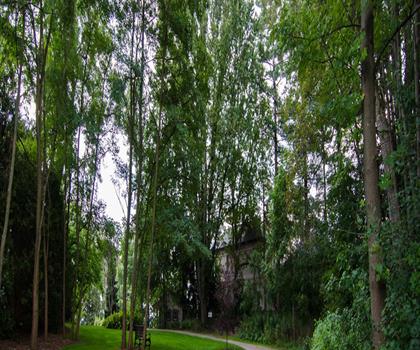
Paletta Lakefront Park
Hamilton, Halton and Brant
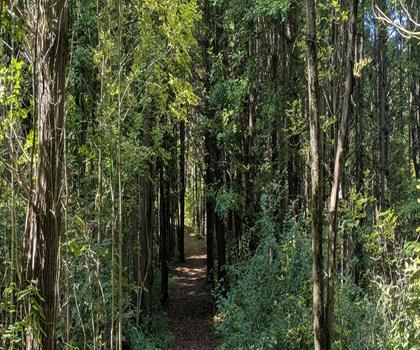
Dundas Valley Conservation Area
Hamilton, Halton and Brant
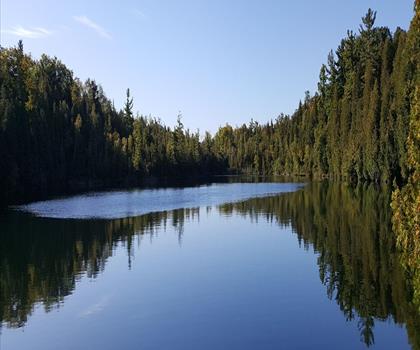
Crawford Lake Conservation Area (Reservations Required)
Hamilton, Halton and Brant

Royal Botanical Gardens - Hendrie Valley Sanctuary (Cherry Hill Gate Trail)
Hamilton, Halton and Brant
Rattlesnake Point Conservation Area (Reservations Required)
Hamilton, Halton and Brant
Hiking near Hamilton
162 trails to explore ~20 km away
We work hard to provide the most up-to-date and error-free data possible. If something seems incorrect, let us know! Your contribution helps the whole community.
Hikers' opinions
Be the first to review!
No hiker has shared their experience yet. Share your impressions and help other hikers!