
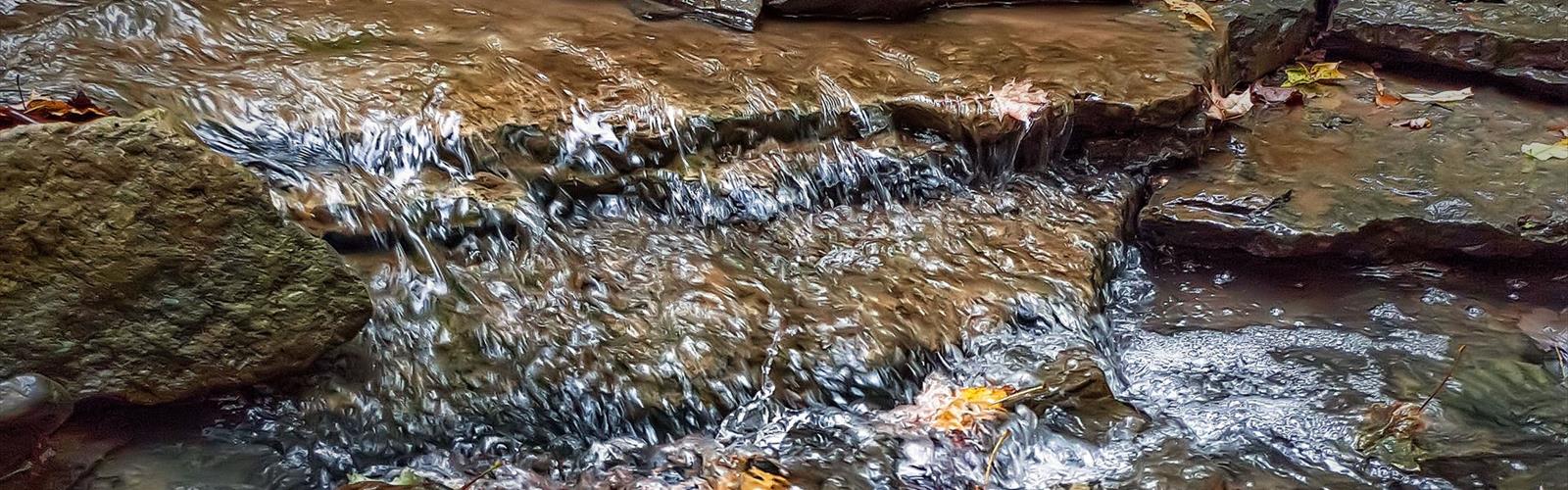

Ready to explore Borer's Falls? Here's everything you need to know before you go!
Discover the trail
Trail description
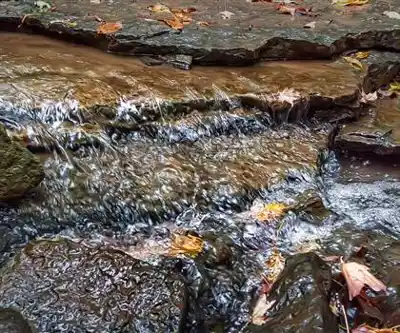
Tucked away in the quiet village of Rock Chapel, Borer's Falls delivers one of the most rewarding waterfall experiences along the Niagara Escarpment without demanding a grueling hike to get there. This 15-meter ribbon waterfall spills down limestone cliffs carved by Borer's Creek, creating a serene destination that pulls hikers from Hamilton, Burlington, and throughout the Halton and Brant regions. The falls sit within the UNESCO World Biosphere Reserve, where the geological forces that shaped the escarpment remain visible in every layer of exposed rock and every twist of the creek below.
What makes Borer's Falls particularly compelling is how dramatically it transforms throughout the year. Spring snowmelt and heavy rains turn the modest ribbon into a powerful cascade that crashes against the limestone with surprising force. Summer typically brings a gentler flow that creates delicate curtains of water, while winter can freeze the entire falls into sculptural ice formations that draw photographers willing to brave the cold. Each season reveals a different personality, making return visits feel like discovering entirely new places.
Trail Network and Terrain
The Bruce Trail serves as your primary gateway to Borer's Falls, connecting this waterfall to Canada's oldest and longest marked footpath system. Following the distinctive white blazes, you'll wind through mixed forest and along escarpment edges where breaks in the canopy reveal glimpses of the surrounding countryside rolling away below. The trail system here accommodates everyone from families looking for a gentle introduction to escarpment hiking to experienced hikers using the falls as a waypoint on longer Bruce Trail adventures.
The terrain around Borer's Falls shifts between comfortable forest paths and more demanding sections where the trail navigates the rocky escarpment face. You'll encounter classic Carolinian forest conditions underfoot: exposed limestone roots that create natural steps and obstacles, seasonal mud patches that can persist well into late spring, and occasional rocky scrambles that require attention to foot placement. The final approach to the waterfall viewing area demands particular care, especially when wet conditions turn the limestone surfaces slippery.
Trail options here work well for different goals and abilities. Shorter loop trails give beginners a solid taste of escarpment hiking without committing to major distances, while the Bruce Trail connections allow experienced hikers to link Borer's Falls with other waterfall destinations and scenic lookouts along the escarpment. The estimated duration of 4 hours and 30 minutes reflects the opportunity to explore multiple trail connections and spend quality time at the falls themselves.
Forest Ecosystem and Wildlife
The forest surrounding Borer's Falls occupies a fascinating transition zone where Carolinian species from the south meet northern flora, creating exceptional biodiversity within a compact area. The limestone bedrock supports specialized plant communities that change dramatically with the seasons. Spring transforms the forest floor with trilliums, bloodroot, and wild leeks pushing through the leaf litter, while summer brings waves of ferns and woodland flowers that thrive in the filtered sunlight beneath the canopy.
Wildlife encounters add unpredictable highlights to any visit. The forest comes alive with songbirds during migration periods, when warblers, vireos, and other species use the escarpment as a natural travel corridor. White-tailed deer browse regularly throughout the area, particularly during early morning and evening hours when they feel more secure moving through open spaces. Chipmunks and squirrels provide constant activity and entertainment, while occasional sightings of red foxes or porcupines remind you that this landscape maintains its wild character despite its accessibility.
Borer's Creek itself supports aquatic life adapted to the limestone environment, with pools below the falls often revealing small fish and various invertebrates that form the foundation of the local food web. This aquatic ecosystem adds another layer of interest for visitors who take time to observe more than just the dramatic waterfall itself.
Seasonal Planning and Conditions
Each season reshapes the Borer's Falls experience in fundamental ways that affect both what you'll see and how you should prepare. Spring delivers the most spectacular waterfall flow and the emergence of woodland wildflowers, but trails can remain muddy and challenging well into May. Summer provides the most comfortable hiking conditions with full forest canopy for shade, though the waterfall may shrink to a modest flow during extended dry periods.
Fall brings some of the year's most rewarding visits, as maples, oaks, and other deciduous trees create vibrant backdrops for the waterfall while reduced leaf cover opens views that remain hidden during summer. Winter hiking becomes possible for those equipped with appropriate footwear and clothing, as the frozen waterfall and snow-covered landscape offer completely different perspectives on familiar terrain.
Practical Considerations
The proximity to Hamilton and Burlington makes Borer's Falls an ideal day trip that doesn't consume your entire weekend with travel time. Rock Chapel village provides a genuinely rural setting that feels removed from urban pressures despite remaining easily accessible by car. This combination of accessibility and natural immersion explains why the area draws repeat visitors who appreciate having a reliable escape close to home.
Sturdy hiking footwear becomes essential rather than optional given the limestone terrain and potentially slippery conditions near the waterfall. The rocky surfaces and root-crossed trails demand ankle support and reliable traction, especially during wet conditions or when fallen leaves obscure trail surfaces. Many visitors underestimate how challenging seemingly gentle terrain can become when limestone gets wet.
Bringing water and snacks enhances any visit, particularly if you plan to explore multiple trail connections or spend extended time observing the falls and surrounding forest. While individual trail segments aren't exceptionally long, the combination of fresh air, physical activity, and the tendency to linger at scenic spots typically increases appetite and thirst beyond normal expectations.
Photography enthusiasts should consider how lighting conditions change throughout the day, as the waterfall's orientation and surrounding forest canopy create dramatically different moods and opportunities depending on timing. Early morning and late afternoon often provide the most appealing light for capturing both the waterfall's details and the broader forest environment, while midday lighting can create harsh contrasts that flatten the scene.
The integration into the larger Bruce Trail system means Borer's Falls functions as both a destination in itself and a gateway to understanding the broader Niagara Escarpment ecosystem, making it easy to extend adventures or plan return visits to explore different sections and seasonal variations.
The Essential Hiking Checklist
Everything you need for your next hike. Bilingual, printable, 1 page.
Get your free hiking checklistRecommended gear for this trail
As an Amazon Associate I earn from qualifying purchases.


Ready to go?
Everything you need to know before you goStarting Point
The easiest way to get to the start of the trails at borer's falls is to take Highway 401 to exit 496 and then take County Road 2 north for about 5 km. The trailhead is located on the east side of the road.
When?
How much?
As an Amazon Associate I earn from qualifying purchases.
Affiliate links — LGPO may earn a commission at no extra cost to you.
- Hiking shoes Essential
- → Salomon Elixir Tour Mid WP · 203.38 $
- Layered clothing Essential
- Rain jacket Essential
- Trekking poles
- → Black Diamond Trail Ergo Cork · 69.99 $
- Headlamp
- → Petzl Actik Core 625 · 103.95 $
FAQ - Frequently asked questions
Everything you need to knowSimilar hikes nearby
Discover other trails you might enjoy
Nassagaweya Canyon
Hamilton, Halton and Brant
Paletta Lakefront Park
Hamilton, Halton and Brant
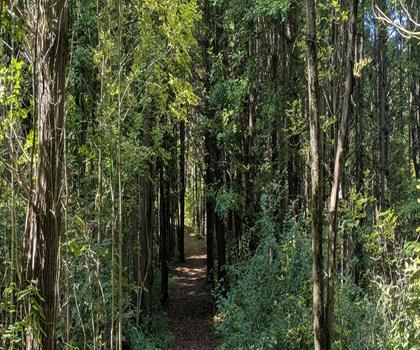
Dundas Valley Conservation Area
Hamilton, Halton and Brant
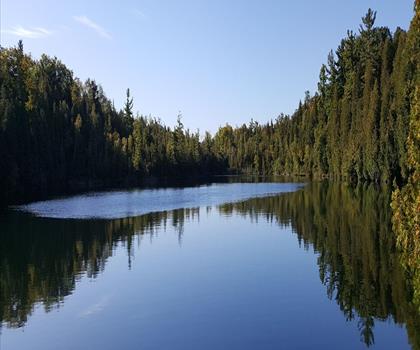
Crawford Lake Conservation Area (Reservations Required)
Hamilton, Halton and Brant

Royal Botanical Gardens - Hendrie Valley Sanctuary (Cherry Hill Gate Trail)
Hamilton, Halton and Brant
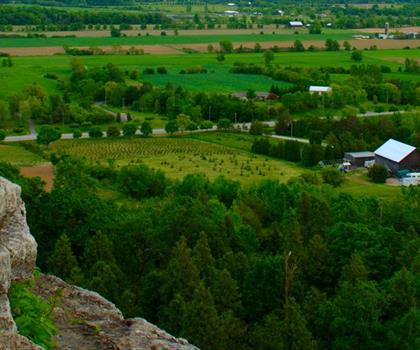
Rattlesnake Point Conservation Area (Reservations Required)
Hamilton, Halton and Brant
Hiking near Hamilton
162 trails to explore ~7 km away
We work hard to provide the most up-to-date and error-free data possible. If something seems incorrect, let us know! Your contribution helps the whole community.
Hikers' opinions
Be the first to review!
No hiker has shared their experience yet. Share your impressions and help other hikers!