

Ready to explore Hamilton - Brantford Rail Trail? Here's everything you need to know before you go!
Discover the trail
Oh no! We don't have any photos 😢
This trail hasn't been captured yet. Be the first to share your adventure!Trail description
The Hamilton - Brantford Rail Trail transforms a piece of railway history into one of southwestern Ontario's most accessible and rewarding hiking experiences. Following the abandoned Toronto, Hamilton & Buffalo Railway corridor for 32 kilometers between Hamilton and Brantford, this converted rail trail offers hikers a unique journey through the diverse landscapes of the Hamilton, Halton, and Brant regions.
What sets this trail apart from typical hiking routes is its gentle, consistent grade—a legacy of its railway origins. The old rail bed creates a naturally smooth pathway that winds through an impressive variety of terrain without the steep climbs that characterize many regional trails. You'll pass through dense hardwood forests where maple and oak canopies filter the sunlight, emerge into expansive agricultural fields that stretch toward distant horizons, and cross several historic bridges that offer elevated views of the surrounding countryside.
Trail Experience and Terrain
The well-maintained crushed stone surface makes for comfortable walking throughout most of the year. The trail's railway heritage becomes evident in the engineered curves and gentle grades that carry you through natural obstacles rather than over them. This thoughtful routing takes you through some of the region's most scenic areas while maintaining an easy walking pace that welcomes hikers of all fitness levels.
As you progress along the trail, the landscape shifts dramatically. The Hamilton end begins in more urbanized surroundings before quickly transitioning into the lush forests and wetlands that characterize much of the route. The middle sections open up into farmland and rural communities where you'll catch glimpses of century farms and pastoral scenes that feel worlds away from city life. The Brantford approach offers views of the Grand River valley, where the terrain becomes more rolling and the vistas expand.
The trail's generous width accommodates multiple users comfortably, and the absence of motorized vehicles creates a peaceful environment where the sounds of nature dominate. During quieter weekday visits, you might find yourself alone for long stretches, with only the rustling of leaves and distant bird calls for company. The consistent surface means you can focus on the scenery rather than watching your footing, making this an ideal trail for contemplative walks or catching up with hiking companions.
Wildlife and Natural Features
The corridor's linear nature creates an important wildlife pathway connecting various habitats across the region. White-tailed deer frequently cross the trail, particularly during early morning and evening hours when they move between feeding and resting areas. Rabbits dart between the trailside vegetation, while overhead, red-tailed hawks and turkey vultures patrol the open sections, riding thermals that rise from the sun-warmed fields.
Birdwatchers will find the trail particularly rewarding during spring and fall migrations. The mix of forest edge, open field, and wetland habitats attracts a diverse range of species throughout the year. Cardinals, blue jays, and various woodpecker species are year-round residents, their calls echoing through the forest sections. During warmer months, warblers and other songbirds add their voices to the natural soundtrack, while the open areas attract species that prefer grassland habitats.
Spring transforms the trail into a wildflower showcase that rivals any formal garden. Trilliums carpet the forest floor in early May, their white blooms creating natural spotlights in the dappled shade. As the season progresses, waves of other native blooms follow in succession. The trail's edges burst with goldenrod and asters in late summer, creating a golden corridor that extends for kilometers and attracts countless butterflies and pollinators.
Access Points and Planning
Multiple access points along the trail's length make it easy to customize your hiking experience based on time, energy, and interests. The Dundas Valley Conservation Area in Hamilton provides the most developed starting point, with ample parking, washroom facilities, and detailed trail maps. This location connects seamlessly with the rail trail and offers additional hiking opportunities within the conservation area itself, making it perfect for those who want to extend their outdoor adventure.
At the Brantford end, Jaycee Sports Park serves as another major access point with good parking facilities and easy trail access. The park setting makes this an ideal location for families planning shorter walks or those wanting to combine their hike with other recreational activities like picnicking or playground time for children.
Several smaller access points exist along the route, allowing hikers to tackle specific sections or arrange car shuttles for one-way trips. These intermediate access points make the trail particularly flexible for different group sizes and fitness levels, whether you're planning a quick nature walk or a full-day hiking adventure.
Seasonal Considerations and Practical Tips
The trail's accessibility makes it suitable for hikers of all experience levels throughout most of the year. Families with young children often use the trail for shorter walks, taking advantage of the smooth surface and gentle grades that eliminate the need for specialized hiking gear. The lack of technical terrain means that standard walking shoes are adequate for most conditions, though hiking boots provide better support and comfort for longer distances.
Weather conditions significantly impact the trail experience and should guide your planning. Spring offers the best wildflower displays but can include muddy sections during wet periods, particularly in the forested areas where drainage is slower. Summer provides full canopy cover in forested sections, creating natural air conditioning that makes even warm days comfortable, but requires adequate water supplies for longer hikes since sources along the trail are limited.
Fall delivers spectacular foliage colors that transform the entire corridor into a natural art gallery, while winter opens up new possibilities as the trail becomes popular with cross-country skiers and snowshoers. The wide, flat surface makes for excellent winter recreation when snow conditions permit.
Cell phone coverage varies along the route, with some sections having limited or no signal, particularly in the more remote middle sections. Informing someone of your planned route and expected return time is particularly important for solo hikers or those attempting longer distances. The trail's length means that even moderate-pace hikers should plan for several hours if attempting significant portions of the full distance.
The Essential Hiking Checklist
Everything you need for your next hike. Bilingual, printable, 1 page.
Get your free hiking checklistRecommended gear for this trail
As an Amazon Associate I earn from qualifying purchases.


Ready to go?
Everything you need to know before you goStarting Point
The hamilton - brantford rail trail is located in Ontario. To get to the start of the trails, take Highway 403 to the Highway 6 North exit. Follow Highway 6 North to the Mohawk Road exit. Turn left on Mohawk Road and follow it until you reach the trailhead.
When?
How much?
As an Amazon Associate I earn from qualifying purchases.
Affiliate links — LGPO may earn a commission at no extra cost to you.
- Hiking shoes Essential
- → Salomon Elixir Tour Mid WP · 203.38 $
- Layered clothing Essential
- Rain jacket Essential
- Trekking poles
- → Black Diamond Trail Ergo Cork · 69.99 $
- Headlamp
- → Petzl Actik Core 625 · 103.95 $
FAQ - Frequently asked questions
Everything you need to knowSimilar hikes nearby
Discover other trails you might enjoy
Nassagaweya Canyon
Hamilton, Halton and Brant
Paletta Lakefront Park
Hamilton, Halton and Brant
Dundas Valley Conservation Area
Hamilton, Halton and Brant
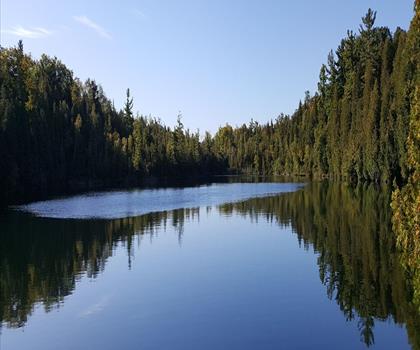
Crawford Lake Conservation Area (Reservations Required)
Hamilton, Halton and Brant

Royal Botanical Gardens - Hendrie Valley Sanctuary (Cherry Hill Gate Trail)
Hamilton, Halton and Brant
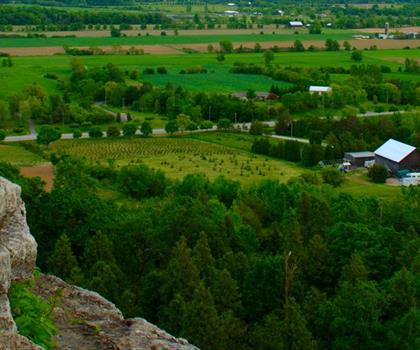
Rattlesnake Point Conservation Area (Reservations Required)
Hamilton, Halton and Brant
Hiking near Hamilton
162 trails to explore ~20 km away
We work hard to provide the most up-to-date and error-free data possible. If something seems incorrect, let us know! Your contribution helps the whole community.
Hikers' opinions
Be the first to review!
No hiker has shared their experience yet. Share your impressions and help other hikers!