

Ready to explore Limehouse Conservation Area? Here's everything you need to know before you go!
Discover the trail

Trail description
Limehouse Conservation Area sits quietly in the Halton Hills, offering hikers a surprisingly diverse landscape just an hour's drive from Toronto. This 522-hectare conservation area brings together rugged Niagara Escarpment terrain and remnants of Ontario's industrial past — a combination that makes for a hiking experience that's both geologically fascinating and historically rich.
The Trail Experience
The trail network covers 3.5 km of well-maintained paths through mixed hardwood forest and along dramatic limestone cliffs, with about 50 metres of elevation gain throughout. Most hikers complete the loop in around an hour and fifteen minutes, though it's easy to spend longer if you stop to explore the rock formations and historical ruins along the way. The difficulty is rated easy, but don't let that fool you into wearing sneakers — the rocky terrain and occasional scrambling sections demand proper footwear.
The terrain shifts noticeably as you move through the property. You'll start on relatively flat forest paths before the trail climbs the escarpment face, threading through rocky passages and narrow crevices between towering limestone walls. It's a short hike, but it packs in a lot of variety.
The Hole in the Wall
The signature feature at Limehouse is the "Hole in the Wall," a narrow crevice carved through the limestone that forms a natural tunnel. Getting through it requires a bit of careful maneuvering, but it's accessible to most hikers with basic scrambling skills. On the other side, you're rewarded with open views across the surrounding countryside. It's the kind of feature that makes this trail memorable long after you've driven home.
Beyond this landmark, the trail passes several other notable rock formations and crevices. The limestone here is part of the Niagara Escarpment, and the evidence of how water and time have shaped this ancient seabed is visible at nearly every turn.
Industrial History on the Trail
Limehouse takes its name from the lime kilns that operated here throughout the 19th century. The stone ruins of these kilns are scattered throughout the conservation area, and interpretive signs explain how limestone was heated to produce quicklime for construction and agricultural use. The industry was significant enough to support its own railway station and a small community of workers and families.
These ruins add an unexpected layer to the hike. You're not just walking through a natural area — you're moving through a landscape that was once alive with industrial activity. The contrast between the quiet forest and the crumbling stone structures is genuinely striking.
Wildlife and Plant Life
The diverse habitats at Limehouse support a solid variety of wildlife. The mixed forest provides nesting sites for numerous bird species, and this is a reliable spot for birdwatching — pileated woodpeckers are a highlight, and warbler species pass through during migration. Birds of prey can often be spotted soaring along the escarpment edge.
The limestone environment creates growing conditions that support plants typically found further north, including several fern species that thrive in the cool, moist crevices between rock formations. The alkaline soil along the cliff faces supports plant communities you won't find in the surrounding lowland forest. Meadow areas and forest edges attract butterflies and other pollinators during warmer months.
Seasonal Highlights
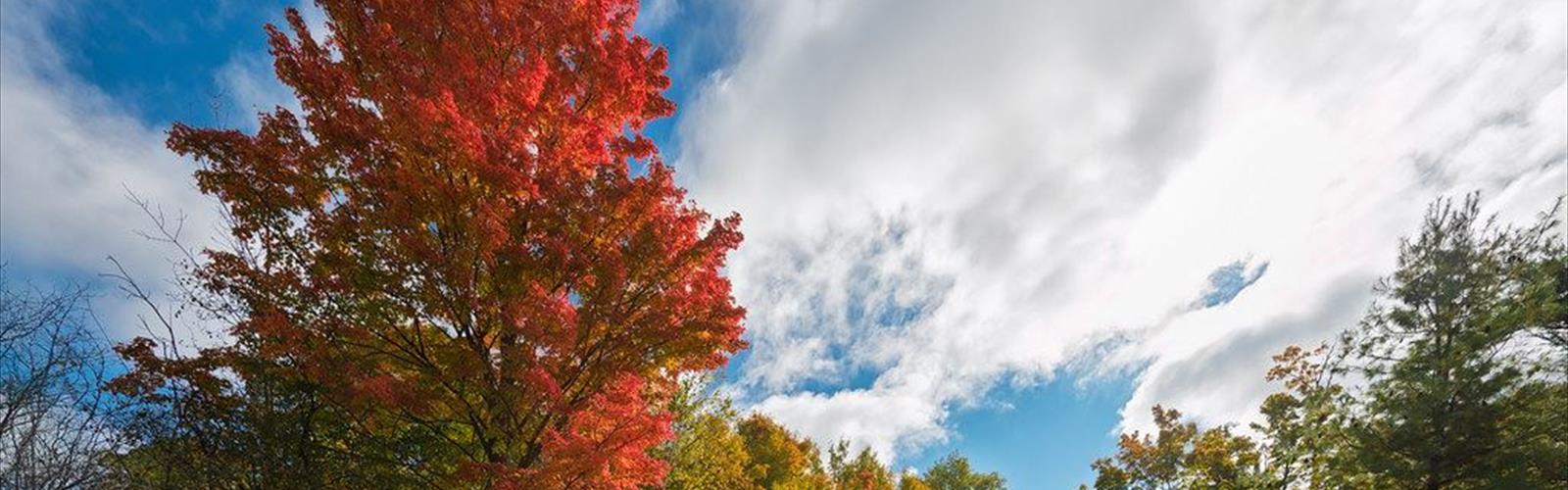
Spring brings wildflowers to the forest floor — trilliums, bloodroot, and wild ginger appear in the understory, and the limestone cliffs support unique plant communities that bloom early in the season. Summer offers full canopy cover in the forested sections, keeping things comfortable even on hot days, and the rock formations provide cool microclimates worth pausing in. Fall is spectacular here, with maples, oaks, and hickories turning the canopy into a vivid display of colour.
Winter hiking is possible but requires extra caution. The rock formations and crevices can become icy, and the limestone is particularly treacherous when frozen. The upside is that bare trees open up views and reveal geological features that are hidden during the growing season.
Getting There and Trail Tips
Limehouse Conservation Area is easily accessible from Highway 401 via Guelph Line, making it a straightforward day trip from Toronto, Hamilton, or anywhere in southern Ontario. Parking is available at the main entrance, though the lot fills up quickly on busy weekend days during peak season — arriving early is a good habit here.
Sturdy hiking boots are essential. The limestone can be slippery when wet, and the rocky scrambling sections aren't forgiving of poor footwear. Bring more water than you think you'll need — the elevation changes and scrambling are more demanding than the short distance suggests. Stay on marked trails, both to protect the sensitive escarpment environment and for your own safety. Some of the rock formations have significant drop-offs, and the limestone can be unstable in certain areas.
Pack out everything you bring in — this is a conservation area managed to protect the Niagara Escarpment ecosystem, and keeping it clean is part of the deal for everyone who visits.
Services and amenities
This information may vary by season.
The Essential Hiking Checklist
Everything you need for your next hike. Bilingual, printable, 1 page.
Get your free hiking checklistRecommended gear for this trail
As an Amazon Associate I earn from qualifying purchases.


Ready to go?
Everything you need to know before you goStarting Point
The limehouse conservation area is located in London, Ontario. To get to the start of the trails, take Adelaide Street north until it turns into Fanshawe Park Road. The conservation area will be on your right.
When?
How much?
As an Amazon Associate I earn from qualifying purchases.
Affiliate links — LGPO may earn a commission at no extra cost to you.
- Hiking shoes Essential
- → Salomon Elixir Tour Mid WP · 203.38 $
- Layered clothing Essential
- Rain jacket Essential
- Trekking poles
- → Black Diamond Trail Ergo Cork · 69.99 $
- Headlamp
- → Petzl Actik Core 625 · 103.95 $
FAQ - Frequently asked questions
Everything you need to knowSimilar hikes nearby
Discover other trails you might enjoy
Nassagaweya Canyon
Hamilton, Halton and Brant
Paletta Lakefront Park
Hamilton, Halton and Brant
Dundas Valley Conservation Area
Hamilton, Halton and Brant
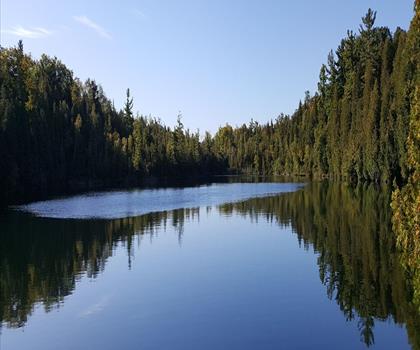
Crawford Lake Conservation Area (Reservations Required)
Hamilton, Halton and Brant

Royal Botanical Gardens - Hendrie Valley Sanctuary (Cherry Hill Gate Trail)
Hamilton, Halton and Brant
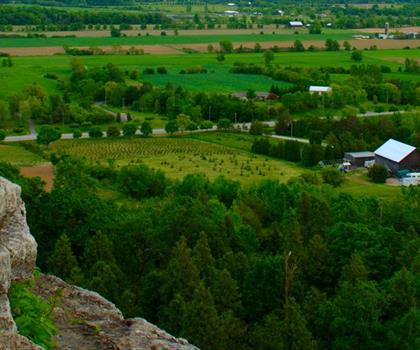
Rattlesnake Point Conservation Area (Reservations Required)
Hamilton, Halton and Brant
Hiking near Guelph
166 trails to explore ~24 km away
We work hard to provide the most up-to-date and error-free data possible. If something seems incorrect, let us know! Your contribution helps the whole community.
Hikers' opinions
Be the first to review!
No hiker has shared their experience yet. Share your impressions and help other hikers!