

Ready to explore Cascade de la Brive? Here's everything you need to know before you go!
Discover the trail

Trail description
The Cascade de la Brive stands as one of the Ain department's most accessible waterfall destinations, offering a rewarding 2.5-kilometer hike through the Jura foothills that culminates at a picturesque cascade tucked into a limestone gorge. This easy trail provides an excellent introduction to the region's distinctive karst landscape, where water has carved dramatic features into the ancient bedrock over millennia.
The waterfall itself drops approximately 15 meters over a series of limestone ledges, creating multiple tiers that are particularly impressive during spring snowmelt and after heavy rains. The cascade flows year-round, though summer months see reduced volume. What makes this destination special is not just the waterfall, but the journey through varied terrain that showcases the ecological diversity of the Ain's transitional zone between the Rhône Valley and the higher Jura peaks.
Trail Experience and Terrain
The 150-meter ascent to Cascade de la Brive unfolds over approximately 1 hour and 30 minutes of pleasant hiking through mixed deciduous and coniferous forest. The trail surface alternates between packed earth, rocky sections, and occasional root networks that require careful footing, but the easy difficulty rating makes this accessible to most hikers with basic fitness levels.
The initial portion of the trail follows an old forest road before narrowing to a single-track path that hugs the contours of the hillside. The elevation gain is distributed through a series of gentle switchbacks and more direct ascents, creating a satisfying workout without being overly strenuous. Along the way, you'll encounter several small clearings that offer glimpses of the surrounding countryside, including views toward the Revermont hills and, on clear days, distant Alpine peaks.
The limestone geology becomes increasingly apparent as you approach the waterfall, with exposed rock faces displaying the characteristic gray-white coloration of Jurassic limestone. Small caves and overhangs dot the cliff faces, and the sound of flowing water grows more pronounced as you near your destination. The final approach to the cascade requires extra attention to footing, as the rocks can be slippery when wet.
Seasonal Considerations
Spring visits from April through June offer the most dramatic waterfall flow and the added bonus of wildflowers carpeting the forest floor. Hepatica, wood anemones, and various orchid species bloom throughout this period, making it an excellent time for nature photography. The moderate temperatures and longer daylight hours create ideal hiking conditions.
Summer hiking provides comfortable temperatures under the forest canopy, though the waterfall's flow diminishes considerably by late July and August. The reduced water volume reveals more of the underlying rock structure, offering a different but equally interesting perspective on the geological formations. Early morning starts help avoid the warmest parts of the day.
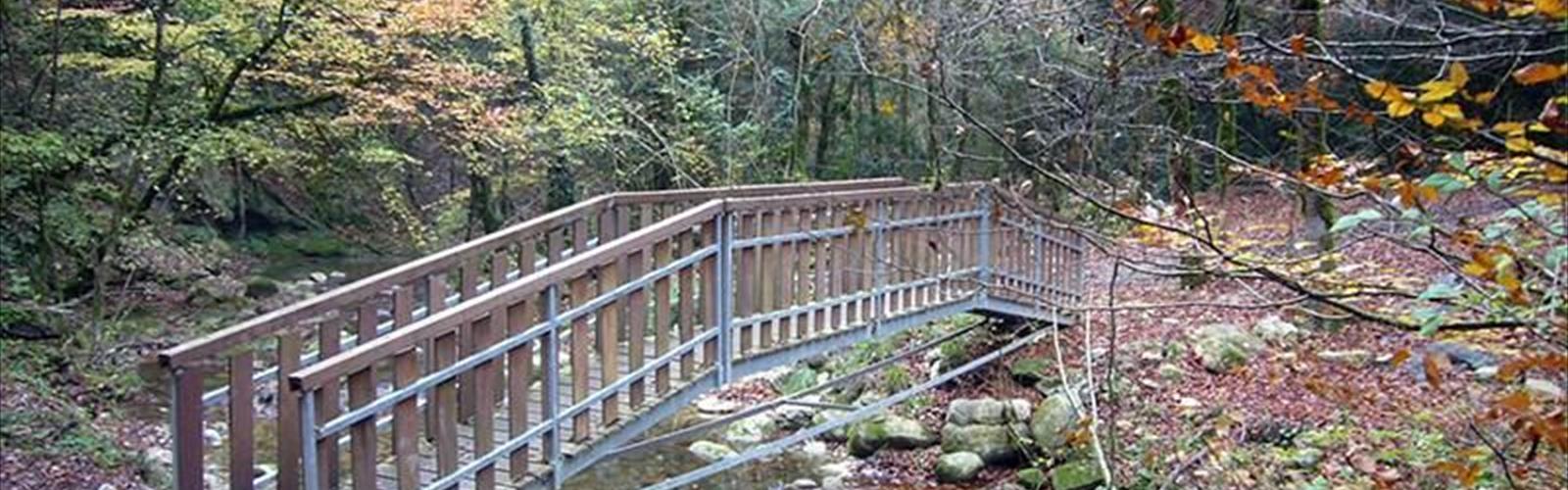
Fall brings spectacular foliage as the mixed hardwood forest transforms into a palette of yellows, oranges, and reds. The beech trees are particularly stunning during peak autumn color, typically occurring in mid to late October. This season offers some of the most photogenic conditions for the hike.
Winter access is possible but requires caution, as the trail can become icy, particularly in the steeper sections near the waterfall. Ice formations around the cascade create beautiful sculptural effects, but proper footwear with traction devices is essential for safety.
Flora and Fauna
The diverse forest ecosystem supports a rich variety of wildlife that changes with the seasons and elevation. Roe deer are commonly spotted in the early morning and evening hours, while red squirrels can be observed year-round darting between the trees. Birdwatchers will appreciate the variety of species, including several woodpecker species, nuthatches, and various warblers during migration periods.
The understory vegetation changes noticeably as you gain elevation, transitioning from typical lowland species to more montane varieties. Ferns thrive in the moist conditions near the waterfall, creating lush green carpets that contrast beautifully with the pale limestone. Moss-covered rocks create miniature gardens throughout the gorge area, adding to the enchanted atmosphere of the destination.
Access and Parking
The trailhead is located near the village of Brive, with parking available along the forest road leading to the trail start. Space is limited to approximately 8-10 vehicles, so early arrival is recommended, especially on weekends and during peak season. The parking area is unpaved but generally suitable for standard passenger vehicles, though care should be taken during wet conditions.
Public transportation options are limited in this rural area, making a personal vehicle the most practical access method. The nearest major town with full services is approximately 15 kilometers away, so plan accordingly for fuel and supplies. The approach road is well-maintained but narrow in places, requiring careful driving when meeting oncoming traffic.
Family and Dog Information
This trail is well-suited for families with children aged 8 and above who have some hiking experience. The moderate elevation gain and interesting destination help maintain young hikers' enthusiasm throughout the journey. Parents should be prepared for the steeper sections near the waterfall and ensure children understand the importance of staying on designated paths.
Dogs are welcome on the trail but must be kept under control, particularly near the waterfall area where wet rocks can be slippery. The forest environment provides plenty of natural water sources for canine companions, though bringing additional water is always advisable. Dog owners should be mindful of wildlife and other hikers, especially during busy periods.
Equipment and Safety
Standard day hiking equipment is sufficient for this trail, but proper footwear is essential. Sturdy hiking boots with good traction are recommended due to the varied terrain and potentially wet conditions near the waterfall. Trekking poles can be helpful for the steeper sections and provide additional stability on rocky surfaces.
The waterfall area requires extra caution, as wet limestone can be extremely slippery. Maintain a safe distance from cliff edges and supervise children closely in this area. The rocks around the cascade are not suitable for climbing or scrambling, and visitors should resist the temptation to get too close to the water's edge.
Weather can change quickly in this region, so layered clothing and rain protection are advisable even on seemingly clear days. The forest canopy provides some shelter, but exposed sections can be subject to sudden weather changes typical of the Jura foothills climate.
The Essential Hiking Checklist
Everything you need for your next hike. Bilingual, printable, 1 page.
Get your free hiking checklistRecommended gear for this trail
As an Amazon Associate I earn from qualifying purchases.


Ready to go?
Everything you need to know before you goWhen?
How much?
As an Amazon Associate I earn from qualifying purchases.
Affiliate links — LGPO may earn a commission at no extra cost to you.
- Hiking shoes Essential
- → Salomon Elixir Tour Mid WP · 203.38 $
- Layered clothing Essential
- Rain jacket Essential
- Trekking poles
- → Black Diamond Trail Ergo Cork · 69.99 $
- Headlamp
- → Petzl Actik Core 625 · 103.95 $
FAQ - Frequently asked questions
Everything you need to knowHiking near Sydney
22 trails to explore ~4942 km away
We work hard to provide the most up-to-date and error-free data possible. If something seems incorrect, let us know! Your contribution helps the whole community.
Hikers' opinions
Be the first to review!
No hiker has shared their experience yet. Share your impressions and help other hikers!