

Ready to explore Parc naturel régional du Vercors? Here's everything you need to know before you go!
Discover the trail
Trail description
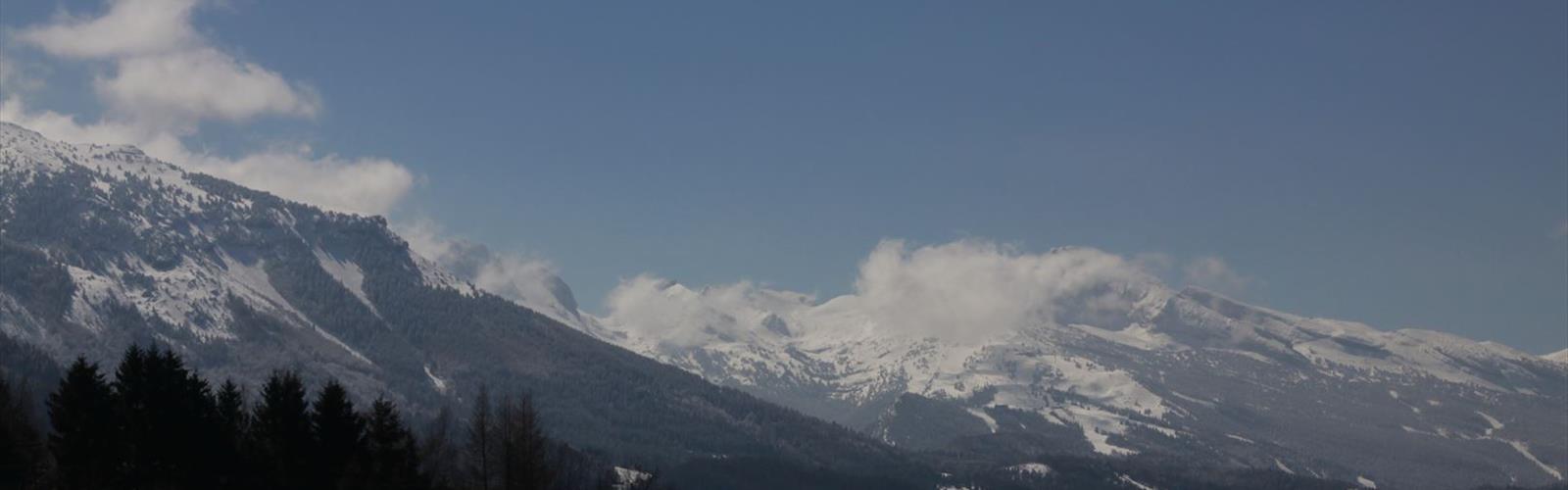
The Vercors Regional Nature Park covers nearly 5,000 square kilometers of dramatic limestone terrain in southeastern France, spanning the Isère and Drôme departments within the Auvergne-Rhône-Alpes region. It's one of the largest regional nature parks in France, and its sheer scale means you could spend weeks exploring here without covering the same ground twice. The massif rises from gentle agricultural valleys to the 2,016-meter summit of the Grand Veymont, giving hikers access to an extraordinary range of landscapes within a single protected area.
What genuinely sets the Vercors apart from other mountain destinations in the French Alps is its geology. The entire massif is built on limestone, shaped over millions of years by water carving through rock. The result is a karst landscape of high plateaus, sheer cliff faces, deep gorges, and an extensive network of caves and underground rivers. One moment you're crossing a wide-open plateau that feels like the top of the world; the next, you're peering over the edge of a vertical drop into a canyon far below. That contrast is what keeps people coming back.
Terrain and Landscapes
The park's elevation range creates genuinely distinct environments that shift as you climb. Down in the valleys and on the lower slopes, the landscape is pastoral and welcoming — mixed deciduous forests, traditional farming villages, and meadows that have been worked for generations. These lower elevations are home to most of the park's roughly 100,000 residents and offer accessible trails that work well for families or anyone easing into the terrain.
Moving higher, the forests thicken into dense stands of beech, fir, and pine. These mid-elevation trails are some of the most enjoyable in the park — well-shaded, comfortable even in summer heat, and punctuated by clearings that open up to long views across the valleys. Many of these routes connect upward to the high country, so you can extend your day as conditions and energy allow.
The high plateaus are where the Vercors really shows its character. Above the treeline, the limestone stretches out in broad, open expanses with dramatic cliff edges dropping away on all sides. In late spring and early summer, alpine wildflowers push through the thin soil in remarkable numbers. By autumn, the grasses turn gold against the pale white rock. Navigation up here requires more attention — the terrain is open but can become disorienting in fog, and weather can shift quickly.
Wildlife
The Vercors functions as an important wildlife corridor in the French Alps, and the diversity of species reflects that. Chamois are a regular sight on the rocky slopes and cliff faces, especially in the early morning and evening hours when they move into open areas. Their ease on near-vertical terrain is genuinely impressive to watch.
Golden eagles are a fixture above the high plateaus, riding thermals that rise from the sun-heated limestone. Scanning the sky with binoculars on a clear day often rewards patience. The park's forests and waterways support a wide range of smaller bird species as well.
Lynx move through the dense forest zones, and wolves have reestablished themselves in the Vercors as part of their broader return to the French Alps. Sightings of either species are uncommon, but their presence is a real indicator of how intact the park's ecosystems remain. The rivers and streams throughout the park run clear and cold, supporting native fish and rich aquatic communities, and they create some of the most scenic trail corridors in the massif.
Hiking the Vercors
The trail network here is extensive and well-maintained, with clear marking across the system. Routes range from flat valley walks to serious high-altitude traverses, and the variety means there's genuinely something for every level of hiker.
Valley and lower-elevation trails are often accessible year-round. Many follow old farm roads or riverside paths through traditional villages, with minimal elevation gain and a relaxed pace. These are solid options for families, for off-season visits, or simply for days when you want to move through the landscape without working too hard.
The mid-elevation forest trails offer the classic Vercors experience for most visitors — winding through woodland, breaking into clearings with mountain views, and connecting to higher routes if you want to push further. These trails tend to be well-shaded and comfortable through most of the hiking season.
The high plateau routes are the most demanding and the most rewarding. Crossing the open limestone plateaus gives a sense of exposure and scale that's hard to find elsewhere in the region. These trails require solid navigation skills, appropriate gear, and awareness of how fast conditions can change at altitude. Early morning starts are advisable in summer, both to beat the heat radiating off the limestone and to make the most of stable morning weather.
Seasons
Spring brings snowmelt that swells the rivers and sends waterfalls cascading down the cliff faces. Wildflowers move progressively up the slopes as the snow retreats, and the lower trails are often at their most lush during this period. Some high routes may still carry snow into late spring.
Summer opens up the full trail network and offers the longest days for ambitious hikes, but the limestone can get very hot by midday. Starting early makes a significant difference on longer routes.
Autumn is widely considered the best season for hiking in the Vercors. The deciduous forests turn brilliant colors, the air is crisp and clear, visibility is exceptional, and the trails are quieter than in peak summer. Weather patterns tend to be more stable, and the light on the limestone in the late afternoon is worth the trip on its own.
Winter shifts the park toward snow sports, with ski resorts operating across the massif and many hiking trails converting to snowshoe routes that provide access to landscapes of real winter beauty.
Getting There and Planning
The park's size means that access depends heavily on where you're headed. Multiple villages around the perimeter of the massif serve as entry points to different sections of the trail network, each with its own character and access to distinct terrain. Choosing your base based on the type of hiking you want — valley walks, forest trails, or high plateau routes — will shape your experience significantly. The trail marking throughout the park is reliable, but anyone heading onto the high plateaus should carry a map and compass and be prepared for conditions to change without much warning.
The Essential Hiking Checklist
Everything you need for your next hike. Bilingual, printable, 1 page.
Get your free hiking checklistRecommended gear for this trail
As an Amazon Associate I earn from qualifying purchases.


Ready to go?
Everything you need to know before you goStarting Point
The trailhead for the Vercors Regional Nature Park is located in Saint-Nizier-du-Moucherotte, in the Auvergne-Rhône-Alpes region. To get there, take the D518 in the direction of Saint-Nizier-du-Moucherotte and follow the signs to the parking lot.
When?
How much?
As an Amazon Associate I earn from qualifying purchases.
Affiliate links — LGPO may earn a commission at no extra cost to you.
- Hiking shoes Essential
- → Salomon Elixir Tour Mid WP · 203.38 $
- Layered clothing Essential
- Rain jacket Essential
- Trekking poles
- → Black Diamond Trail Ergo Cork · 69.99 $
- Headlamp
- → Petzl Actik Core 625 · 103.95 $
FAQ - Frequently asked questions
Everything you need to knowSimilar hikes nearby
Discover other trails you might enjoy
Hiking near Sydney
22 trails to explore ~4977 km away
We work hard to provide the most up-to-date and error-free data possible. If something seems incorrect, let us know! Your contribution helps the whole community.
Hikers' opinions
Be the first to review!
No hiker has shared their experience yet. Share your impressions and help other hikers!