
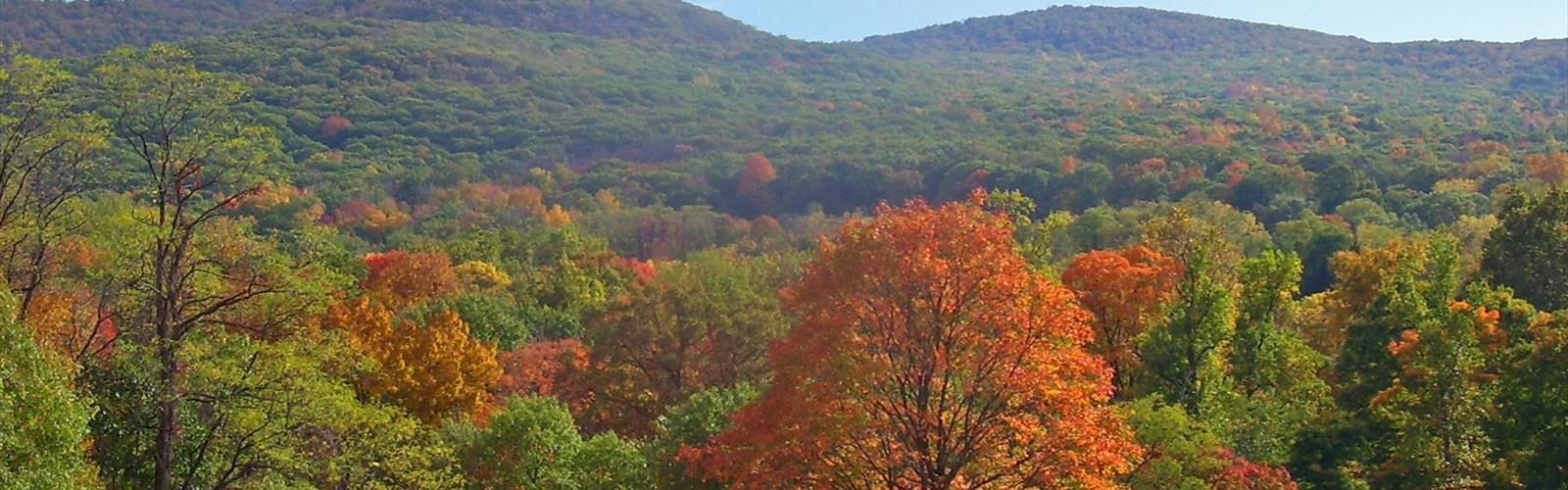

Ready to explore Black Rock, New York? Here's everything you need to know before you go!
Discover the trail
Trail description
Black Rock Forest sits in New York's Hudson Valley, about an hour and a half north of New York City. This 3,870-acre preserve is managed by the Black Rock Forest Consortium, a group focused on long-term conservation and ecological research while keeping the trail network open to the public. It's one of those places that punches above its weight — close enough to the city to be a realistic day trip, but wild enough to feel like you've actually gotten away.
The route covered here is a moderate 3.2 km climb with 427 meters of elevation gain, typically completed in around 1.5 hours. That's a significant amount of vertical for a relatively short distance, which tells you something about the character of this hike: it's not a casual stroll, but it's not an all-day sufferfest either. You earn the views, and the views are worth it.
The Terrain
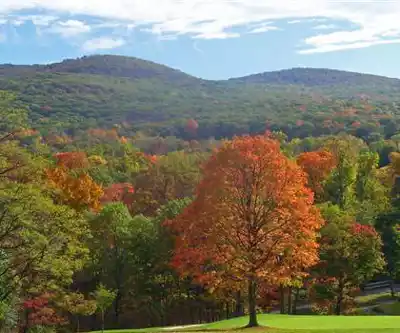
The hike moves through a few distinct environments as you gain elevation. Lower sections follow well-worn paths through mature hardwood forest — the kind of canopy that turns the light green and diffuse in summer and drops into full color in fall. The footing here is straightforward, with a natural surface that's generally easy to follow.
As you climb, the forest character shifts. The trees thin out, the trail gets rockier, and you start encountering the exposed rock faces that give Black Rock its name. This upper section demands more attention — the grade steepens and the footing becomes less predictable, especially after rain. Solid hiking boots with ankle support make a real difference here. The transition from soft forest floor to open rock is one of the more satisfying parts of the climb, both visually and physically.
Stream crossings appear on several routes through the forest. During normal conditions these are manageable with basic footwear, but early spring snowmelt can change that equation. The forest also has seasonal ponds scattered through the lower elevations — good spots to catch your breath and watch for wildlife.
Summit Views
The payoff at the top is a panoramic view across the Hudson Highlands. You get a real sense of the region's geography from up here — the river corridor, the ridgelines, the patchwork of forest and farmland stretching out in multiple directions. It's the kind of view that reframes the landscape you drove through to get here.
The views shift with the seasons. Fall is the obvious draw, when the Hudson Valley foliage is at its peak and the ridgelines turn every shade of orange and red. But winter has its own appeal — bare branches open up sight lines that disappear entirely in summer, and the solitude is hard to beat. Spring brings a different kind of energy, with fresh green pushing through and the forest coming back to life after a long dormancy.
Wildlife and Natural Features
The forest supports a healthy cross-section of Hudson Valley wildlife. White-tailed deer are common, particularly in the early morning and around dusk. Red foxes move through the area too, though spotting one requires some patience and quiet movement. The mixed habitat — mature forest, rocky outcrops, stream corridors, and open edges — attracts a solid variety of bird species, and the spring and fall migration periods are especially active. Binoculars are worth throwing in the pack.
The streams and ponds come alive in spring with amphibian activity, and these water features consistently draw larger mammals and birds throughout the warmer months. The Consortium's ongoing research presence in the forest means the ecosystem here is actively monitored and managed, which shows in the overall health of the habitat.
Educational Programs
The Black Rock Forest Consortium runs educational programs and guided tours that go deeper into the forest's ecology and the research happening on the ground. These aren't just nature walks — they connect visitors to the actual conservation science taking place in the preserve. For families with kids who are curious about how forests work, or for anyone who wants more context than a solo hike provides, these programs are worth looking into before your visit.
Planning Your Visit
Given the elevation gain and the rocky upper terrain, a few things are worth getting right before you head out:
- Footwear: Hiking boots with ankle support and decent grip are the right call, especially for the upper rock sections.
- Water: Bring more than you think you need. The climb is short but steep, and there's no reliable water source on the route.
- Layers: Conditions at the summit can differ meaningfully from the trailhead — more wind, cooler temperatures. A light shell or mid-layer is worth having.
- Timing: Early morning starts give you the best light for summit photography and the best odds of seeing wildlife on the trail.
- Weather: Check the forecast before you go. The Hudson Valley can move weather through quickly, and wet rock on the upper section is significantly more challenging than dry rock.
A basic first aid kit is sensible given the terrain. The trails are well-maintained, but natural surfaces and steep grades always carry some inherent risk, particularly in wet or icy conditions.
Seasonal Notes
Black Rock Forest is a four-season destination, but each season has its own considerations. Spring offers wildflowers and active wildlife but can mean muddy trails and swollen stream crossings. Summer brings full canopy and comfortable temperatures alongside the highest visitor numbers. Fall is peak season for a reason — the foliage in the Hudson Valley is genuinely spectacular, and the summit views during leaf color are among the best in the region. Winter hiking is viable for those with the right gear and experience, offering expanded views and real solitude, but ice on the upper rock sections requires microspikes or similar traction devices.
The Essential Hiking Checklist
Everything you need for your next hike. Bilingual, printable, 1 page.
Get your free hiking checklistRecommended gear for this trail
As an Amazon Associate I earn from qualifying purchases.


Ready to go?
Everything you need to know before you goStarting Point
To access the hiking trails, you can start at the main trailhead located at the Black Rock Forest Consortium. The address for this trailhead is 65 Reservoir Road, Cornwall, NY 12518. There is a parking lot available at this location. Additionally, another possible starting point is the parking area on Old Mineral Springs Road in Cornwall, NY. Both locations provide convenient access to the network of trails in the area.
When?
How much?
As an Amazon Associate I earn from qualifying purchases.
Affiliate links — LGPO may earn a commission at no extra cost to you.
- Hiking shoes Essential
- → Salomon Elixir Tour Mid WP · 203.38 $
- Layered clothing Essential
- Rain jacket Essential
- Trekking poles
- → Black Diamond Trail Ergo Cork · 69.99 $
- Headlamp
- → Petzl Actik Core 625 · 103.95 $
FAQ - Frequently asked questions
Everything you need to knowSimilar hikes nearby
Discover other trails you might enjoy
West Mountain
Hudson Valley

Witches Hole
Hudson Valley
Appalachian Trail
Hudson Valley
Little Dam Lake
Hudson Valley
Raven's Rock
Hudson Valley
Sterling Forest Fire Tower
Hudson Valley
Hiking near Poughkeepsie
0 trails to explore ~34 km away
We work hard to provide the most up-to-date and error-free data possible. If something seems incorrect, let us know! Your contribution helps the whole community.
Hikers' opinions
Be the first to review!
No hiker has shared their experience yet. Share your impressions and help other hikers!