

Ready to explore S County Trailway? Here's everything you need to know before you go!
Discover the trail
Oh no! We don't have any photos 😢
This trail hasn't been captured yet. Be the first to share your adventure!Trail description
Description
The South County Trailway cuts a 14-mile ribbon of paved pathway through Westchester County, connecting Yonkers to Elmsford along the historic route of the old Putnam Division of the New York Central Railroad. This rail-trail conversion has created one of the Hudson Valley's most accessible outdoor experiences, where you can walk or bike through suburban woodlands and past quiet neighborhoods while following the gentle grades that once carried trains through the region.
The trail's paved surface makes it welcoming for hikers of every ability level, from families with young children to serious walkers looking for a longer trek. Unlike many Hudson Valley trails that climb steep ridges, the South County Trailway maintains the railroad's original gentle inclines, creating a comfortable route that lets you focus on the scenery rather than challenging terrain. The wide pathway accommodates both foot traffic and cyclists, with clear sight lines that make it easy to share the space safely.
Trail Experience and Terrain
Walking the South County Trailway feels like traveling through a green corridor that weaves between Westchester's developed areas while maintaining a surprisingly natural atmosphere. The trail cuts through mixed hardwood forests dominated by oak, maple, and hickory trees, with understory plants that create seasonal displays throughout the year. Spring brings waves of wildflowers along the trail edges, including violets, trout lily, and wild geranium that carpet the forest floor in purple, yellow, and pink.
Summer transforms the pathway into a shaded tunnel of green, where the dense canopy provides welcome relief from hot days. The mature trees create a microclimate that stays several degrees cooler than surrounding areas, making this an excellent choice for warm weather hiking. Autumn delivers the spectacular foliage display that makes the Hudson Valley famous, with the maples turning brilliant red and orange while oaks shift to deep burgundy and brown.
Winter hiking reveals the trail's underlying structure most clearly, when bare trees expose views of the surrounding landscape that remain hidden during leafy months. Snow transforms the pathway into a peaceful corridor where you might spot deer tracks, rabbit trails, and the wing prints of birds in fresh powder.
Wildlife and Natural Features
The trail corridor supports a surprising variety of wildlife for such a developed region. Birdwatchers regularly spot woodpeckers, including the large pileated woodpecker, along with chickadees, nuthatches, and seasonal migrants that use the forested pathway as a travel route. Hawks occasionally soar overhead, and patient observers might glimpse owls in the early morning or evening hours.
White-tailed deer are common throughout the area, often visible in the early morning or late afternoon when they venture closer to the trail to browse. Smaller mammals like chipmunks, squirrels, and the occasional fox also call this habitat home. The diverse plant community along the trail supports numerous butterfly species during warmer months, creating colorful displays that change throughout the growing season.
Historical Elements
Walking the South County Trailway connects you directly to the region's transportation history. The Putnam Division, nicknamed the "Old Put," operated from 1881 to 1958, carrying passengers and freight between the Bronx and Brewster. Along your hike, you'll encounter remnants of this railroad era, including old station platforms that once served communities like Ardsley and Elmsford, along with original mile markers that helped train crews navigate the route.
These historical features add context to your outdoor experience, helping you imagine the steam engines and passenger cars that once traveled this same path. The gentle curves and consistent grades that make the trail so walkable today reflect the engineering requirements of the original railroad, designed to move heavy trains efficiently through the rolling Westchester landscape.
Access Points and Parking
Multiple access points make it easy to customize your South County Trailway experience based on your available time and energy level. Parking areas near Briarcliff Manor and Ardsley provide convenient starting points, while the Eastview access offers another entry option for visitors approaching from different directions. The Saw Mill River Parkway runs parallel to portions of the trail, making it easily accessible from various points throughout Westchester County.
These multiple access points mean you can plan anything from a short family walk to a longer hiking adventure covering the full 14-mile distance. The well-marked trail makes it easy to estimate distances and plan turnaround points based on your group's abilities and interests.
Connections to Other Trails
The South County Trailway forms part of a larger trail network that extends your hiking opportunities significantly. To the north, the North County Trailway continues the route toward Mahopac and into Putnam County, offering access to more remote landscapes and different ecological communities. Southward, the trail connects to Van Cortlandt Park in the Bronx, creating a continuous pathway that stretches from suburban Westchester into New York City.
These connections make the South County Trailway an excellent base for exploring the broader Hudson Valley trail system, whether you're interested in longer distance hiking or want to experience the transition from urban to suburban to rural landscapes that characterizes this region.
Planning Your Visit
The trail's paved surface and gentle grades make it accessible year-round, though each season offers distinct advantages. Spring and fall provide the most comfortable temperatures and dramatic seasonal changes, while summer offers lush green scenery despite warmer conditions. Winter hiking can be particularly rewarding when snow covers the trail, creating a peaceful atmosphere and excellent tracking opportunities for observing wildlife activity.
Comfortable walking shoes with good traction work well for most conditions, though winter visitors should consider footwear with better grip for potentially icy sections. The trail's length means you should bring adequate water, especially during warmer months when the paved surface can increase heat reflection. Several picnic areas along the route provide opportunities to rest and refuel during longer hikes.
For visitors traveling from New York City or Manhattan, the South County Trailway offers an accessible day trip destination that provides a genuine nature experience without requiring extensive travel time. The combination of natural beauty, historical interest, and practical accessibility makes this trail an excellent introduction to Hudson Valley hiking for urban residents seeking outdoor recreation close to home.
Ready to go?
Everything you need to know before you goStarting Point
The start of the trails at the s county trailway can be accessed by taking the Metro-North Railroad to the Southeast Station.
When?
How much?
- Hiking shoes Essential
- Layered clothing Essential
- Rain jacket Essential
- Trekking poles
- Headlamp
FAQ - Frequently asked questions
Everything you need to knowThe Essential Hiking Checklist
Everything you need for your next hike. Bilingual, printable, 1 page.
Download the free checklistSimilar hikes nearby
Discover other trails you might enjoy
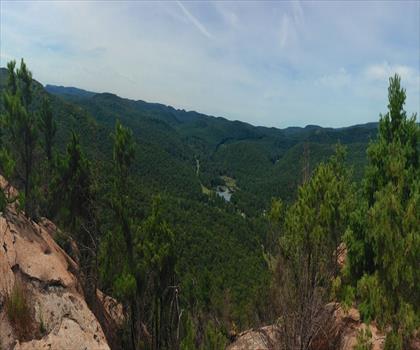
West Mountain
Hudson Valley
Witches Hole
Hudson Valley
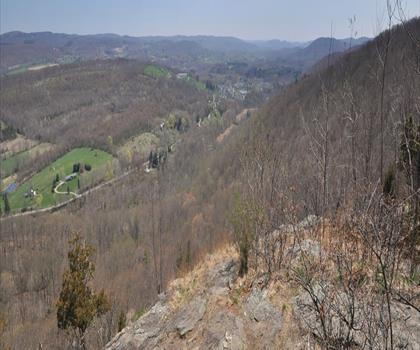
Appalachian Trail
Hudson Valley
Little Dam Lake
Hudson Valley
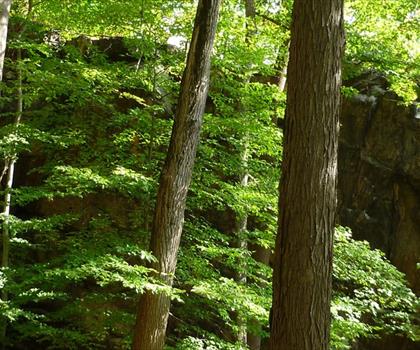
Raven's Rock
Hudson Valley
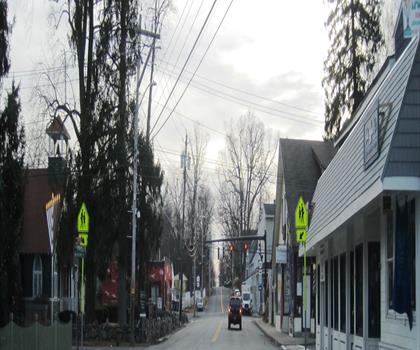
Bull Hill
Hudson Valley
Hiking near New York City
0 trails to explore ~35 km away
We work hard to provide the most up-to-date and error-free data possible. If something seems incorrect, let us know! Your contribution helps the whole community.
Hikers' opinions
Be the first to review!
No hiker has shared their experience yet. Share your impressions and help other hikers!