
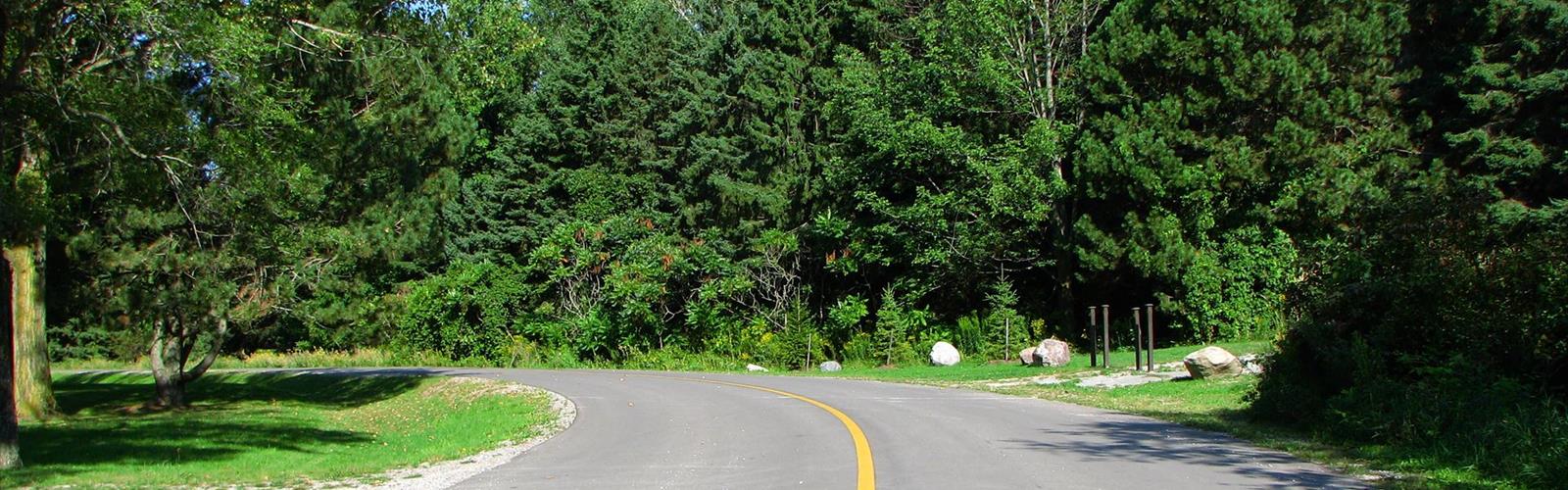

Ready to explore Darlington Provincial Park? Here's everything you need to know before you go!
Discover the trail
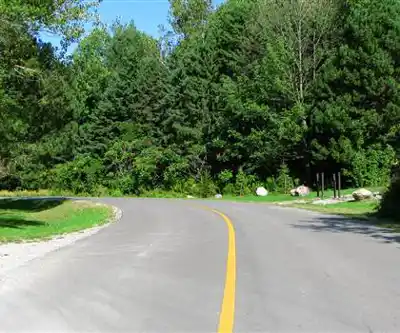
Trail description
Darlington Provincial Park sits along Lake Ontario's northern shore in Durham Region near Bowmanville, Ontario, covering 208 hectares of varied terrain that makes it one of the more interesting day-hike destinations in this part of Ontario. The park brings together dense forest, open meadows, wetlands, and sandy lakefront within a compact area — which means you can move through genuinely different environments without logging serious mileage.
What gives Darlington its character is the contrast. Much of the surrounding area has seen significant development over the decades, but the park preserves a stretch of Lake Ontario shoreline that still feels relatively intact, with a mix of Carolinian forest and wetland ecosystems that you don't find everywhere in the region. That combination creates two distinct hiking experiences depending on which trail you're on.
Trail Network
The park's trail system is straightforward to navigate, with two main routes that cover different ground and suit different moods. The overall network totals around 8 km, with an elevation gain of roughly 50 m — this is flat to gently rolling terrain throughout, making it genuinely accessible for most fitness levels. Budget about 2 hours and 15 minutes if you plan to cover the full network at a comfortable pace with stops.
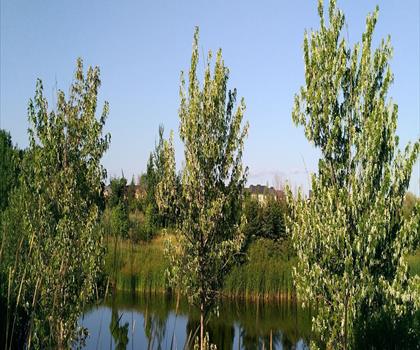
The McLaughlin Bay Trail is the park's signature route, running approximately 1.5 km along the shoreline of McLaughlin Bay. The path alternates between forested sections with solid canopy cover and open stretches where the wetlands spread out in front of you. It's well-maintained and easy to follow, though sections close to the water can get muddy after rain — waterproof footwear is worth it here, especially in spring. The bay creates a sheltered environment that draws a solid variety of bird species: great blue herons are a regular sighting, along with various duck species and seasonal migrants that use the wetlands as feeding and nesting habitat. If birdwatching is part of your plan, this trail delivers.
The Burk Trail is a 1.25 km route (30 minutes, moderate difficulty) that takes you through fields, meadows and mature forest past a pioneer cemetery to a scenic lookout over Lake Ontario. Because it's a loop, you're not retracing your steps, which keeps the experience varied. White-tailed deer and forest bird species are commonly spotted here, particularly in the quieter early morning or late afternoon hours.
Lakefront and Beach Areas
Beyond the marked trails, the sandy beach areas along Lake Ontario add another dimension to a visit. Walking the shoreline gives you a completely different perspective on the park — open sky, the expanse of the lake, and shorebirds working the water's edge. The designated swimming areas are accessible during warmer months, and the fishing areas attract anglers targeting nearshore species.
The open shoreline is also one of the better spots in the park for photography, particularly at sunrise or sunset when the light off the water is worth the effort of an early start or a later finish to your hike.
Camping and Extended Stays
Darlington's campground lets you slow down and explore the trails across different times of day rather than trying to fit everything into a single afternoon. Sites include both electrical and non-electrical options, which covers a range of camping setups. Staying overnight is particularly worthwhile if you want to catch the park's wildlife activity during dawn and dusk — those are the hours when the trails feel most alive, and when you're most likely to have them largely to yourself.
Seasonal Conditions
Each season shifts what the park offers. Spring brings wildflower blooms through the forested sections and a noticeable uptick in bird activity as migrants return to the wetlands — it's one of the better times to visit if birdwatching is a priority. The McLaughlin Bay Trail can be muddy during spring melt, so plan your footwear accordingly. Summer opens up full access to the beach and swimming areas, though the park sees more visitors during peak season. Fall changes the character of the forested sections with foliage colour, while the wetlands become active stopover points for migrating waterfowl. Winter access depends on snow conditions, but the flat terrain makes the trails manageable when conditions allow.
The generally low elevation gain across the trail network means that even in less-than-ideal conditions, most of the routes stay accessible — comfort will depend more on your gear than on the terrain itself.
The Essential Hiking Checklist
Everything you need for your next hike. Bilingual, printable, 1 page.
Get your free hiking checklistRecommended gear for this trail
As an Amazon Associate I earn from qualifying purchases.


Ready to go?
Everything you need to know before you goStarting Point
The darlington provincial park is located in Bowmanville, Ontario. To get to the start of the trails, take Highway 401 to exit 431 and go north on Highway 2. The park is located on the east side of the highway.
When?
How much?
As an Amazon Associate I earn from qualifying purchases.
Affiliate links — LGPO may earn a commission at no extra cost to you.
- Hiking shoes Essential
- → Salomon Elixir Tour Mid WP · 203.38 $
- Layered clothing Essential
- Rain jacket Essential
- Trekking poles
- → Black Diamond Trail Ergo Cork · 69.99 $
- Headlamp
- → Petzl Actik Core 625 · 103.95 $
FAQ - Frequently asked questions
Everything you need to knowSimilar hikes nearby
Discover other trails you might enjoy

North Maple Regional Park
York, Durham and Headwaters
Murphys Pinnacle, Ontario
York, Durham and Headwaters

Eldred King Woodlands
York, Durham and Headwaters

Hockley Valley
York, Durham and Headwaters
Vicki Barron Lakeside Trail
York, Durham and Headwaters
Wismer Park
York, Durham and Headwaters
Hiking near Toronto
168 trails to explore ~54 km away
We work hard to provide the most up-to-date and error-free data possible. If something seems incorrect, let us know! Your contribution helps the whole community.
Hikers' opinions
Be the first to review!
No hiker has shared their experience yet. Share your impressions and help other hikers!