
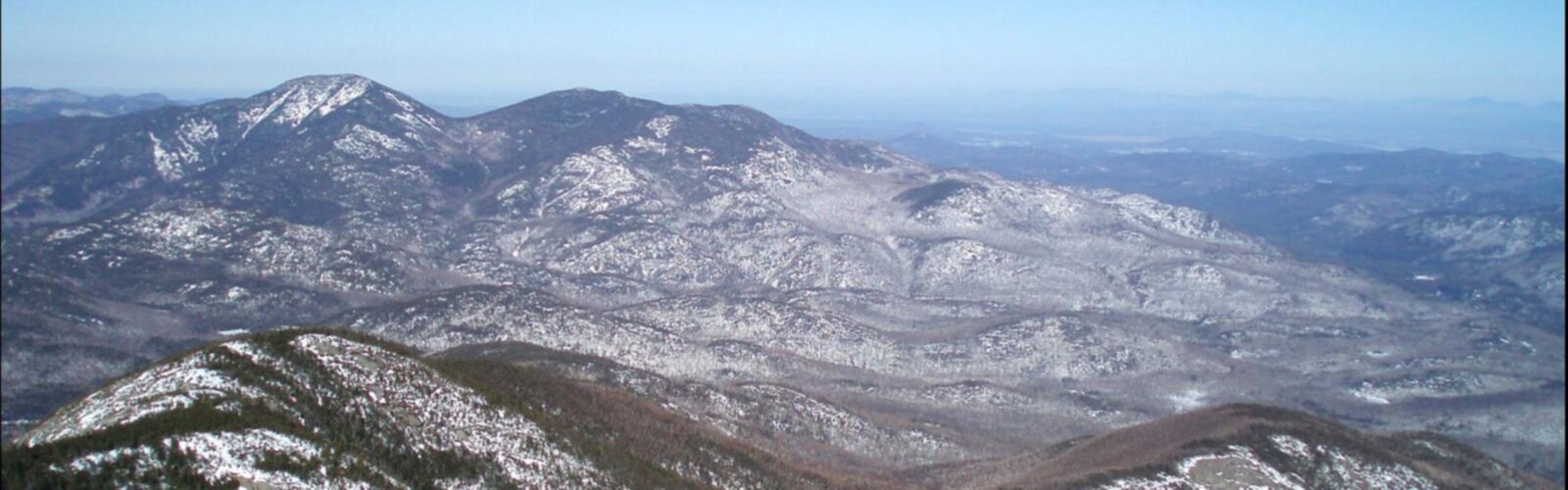

Ready to explore Dix Mountain, New York? Here's everything you need to know before you go!
Discover the trail

Trail description
Dix Mountain stands as the sixth highest peak in the Adirondack High Peaks Region, rising from the boundary between North Hudson and Keene in Essex County, New York. Named in 1837 after John Dix, who served as New York's Secretary of State and later governor, this formidable peak anchors its own wilderness area south of the main High Peaks cluster. While its remote location and challenging terrain demand more effort than many neighboring summits, Dix rewards serious hikers with spectacular panoramic views rivaling those from Mount Marcy—but with far fewer crowds sharing the experience.
The mountain serves as the gateway to the entire Dix Range, which includes four other High Peaks: Hough, Macomb, South Dix, and Grace Peak. Unlike Dix itself, these neighboring summits are officially trailless, making them true bushwhacking adventures. Ambitious peakbaggers sometimes attempt all five peaks in a single day—one of the most grueling challenges in the Adirondacks—though most hikers wisely split these ascents across multiple trips.
Trail Routes and Access
The most popular approach follows the Elk Lake Trail from the south, beginning at the Clear Pond parking area. This 25.27-kilometer round-trip journey gains 1,480 meters of elevation and typically requires 6 to 8 hours to complete. The route leads hikers along scenic Lillian Brook and Slide Brook before reaching Elk Lake Road, then continues to Elk Lake itself. From there, the trail heads toward Hunters Pass, where a spur trail branches off for the final ascent to Dix's summit.
This southern approach offers the most straightforward navigation and the most reliable trail conditions. The initial miles follow gentle terrain alongside babbling brooks, providing a pleasant warm-up before the serious climbing begins. As you approach Hunters Pass, the trail steepens considerably, demanding steady effort and sure footing, especially during wet conditions.
A less frequently used northern route starts from the Ausable Club in St. Huberts, though this approach involves significantly more distance and navigation challenges. Most hikers stick with the southern Elk Lake approach for its relative accessibility and clearer trail markers.
What to Expect on the Trail
The hike to Dix Mountain presents a serious physical challenge that separates it from more casual Adirondack adventures. The trail's "very hard" difficulty rating reflects both the substantial elevation gain and the sustained effort required over many miles of varied terrain. Early sections wind through dense forest alongside water features, creating a peaceful introduction that belies the work ahead.
As elevation increases, the forest composition shifts and the trail becomes increasingly rocky and steep. The final push to the summit tests endurance and determination, with loose rock and exposed sections requiring careful foot placement. Weather conditions can change rapidly at this elevation, making proper preparation essential regardless of the season.
The summit itself opens up dramatically after miles of enclosed forest hiking. Panoramic views stretch across the High Peaks region, offering clear sightlines to Mount Marcy and the surrounding wilderness. On clear days, hikers can identify dozens of other peaks and trace the routes of future adventures across this vast protected landscape.
Planning Your Visit
Winter conditions from December through January create ideal opportunities for experienced winter trekkers, though they also add significant technical challenges requiring specialized equipment and skills. Snow and ice transform the already demanding trail into a serious mountaineering objective that should only be attempted by properly equipped and experienced hikers.
The Clear Pond parking area provides the most convenient access to the Elk Lake trailhead, though spaces can fill quickly during peak hiking seasons. Early morning starts help secure parking and provide the full day needed for this lengthy adventure. Many hikers extend their Adirondack experience by exploring nearby attractions like Chapel Pond, Lake Placid, and Mirror Lake either before or after their Dix Mountain expedition.
Local accommodations such as Lake Inn offer packages designed for hikers, including spa services that provide welcome relief after a demanding day on the mountain. These amenities can transform a challenging hiking trip into a more complete outdoor recreation experience.
Historical Context and Significance
The mountain's first recorded ascent came during surveying work to establish town boundaries, when a surveyor named Rykert climbed to the summit in the course of his professional duties. This practical beginning reflects the peak's working relationship with the surrounding communities, even as it has evolved into a premier recreational destination.
Today, Dix Mountain holds special significance for Adirondack Forty-Sixers—hikers working to climb all peaks over 4,000 feet in the region. Its inclusion in this exclusive list ensures steady traffic from serious peakbaggers, though its remote location and demanding approach prevent the overcrowding that affects more accessible summits.
The Dix Mountain Wilderness Area designation protects not only the peak itself but the entire surrounding ecosystem, preserving the wild character that makes this such a rewarding destination for those willing to invest the necessary effort. This protection ensures that future generations will find the same challenging, pristine mountain experience that draws today's adventurous hikers to test themselves against one of the Adirondacks' most demanding peaks.
The Essential Hiking Checklist
Everything you need for your next hike. Bilingual, printable, 1 page.
Get your free hiking checklistRecommended gear for this trail
As an Amazon Associate I earn from qualifying purchases.


Ready to go?
Everything you need to know before you goStarting Point
To access the hiking trails, you can start at the Elk Lake Trailhead. The address for this trailhead is Elk Lake Road, North Hudson, NY 12855. From I-87 (the Adirondack Northway), take Exit 29 and head west on Blue Ridge Road (County Route 84) for about 4 miles. Turn right onto Elk Lake Road and continue for approximately 5 miles until you reach the parking area near Elk Lake Lodge. Note that parking is limited and fills up quickly, especially during peak hiking seasons.
When?
How much?
As an Amazon Associate I earn from qualifying purchases.
Affiliate links — LGPO may earn a commission at no extra cost to you.
- Hiking shoes Essential
- → Salomon Elixir Tour Mid WP · 203.38 $
- Layered clothing Essential
- Rain jacket Essential
- Trekking poles
- → Black Diamond Trail Ergo Cork · 69.99 $
- Headlamp
- → Petzl Actik Core 625 · 103.95 $
FAQ - Frequently asked questions
Everything you need to knowSimilar hikes nearby
Discover other trails you might enjoy

Algonquin Peak, New York
Adirondacks

Big Slide Mountain, New York
Adirondacks

Boundary Peak, New York
Adirondacks
Crane Mountain
Adirondacks
Avalanche Pass
Adirondacks
Ampersand Mountain, New York
Adirondacks
Hiking near Lake Placid
0 trails to explore ~27 km away
We work hard to provide the most up-to-date and error-free data possible. If something seems incorrect, let us know! Your contribution helps the whole community.
Hikers' opinions
Be the first to review!
No hiker has shared their experience yet. Share your impressions and help other hikers!