
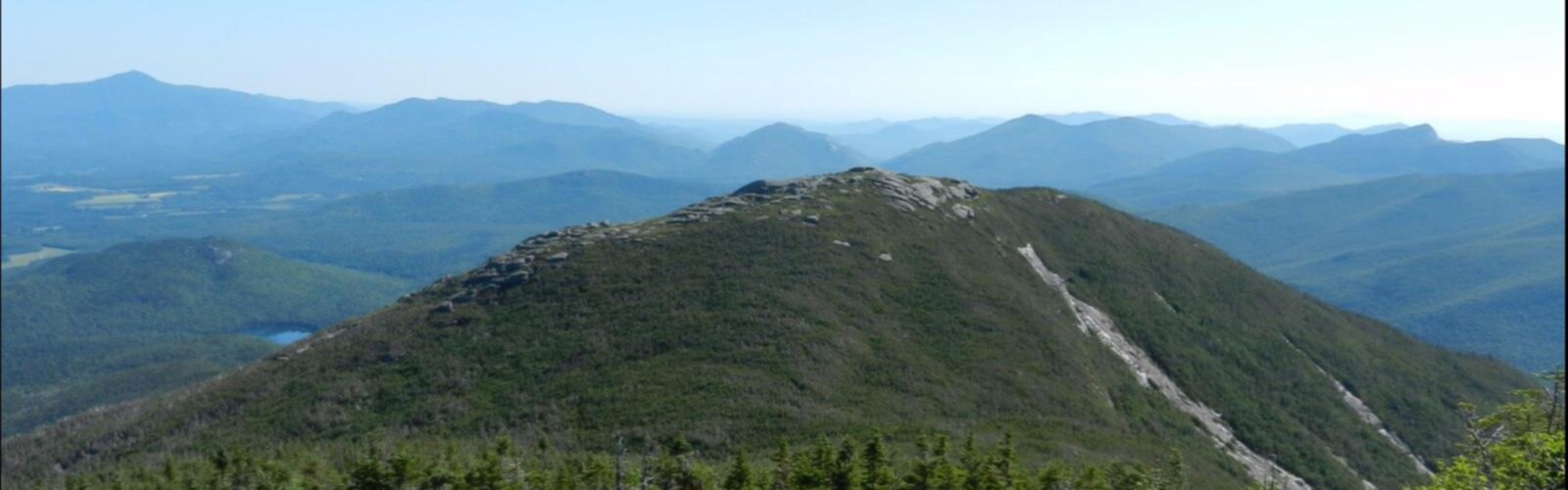

Ready to explore Algonquin Peak, New York? Here's everything you need to know before you go!
Discover the trail
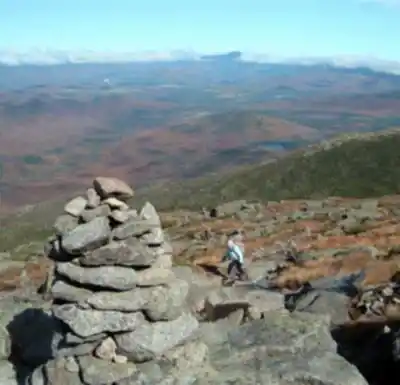
Available trails
| TrailTrails | Dist.Distance | GainElevation | TimeDuration | Difficulty | GPX |
|---|---|---|---|---|---|
|
|
12.82 km | — | 3h | GPX |
GPX track: © OpenStreetMap contributors — ODbL 1.0
Trail description
Algonquin Peak stands as New York's second-highest mountain and one of the most challenging and rewarding climbs in the Adirondack High Peaks. Located in the MacIntyre Range within the town of North Elba, Essex County, this 4,867-foot summit offers an alpine experience that rivals any peak in the Northeast. The mountain's name reflects its historical significance, reportedly marking the boundary between Algonquian and Iroquois territories in centuries past.
What sets Algonquin apart from other High Peaks is its steep, unrelenting ascent that packs nearly as much vertical gain as nearby Mount Marcy into a significantly shorter distance. The 13.36-kilometer round trip involves 1,559 meters of elevation gain, making this a very hard hike that typically takes 8 to 10 hours to complete. The mountain's reputation for being steeper than Marcy is well-earned—you'll feel every meter of that climb.
The Standard Route
Most hikers approach Algonquin from the popular Adirondak Loj trailhead near Heart Lake, just outside Lake Placid. This access point makes the peak achievable as a challenging day trip for well-prepared hikers. The route begins on the blue-blazed Van Hoevenberg Trail, following it for 0.9 miles through mixed forest before reaching the junction with the yellow-blazed MacIntyre Range Trail.
The real work begins once you turn onto the MacIntyre Range Trail for the remaining 3.1 miles to the summit. The trail becomes progressively steeper and more technical as you ascend, transitioning from forest paths to increasingly rocky terrain. You'll encounter numerous steep rock chutes known as "slides"—exposed bedrock sections carved by water and weather that require careful footing and steady nerves. These slides become more frequent and challenging as you approach the alpine zone.
The final approach to the summit takes you above treeline into true alpine terrain, where the landscape transforms dramatically. Stunted vegetation gives way to exposed rock and hardy alpine plants that have adapted to the harsh conditions. The summit itself offers commanding 360-degree views of the surrounding High Peaks, including nearby Wright Peak, Mount Marcy, and the Great Range stretching to the east.
Alternative Access
For experienced hikers seeking a more remote and challenging approach, the Boundary Trail from Lake Colden provides a steep, narrow 2.1-mile route to the summit from the southeast. This trail demands serious consideration before attempting—poor markings combined with steep, slippery slides formed by stream erosion make navigation and footing treacherous. The route is significantly more dangerous than the standard approach and should only be attempted by confident hikers with strong navigation skills.
Summit Regulations and Conservation
Algonquin's popularity has created conservation challenges that directly affect your hiking experience. The fragile alpine ecosystem above treeline has suffered damage from the large numbers of visitors, prompting strict regulations that all hikers must follow. You'll be required to sign in at the trailhead—this isn't just bureaucracy, but an important safety and conservation measure.
Dogs are permitted on the trail but must remain leashed at all times to protect both the sensitive vegetation and wildlife. On busy days, you'll encounter Summit Stewards who serve dual roles: educating hikers about the unique alpine ecosystem and ensuring compliance with regulations designed to protect it. These stewards provide valuable insights into the rare plants and harsh conditions that define this alpine environment.
The summit's exposed bedrock and scattered alpine vegetation require careful foot placement. Stay on designated paths and avoid trampling the low-growing plants that may take decades to recover from damage. The alpine zone you'll experience represents one of the southernmost examples of this ecosystem type in eastern North America.
What to Expect
The hike's difficulty comes not just from the elevation gain but from the sustained steepness and technical terrain. Early sections through mixed hardwood and coniferous forest provide relatively gentle warm-up hiking, but once you're committed to the MacIntyre Range Trail, there's little respite from the climbing. The rock slides that characterize the upper mountain require both physical strength and mental focus—wet conditions make these sections particularly challenging.
Weather can change rapidly above treeline, and the exposed summit offers no shelter from wind, rain, or sudden temperature drops. The alpine zone's harsh conditions mean that even in summer, you may encounter surprisingly cold temperatures and strong winds. Winter conditions can persist well into spring and return early in fall at this elevation.
Nearby Attractions
The journey along Adirondack Loj Road offers opportunities to explore additional natural features that complement your Algonquin adventure. Marcy Dam, accessible via a shorter hike from the same trailhead, provides a more moderate option for less experienced hikers or those seeking a recovery day after tackling Algonquin. The dam site offers views of the High Peaks and serves as a popular camping area for those planning multi-day adventures.
Lake Colden, reachable through various trail combinations, presents another scenic destination that showcases the Adirondacks' pristine lake country. These areas provide serene contrast to Algonquin's demanding alpine environment and can easily be incorporated into extended trips to the region.
For hikers interested in exploring beyond the immediate MacIntyre Range, the extensive trail network radiating from the Adirondak Loj area connects to numerous other High Peaks and backcountry destinations. The Algonquin Trail system links to routes throughout this section of the Adirondack Park, offering everything from day hikes to multi-day wilderness expeditions that highlight New York State's most significant natural heritage area.
Services and amenities
This information may vary by season.
The Essential Hiking Checklist
Everything you need for your next hike. Bilingual, printable, 1 page.
Get your free hiking checklistRecommended gear for this trail
As an Amazon Associate I earn from qualifying purchases.


Ready to go?
Everything you need to know before you goStarting Point
To access the hiking trails, you can start at the Adirondak Loj parking area. The address is 1002 Adirondack Loj Road, Lake Placid, NY 12946. This is a popular starting point for many hikes in the area. Another option is to begin from the Upper Works Trailhead, located at the end of Upper Works Road in Newcomb, NY. Both trailheads provide access to various routes leading to your destination.
When?
How much?
As an Amazon Associate I earn from qualifying purchases.
Affiliate links — LGPO may earn a commission at no extra cost to you.
- Hiking shoes Essential
- → Salomon Elixir Tour Mid WP · 203.38 $
- Layered clothing Essential
- Rain jacket Essential
- Trekking poles
- → Black Diamond Trail Ergo Cork · 69.99 $
- Headlamp
- → Petzl Actik Core 625 · 103.95 $
FAQ - Frequently asked questions
Everything you need to knowAlternatives and suggestions
Similar hikes nearby
Discover other trails you might enjoy

Big Slide Mountain, New York
Adirondacks
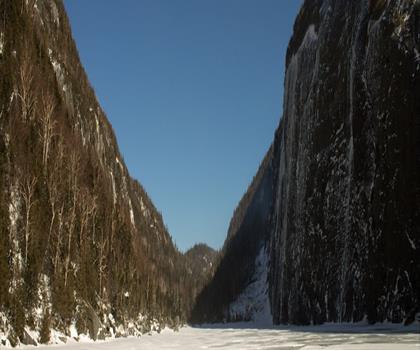
Avalanche Pass
Adirondacks
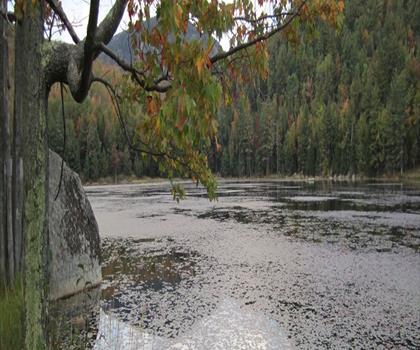
Crane Mountain
Adirondacks

Boundary Peak, New York
Adirondacks
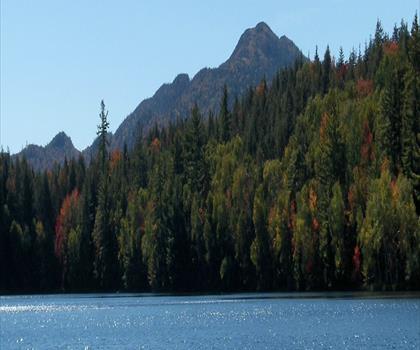
Ampersand Mountain, New York
Adirondacks
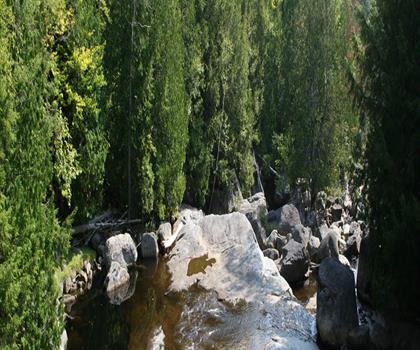
Round Pond
Adirondacks
Hiking near Lake Placid
0 trails to explore ~16 km away
We work hard to provide the most up-to-date and error-free data possible. If something seems incorrect, let us know! Your contribution helps the whole community.
Hikers' opinions
Be the first to review!
No hiker has shared their experience yet. Share your impressions and help other hikers!