Drive ≈ 7 min Walk 1 hr 15 min
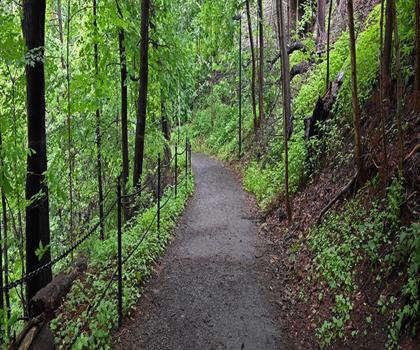
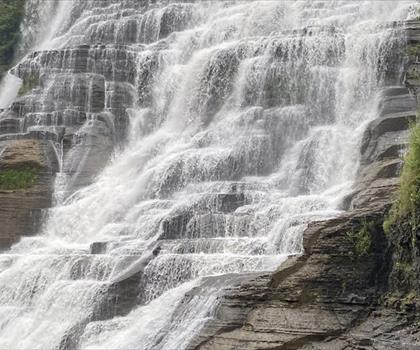
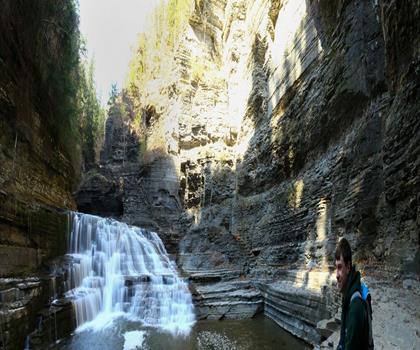
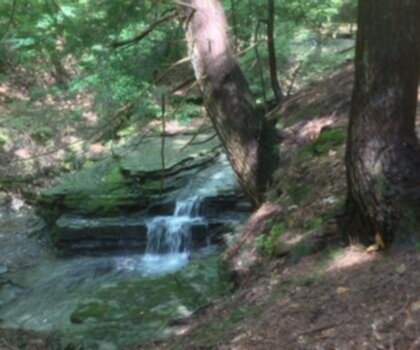
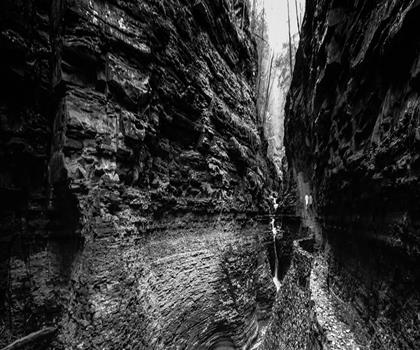
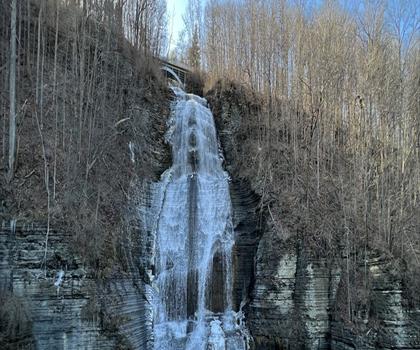
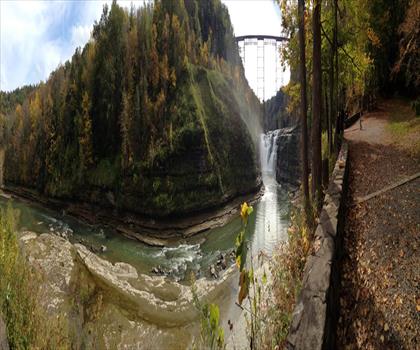
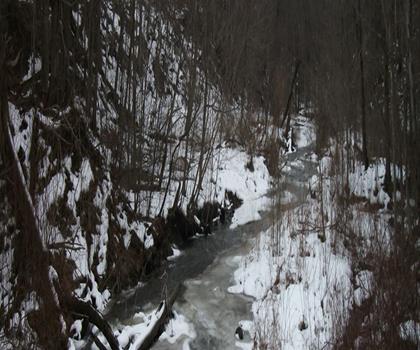
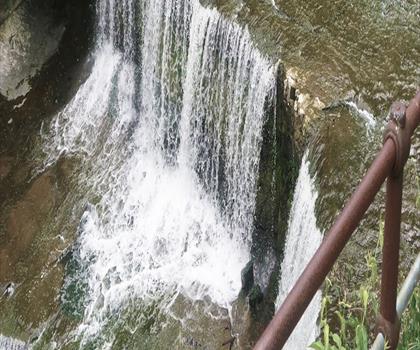
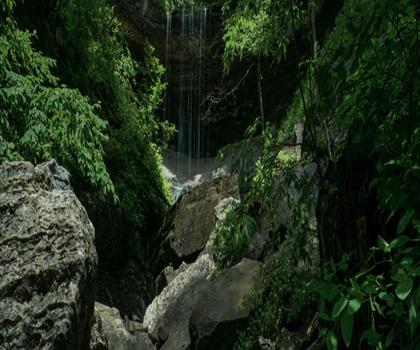
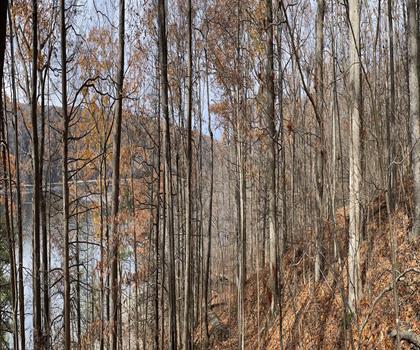
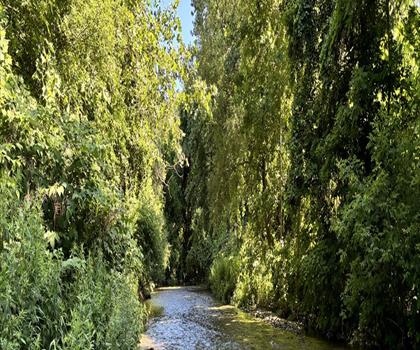
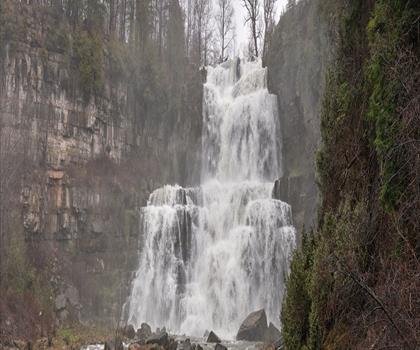
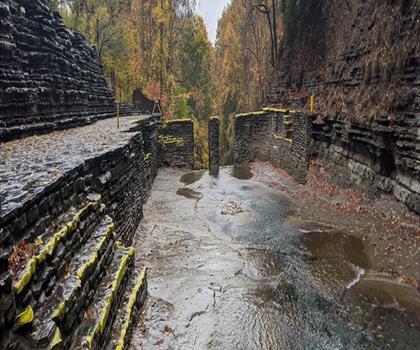
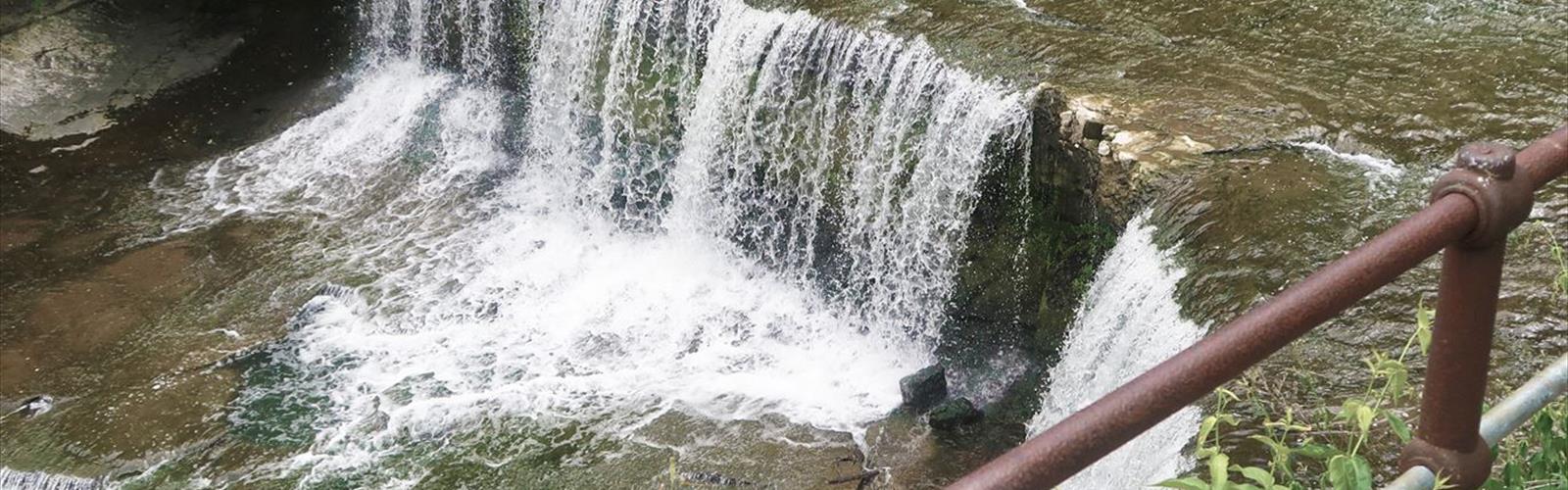
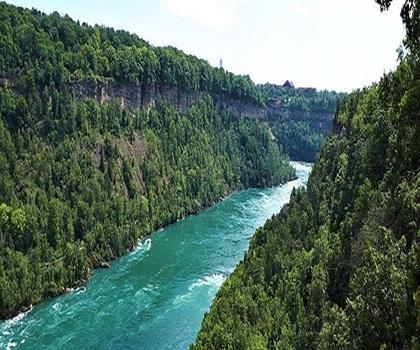
Experience the dramatic cascading waterfall of Lick Brook Gorge in New York's Finger Lakes region with 122 m of elevation gain.
Dog rules: check the trail page
See the trailor pick your starting city — the number is how many trails we list.
Pick your drive. Save time for the trail.
72 trails within 2 hr of Ithaca by car. Compare the drive, the walking time and the level to choose your next outing.
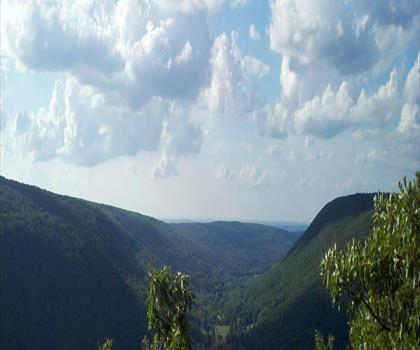
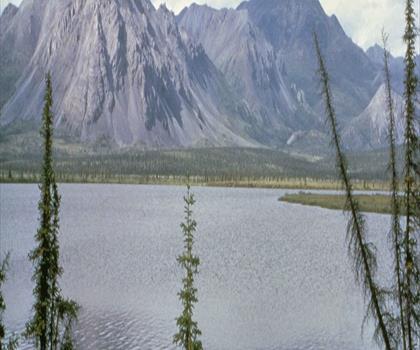
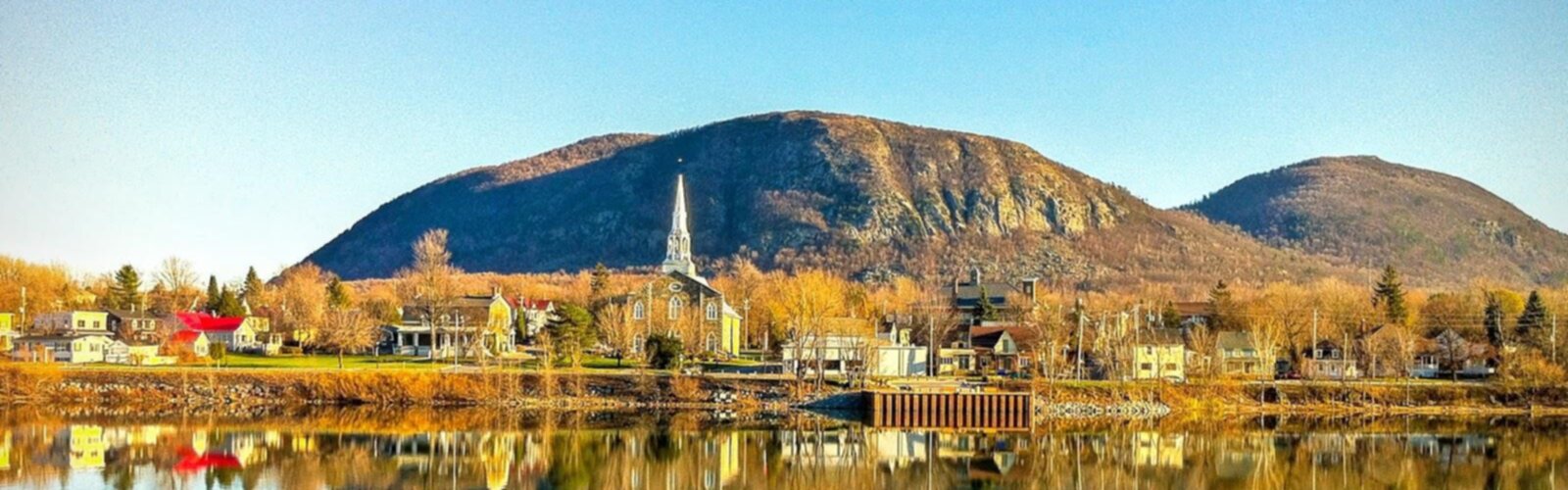
Photo : Virgil Mountain, New York
Drive times are estimates (≈) from the city centre, as the crow flies. Walking time comes from the trail page when it has one; a walking filter hides trails without a duration.
Drive ≈ 7 min Walk 1 hr 15 min
Experience the dramatic cascading waterfall of Lick Brook Gorge in New York's Finger Lakes region with 122 m of elevation gain.
Dog rules: check the trail page
See the trailDrive ≈ 37 min Walk 2 hr 15 min
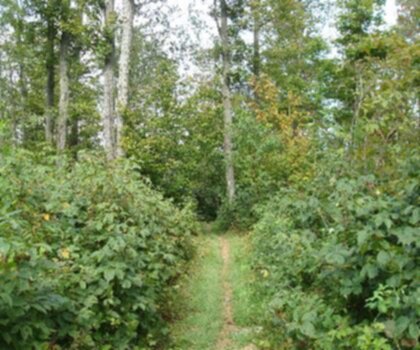
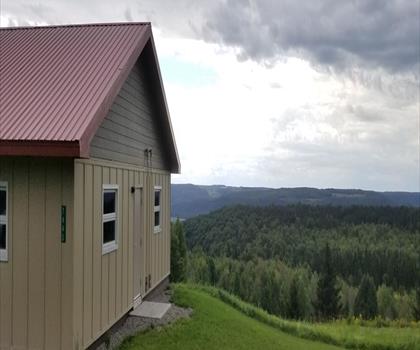
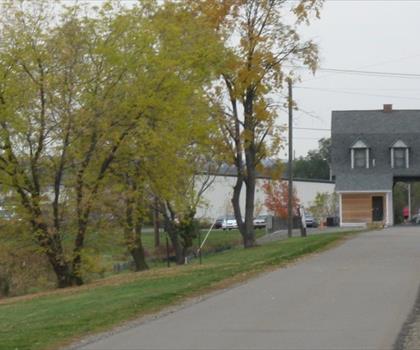
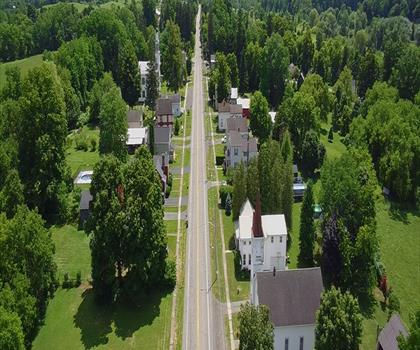
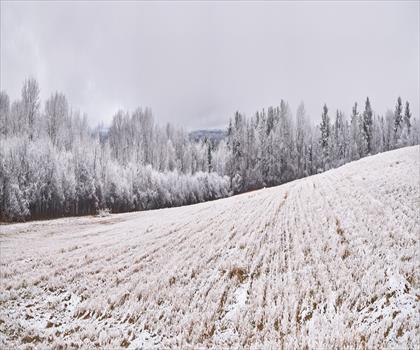
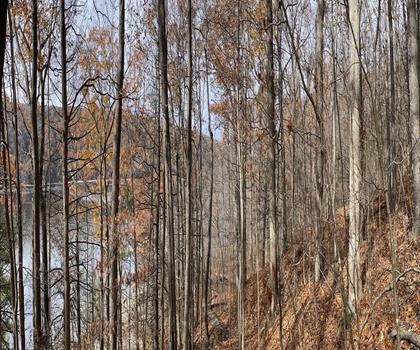
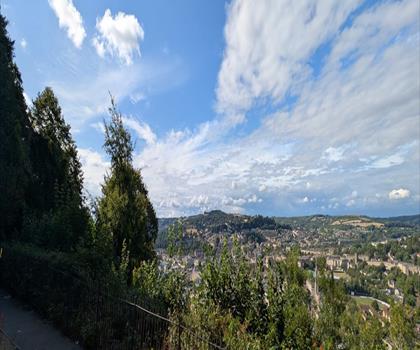
One of Cortland County's highest peaks, this 7.7 km moderate trail climbs 650 m through the Finger Lakes region's largest state…
Dog rules: check the trail page
See the trailDrive ≈ 1 hr 40 min Walk 2 hr 45 min
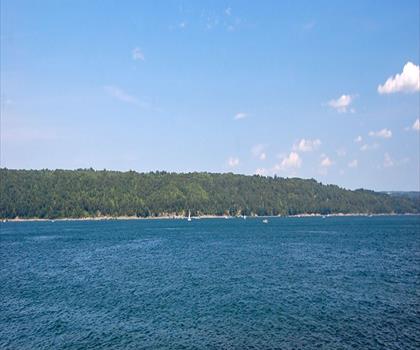
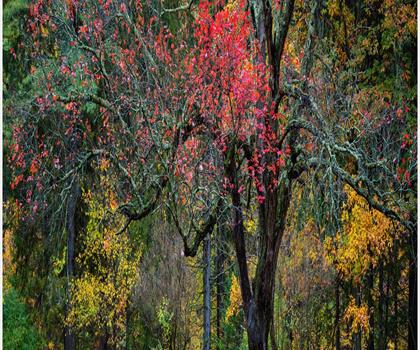
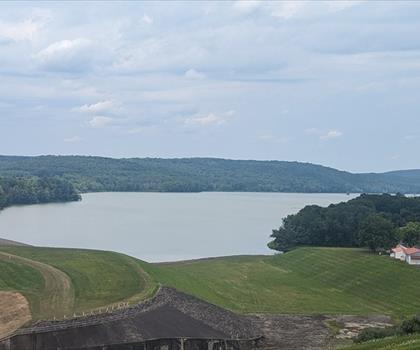
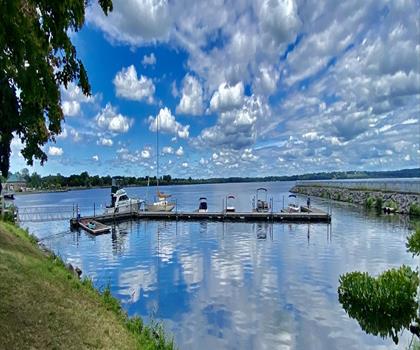
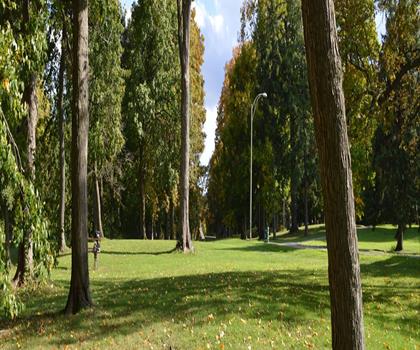
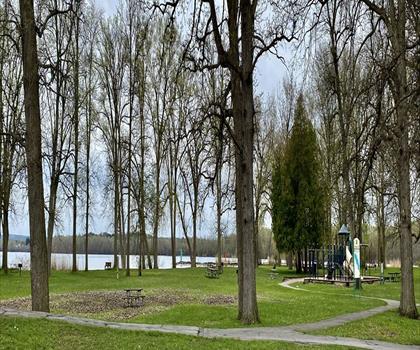
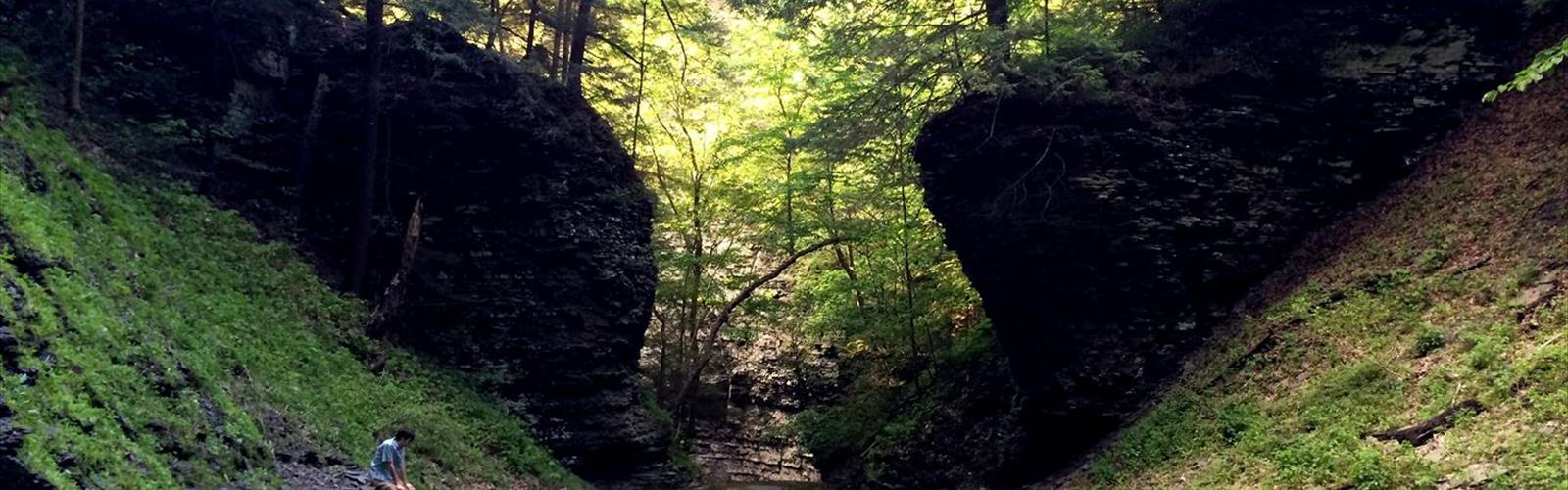
This easy 3.2 km trail in New York's Finger Lakes region features panoramic views of rolling hills and sparkling lakes from…
Dog rules: check the trail page
See the trailFinger Lakes
Drive ≈ 37 min Walk 3 hr 15 min
Level: Easy
Leatherstocking Region
Drive ≈ 1 hr 31 min Walk 1 hr 30 min
Level: Easy
Leatherstocking Region
Drive ≈ 1 hr 37 min Walk 45 min
Level: Easy Dogs allowed
Thousand Islands-Seaway
Drive ≈ 1 hr 51 min Walk 4 hr 30 min
Level: Moderate
No trail matches these filters. Widen the drive or remove a filter.
Think about the way back, the breaks and the parking.
Opening hours, parking and access conditions can change with the season.
Changing weather can make some trails harder.
Match the length and the level to your group and the time you have.
Without a car, an outing takes more planning. Some destinations near Ithaca may be served by public transit, but none of our trail pages lists it yet.
Check schedules and the last return trip with the transit agency before you go.
See the frequently asked questionsSpring
Spring hiking around Ithaca typically begins in late April when snow melts and trails become accessible, though mud season can make some paths challenging.
The Finger Lakes region comes alive with wildflowers and waterfalls are at their most impressive from snowmelt. Bring waterproof boots and dress in layers as temperatures can range from 40-70°F with frequent rain showers.
Summer
Summer offers the best hiking conditions near Ithaca with warm temperatures averaging 70-80°F and long daylight hours extending until 8 PM.
The gorges and state parks around the Finger Lakes provide excellent shade and cooling water features during hot days. Start early morning hikes to avoid afternoon thunderstorms and bring plenty of water and insect repellent.
Fall
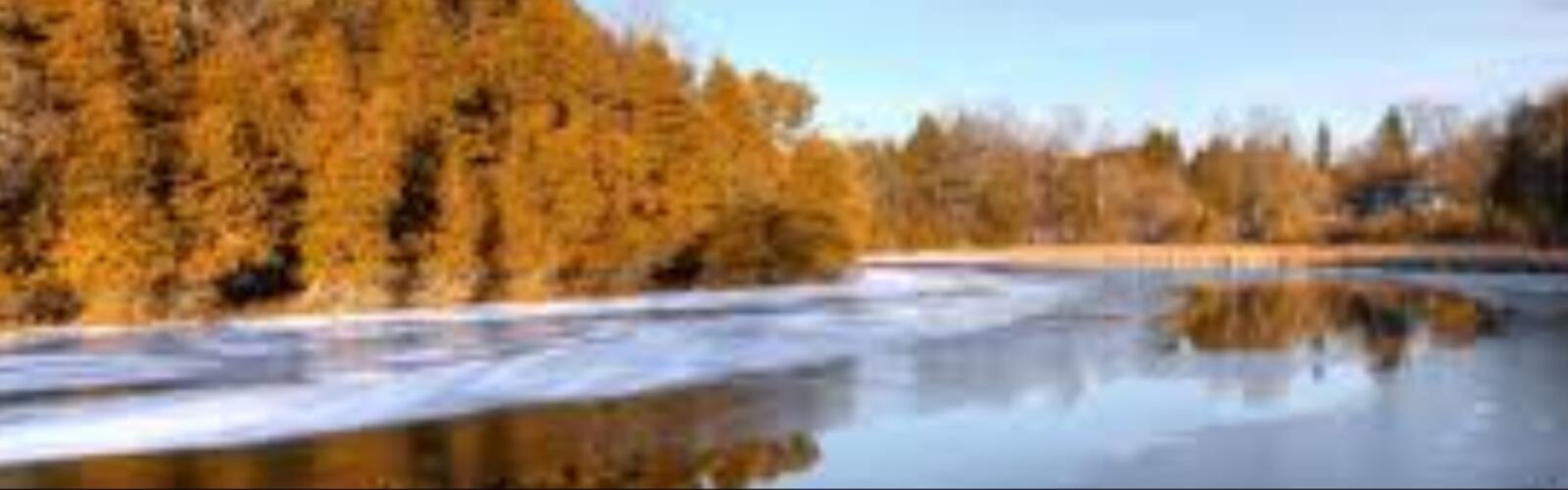
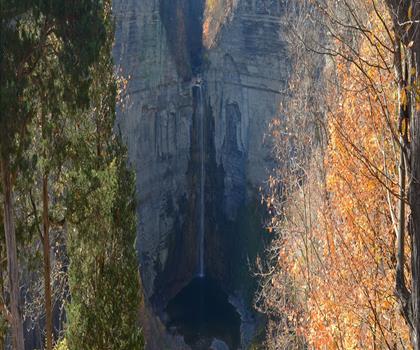
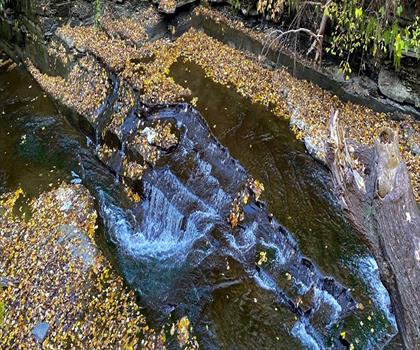
Fall is spectacular for hiking around Ithaca, typically peaking in early to mid-October when the hardwood forests display brilliant reds, oranges, and yellows.
Temperatures range from 45-65°F making for comfortable hiking conditions, though daylight hours shorten significantly. Pack warm layers for temperature drops and be prepared for wet leaves that can make trails slippery.
Winter
Winter hiking near Ithaca requires preparation for snow, ice, and temperatures often below freezing from December through March.
Many trails become suitable for snowshoeing or cross-country skiing when snow accumulation allows. Microspikes or crampons are essential for icy conditions, and shorter daylight hours mean planning hikes to finish well before the 5 PM sunset.
You can hike near Ithaca in several beautiful locations including Buttermilk Falls State Park, Robert H. Treman State Park, and Taughannock Falls State Park. The Finger Lakes region surrounding Ithaca offers numerous gorge trails, waterfall hikes, and scenic overlooks within a short drive of the city.
The best hiking trails near Ithaca include the Gorge Trail at Taughannock Falls State Park, the Rim Trail at Buttermilk Falls State Park, and the Gorge Trail at Robert H. Treman State Park. These trails showcase the area's famous waterfalls and dramatic gorge landscapes that make the Finger Lakes region a premier hiking destination.
Yes, there are several easy hikes near Ithaca perfect for beginners and families. Many of the gorge trails in local state parks offer relatively flat, well-maintained paths that lead to spectacular waterfalls. The lower sections of trails at Buttermilk Falls and Taughannock Falls provide accessible hiking options with minimal elevation gain.
The best seasons for hiking near Ithaca are late spring through early fall (May through October) when trails are most accessible and waterfalls are flowing well. Fall offers spectacular foliage colors, while spring provides the highest water flow for the area's famous waterfalls.
Yes, Ithaca offers excellent family-friendly hiking opportunities with well-maintained trails and stunning natural attractions. Many state parks near Ithaca feature easy gorge trails, picnic areas, and educational signage that make them perfect for hiking with children.
You can hike for free near Ithaca at several locations including Cornell University's campus trails and some sections of the Finger Lakes Trail. While many of the premier hiking spots are in state parks that charge entrance fees, there are free alternatives available for budget-conscious hikers.
Several parks near Ithaca offer excellent hiking trails including Buttermilk Falls State Park, Robert H. Treman State Park, and Taughannock Falls State Park. These New York State Parks are located within a short drive of Ithaca and feature the region's signature gorge and waterfall trails.
Free guide: 25 hikes under 2 hours from Montreal
Distance, elevation, parking and season for each one. The ones we go back to ourselves.
Get the guide