


Ready to explore Erie Canal Park? Here's everything you need to know before you go!
Discover the trail

Trail description
Erie Canal Park in New York's Finger Lakes region offers hikers a unique blend of natural beauty and American history along the historic Erie Canalway Trail. This 16-kilometer trail system provides an accessible outdoor experience with minimal elevation gain of just 10 meters, making it perfect for hikers of all abilities who want to explore at a leisurely pace over 3 to 4 hours.
Trail Experience and Terrain
The well-maintained trails at Erie Canal Park wind through diverse landscapes that showcase the region's natural character. You'll walk alongside tranquil waterways where the gentle sound of flowing water accompanies your steps, cross charming bridges that offer elevated views of the surrounding area, and pass through lush forests that provide welcome shade during warmer months. The relatively flat terrain follows the historic canal route, creating an easy walking surface that allows you to focus on the scenery rather than challenging climbs.
The trail system caters to different preferences and time constraints. Whether you're planning a full day exploration of the entire route or prefer shorter segments, the multiple access points and interconnected paths let you customize your hiking experience. The gentle grade and wide, stable trail surface make this an excellent choice for families, older hikers, or anyone recovering from injury who still wants to enjoy substantial time outdoors.
Historical Significance
Walking through Erie Canal Park means following in the footsteps of 19th-century history. The trail traces the route of the original Erie Canal, which served as a vital commercial waterway connecting Lake Erie in Buffalo to Albany on the Hudson River. This engineering marvel transformed trade and transportation across New York State, and interpretive signs along the trail provide fascinating insights into how the canal shaped the region's development.
The historical context adds depth to your hiking experience as you imagine the bustling activity that once filled these now-peaceful corridors. The canal's impact on American expansion and commerce becomes tangible as you walk the same route that freight boats and passengers traveled nearly two centuries ago.
Notable Landmarks and Nearby Attractions
The Nine Mile Creek Aqueduct near Camillus represents one of the trail's engineering highlights. This impressive stone structure demonstrates the sophisticated construction techniques used to carry the canal over natural waterways. The aqueduct provides an excellent photo opportunity and a chance to appreciate the scale of the original canal project.
Erie Canal Village in Canastota lies just a short drive from the park and offers historical exhibits that complement your trail experience. Here you can explore authentic buildings and learn about daily life during the canal's heyday. The Old Erie Canal State Historic Park provides additional opportunities to explore canal history while enjoying scenic views from different vantage points.
For those interested in how waterway transportation has evolved, the modern Barge Canal system showcases contemporary engineering approaches to moving goods by water. This contrast between old and new transportation methods adds another layer of interest to your visit.
Wildlife and Natural Features
Erie Canal Park supports diverse wildlife populations that make each hike a potential nature watching adventure. Songbirds are abundant throughout the forested sections, with species varying by season as migrants pass through the region. White-tailed deer frequently graze in the open meadows, particularly during early morning and evening hours when they're most active.
The waterway environments attract waterfowl, herons, and other birds that depend on aquatic habitats. Bringing binoculars enhances your ability to observe wildlife behavior and identify different species. The park's peaceful atmosphere and minimal elevation changes mean you can move quietly and increase your chances of wildlife encounters.
The trail's proximity to water creates microclimates that support varied plant communities. Spring brings wildflower displays along the trail edges, while the mixed forest canopy provides habitat for numerous bird species and small mammals.
Seasonal Considerations
Each season transforms Erie Canal Park's character and hiking experience. Spring wildflowers create colorful displays along the trail margins, and migrating birds add activity and sound to the forest areas. The moderate temperatures make spring ideal for longer hikes when you want to cover the full distance.
Summer brings lush greenery and full forest canopies that provide cooling shade along most of the route. The waterways offer visual relief and slightly cooler temperatures, though you should carry extra water during hot weather since the flat terrain can be deceptively demanding in high temperatures.
Fall transforms the landscape into vibrant displays of red, orange, and yellow foliage. The deciduous forests create spectacular color shows that peak at different times depending on weather patterns, typically reaching maximum intensity in early to mid-October.
Winter opens up different recreational possibilities when snow covers the trails. The flat, wide paths become excellent routes for snowshoeing or cross-country skiing. The bare trees reveal landscape features hidden during leafy seasons, and the quiet winter atmosphere emphasizes the historical solitude of the canal route.
Planning Your Visit
Erie Canal Park's location in the Finger Lakes region makes it easily accessible for day trips or weekend getaways. The multiple access points mean you can start your hike from various locations depending on your preferred route and available time. Comfortable hiking shoes provide adequate support for the well-maintained trail surfaces, though waterproof footwear can be helpful during wet seasons or early morning when dew is heavy.
Pack plenty of water for your 3 to 4-hour journey, especially during warmer months when the open sections offer limited shade. Snacks help maintain energy levels during longer explorations, and a camera captures both wildlife moments and historical features along the route. The National Park Service manages this section of the historic waterway, ensuring consistent trail maintenance and interpretive resources that enhance your hiking experience.
The Essential Hiking Checklist
Everything you need for your next hike. Bilingual, printable, 1 page.
Get your free hiking checklistRecommended gear for this trail
As an Amazon Associate I earn from qualifying purchases.


Ready to go?
Everything you need to know before you goStarting Point
The erie canal park is located in the town of Camillus, which is about 15 miles west of Syracuse. From Syracuse, take I-690 west to exit 6 (Route 5). Take Route 5 south for about 4 miles to the park entrance on the left.
When?
How much?
As an Amazon Associate I earn from qualifying purchases.
Affiliate links — LGPO may earn a commission at no extra cost to you.
- Hiking shoes Essential
- → Salomon Elixir Tour Mid WP · 203.38 $
- Layered clothing Essential
- Rain jacket Essential
- Trekking poles
- → Black Diamond Trail Ergo Cork · 69.99 $
- Headlamp
- → Petzl Actik Core 625 · 103.95 $
FAQ - Frequently asked questions
Everything you need to knowSimilar hikes nearby
Discover other trails you might enjoy
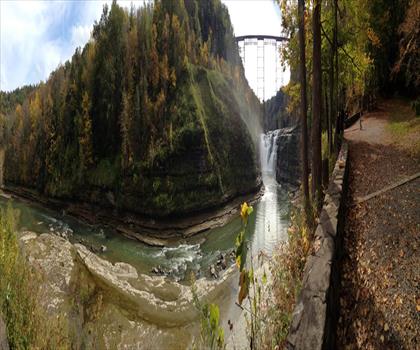
Gorge Trail
Finger Lakes
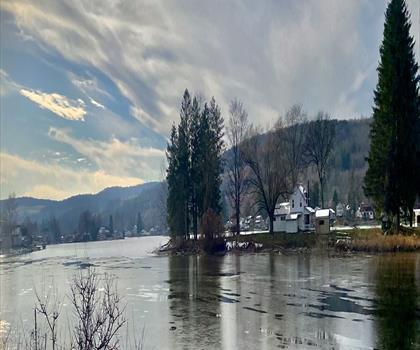
Lower Little York Lake
Finger Lakes
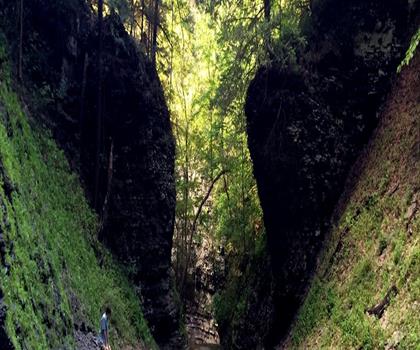
Waterfall on Lick Brook
Finger Lakes
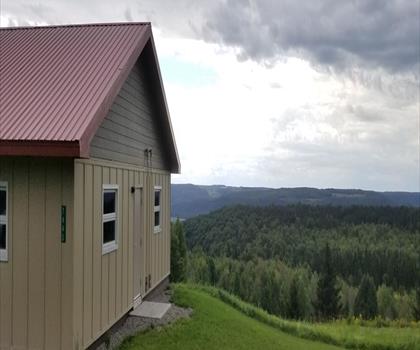
Tracy Lake
Finger Lakes
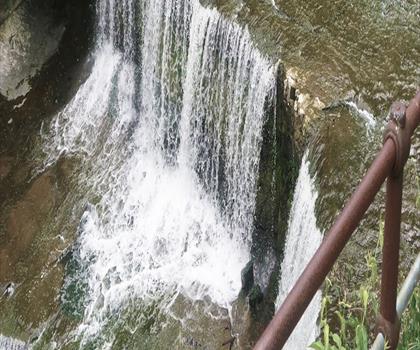
Seneca Mills Falls
Finger Lakes
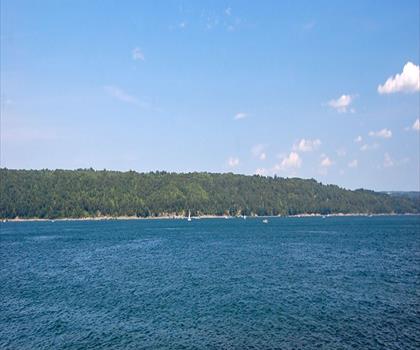
Ludlowville Park
Finger Lakes
Hiking near Syracuse
0 trails to explore ~13 km away
We work hard to provide the most up-to-date and error-free data possible. If something seems incorrect, let us know! Your contribution helps the whole community.
Hikers' opinions
Be the first to review!
No hiker has shared their experience yet. Share your impressions and help other hikers!