

Ready to explore Stony Brook State Park? Here's everything you need to know before you go!
Discover the trail
Trail description
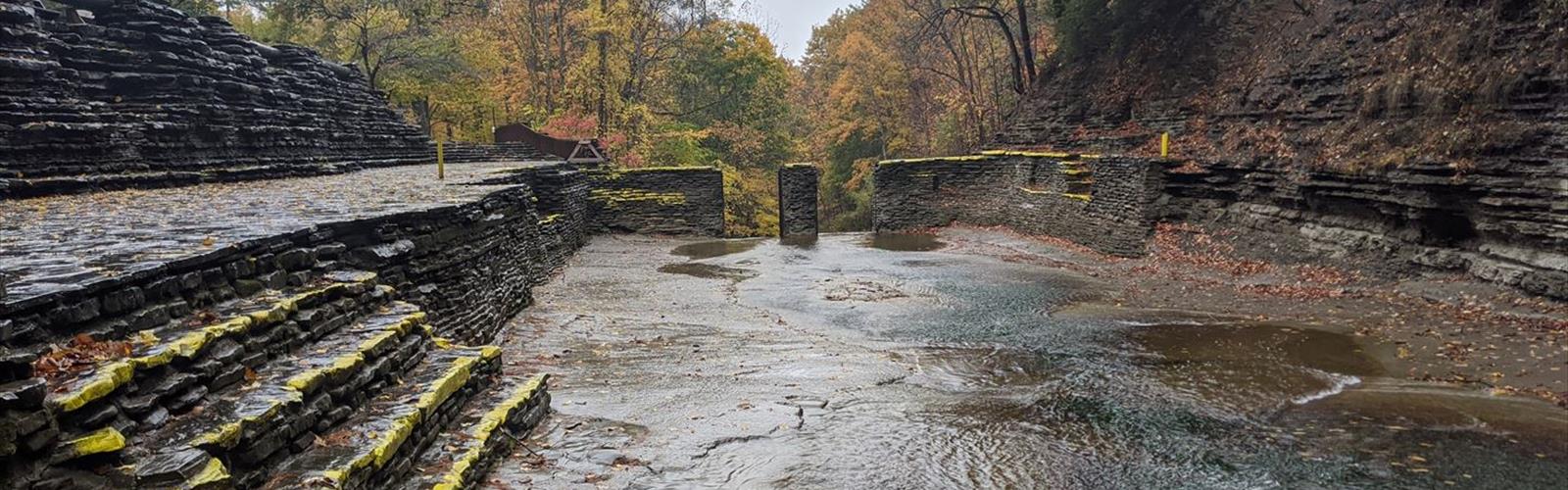
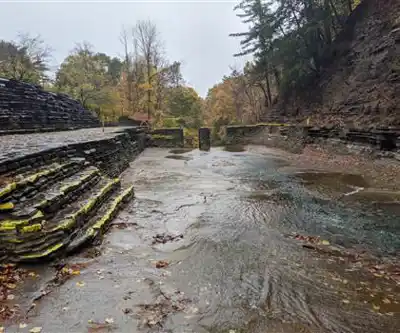
Stony Brook State Park sits in the heart of New York's Finger Lakes region, offering one of the area's most rewarding gorge hiking experiences. This park centers around a dramatic limestone gorge carved by Stony Brook over thousands of years, creating a natural corridor lined with waterfalls, deep pools, and towering rock walls that provide cool shade even on hot summer days.
The park's main attraction is its gorge trail, a well-maintained path that follows the creek upstream through the canyon. As you hike along the stone and wooden walkways, you'll encounter three major waterfalls along with numerous smaller cascades that tumble over limestone ledges. The sound of rushing water accompanies you throughout the journey, creating a natural soundtrack that drowns out any outside noise. The geological formations here tell the story of ancient sea beds, with visible fossil remains embedded in the rock faces that fascinate both casual hikers and serious geology enthusiasts.
The gorge trail itself winds through dense forest cover, primarily hardwoods that create a vibrant canopy in fall and provide welcome shade in summer. The path alternates between level creek-side walking and moderate climbs around rocky obstacles, with stone steps and railings installed where needed. Expect to get close to the water—the trail crosses the creek multiple times via sturdy bridges, and mist from the waterfalls often reaches the walkway.
Trail System and Access
The park offers access through both a South Entrance and North Entrance, giving hikers flexibility in planning their route. The East Rim Trail provides an alternative perspective of the gorge from above, offering overlook points where you can peer down into the canyon and appreciate the full scale of the geological formations. This rim trail connects with the main gorge trail, allowing for loop hikes that showcase different viewpoints of the same dramatic landscape.
Most visitors spend 2 to 3 hours exploring the trail system, though photographers and those who enjoy lingering at the waterfalls often extend their visit. The main gorge trail covers the most spectacular scenery in about a mile of walking, but the terrain requires attention—wet rocks and uneven surfaces demand proper footwear and careful footing.
Historical Context
The park's development traces back to the Great Depression era when the Works Progress Administration and Civilian Conservation Corps transformed this natural gorge into an accessible state park. These programs, which also developed nearby attractions like Watkins Glen State Park and Letchworth State Park, built the stone pathways, bridges, and facilities that still serve visitors today. The craftsmanship of these Depression-era projects is evident in the carefully fitted stone work that blends seamlessly with the natural rock formations.
This historical development effort extended throughout Western New York and Steuben County, creating a network of parks that showcase the region's diverse geological features. Stony Brook represents one of the finest examples of how human engineering can enhance access to natural beauty without overwhelming the landscape itself.
Beyond the Gorge
While the gorge trail draws most attention, Stony Brook State Park offers additional amenities that extend its appeal beyond serious hikers. The park maintains picnic areas situated in groves away from the main trail, providing peaceful spots for meals surrounded by mature forest. These areas work well for families who want to combine hiking with relaxation.
During warmer months, the park operates a swimming pool, offering a refreshing alternative to the cold creek water. This facility particularly appeals to families with children who may find the gorge trail challenging or who simply want to cool off after exploring the canyon. The pool area includes changing facilities and represents a practical addition for day-long visits.
The park supports diverse wildlife typical of the Finger Lakes region's mixed hardwood forests. Visitors commonly spot various bird species, small mammals, and the occasional deer, particularly during early morning or late afternoon visits when animal activity peaks.
Regional Context
Stony Brook State Park fits into a broader network of natural attractions throughout the Finger Lakes region. While it shares the gorge and waterfall theme with more famous destinations like Watkins Glen, Stony Brook typically offers a less crowded experience with equally impressive geological features. The park's location makes it accessible for visitors exploring other regional highlights like Keuka Lake State Park or taking scenic drives along the Genesee River.
The Finger Lakes region's unique geography, shaped by glacial activity, created numerous gorges and waterfall systems. Stony Brook represents one of the most accessible and well-preserved examples, offering visitors a chance to experience this geological heritage without the crowds that sometimes overwhelm more publicized locations.
The park's setting in the heart of the Finger Lakes also means it benefits from the region's moderate climate and extended hiking season. Spring brings rushing water from snowmelt, summer offers lush forest canopy, fall delivers spectacular foliage, and winter creates dramatic ice formations for those willing to brave cold weather hiking.
The Essential Hiking Checklist
Everything you need for your next hike. Bilingual, printable, 1 page.
Get your free hiking checklistRecommended gear for this trail
As an Amazon Associate I earn from qualifying purchases.


Ready to go?
Everything you need to know before you goStarting Point
The best way to get to the start of the trails at the stony brook state park is to take exit 60 off of the New York State Thruway and drive north on Route 21 for about six miles. The park entrance will be on your left.
When?
How much?
As an Amazon Associate I earn from qualifying purchases.
Affiliate links — LGPO may earn a commission at no extra cost to you.
- Hiking shoes Essential
- → Salomon Elixir Tour Mid WP · 203.38 $
- Layered clothing Essential
- Rain jacket Essential
- Trekking poles
- → Black Diamond Trail Ergo Cork · 69.99 $
- Headlamp
- → Petzl Actik Core 625 · 103.95 $
FAQ - Frequently asked questions
Everything you need to knowSimilar hikes nearby
Discover other trails you might enjoy
Gorge Trail
Finger Lakes
Lower Little York Lake
Finger Lakes
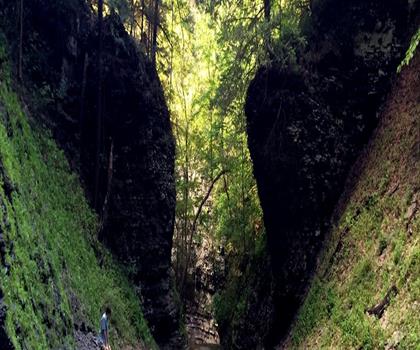
Waterfall on Lick Brook
Finger Lakes
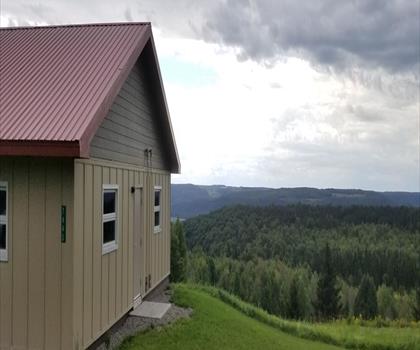
Tracy Lake
Finger Lakes
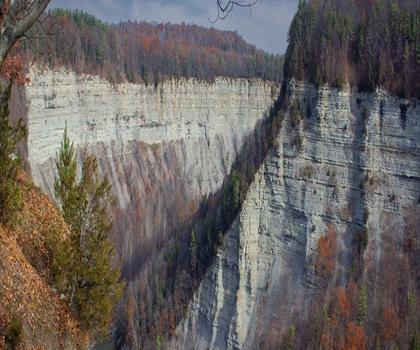
Letchworth State Park
Finger Lakes
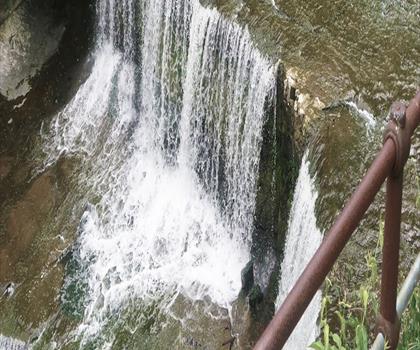
Seneca Mills Falls
Finger Lakes
Hiking near Rochester
0 trails to explore ~71 km away
We work hard to provide the most up-to-date and error-free data possible. If something seems incorrect, let us know! Your contribution helps the whole community.
Hikers' opinions
Be the first to review!
No hiker has shared their experience yet. Share your impressions and help other hikers!