
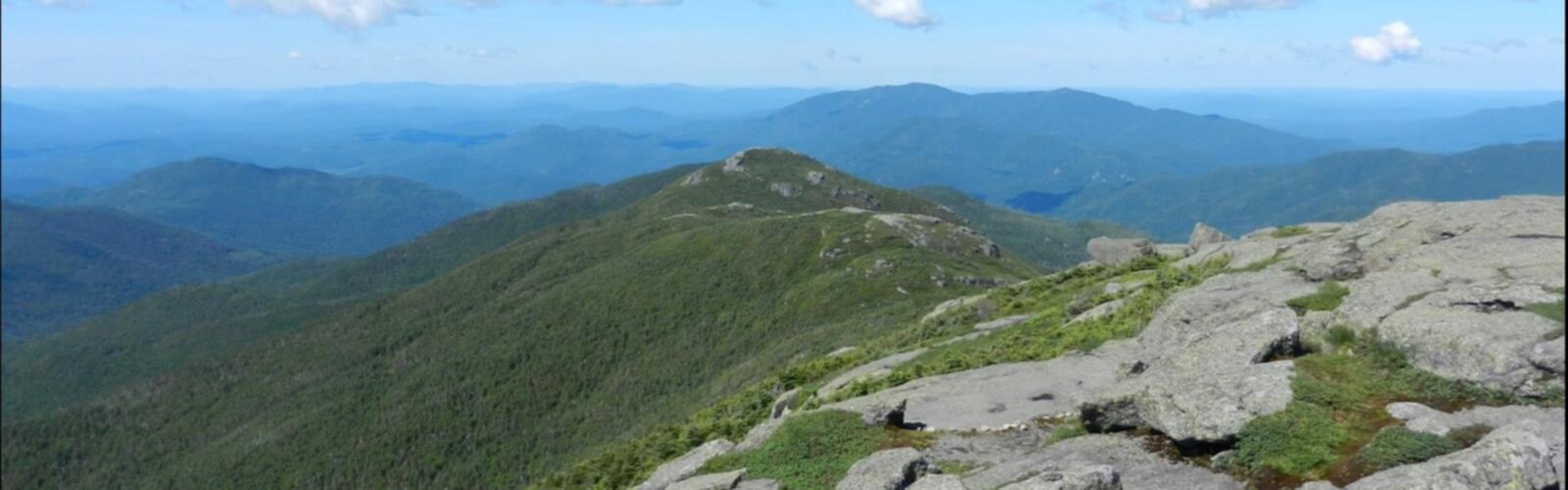

Ready to explore Iroquois Peak, New York? Here's everything you need to know before you go!
Discover the trail
Trail description
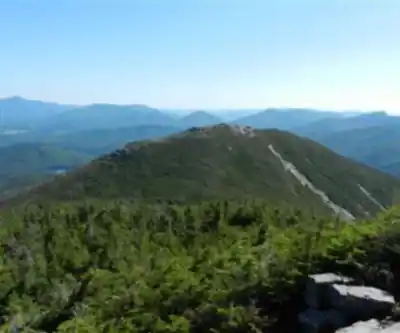
Iroquois Peak stands as the eighth highest mountain in New York State at 4,840 feet, earning its place among the coveted 46 High Peaks of the Adirondacks. This challenging summit attracts serious hikers looking to test their endurance while experiencing some of the most dramatic alpine scenery in the Northeast. The 14.65-kilometer round-trip journey demands 1,476 meters of elevation gain over 6 to 8 hours, making it a very hard hike that rewards persistence with extraordinary panoramic views.
What sets Iroquois apart from other High Peaks isn't just its impressive elevation, but the varied terrain and multiple ecosystems you'll traverse on your way to the summit. The mountain sits within the Eastern High Peaks Wilderness, where dense hardwood forests give way to coniferous stands before opening into exposed alpine zones near the top. This progression creates a hiking experience that feels like traveling through different worlds in a single day.
The Trail Experience
The most popular and well-maintained route to Iroquois Peak begins at the Adirondack Loj near Heart Lake, accessed via Adirondack Loj Road. You'll start by following the Algonquin Peak trail, sharing the path with hikers bound for that equally challenging summit before branching off toward Iroquois. This approach allows you to tackle two High Peaks in one ambitious day if you're feeling strong.
The initial miles wind through lush mixed forests where towering maples, birches, and beeches create a canopy that filters sunlight into dappled patterns on the forest floor. As you gain elevation, the deciduous trees gradually yield to spruce and fir, signaling your entry into the boreal forest zone. The trail surface varies from well-packed dirt to rocky sections that require careful foot placement, especially when wet.
About halfway through your ascent, you'll encounter Macintyre Falls, a picturesque cascade that provides both a natural rest stop and a moment of tranquility before the steeper climbing ahead. The sound of rushing water offers a peaceful counterpoint to the physical demands of the hike, and the falls create a microclimate that supports unique plant communities you won't see elsewhere on the trail.
The final approach to Iroquois Peak becomes significantly steeper and more technical. Rocky outcroppings and exposed roots require scrambling in places, and the trail can become slippery when wet or icy. This section tests your endurance and hiking skills, but the gradually opening views provide motivation to push through the challenging terrain.
Summit Views and Alpine Environment
Reaching the summit of Iroquois Peak delivers a 360-degree panorama that showcases the raw beauty of the Adirondack High Peaks region. To the east, the neighboring summits of Algonquin and Wright Peak rise dramatically from the surrounding wilderness, their rocky faces and alpine vegetation creating a stark contrast to the forested valleys below. Lake Colden spreads out like a mirror in the distance, reflecting the surrounding peaks and sky.
On exceptionally clear days, the views extend far beyond the immediate High Peaks region. Vermont's Green Mountains appear as a blue-green ridge on the eastern horizon, while the sprawling wilderness of the Adirondack Park stretches endlessly in all directions. Even glimpses of Lake Placid become visible through gaps in the mountain ridges, connecting you to the broader geography of this remarkable region.
The summit itself represents a harsh alpine environment where only the hardiest plants survive. Stunted spruce and fir trees, sculpted by wind and weather into twisted forms, cling to cracks in the rock. During spring and summer, hardy wildflowers bloom in protected spots, creating unexpected splashes of color against the granite backdrop.
Seasonal Considerations
Each season transforms the Iroquois Peak experience dramatically. Spring hiking reveals vibrant wildflowers emerging throughout the forest, with trilliums, violets, and other woodland species creating natural gardens along the trail. However, spring also brings mud season and potentially unstable trail conditions as snow melts and refreezes.
Summer offers the most stable hiking conditions and the longest daylight hours, but also brings crowds and the need for early starts to secure parking. The dense forest canopy provides welcome shade during hot days, though the exposed summit can be surprisingly warm and sunny.
Fall transforms the deciduous forests into a spectacular display of reds, oranges, and yellows, making this one of the most photographed times to hike Iroquois Peak. The cooler temperatures also mean more comfortable hiking conditions and fewer insects.
Winter hiking to Iroquois Peak requires advanced skills and specialized equipment including snowshoes or microspikes, but rewards experienced winter hikers with serene snow-covered landscapes and crystal-clear views. The trail becomes significantly more challenging and dangerous, requiring careful attention to weather forecasts and avalanche conditions.
Preparation and Safety
The very hard difficulty rating of this hike demands serious preparation and appropriate gear. Sturdy, broken-in hiking boots with good ankle support are essential for navigating the rocky terrain safely. The weather in the Adirondacks changes rapidly and dramatically, especially at elevation, so layered clothing systems and rain gear are crucial regardless of the forecast.
Carry significantly more water and food than you think you'll need—the 6 to 8-hour duration and substantial elevation gain will drain your energy reserves quickly. Many hikers underestimate the physical demands and find themselves struggling on the descent when fatigue sets in.
Following Leave No Trace principles becomes especially important in this fragile alpine environment. Pack out all trash, stay on designated trails to prevent erosion, and avoid disturbing the delicate plant communities that take decades to establish in these harsh conditions. Respect wildlife habitats by observing animals from a distance and storing food properly.
Always check current weather forecasts and trail conditions before setting out, as conditions can deteriorate quickly at elevation. Lightning storms pose a serious threat on exposed summits, and hypothermia remains a risk even during summer months due to rapid weather changes and wind exposure.
The Essential Hiking Checklist
Everything you need for your next hike. Bilingual, printable, 1 page.
Get your free hiking checklistRecommended gear for this trail
As an Amazon Associate I earn from qualifying purchases.


Ready to go?
Everything you need to know before you goStarting Point
The Iroquois Peak trails are located in the town of Indian Lake, New York. To get to the start of the trails, take NY-28 north from Indian Lake. The trailhead is located on the left side of the road, just past the intersection with NY-30.
When?
How much?
As an Amazon Associate I earn from qualifying purchases.
Affiliate links — LGPO may earn a commission at no extra cost to you.
- Hiking shoes Essential
- → Salomon Elixir Tour Mid WP · 203.38 $
- Layered clothing Essential
- Rain jacket Essential
- Trekking poles
- → Black Diamond Trail Ergo Cork · 69.99 $
- Headlamp
- → Petzl Actik Core 625 · 103.95 $
FAQ - Frequently asked questions
Everything you need to knowSimilar hikes nearby
Discover other trails you might enjoy

Algonquin Peak, New York
Adirondacks

Big Slide Mountain, New York
Adirondacks

Boundary Peak, New York
Adirondacks
Crane Mountain
Adirondacks
Avalanche Pass
Adirondacks
Ampersand Mountain, New York
Adirondacks
Hiking near Lake Placid
0 trails to explore ~16 km away
We work hard to provide the most up-to-date and error-free data possible. If something seems incorrect, let us know! Your contribution helps the whole community.
Hikers' opinions
Be the first to review!
No hiker has shared their experience yet. Share your impressions and help other hikers!