
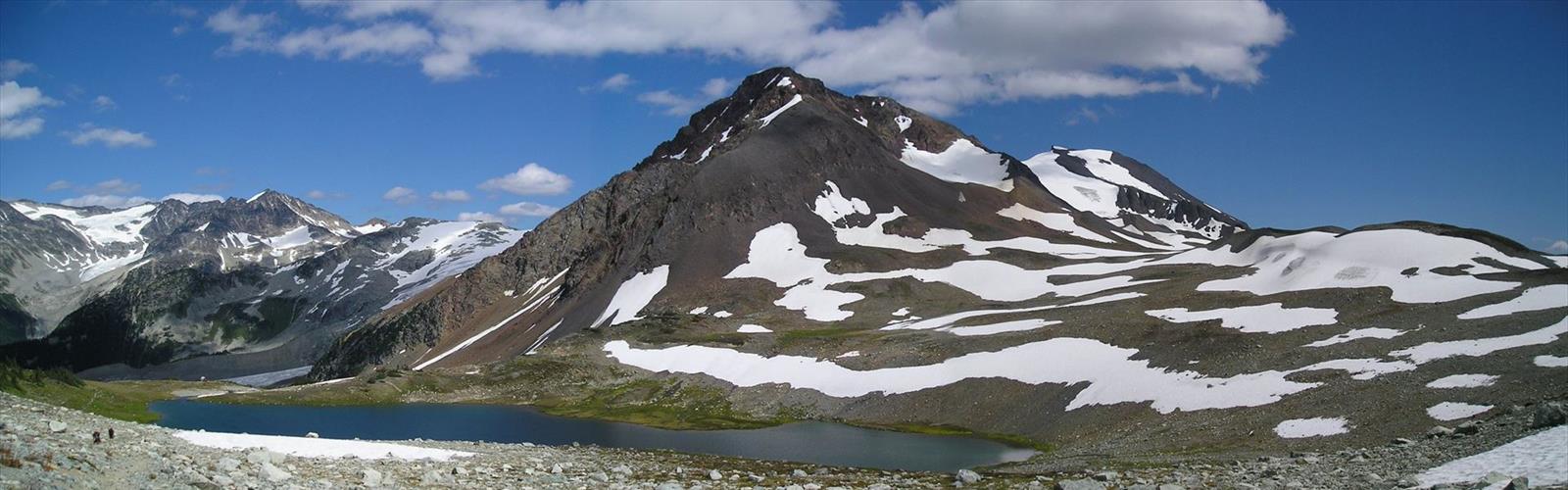

Ready to explore Russet Lake? Here's everything you need to know before you go!
Discover the trail
Trail description
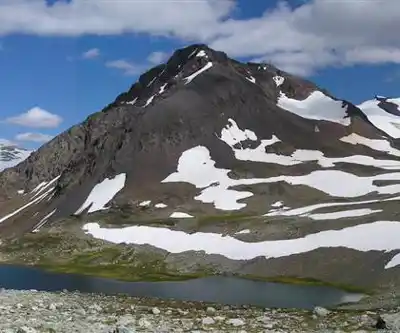
Russet Lake sits in the heart of the Vancouver Coast Mountains, offering one of the most rewarding alpine experiences accessible from Whistler. This pristine mountain lake delivers the kind of scenery that makes the Coast Mountains famous—crystal-clear waters reflecting jagged peaks, surrounded by meadows that burst with wildflowers during the short alpine summer.
The lake occupies a dramatic cirque carved by ancient glaciers, with steep granite walls rising on three sides. The water remains remarkably clear throughout the season, fed by snowmelt and small cascades tumbling down the surrounding cliffs. On calm days, the surface creates perfect mirror reflections of the towering peaks, while gentle breezes send ripples across the water that catch the mountain light.
The Trail Experience
The journey to Russet Lake covers 14 kilometers one way via the popular Singing Pass Trail, starting directly from Whistler Village. This challenging route takes you through a remarkable transition of ecosystems, beginning in the dense coastal forest that characterizes the lower elevations of the Coast Mountains. With significant elevation gain and technical alpine terrain, this hike demands proper preparation and experience.
The first several kilometers wind through old-growth forest dominated by massive Douglas fir, western hemlock, and western red cedar. The trail follows a steady but manageable grade as it climbs alongside Fitzsimmons Creek, with the sound of rushing water providing a constant soundtrack. You'll cross several wooden bridges over tributaries, each offering glimpses of the creek's clear mountain water flowing over granite boulders.
As you gain elevation, the forest gradually opens up, and you begin to catch your first views of the surrounding peaks through breaks in the canopy. The transition from dense forest to subalpine terrain happens gradually, with the trees becoming smaller and more scattered as you approach treeline. The grade steepens considerably in the upper sections, requiring steady pacing and frequent rest stops.
The final approach to Russet Lake takes you into full alpine territory, where the landscape opens dramatically. Here, the trail crosses meadows filled with Indian paintbrush, lupine, and mountain heather during peak bloom season. The contrast between the vibrant wildflowers and the stark granite peaks creates some of the most photogenic moments of the hike. This section can be particularly demanding, with loose rock and steep switchbacks testing your endurance.
Alternative Route Options
Experienced hikers looking for additional challenge and spectacular views can access Russet Lake via the High Note Trail from the top of Whistler Mountain. This route requires taking the Whistler Village Gondola and Peak 2 Peak Gondola to reach the starting point, adding both cost and logistics to your trip but rewarding you with some of the most dramatic high-alpine terrain in the region.
The High Note Trail traverses exposed ridgelines and offers panoramic views across the Coast Mountains that you simply cannot get from the valley-based Singing Pass approach. This route involves more technical terrain and greater exposure to weather, making it suitable only for confident hikers with proper equipment and experience in alpine conditions.
Wildlife and Natural Features
The diverse ecosystems along the route to Russet Lake support a variety of wildlife. Black bears are common throughout the area, particularly during berry season in late summer. Marmots inhabit the alpine zones, and their distinctive whistles often echo across the meadows. Pika, small rabbit-like creatures, live among the rocky areas near the lake, and their sharp calls can be heard as they communicate across the talus slopes.
Bird life includes gray jays, Clark's nutcrackers, and various alpine species adapted to the harsh mountain environment. The lake itself supports no fish due to its elevation and the natural barriers that prevent fish migration, but this contributes to the exceptional water clarity that makes the lake so visually striking.
The surrounding terrain showcases classic Coast Mountain geology, with exposed granite formations telling the story of ancient glacial activity. Massive erratics—boulders transported by glaciers—dot the landscape around the lake, while polished rock faces reveal the power of ice that once filled this valley.
Backcountry Camping
Russet Lake features a designated backcountry campsite that transforms a day hike into a true wilderness experience. The campsite provides basic infrastructure including established tent pads and bear-proof food storage lockers, essential given the active bear population in the area.
Camping here allows you to experience the lake during the magical golden hour and early morning light, when the surrounding peaks glow with alpenglow and the water reflects the changing colors of the sky. The campsite sits slightly above the lake, providing both scenic views and practical drainage during the frequent mountain weather that characterizes this elevation.
All camping gear and supplies must be packed in, as this remote location offers no services or facilities beyond the basic tent pads and food storage. Water can be obtained from the lake, though proper filtration or purification is essential. Weather can change rapidly at this elevation, making quality shelter and warm clothing critical even during summer months.
Planning Your Visit
The trail to Russet Lake typically becomes accessible in mid to late July, depending on snowpack levels, and remains hikeable through September. Early season visits may encounter snow patches and muddy conditions, while late season brings the risk of early snowfall and rapidly changing weather conditions.
Weather conditions require careful attention, as the alpine environment can shift from sunny and warm to cold and stormy within hours. Essential safety gear includes layers for warmth, rain protection, navigation tools, and emergency supplies. The exposed nature of the final approach to the lake means hikers can be caught in dangerous conditions if storms develop quickly.
Trail reports and current conditions should be checked before departure, as seasonal variations, weather events, and maintenance activities can significantly impact trail accessibility and safety. The challenging difficulty rating reflects both the substantial distance and elevation gain, plus the demanding alpine environment that requires respect and thorough preparation from all hikers.
The Essential Hiking Checklist
Everything you need for your next hike. Bilingual, printable, 1 page.
Get your free hiking checklistRecommended gear for this trail
As an Amazon Associate I earn from qualifying purchases.


Ready to go?
Everything you need to know before you goStarting Point
The start of the trails at the russet lake in British Columbia can be accessed from the parking lot located off of the Trans-Canada Highway.
When?
How much?
As an Amazon Associate I earn from qualifying purchases.
Affiliate links — LGPO may earn a commission at no extra cost to you.
- Hiking shoes Essential
- → Salomon Elixir Tour Mid WP · 203.38 $
- Layered clothing Essential
- Rain jacket Essential
- Trekking poles
- → Black Diamond Trail Ergo Cork · 69.99 $
- Headlamp
- → Petzl Actik Core 625 · 103.95 $
FAQ - Frequently asked questions
Everything you need to knowSimilar hikes nearby
Discover other trails you might enjoy
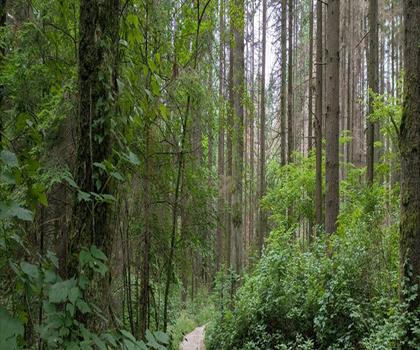
Bridle Path
Vancouver Coast Mountains
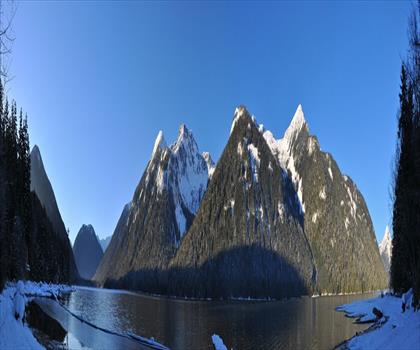
Flora Lake
Vancouver Coast Mountains

Alouette Mountain
Vancouver Coast Mountains
Williamson Lake
Vancouver Coast Mountains
Brandywine Mountain
Vancouver Coast Mountains

Coliseum Mountain
Vancouver Coast Mountains
Hiking near Whistler
160 trails to explore ~12 km away
We work hard to provide the most up-to-date and error-free data possible. If something seems incorrect, let us know! Your contribution helps the whole community.
Hikers' opinions
Be the first to review!
No hiker has shared their experience yet. Share your impressions and help other hikers!