
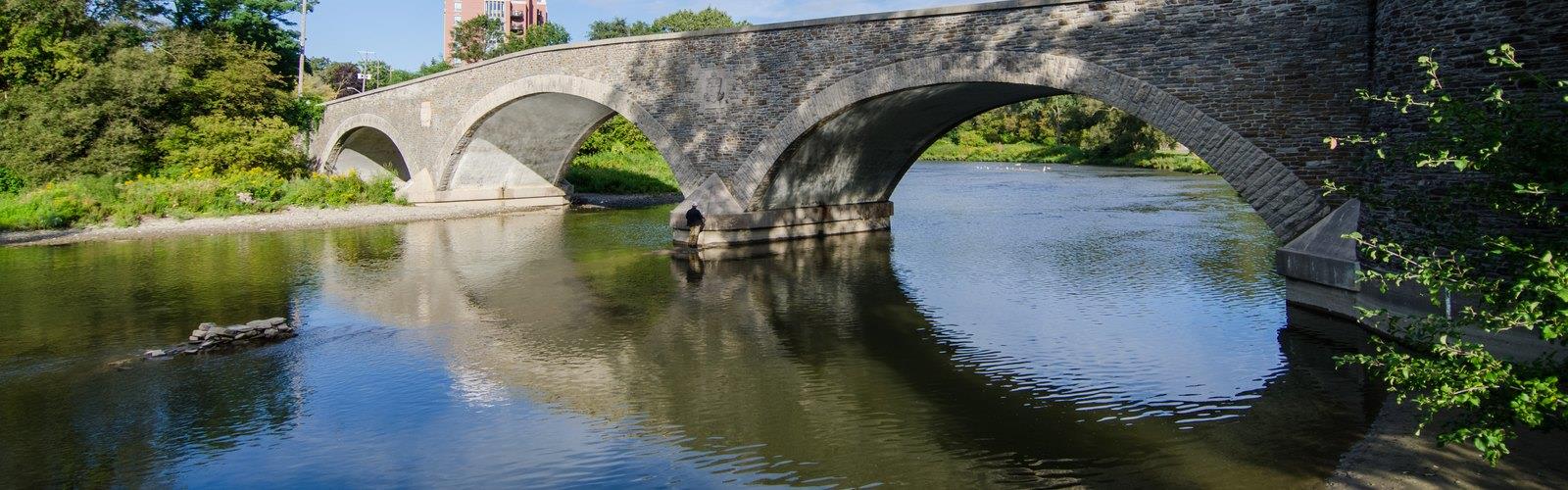

Ready to explore Etienne Brulé Park? Here's everything you need to know before you go!
Discover the trail
Oh no! We don't have any photos 😢
This trail hasn't been captured yet. Be the first to share your adventure!Trail description
Etienne Brûlé Park runs along the Humber River in Toronto's west end, offering a genuinely wild feel that catches most visitors off guard. For a park sitting within one of Canada's largest cities, it delivers real nature — mature forest, a living river, and enough trail variety to make the outing feel like more than just a walk in the park. It's named after the French explorer Étienne Brûlé, one of the earliest Europeans to travel deep into Indigenous territories across this region, and the setting along the Humber River corridor makes that historical connection feel tangible.
The park forms a key section of the Humber River Trail system, which stretches over 13 kilometers through Toronto's river valley network. That positioning is one of its biggest assets — you can keep your hike contained within the park itself, or use it as a launching point to extend your day along the broader trail system connecting multiple parks and neighborhoods throughout the west end.
Terrain and Trail Experience
The trails here work for a wide range of hikers. Families with kids, people looking for a quick weekday escape, and anyone wanting a proper nature experience without leaving the city all find something useful here. The paths wind through a mature forest canopy where the trees are tall enough to create real shade in summer and a striking skeletal silhouette in winter. The Humber River runs alongside much of the route, close enough that you hear it constantly and can access the bank at several points.
The terrain has a modest elevation gain of 40 meters, which is enough to break up the flat riverside sections with some actual climbing. You'll move through gentle slopes, level stretches along the water, and a few more noticeable climbs that open up views over the river valley. It's not demanding, but it's not entirely flat either — there's enough variation to keep things interesting for the full outing.
Trail surfaces shift between packed earth, gravel, and wooden boardwalks through the wetter low-lying sections. The boardwalks in particular help keep the route accessible after rain, when the riverside areas can get soft. Overall, the trail maintenance is solid — the paths feel natural without being neglected.
Wildlife and Natural Features
The combination of mature forest and a functioning river corridor makes Etienne Brûlé Park genuinely good for wildlife watching. Birds are the most consistent draw — songbirds are everywhere in the warmer months, and raptors occasionally work the river corridor hunting for prey. Waterfowl use the Humber regularly, and if you slow down near the calmer pools, you can sometimes spot fish holding in the current.
Squirrels are a given and tend to be bold around people. Deer move through the quieter sections of the park, most reliably during early morning or late afternoon when foot traffic is lighter. The river itself adds constant visual interest, with the water level and character changing noticeably between seasons.
The park transforms meaningfully through the year. Spring brings wildflowers across the forest floor and a surge in bird activity as migratory species return. The full summer canopy turns the trails into shaded corridors that stay comfortable even on hot days. Autumn is when the Humber Valley system earns its regional reputation — the fall color along the river is legitimately spectacular. Winter strips the trees back and opens up views of the river and valley walls that are completely hidden during the leafy months; the trails stay passable thanks to regular foot traffic from local users.
Historical Context
Interpretive signs are placed throughout the trail system and are worth stopping for. They cover the area's layered history — starting with Indigenous peoples who used the Humber River corridor for transportation, trade, and seasonal camps long before European contact, through to the arrival of explorers and settlers who followed the same river routes. Étienne Brûlé himself traveled through this region in the early 1600s, making the park's name more than just a label. Walking the same valley with that context in mind adds a different dimension to what's already a pleasant outing.
Practical Information
Access and facilities are straightforward given the park's position within Toronto's established trail network. The trails connect directly to the broader Humber River Trail system, so you can adjust your distance based on how much time and energy you have. The estimated time for a full exploration of the area runs around 4.5 hours, though shorter visits are easy to plan depending on which sections you cover.
The park works well for families — trail conditions are manageable for children, and the mix of wildlife, river access, and historical signage gives younger hikers enough to engage with. Many visitors extend their time by stopping along the riverbank to eat, which works well given the setting. Solo hikers get a good balance of genuine quiet and the low-level security that comes with a well-used urban park.
Staying on marked trails matters here — the vegetation along the river banks is sensitive to foot traffic, and the park's natural character depends on visitors keeping erosion in check. Carrying out everything you bring in keeps the trails in the condition that makes them worth coming back to.
The Essential Hiking Checklist
Everything you need for your next hike. Bilingual, printable, 1 page.
Get your free hiking checklistRecommended gear for this trail
As an Amazon Associate I earn from qualifying purchases.


Ready to go?
Everything you need to know before you goStarting Point
The etienne brulé park is located in the town of Schreiber, Ontario. To get to the park, take Highway 17 north to Schreiber. Turn left onto Lakeshore Drive and follow it until you reach the park.
When?
How much?
As an Amazon Associate I earn from qualifying purchases.
Affiliate links — LGPO may earn a commission at no extra cost to you.
- Hiking shoes Essential
- → Salomon Elixir Tour Mid WP · 203.38 $
- Layered clothing Essential
- Rain jacket Essential
- Trekking poles
- → Black Diamond Trail Ergo Cork · 69.99 $
- Headlamp
- → Petzl Actik Core 625 · 103.95 $
FAQ - Frequently asked questions
Everything you need to knowAlternatives and suggestions
If you want a more structured outing, W Humber Trail offers 4.8 km with 300 m of elevation gain and an Easy rating, making it a solid step up from Etienne Brulé Park.
Rattray Marsh Conservation Area matches the 4h30 duration of this trail but covers 2.5 km at Easy difficulty with only 10 m of elevation gain, ideal for a gentler pace.
Don Valley Brick Works Park is another Greater Toronto Area green space with 53 m of elevation gain, worth exploring if you enjoy urban nature parks like Etienne Brulé.
Similar hikes nearby
Discover other trails you might enjoy

Scarborough Bluffs Trail
Greater Toronto Area
Trillium Park
Greater Toronto Area
Balmy Beach Park
Greater Toronto Area
High Park
Greater Toronto Area
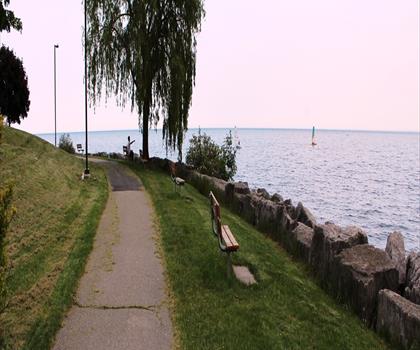
Colonel Samuel Smith Park
Greater Toronto Area
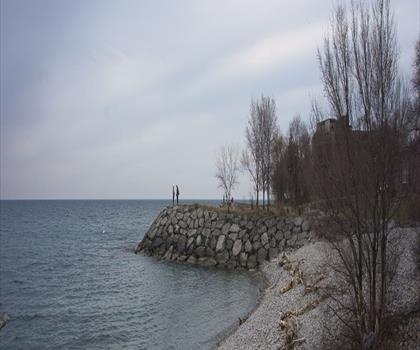
Mimico Waterfront Park
Greater Toronto Area
Hiking near Toronto
168 trails to explore ~9 km away
We work hard to provide the most up-to-date and error-free data possible. If something seems incorrect, let us know! Your contribution helps the whole community.
Hikers' opinions
Be the first to review!
No hiker has shared their experience yet. Share your impressions and help other hikers!