
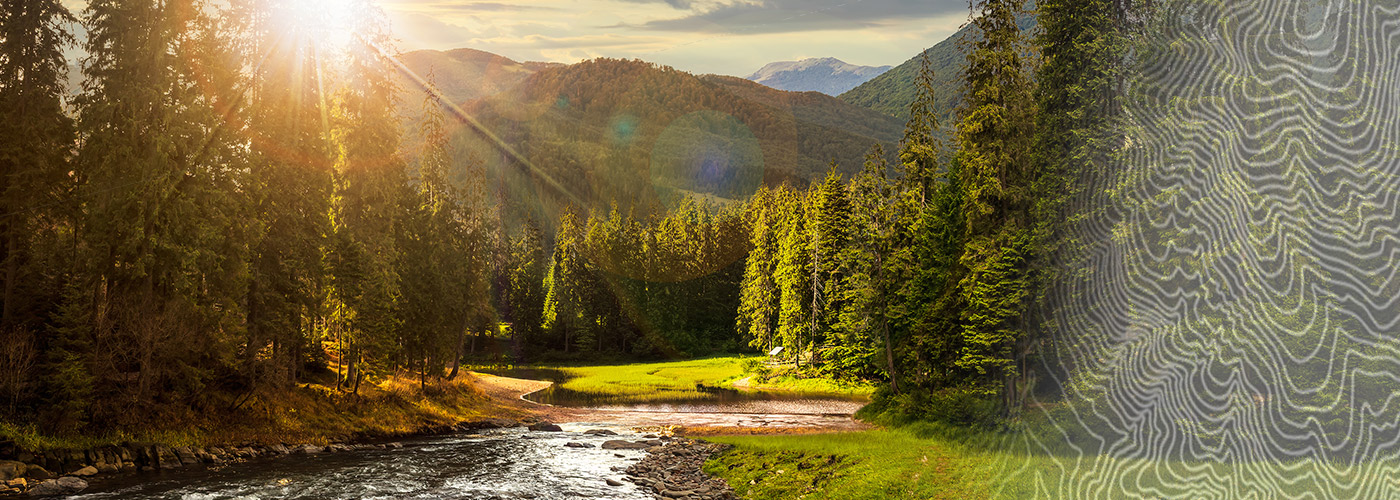

Ready to explore Mill Run Trail? Here's everything you need to know before you go!
Discover the trail
Oh no! We don't have any photos 😢
This trail hasn't been captured yet. Be the first to share your adventure!Trail description
The Mill Run Trail is a 3.2-kilometer route through the Speed River valley that manages to pack a genuinely varied experience into a compact distance. With 152 meters of elevation gain and an estimated two hours and fifteen minutes to complete, it sits comfortably in the moderate category — enough to feel like a real hike without requiring any specialized fitness or gear. It's a solid choice for hikers across the Huron, Perth, Waterloo, and Wellington region looking for something more engaging than a flat riverside walk but less committing than a full-day outing.
What makes this trail worth seeking out is the way it moves through distinctly different environments in quick succession. You're not walking the same terrain for 3.2 kilometers — you're transitioning from hardwood forest to riverside flats to wetland boardwalks to elevated viewpoints, all within a single loop. That variety keeps the experience interesting and gives the trail a longer feel than its distance suggests.
Terrain and Trail Surface
The trail opens under a canopy of maple, oak, and beech, where the forest floor stays relatively flat as the path runs alongside the Speed River. This early section is the most relaxed stretch of the hike — good footing, gentle grade, and the sound of moving water keeping you company. It's a comfortable warm-up before the trail starts working.
The elevation gain comes gradually rather than in one punishing climb. The 152 meters are distributed across the route in a way that feels steady rather than steep, so you'll be aware of the ascent without stopping to catch your breath. The surface shifts between packed earth, exposed roots, occasional rocky patches, and wooden boardwalks depending on where you are on the loop. None of it is technically demanding, but the variety means you'll want to pay attention to your footing, especially after rain.
The boardwalk sections through the wetland areas are among the best-engineered parts of the trail. The planks are solid and well-maintained, with no concerning gaps or flex. That said, they do get slippery when wet, so footwear with reliable grip matters here. Hiking shoes or light boots with decent tread will serve you well across all the surface types on this trail.
The Speed River and Wetlands
The Speed River is the trail's backbone. It's visible or audible for much of the route, and several spots along the way allow you to get right down to the water's edge. The river's character changes with the seasons — running higher and faster during spring snowmelt, exposing gravel bars and rocks during drier stretches in late summer. Both versions are worth seeing, just different.
The wetland boardwalk sections give you a close look at plant communities that most trails route around rather than through. Interpretive signs along these stretches identify common wetland species and explain their ecological roles, which adds some context if you're curious about what you're looking at. These areas also tend to be the most productive spots for wildlife observation, so it's worth slowing down here rather than pushing through.
Wildlife
Great blue herons are a reliable sighting along the riverside sections, particularly in the early morning or late afternoon when they're actively feeding in the shallows. The mix of forest, wetland, and open water creates habitat for a wide range of bird species — chickadees, nuthatches, and woodpeckers in the wooded sections; red-winged blackbirds and marsh wrens near the water. Chipmunks and squirrels are common throughout, and deer move through the area, though they're more likely to appear during quieter times of day.
Moving quietly makes a real difference on this trail. It sees moderate use, so the wildlife tends to be more active early in the morning before foot traffic picks up. If wildlife observation is a priority, timing your visit accordingly is worth the early start.
Historical Context
The trail's name connects to the area's history of mill operations, and several historical markers along the route provide context about early settlement in the valley. These plaques are placed at natural rest spots — the kind of locations where you'd stop anyway to take in the view or have a snack — so the history integrates naturally into the hike rather than feeling like a detour.
Practical Notes
Parking is available at trailhead access points within the region and handles typical weekend traffic without significant congestion. The trail is accessible to hikers with a basic level of fitness, and families with older children who are comfortable with longer walks should find it manageable. The combination of uneven terrain and the full 3.2-kilometer distance may be a stretch for very young hikers, but it's not a route that requires any special preparation beyond appropriate footwear and water.
Bring enough water for the full duration, particularly in warmer months when the elevation gain adds up. The trail passes through sensitive wetland ecosystems, so staying on the designated path and packing out everything you bring in helps keep those areas intact for the next person through.
The Essential Hiking Checklist
Everything you need for your next hike. Bilingual, printable, 1 page.
Get your free hiking checklistRecommended gear for this trail
As an Amazon Associate I earn from qualifying purchases.


Ready to go?
Everything you need to know before you goStarting Point
The mill run trail is located in Ontario, California. To get to the start of the trails, take the I-15 freeway to the Euclid Avenue exit. Go east on Euclid Avenue and turn left on Mill Run Drive. The trailhead will be on your right.
When?
How much?
As an Amazon Associate I earn from qualifying purchases.
Affiliate links — LGPO may earn a commission at no extra cost to you.
- Hiking shoes Essential
- → Salomon Elixir Tour Mid WP · 203.38 $
- Layered clothing Essential
- Rain jacket Essential
- Trekking poles
- → Black Diamond Trail Ergo Cork · 69.99 $
- Headlamp
- → Petzl Actik Core 625 · 103.95 $
FAQ - Frequently asked questions
Everything you need to knowSimilar hikes nearby
Discover other trails you might enjoy
Perth Harvest Pathway Milverton- G2G Rail Trail
Huron, Perth, Waterloo and Wellington
Huron Natural Area
Huron, Perth, Waterloo and Wellington

Health Valley Trail
Huron, Perth, Waterloo and Wellington
Rockwood Conservation Area
Huron, Perth, Waterloo and Wellington
Waterloo Park
Huron, Perth, Waterloo and Wellington
Point Farms Provincial Park
Huron, Perth, Waterloo and Wellington
Hiking near Guelph
166 trails to explore ~14 km away
We work hard to provide the most up-to-date and error-free data possible. If something seems incorrect, let us know! Your contribution helps the whole community.
Hikers' opinions
Be the first to review!
No hiker has shared their experience yet. Share your impressions and help other hikers!