


Ready to explore Fingal Wildlife Management Area? Here's everything you need to know before you go!
Discover the trail

Trail description
The Fingal Wildlife Management Area offers one of Southwest Ontario's most diverse hiking experiences, where 724 hectares of varied terrain create a landscape that shifts dramatically with each turn of the trail. Located in the heart of the region, this protected area combines the accessibility that day hikers appreciate with the ecological richness that keeps naturalists coming back season after season.
Trail Experience and Terrain
The main trail system covers 1.6 kilometers with a moderate elevation gain of 120 meters, typically taking about 2 hours and 15 minutes to complete when you take time to appreciate the surroundings. What makes this hike particularly engaging is how the terrain constantly evolves beneath your feet. You'll start on well-maintained paths that wind through dense woodlands where the canopy creates a natural cathedral overhead, then emerge into open fields that offer expansive views of the surrounding countryside.
The trail's moderate difficulty rating comes not from technical challenges, but from the varied terrain and gentle climbs that keep you engaged throughout the hike. The elevation changes are gradual enough for most fitness levels while providing enough variation to make the walk interesting. Several well-maintained trails cater to different experience levels, so you can choose a leisurely stroll through the flatter sections or tackle the full route with its rolling hills and diverse landscapes.
The wetland sections are particularly striking, where boardwalks and elevated paths take you alongside picturesque ponds and marshy areas. These water features create natural gathering spots for wildlife and offer some of the area's most photogenic moments. The contrast between the dense forest sections and these open wetland views gives hikers a comprehensive taste of what makes this region ecologically significant.
As you navigate the trail system, you'll notice how thoughtfully the paths have been designed to showcase each habitat type. The route flows naturally from one ecosystem to another, creating a sense of discovery around each bend. The moderate elevation gain is distributed throughout the hike rather than concentrated in steep climbs, making the experience enjoyable for hikers who want a workout without overwhelming challenges.
Wildlife and Natural Features
The diversity of habitats within the management area creates exceptional wildlife viewing opportunities. The mix of forests, wetlands, and open fields supports a wide variety of species that you're likely to encounter during your visit. White-tailed deer are commonly spotted moving gracefully through the wooded sections, particularly during early morning or late afternoon visits when they're most active.
Birdwatchers will find this area particularly rewarding, as the varied habitats attract different species throughout the seasons. The melodic calls of songbirds fill the air in the forest sections, while the wetland areas host waterfowl and wading birds. The open fields provide habitat for grassland species, making this one location where you can observe birds from multiple ecological niches in a single visit.
The informative signs placed strategically along the trails enhance the wildlife viewing experience by providing insights into local flora and fauna. These educational elements make the area ideal for families with curious children or anyone interested in learning more about the region's natural environment. The signs help visitors identify common species and understand the ecological relationships that make this habitat so productive.
The wetland areas serve as the heart of the wildlife activity, where the still waters reflect the sky and surrounding vegetation while providing critical habitat for amphibians, waterfowl, and countless insects that form the base of the food web. These aquatic environments create microclimates that support different plant communities, adding to the botanical diversity you'll encounter along the trails.
Practical Information and Access
One of the area's strongest points is its accessibility and visitor-friendly infrastructure. Ample parking ensures that even on busy weekends, you won't struggle to find a spot for your vehicle. The trailheads are clearly marked, and the path system is well-maintained with obvious markers that make navigation straightforward for first-time visitors.
The trail surfaces are generally good throughout the year, though the wetland sections can become muddy during spring snowmelt or after heavy rains. Standard hiking footwear is sufficient for most conditions, but waterproof boots can be helpful during wetter periods. The well-maintained nature of the trails makes this an excellent choice for families or those who want to enjoy nature without dealing with challenging terrain or navigation issues.
Bringing a camera is highly recommended, as the diverse landscapes and wildlife encounters provide numerous photo opportunities. The combination of forest scenes, wetland reflections, and open field vistas means you'll find compelling subjects regardless of your photography interests. The wildlife viewing opportunities also make this an excellent location for nature photography, particularly if you're patient and visit during the quieter early morning or evening hours.
What Sets This Area Apart
While Southwest Ontario offers many natural areas, the Fingal Wildlife Management Area stands out for its remarkable habitat diversity packed into a manageable hiking experience. The 724-hectare size is large enough to feel immersive and wild, yet compact enough that you can explore multiple ecosystems in a single visit. This makes it particularly valuable for visitors who want to experience the region's natural diversity without committing to a full-day expedition.
The educational component adds depth to what could otherwise be a simple nature walk. The combination of well-designed interpretive materials and diverse wildlife viewing opportunities creates an experience that appeals to both casual hikers and serious naturalists. Families will appreciate how the educational signs can turn a hike into an engaging learning experience for children, while solo visitors can use the information to deepen their understanding of the local ecosystem.
The area's role as a wildlife management area means that conservation is a priority, which translates into well-preserved habitats and healthy wildlife populations. This conservation focus ensures that the natural experience remains authentic and that the wildlife viewing opportunities continue to be reliable from year to year. Whether you're planning a day trip or just need a few hours in nature, the Fingal Wildlife Management Area delivers both tranquility and adventure in a setting that showcases the best of what Southwest Ontario's natural landscapes have to offer.
The Essential Hiking Checklist
Everything you need for your next hike. Bilingual, printable, 1 page.
Get your free hiking checklistRecommended gear for this trail
As an Amazon Associate I earn from qualifying purchases.


Ready to go?
Everything you need to know before you goStarting Point
The fingal wildlife management area is located in the town of Fingal, Ontario. To get there, take Highway 2 to the town of Fingal and turn onto County Road 8. The wildlife management area will be on your left.
When?
How much?
As an Amazon Associate I earn from qualifying purchases.
Affiliate links — LGPO may earn a commission at no extra cost to you.
- Hiking shoes Essential
- → Salomon Elixir Tour Mid WP · 203.38 $
- Layered clothing Essential
- Rain jacket Essential
- Trekking poles
- → Black Diamond Trail Ergo Cork · 69.99 $
- Headlamp
- → Petzl Actik Core 625 · 103.95 $
FAQ - Frequently asked questions
Everything you need to knowSimilar hikes nearby
Discover other trails you might enjoy
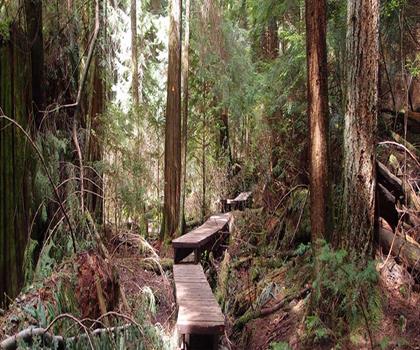
Lynn Valley Trails
Southwest Ontario
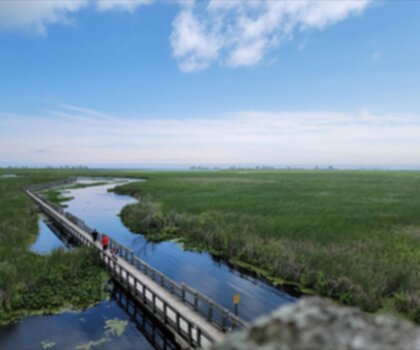
Point Pelee National Park High Point, Ontario
Southwest Ontario
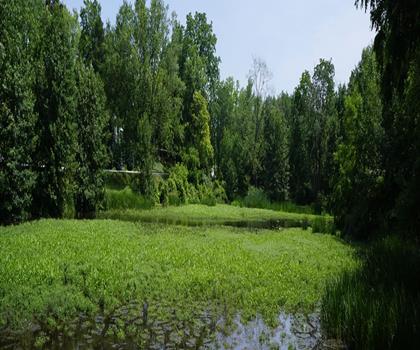
Oxford Thames River Trail
Southwest Ontario

Pinery Provincial Park
Southwest Ontario
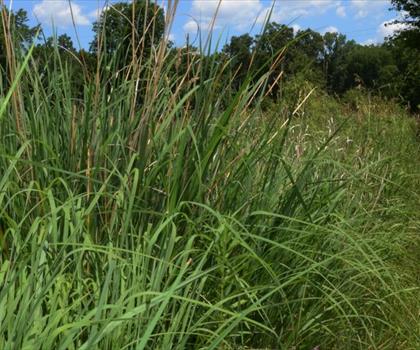
Ojibway Prairie Provincial Nature Reserve
Southwest Ontario
Springbank Park
Southwest Ontario
Hiking near Kitchener
142 trails to explore ~109 km away
We work hard to provide the most up-to-date and error-free data possible. If something seems incorrect, let us know! Your contribution helps the whole community.
Hikers' opinions
Be the first to review!
No hiker has shared their experience yet. Share your impressions and help other hikers!