
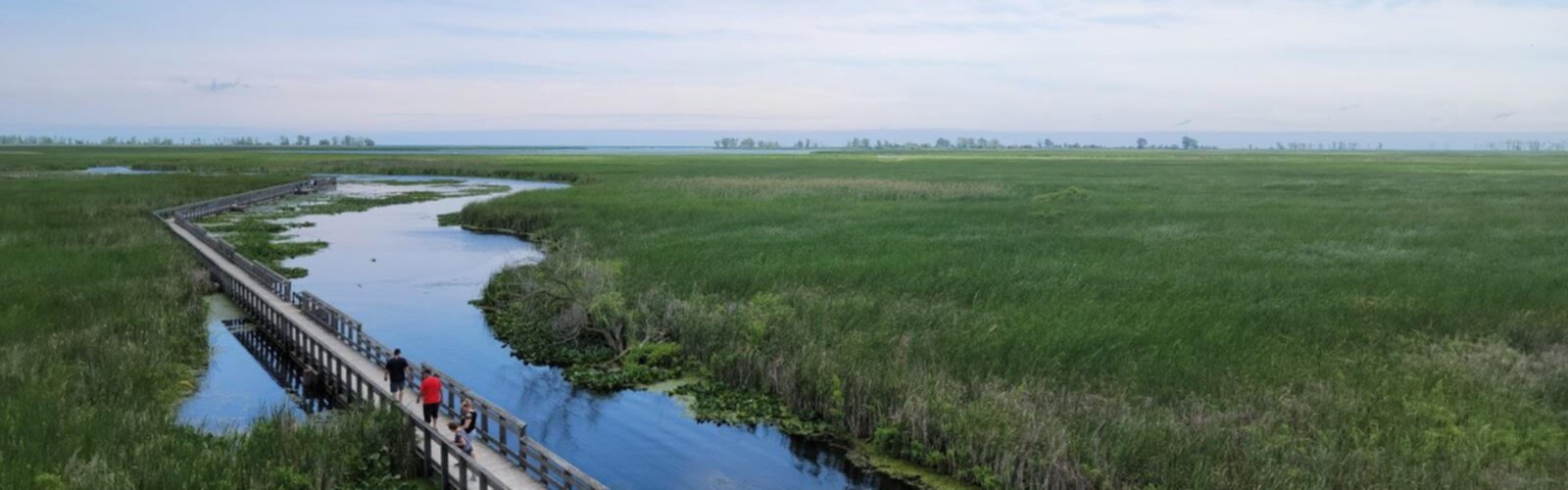

Ready to explore Point Pelee National Park High Point? Here's everything you need to know before you go!
Discover the trail




Trail description
Point Pelee National Park sits at the southernmost tip of mainland Canada, jutting into Lake Erie southeast of Leamington, Ontario. Established in 1918, this 6-square-mile peninsula is one of the country's most ecologically distinctive national parks — a narrow finger of land that acts as a natural funnel for migrating wildlife and draws visitors from across North America. The High Point trail is a short, easy walk that gives you a focused look at what makes this corner of Southwest Ontario so remarkable.
At just 1 km with only 10 metres of elevation gain, this is a trail you can complete in about 30 minutes — but that doesn't mean you should rush it. The terrain is gentle and accessible, making it a solid choice for families, casual hikers, or anyone who wants a low-effort outing with a high payoff in terms of scenery and wildlife. The flat profile reflects the park's position on the Lake Erie plain, and the modest elevation change is enough to offer a slightly different perspective on the surrounding landscape without demanding any real physical effort.
What the Trail Feels Like
The trail moves through a mix of mature forest and transitional vegetation — dense canopy overhead, native shrubs and fruit-bearing bushes filling in the understory. The forest cover keeps things cool even in summer, and the path itself is well-maintained, with clear markers throughout. Depending on recent weather, some sections of packed earth can get muddy after rain, so footwear with a bit of grip is a reasonable call. The overall experience is quiet and immersive, the kind of short walk that feels longer than it is because there's consistently something to look at.
As you move through the trail, the vegetation shifts in ways that reflect the park's layered ecosystems. The canopy opens and closes, the understory changes character, and the light through the trees varies enough to keep the walk visually interesting from start to finish. It's a compact route, but it delivers a genuine sense of the park's interior rather than just a quick loop around a parking area.
Wildlife and Natural Highlights
Point Pelee's reputation as a wildlife destination is built on its geography. The peninsula's shape concentrates migrating species in ways that are hard to find anywhere else in Canada. Birds are the main draw for many visitors — warblers, raptors, waterfowl, and shorebirds move through in significant numbers during spring and fall migration. Canada geese, wild ducks, and swans are regular sights near the marsh and open water areas. Even on a short walk like this one, it's common to encounter species you wouldn't see elsewhere in Ontario.
The Monarch butterfly migration is the park's other signature event. In September, thousands of Monarchs gather along the peninsula before crossing Lake Erie, clustering in the trees and drifting along the trails in numbers that have to be seen to be fully appreciated. If your visit lines up with peak migration, the experience adds a completely different dimension to even a short trail like this one.
Spring brings returning songbirds and wildflowers pushing up through the forest floor. Summer fills in the canopy and brings the warmest conditions for extended time outdoors. Fall delivers both the butterfly migration and the foliage color change simultaneously. Winter is quieter but still active, with cold-weather bird species present and snowshoeing possible on some trails, though visitor facilities may operate on reduced hours.
Practical Information
Point Pelee National Park charges entrance and parking fees that go toward maintaining trails, wildlife habitat, and visitor facilities across the park. Fee rates vary by visitor category — adults, seniors, youth, and family groups each have different rates. For commercial hiking groups, the fee is $7.30 per person; seasonal school hiking programs are charged $3.90 per person. These fees directly support the trail maintenance, wildlife monitoring, and conservation programs that keep the park functioning at a high level.
The park also accommodates cyclists on designated trails, and the flat terrain makes cycling a practical way to cover more ground if you want to combine this trail with other areas of the park in a single visit. The combination of short, accessible trails like the High Point route and longer cycling options means the park works well for mixed groups with different energy levels or interests.
Weather near Lake Erie can shift quickly regardless of season — the lake moderates temperatures but also creates conditions for sudden wind changes and unexpected precipitation. Layering is a reliable strategy year-round, even on days that start out calm and clear.
Getting There
Point Pelee National Park is located southeast of Leamington, Ontario, and is well-signed from the surrounding road network. Parking is available within the park, and the fee structure covers both entry and parking. The park's trail system is clearly marked, and the High Point trail is accessible without any technical navigation — straightforward enough for first-time visitors to find and follow without difficulty.
Services and amenities
This information may vary by season.
The Essential Hiking Checklist
Everything you need for your next hike. Bilingual, printable, 1 page.
Get your free hiking checklistRecommended gear for this trail
As an Amazon Associate I earn from qualifying purchases.


Ready to go?
Everything you need to know before you goStarting Point
The National Park consists of a lot of trails which are almost 12 km long park trails. If you want to Enjoy themed trails then you must take the route of DeLaurier House and Trail, or if you want to experience a more natural hiking experience and want to venture through cedar savannah, dryland, and swamp forest then take the route to the Woodland Nature Trail.
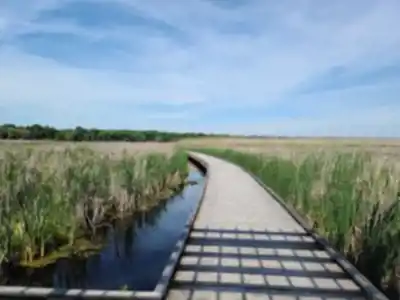
On the other hand, if you want to have the shortest hike with family or friends then you must take the trail which is called Marsh Broadwalk trail. It's a 1 km long loop and you would discover the most diverse habitat in the park such as cattails, red-winged blackbirds, and painted turtles.
If you want to take a biking day out then start your journey from Marsh Broadwalk and take the route to Centennial Bike trail which is 4 km long and takes 2 hrs to hike.
When?
Monday: 7:00 AM – 5:00 PM
Tuesday: 7:00 AM – 5:00 PM
Wednesday: 7:00 AM – 5:00 PM
Thursday: 7:00 AM – 5:00 PM
Friday: 7:00 AM – 5:00 PM
Saturday: 7:00 AM – 5:00 PM
Sunday: 7:00 AM – 5:00 PM
How much?
As an Amazon Associate I earn from qualifying purchases.
Affiliate links — LGPO may earn a commission at no extra cost to you.
- Hiking shoes Essential
- → Salomon Elixir Tour Mid WP · 203.38 $
- Layered clothing Essential
- Rain jacket Essential
- Trekking poles
- → Black Diamond Trail Ergo Cork · 69.99 $
- Headlamp
- → Petzl Actik Core 625 · 103.95 $
FAQ - Frequently asked questions
Everything you need to knowAlternatives and suggestions
Similar hikes nearby
Discover other trails you might enjoy
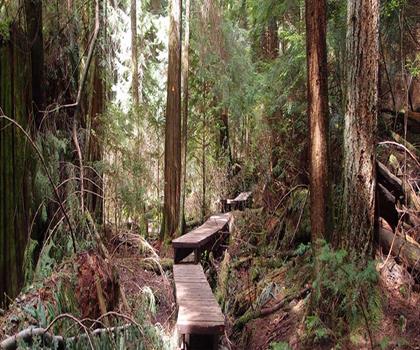
Lynn Valley Trails
Southwest Ontario
Pinery Provincial Park
Southwest Ontario
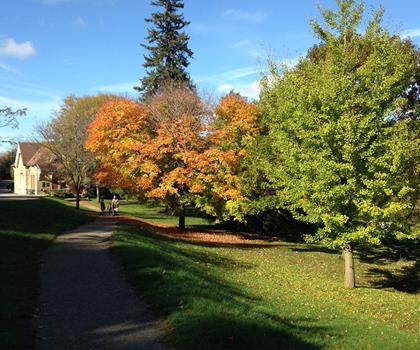
Springbank Park
Southwest Ontario
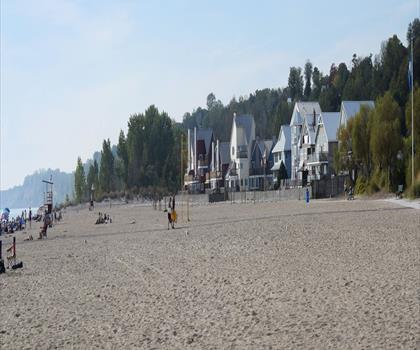
Fingal Wildlife Management Area
Southwest Ontario
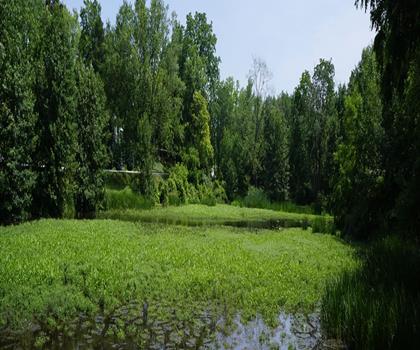
Oxford Thames River Trail
Southwest Ontario
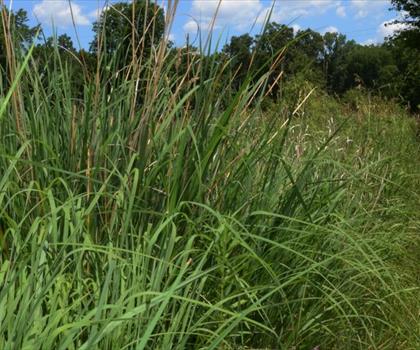
Ojibway Prairie Provincial Nature Reserve
Southwest Ontario
Hiking near Kitchener
142 trails to explore ~234 km away
We work hard to provide the most up-to-date and error-free data possible. If something seems incorrect, let us know! Your contribution helps the whole community.
Hikers' opinions
Be the first to review!
No hiker has shared their experience yet. Share your impressions and help other hikers!