

Ready to explore La Réserve Naturelle Du Boisé-Roger-Lemoyne? Here's everything you need to know before you go!
Discover the trail

Available trails
| TrailTrails | Dist.Distance | GainElevation | TimeDuration | Difficulty | GPX |
|---|---|---|---|---|---|
|
Beginner
|
2 km | — | 27min | Beginner |
Trail description
La Réserve Naturelle Du Boisé-Roger-Lemoyne is a quiet, wooded escape in the Laurentides that feels surprisingly tucked away for being just a short drive from Montreal. It’s the kind of place you visit when you want a real dose of forest calm—fresh air, shaded trails, and the steady rhythm of walking under a canopy of trees—without needing to plan a full day of travel.
The reserve covers several hectares, which gives it enough room to feel spacious once you’re on the trail. You’ll be moving through lush forest and serene landscapes, with paths that invite both a casual wander and a more focused hike depending on your mood and pace.
Trail overview
The main hiking option here is La Réserve Naturelle Du Boisé-roger-lemoyne, a 6.4 km route with about 300 m of elevation gain. It’s generally considered moderate, with an estimated time of 3h00 for most hikers. That timing makes sense if you plan to take breaks for photos, stop to watch for birds, or simply enjoy how quiet the woods can get once you’re a little way in.
This is a good fit if you want something that feels like a proper outing—long enough to settle into the hike—without being an all-day commitment. The reserve’s layout also makes it appealing for people who want trails that can work for different comfort levels, from experienced hikers looking for a steady walk with elevation to casual walkers who prefer to take it slowly.
What the hike feels like underfoot
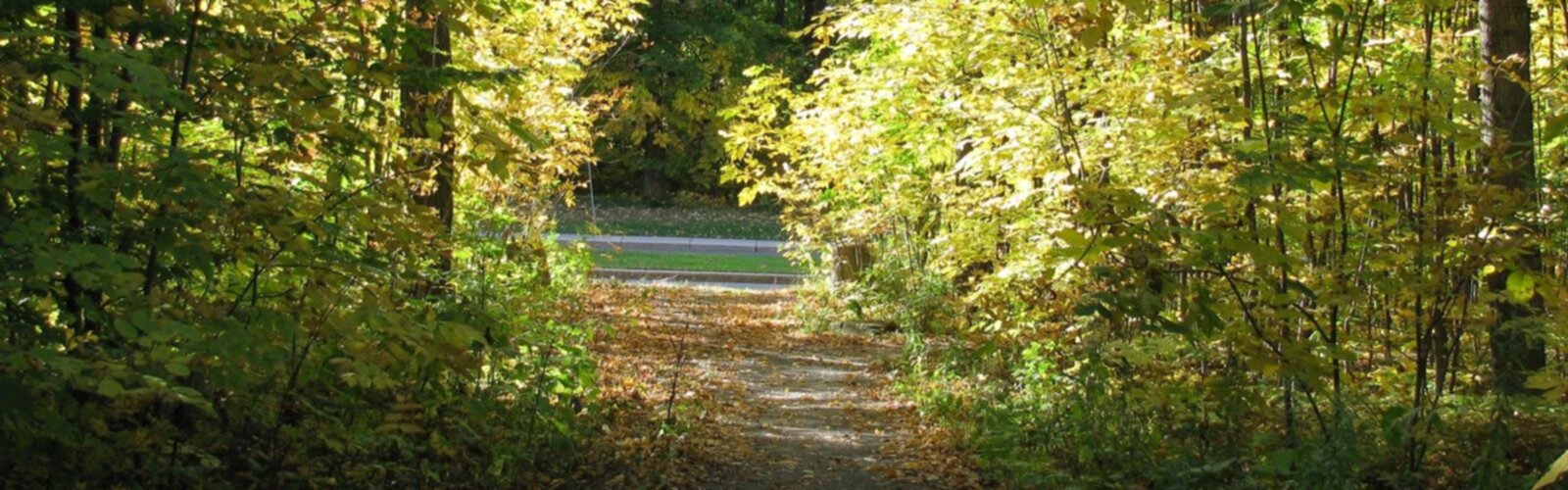
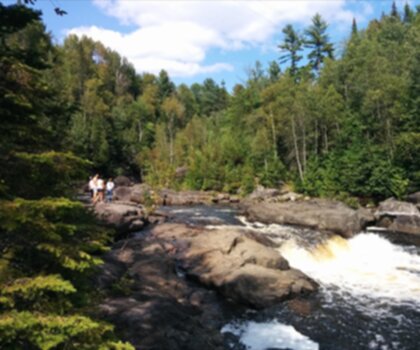
The paths are described as well-maintained, and they wind through dense woodland. Expect a classic Laurentides forest experience: stretches of shade, the scent of leaves and needles, and a sense of being wrapped in green in the warmer months. Because the trails weave through the woods rather than staying in open spaces, the scenery tends to unfold in small moments—clearings, little changes in the forest, and occasional viewpoints into the surrounding landscape—rather than one big “destination” feature.
With the elevation gain on this route, you can also expect sections where the grade picks up and your breathing changes a bit, then eases off again. Moderate doesn’t mean extreme, but it does suggest you’ll want footwear that feels stable and comfortable for uneven forest terrain and slopes, especially if you’re carrying water and snacks for a few hours on the move.
Nature, wildlife, and what to watch for
A big part of the appeal here is how alive the forest feels when you slow down and pay attention. As you hike, keep an eye out for local wildlife. Deer and foxes are among the animals you might spot, and the reserve is home to a variety of bird species as well. If you’re hiking with kids or friends, it can be fun to build in a few quiet pauses—stand still, listen, and look up into the branches—because bird activity is often easiest to notice when you’re not moving.
The plant life is another reason the trails stay interesting. The reserve’s ecosystem is diverse, and you’ll see everything from towering trees to delicate wildflowers. Even on a familiar loop, small details can change from one visit to the next—new blooms, shifting leaf color, or different light filtering through the canopy.
Why it stands out in the Laurentides
In the Laurentides, it’s easy to find big landscapes and famous lookouts, but this reserve stands out for a different reason: it offers a more intimate, peaceful forest experience that still feels like an “away” moment, even though it’s close to the city. The atmosphere is calm, and the setting is well-suited to anyone who wants nature without crowds or noise being the main feature of the day.
That quiet also makes the reserve a good choice if your ideal hike includes time for noticing small things—tracks on the trail, a flash of movement in the underbrush, or the variety of greens in summer. It’s not about rushing to a single highlight; it’s about being in the woods for long enough that the forest starts to set the pace.
Seasons and when to go
The reserve changes character dramatically with the seasons, so the same trails can feel like entirely different outings across the year. In spring, you’ll get fresh blooms and the first wave of green returning to the forest. Summer brings full, lush greenery and deep shade on the paths, which can make hiking more comfortable on warm days.
Autumn is about color: vibrant foliage and crisp air that pairs well with a moderate hike. In winter, the landscape turns serene and snow-covered, and the forest tends to feel even quieter. If you visit in colder conditions, plan your clothing and footwear around the season so you can stay comfortable and steady on the trail.
Birdwatching and photography
If you enjoy birdwatching, this reserve is an easy place to spend time scanning branches and listening for calls as you move through the woods. Because the ambiance is so peaceful, you may find it easier to hear subtle sounds—rustling leaves, wingbeats, and song—especially if you pause regularly.
Photography is another natural fit here. The mix of dense woodlands, changing seasonal color, and the chance of wildlife sightings gives you plenty to work with, whether you’re shooting wide forest scenes or focusing on small details like wildflowers and texture in the bark. Soft light filtering through trees can be especially striking, so it’s worth keeping your camera or phone accessible as you walk.
What to bring and how to hike responsibly
Plan to carry the basics: water, snacks, and appropriate footwear. Even on a well-maintained trail, a moderate route with elevation is more enjoyable when you’re fueled and comfortable. If you tend to stop often for photos or birding, a little extra water can make the outing feel much easier.
To protect the reserve’s ecosystem—and to keep the trails pleasant for everyone—stay on marked trails and follow a leave-no-trace approach. That means packing out what you bring in, keeping your impact small, and letting wildlife keep its distance. The more the forest stays undisturbed, the more likely you are to experience the quiet, natural feel that makes this place worth visiting.
Services and amenities
This information may vary by season.
The Essential Hiking Checklist
Everything you need for your next hike. Bilingual, printable, 1 page.
Get your free hiking checklistRecommended gear for this trail
As an Amazon Associate I earn from qualifying purchases.


Ready to go?
Everything you need to know before you goStarting Point
The trailhead for La Réserve Naturelle Du Boisé-roger-lemoyne is located in Saint-Sauveur, in the Laurentian region. To get there, take Highway 15 North and exit at Exit 66. Then take route 158 East and continue on route 117 North. The trailhead is on the right, after the bridge.
When?
How much?
As an Amazon Associate I earn from qualifying purchases.
Affiliate links — LGPO may earn a commission at no extra cost to you.
- Hiking shoes Essential
- → Salomon Elixir Tour Mid WP · 203.38 $
- Layered clothing Essential
- Rain jacket Essential
- Trekking poles
- → Black Diamond Trail Ergo Cork · 69.99 $
- Headlamp
- → Petzl Actik Core 625 · 103.95 $
FAQ - Frequently asked questions
Everything you need to knowSimilar hikes nearby
Discover other trails you might enjoy
Parc De La Rivière Doncaster
Laurentides

Parc Du Domaine Vert
Laurentides

Parc national d'Oka
Laurentides

Sommet Saint-Sauveur
Laurentides

Mont Condor
Laurentides

Montagne Du Dépôt Et Montagne Du Caribou
Laurentides
Hiking near Laval
97 trails to explore ~17 km away
We work hard to provide the most up-to-date and error-free data possible. If something seems incorrect, let us know! Your contribution helps the whole community.
Hikers' opinions
Be the first to review!
No hiker has shared their experience yet. Share your impressions and help other hikers!