

Ready to explore Gorges du Furon? Here's everything you need to know before you go!
Discover the trail
Trail description
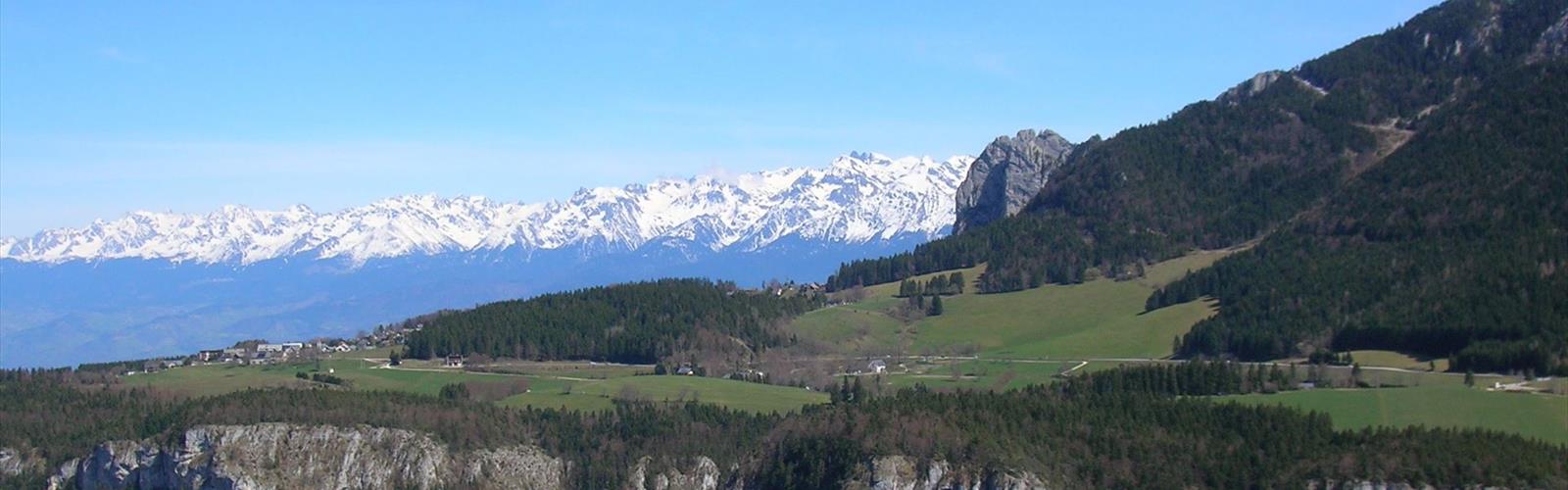
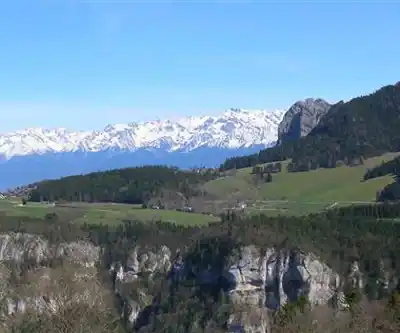
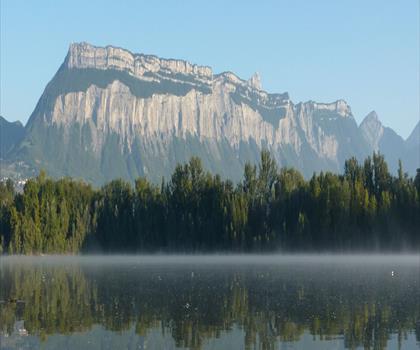
The Gorges du Furon carves a dramatic limestone canyon through the Vercors massif in Isère, creating one of the region's most spectacular yet accessible natural attractions. This narrow gorge, sculpted over millennia by the Furon River, offers hikers a journey through towering rock walls that rise hundreds of feet on either side, creating a cathedral-like atmosphere where sunlight filters down in shifting beams throughout the day.
Located near the village of Sassenage, just outside Grenoble, the gorge provides an immediate escape into wild terrain without requiring a long drive into the mountains. The 6-kilometer trail follows the river's course through the canyon, where the sound of rushing water echoes off the limestone walls and creates a constant, soothing soundtrack for your hike. The rock formations here showcase the geological forces that shaped the Vercors, with visible layers of sedimentary rock and occasional fossils embedded in the canyon walls.
Trail Experience
The path through the Gorges du Furon takes you along well-maintained trails that wind beside and occasionally cross the Furon River. Early sections of the hike follow relatively gentle terrain as you approach the mouth of the gorge, but once inside the canyon proper, the landscape transforms dramatically. The walls close in around you, creating an intimate hiking experience where every turn reveals new perspectives of the sculpted rock faces.
With an elevation gain of 300 meters distributed over the 6-kilometer route, the trail provides a moderate workout without being overly strenuous. The ascent unfolds gradually throughout the 2.5-hour hike, making it manageable for most fitness levels while still offering the satisfaction of earning your views. Several sections require careful footing, particularly where the trail crosses rocky areas or follows narrow ledges, but these add excitement rather than serious technical difficulty.
The terrain varies significantly as you progress through the gorge. You'll navigate smooth riverside paths, scramble over boulder fields, and traverse sections where the trail has been carved into the canyon walls themselves. The constant presence of water creates a humid microclimate that supports lush vegetation in unexpected places, with ferns cascading from rock crevices and moss-covered boulders creating natural gardens throughout the canyon.
The microclimate within the gorge creates unique conditions that support diverse plant life. Ferns and mosses thrive in the humid environment near the water, while hardy alpine plants cling to crevices in the rock walls. During spring and early summer, wildflowers add splashes of color to the predominantly gray and green palette of stone and vegetation.
Seasonal Considerations
Spring brings the most dramatic water flow through the gorge as snowmelt from higher elevations feeds the Furon River. This creates impressive cascades and pools, though it also means some stream crossings may be more challenging. The increased water volume adds to the sensory experience, with the sound of rushing water amplified by the canyon walls. Early spring can still see patches of snow in shaded sections, creating striking contrasts with the emerging green vegetation.
Summer offers the most comfortable hiking conditions, with warm temperatures and stable weather. The canyon provides natural air conditioning, staying noticeably cooler than the surrounding plateau. This makes it an excellent choice for hot days when other trails might be uncomfortably warm. The temperature difference can be as much as 10 degrees Celsius, making the gorge a refreshing retreat during peak summer heat.
Fall transforms the deciduous trees along the river into brilliant displays of yellow and orange, creating striking contrast against the pale limestone. Water levels typically drop to their lowest, revealing rock formations and pools that may be hidden during higher flow periods. This season offers some of the clearest views of the geological features, as reduced vegetation and lower water levels expose more of the canyon's structure.
Winter hiking is possible but requires caution, as sections of the trail can become icy, particularly in shaded areas that receive little direct sunlight. The reduced water flow creates different but equally beautiful ice formations along the canyon walls. Microspikes or light crampons may be necessary during freezing conditions.
Wildlife and Natural Features
The protected environment of the gorge supports wildlife typical of the Vercors region. Chamois occasionally venture down from higher elevations, though they're more commonly spotted on the plateau above the canyon. Bird life includes dippers that hunt for insects in the river, along with various raptors that nest in the cliff faces. The echoing nature of the canyon makes bird calls particularly noticeable and adds to the wild atmosphere.
The geological features of the gorge tell the story of the region's formation. Visible rock layers show different periods of sediment deposition, while the narrow canyon itself demonstrates the erosive power of water over geological time. Several natural arches and overhangs create dramatic framing for photographs and provide shelter during brief weather changes. The limestone walls show clear evidence of the marine environment that existed here millions of years ago, with fossil remains occasionally visible to observant hikers.
Access and Practical Information
The trailhead is easily reached from Grenoble, making this an excellent option for both locals and visitors staying in the city. Parking is available near the entrance to the gorge, though spaces can fill quickly on weekends and holidays due to the trail's popularity and proximity to urban areas. Arriving early in the morning or later in the afternoon typically ensures better parking availability and a more peaceful hiking experience.
The trail is suitable for families with children who are comfortable with moderate hiking distances and some uneven terrain. While not technically difficult, the canyon environment requires attention to footing and awareness of changing conditions near the water. The moderate difficulty rating reflects the sustained nature of the hike rather than any particular technical challenges.
Dogs are welcome on the trail but should be kept under control, particularly near the river where currents can be stronger than they appear. The rocky terrain can be tough on paw pads, so consider protective booties for dogs not accustomed to extended hiking on stone surfaces.
No special permits or fees are required to hike the Gorges du Furon, making it an accessible option for budget-conscious outdoor enthusiasts. Basic hiking footwear with good grip is recommended, as wet rocks can be slippery. Bringing layers is advisable since temperatures in the canyon can be significantly cooler than in surrounding areas, particularly during shoulder seasons.
The Essential Hiking Checklist
Everything you need for your next hike. Bilingual, printable, 1 page.
Get your free hiking checklistRecommended gear for this trail
As an Amazon Associate I earn from qualifying purchases.


Ready to go?
Everything you need to know before you goWhen?
How much?
As an Amazon Associate I earn from qualifying purchases.
Affiliate links — LGPO may earn a commission at no extra cost to you.
- Hiking shoes Essential
- → Salomon Elixir Tour Mid WP · 203.38 $
- Layered clothing Essential
- Rain jacket Essential
- Trekking poles
- → Black Diamond Trail Ergo Cork · 69.99 $
- Headlamp
- → Petzl Actik Core 625 · 103.95 $
FAQ - Frequently asked questions
Everything you need to knowSimilar hikes nearby
Discover other trails you might enjoy
Hiking near Sydney
22 trails to explore ~4977 km away
We work hard to provide the most up-to-date and error-free data possible. If something seems incorrect, let us know! Your contribution helps the whole community.
Hikers' opinions
Be the first to review!
No hiker has shared their experience yet. Share your impressions and help other hikers!