

Ready to explore Detour Lake Mine? Here's everything you need to know before you go!
Discover the trail
Oh no! We don't have any photos 😢
This trail hasn't been captured yet. Be the first to share your adventure!Trail description
Detour Lake Mine sits in a remote corner of the Canadian Rockies in Alberta, where the presence of an industrial mining operation creates an unusual backdrop for backcountry exploration. The surrounding terrain draws hikers who are specifically looking to get away from the well-worn tourist circuits that dominate the more accessible parts of the Rockies. It's not a destination you stumble onto — getting here takes intention, and that self-selection keeps the trails genuinely quiet.
What makes this area stand out is the contrast built right into the landscape. The mine itself is an active operation and off-limits to visitors, but the wilderness surrounding it remains intact and largely undisturbed. That industrial footprint has, in a roundabout way, kept casual development at bay, preserving the raw backcountry character that's increasingly hard to find in the Canadian Rockies.
Terrain and Trail Character
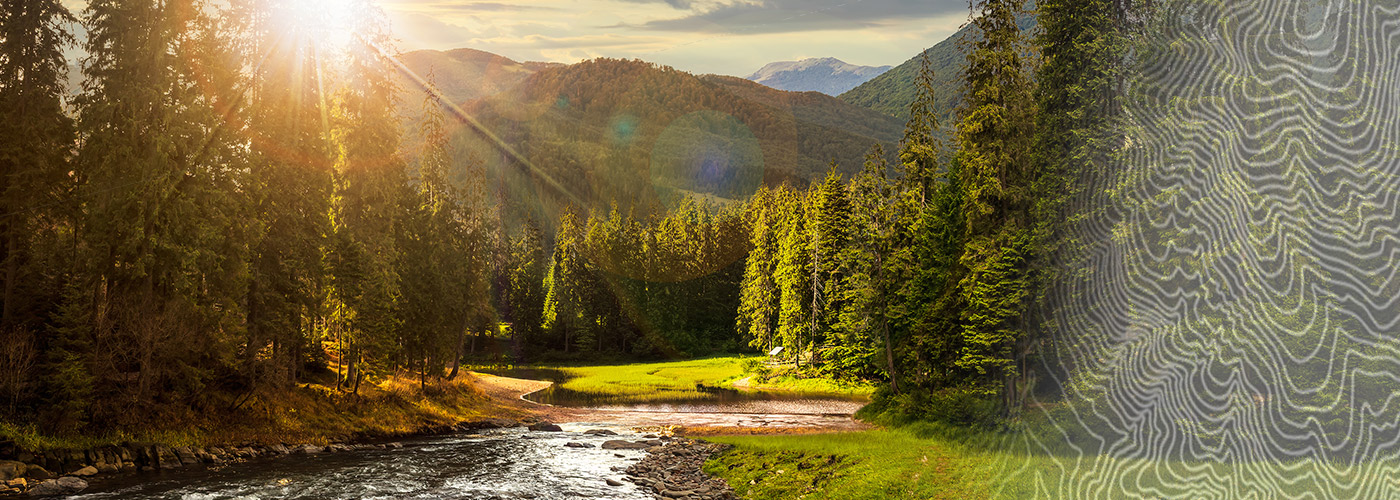
The trail network here moves through classic Rocky Mountain terrain, starting in dense coniferous forest before opening up as elevation increases. The lower sections follow well-worn dirt paths through spruce and fir, where the canopy closes in and the forest feels genuinely enclosed. It's the kind of hiking where you're focused on what's immediately around you rather than scanning distant horizons — and that intimacy is part of the appeal.
As the trail climbs, the trees thin out and the landscape shifts. Rocky outcroppings start appearing, the views open up, and the footing changes from soft forest floor to exposed rock and occasional scree. Stream crossings add some variety to the route, particularly earlier in the season when snowmelt keeps water levels up. The overall difficulty rating is easy, and the elevation gain is minimal, making this accessible to hikers who are newer to mountain terrain without feeling like it's been engineered for beginners.
Plan for roughly two and a half hours on the trail. That's enough time to move at a comfortable pace, stop for wildlife or views, and not feel rushed — but it's not a full-day commitment either, which makes it a solid option if you're combining it with other activities in the area.
Wildlife
The limited foot traffic through this area works in your favour when it comes to wildlife. Deer are a common sight in the meadow openings, and moose show up regularly near the wetter, marshy sections of the route where they feed on aquatic vegetation. Both black bears and grizzlies are present in these mountains, and the noise from the nearby mining operation may push animals toward the quieter trail corridors — worth keeping in mind as you hike. Carry bear spray and keep it accessible, not buried in your pack.
Smaller wildlife fills in the gaps throughout the hike. Pikas and ground squirrels are active in the rockier sections, and you'll likely hear them before you see them. Gray jays and mountain chickadees are reliable trail companions in the forested stretches, and raptors work the ridgelines above.
Views and Seasonal Conditions
The higher sections of the trail deliver the layered mountain panoramas the Canadian Rockies are known for — multiple ridgelines receding into the distance, valley systems cutting between them, and the kind of scale that's hard to fully absorb. Because this isn't a popular viewpoint, you're likely to have it to yourself, which changes the experience considerably compared to the crowded overlooks elsewhere in the range.
Seasonal timing affects conditions significantly. Spring brings higher water at stream crossings and wildflowers in the alpine openings. Autumn turns the scattered deciduous trees and shrubs into patches of yellow and orange against the evergreen forest — one of the better times to be in the mountains visually. Snow can linger at higher elevations well into late spring, so check conditions before heading out if you're visiting early in the season.
Practical Considerations
Mountain weather in the Canadian Rockies moves fast. Afternoon thunderstorms are a real risk on exposed terrain, so an early start is always the smarter call. Dress in layers — valley temperatures and ridgeline temperatures can differ significantly, and conditions can shift within the span of a single hike.
Water sources exist along the route, but given the proximity to an active mining operation, treating or filtering any natural water isn't optional — it's necessary. The safer approach is to carry everything you need from the trailhead rather than relying on sources along the way, especially later in summer when flows drop.
Cell coverage is unreliable throughout much of this area. Let someone know your plan and your expected return time before you head out. For more serious backcountry travel, an emergency signaling device is worth having on hand.
The intersection of industrial activity and wilderness here is unusual, and it comes with a specific responsibility: stay off any mining infrastructure, follow Leave No Trace principles, and pack out everything you bring in. The area's character depends on visitors treating it with the same respect they'd give any remote backcountry destination.
The Essential Hiking Checklist
Everything you need for your next hike. Bilingual, printable, 1 page.
Get your free hiking checklistRecommended gear for this trail
As an Amazon Associate I earn from qualifying purchases.


Ready to go?
Everything you need to know before you goStarting Point
The detour lake mine is located in Alberta, Canada. The easiest way to get to the start of the trails is to drive north on Highway 63 from Fort McMurray for approximately 85 km until you reach the mine.
When?
How much?
As an Amazon Associate I earn from qualifying purchases.
Affiliate links — LGPO may earn a commission at no extra cost to you.
- Hiking shoes Essential
- → Salomon Elixir Tour Mid WP · 203.38 $
- Layered clothing Essential
- Rain jacket Essential
- Trekking poles
- → Black Diamond Trail Ergo Cork · 69.99 $
- Headlamp
- → Petzl Actik Core 625 · 103.95 $
FAQ - Frequently asked questions
Everything you need to knowSimilar hikes nearby
Discover other trails you might enjoy
Fossil Mountain
Canadian Rockies

Snake Indian Mountain
Canadian Rockies
Mushroom Peak
Canadian Rockies
Mount Woolley
Canadian Rockies
Stutfield Peak
Canadian Rockies
Mount Sarbach
Canadian Rockies
Hiking near Gatineau
48 trails to explore ~588 km away
We work hard to provide the most up-to-date and error-free data possible. If something seems incorrect, let us know! Your contribution helps the whole community.
Hikers' opinions
Be the first to review!
No hiker has shared their experience yet. Share your impressions and help other hikers!