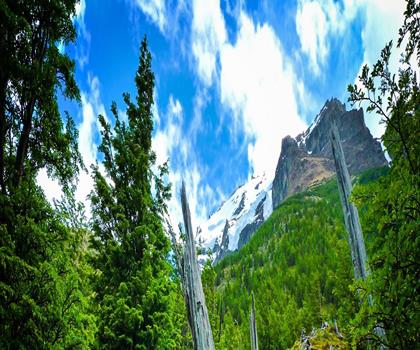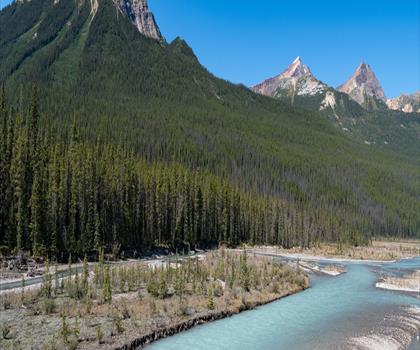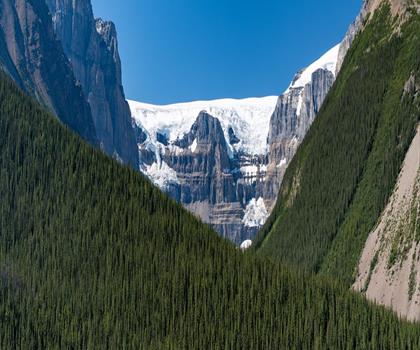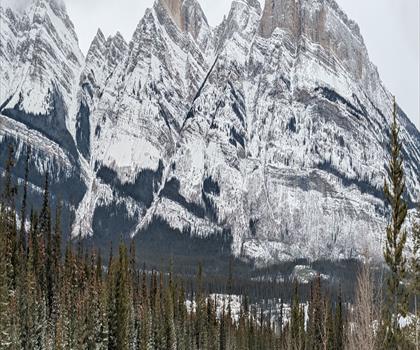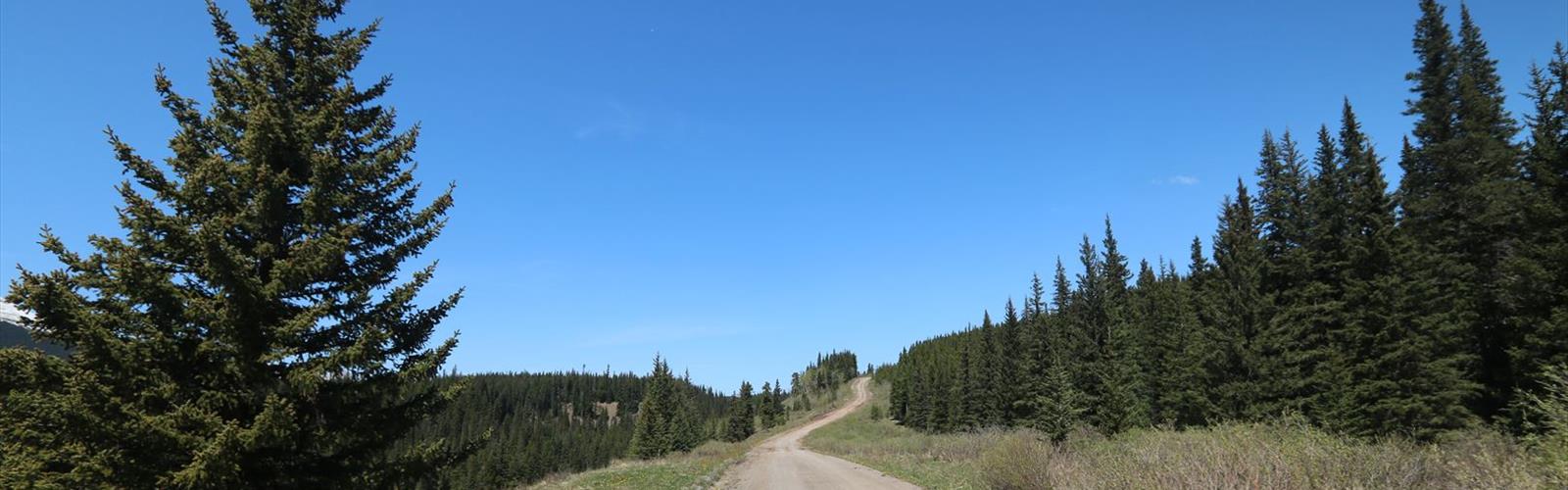
Hiking Mount Bryant - panoramic view  tree outdoor landscape nature mountain sky autumn plant cloud background lake painting forest surrounded distance
--°C
Loading...
See forecast →

Hiking in Mount Bryant: trails, map and practical info

Canadian Rockies • Alberta

5.0 Appreciated by 35 hikers
François Dumaine
By François DumaineContributor since 2013Updated 29/05/2026
Difficulty
Moderate
Distance
9 km
Elevation
230 m
Duration
3h45
Max altitude
2,362 m

Tackle this moderate 8.5 km alpine climb in the Canadian Rockies near Calgary, gaining 230 m over 3h45. Mount Bryant's glaciated slopes and technical terrain demand mountaineering skills beyond standard hiking, making it a serious objective for experienced climbers seeking dramatic ice and rock scenery.

Recommended for :
Intermediate hikers

Ready to explore Mount Bryant? Here's everything you need to know before you go!

Discover the trail
Oh no! We don't have any photos 😢

This trail hasn't been captured yet. Be the first to share your adventure!

Trail description

Description

Mount Bryant stands as a formidable 2,362-meter (7,746-foot) peak in Banff National Park, offering experienced mountaineers a serious challenge in the heart of the Canadian Rockies. This isn't your typical hiking destination – while the approach follows a manageable trail, the mountain itself demands advanced climbing skills and proper technical equipment to reach the summit safely.

What makes Mount Bryant particularly striking is its glaciated character. Several glaciers cling to the steep slopes, creating a constantly changing landscape of ice and rock that shifts in appearance as light moves across the ridgelines throughout the day. These glacial features are beautiful to observe, but they're also what elevates this peak from a difficult hike to a technical mountaineering objective requiring crevasse rescue skills and ice travel experience.

The Approach Trail

The journey begins with a 3.2-kilometer approach hike that serves as both warm-up and reality check for what lies ahead. You'll gain 230 meters of elevation over this distance, working your way through classic Rocky Mountain terrain that transitions from dense coniferous forest to increasingly rocky and exposed ground as you approach treeline.

Plan on about 2 hours for the approach, though this can vary significantly depending on conditions and your group's pace. The trail starts well-defined through subalpine forest, where towering spruce and fir create a cathedral-like canopy overhead. As you climb higher, alpine larches begin to appear – if you're here in early fall, these trees put on a spectacular golden show that's worth the trip even if you don't attempt the summit.

Above treeline, the landscape opens into true high-alpine environment where the mountain's serious character becomes apparent. The well-established trail gives way to rockier terrain, and you'll get your first clear views of the glaciated upper mountain. This is where many hikers turn around, having enjoyed a solid mountain experience without committing to the technical challenges above.

The Technical Reality

Mount Bryant earns its reputation as a difficult climb through a combination of factors that separate it from standard hiking peaks in the Rockies. The glaciers aren't just scenic features – they're active, crevassed terrain that requires proper equipment and the skills to use it. You'll need to be comfortable with rope work, crevasse rescue techniques, and reading glacial conditions.

Rock quality varies throughout the climb, demanding careful route-finding and the ability to assess conditions as they change with weather and season. At 2,362 meters, the elevation puts you well into the zone where altitude effects become noticeable, especially if you're visiting from lower elevations. Combined with the technical demands, this creates an environment where thorough preparation and conservative decision-making aren't just recommended – they're essential.

Weather patterns around the mountain can shift with little warning. Summer afternoons often bring thunderstorms that can turn the upper mountain into a dangerous place quickly. During warm periods, freeze-thaw cycles increase rockfall danger significantly as loose rock becomes destabilized on the glaciated slopes above.

Access and Planning

Being located within Banff National Park means you'll need a valid park pass for access – regulations are strictly enforced here, and wilderness ethics aren't optional in one of Canada's most visited national parks. The trailhead provides straightforward access to begin your approach, though parking can fill quickly during peak season, especially on weekends when both day hikers and multi-day climbers converge on popular objectives.

Early starts serve multiple purposes: securing parking, taking advantage of more stable morning conditions on the upper mountain, and allowing maximum daylight for the technical portions of the climb. While the hiking portion follows established trail, be prepared for route-finding challenges higher up where the path becomes less defined and terrain more complex.

Seasonal Windows

The climbing season for Mount Bryant is typically limited to a narrow window during summer and early fall when glacial conditions are most stable and weather patterns most predictable. Snow often persists on the upper mountain well into July, and early season attempts may encounter unstable snow bridges over crevasses along with increased avalanche danger.

Late summer and early fall generally provide the most favorable conditions. Snow on glaciated sections becomes more consolidated, and weather patterns tend to be more predictable. However, this is also when rockfall danger can peak due to increased freeze-thaw activity and glacier movement exposing loose rock on the upper slopes.

Winter ascents are technically possible but represent a significant step up in difficulty and objective hazard. Avalanche conditions, extreme cold, and limited daylight hours make winter climbing appropriate only for expert mountaineers with extensive cold-weather experience and specialized equipment.

Why Mount Bryant Matters

Within the Canadian Rockies, Mount Bryant occupies a sweet spot for serious climbers – challenging enough to test your skills on a legitimate mountaineering objective, yet accessible enough that you're not committing to the most remote peaks in the range. The glaciated terrain provides excellent training for larger objectives while still delivering the satisfaction of a significant summit.

Even if you're not planning to attempt the technical summit, the approach hike offers substantial rewards. You'll pass through diverse ecosystems and gain excellent views of surrounding peaks. Wildlife viewing opportunities are excellent in the lower elevations, with chances to spot mountain goats navigating impossible-looking cliff faces, bighorn sheep, and various bird species adapted to high-altitude environments.

The mountain's position within Banff National Park provides the infrastructure and emergency services that add a margin of safety to serious mountain objectives, while still delivering the wild character that makes the Canadian Rockies such a compelling destination for mountaineers looking to test themselves against some of North America's most spectacular alpine terrain.

Ready to go?

Everything you need to know before you go

Where?

Address
Mount Bryant, Alberta T0L 1K0, Canada
GPS coordinates
50.9016666, -114.9916666
Phone
Not available

Starting Point

The mount bryant trails are located in the Kananaskis Country area of Alberta. To get to the start of the trails, take Highway 40 south from Calgary and turn left onto the Smith-Dorrien Trail (Highway 742). The trailhead is located about 26 km from the turnoff.

When?

Opening hours
From sunrise to sunset
Varies by season
Best season
Fall
Spectacular colors
Best time
Early morning
Less crowded
Weather (next days)
Loading

How much?

Entry fees
Adult
Not available
Child
What to bring?
Gear
  • Hiking shoes Essential
  • Layered clothing Essential
  • Rain jacket Essential
  • Trekking poles
  • Headlamp
Download the PDF checklist
Water & food
2L minimum
No water point on the trail
Bring energy snacks for a 4h+ hike
Good to know
Park rules
No dogs
Safety
Download the GPX before you go
Limited cellular coverage on the trail
Slippery after rain
Be careful on rocky sections
In an emergency
Emergency
911
Parking GPS
50.9016666, -114.9916666
Center
Not available

Hikers' opinions

5.0
25 Reviews
S
Sarah
Nov 15, 2025
Mount Bryant delivered an excellent moderate hike with well-maintained trails and impressive Rocky Mountain vistas. The 8.5 km route felt manageable, though I appreciated having extra water since facilities are limited in the area. The summit views were absolutely worth the effort, and I'd recommend starting early to avoid afternoon crowds.
S
Sarah
Nov 15, 2025
Mount Bryant delivered an exceptional hiking experience with stunning panoramic views of the surrounding Rocky Mountain peaks. The trail was well-maintained and moderately challenging, perfect for building endurance without being overly strenuous. I recommend bringing a good camera to capture the breathtaking scenery, especially as you approach the summit where the vistas are truly spectacular.
S
Sarah
Sep 15, 2025
Mount Bryant provided a wonderful hiking experience despite some unexpected rain that made the trail quite slippery. The 8.5km moderate trail took us about 4 hours with the challenging conditions, but the stunning mountain scenery made every step worthwhile. I'd definitely recommend checking weather conditions before heading out and wearing proper hiking boots for better grip on wet rocks.
E
Elena
Sep 3, 2025
Mount Bryant offers a rewarding escape into nature with manageable terrain for most fitness levels. The trail is consistently well-marked and the surrounding landscape provides continuous visual interest. While parking requires a fee and access isn't free, the experience justifies the cost. Bring a camera to capture the stunning peak vistas.
M
Michael
Aug 22, 2025
The hike up Mount Bryant was enjoyable, though weather conditions significantly impacted the experience. Unexpected rain made sections of the trail muddy and slippery, requiring careful footing throughout. Despite the challenging conditions, the natural beauty remained evident, and I appreciated the moderate difficulty level. Always check the forecast before heading out to ensure you're properly prepared.

FAQ - Frequently asked questions

Everything you need to know
Moderate
230.00 M
2362.00 M
3h45
No
No
Bring plenty of water, snacks, and proper hiking boots for the Mount Bryant trail. Given the 230 m elevation gain and 8.5 km distance, also pack a map, sun protection, and weather-appropriate clothing. Check current conditions before you visit.
Take Highway 40 south from Calgary and turn left onto the Smith-Dorrien Trail (Highway 742). The Mount Bryant trailhead is located about 26 km from the turnoff in the Kananaskis Country area.
Didn't find your answer?
Free 1 pages

The Essential Hiking Checklist

Everything you need for your next hike. Bilingual, printable, 1 page.

Download the free checklist
Top 10 best hiking in Canadian Rockies
Our ranking based on hiker reviews

Hiking near Canmore

200 trails to explore ~33 km away

View trails
Did you spot an error?

We work hard to provide the most up-to-date and error-free data possible. If something seems incorrect, let us know!

Update : June 2026